_1745479303268.webp)
Release Paper for Band-Aids and Wound Dressings in Medical Use
2026-07-14 09:07:32
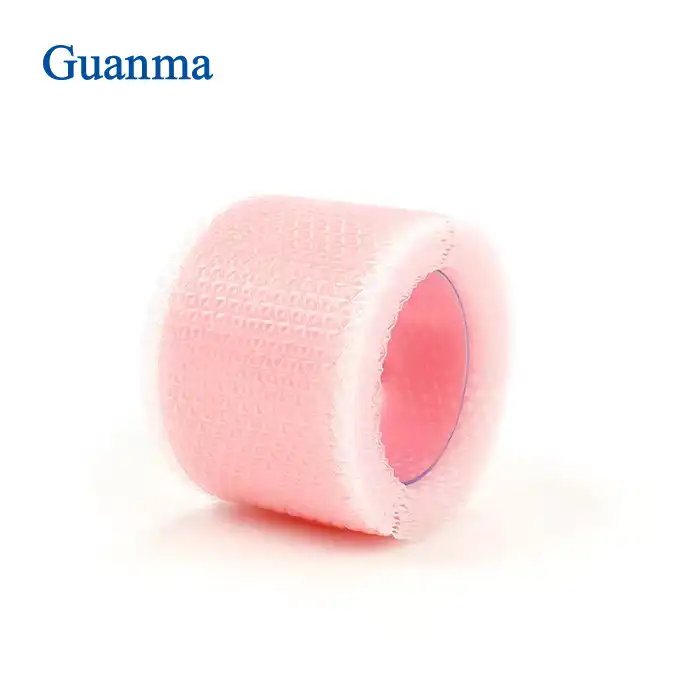
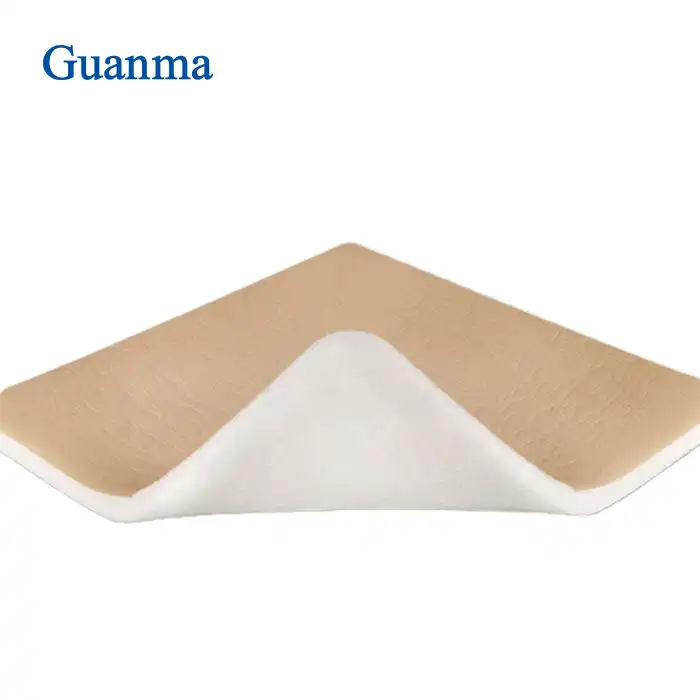
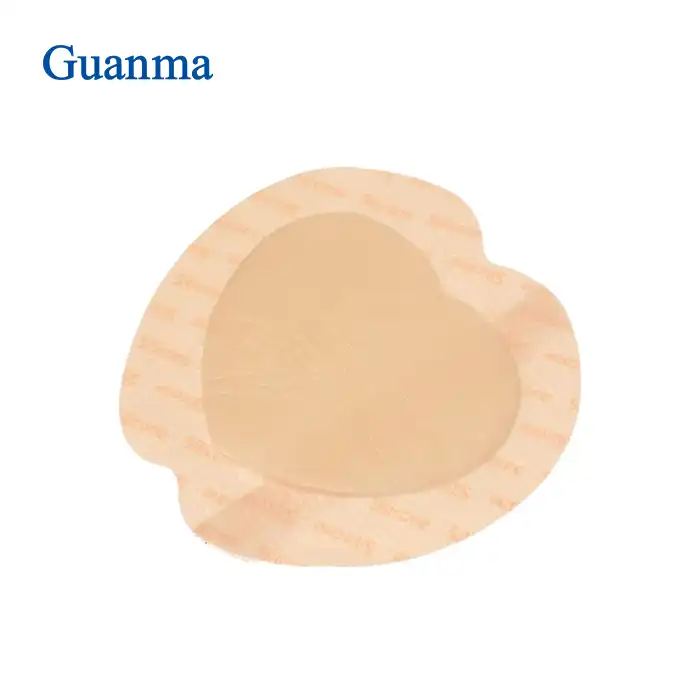
The protected liner that keeps the adhesive from sticking too soon is just as important as the adhesive itself when making medical adhesive goods. A release paper for Band-Aids and wound dressings is essential because it protects the sticky side until it's time to use it. This protected layer, which is usually made of special glassine paper coated with silicone, makes it easy to remove without weakening the bonding strength of the glue. In today's competitive medical device market, sourcing managers and OEM partners in the healthcare business need to know about the different types of release liner materials because they have a direct effect on product quality, patient safety, and regulatory compliance.
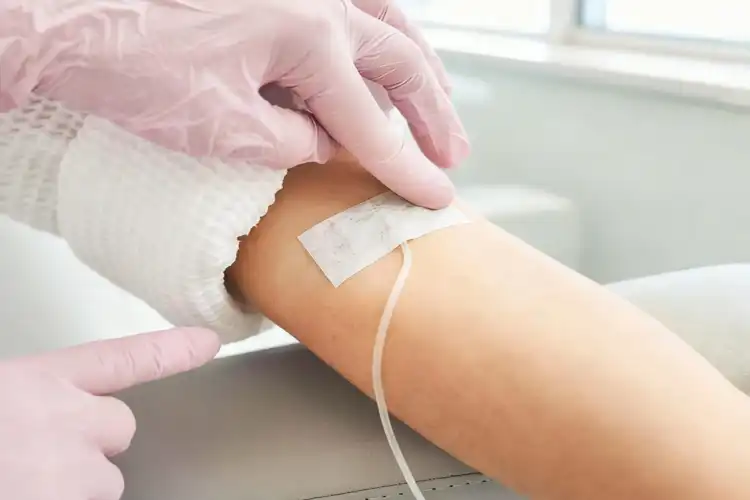
Understanding Release Paper in Medical Dressings
A well-thought-out protected lining is at the heart of every adhesive bandage and wound dressing. This part keeps the glue from acting while it's being stored or handled, so it can still stick things together fully for clinical use.
What Makes a Release Liner Effective?
A good protected lining needs to meet a lot of different technical standards. The material usually has a silicone covering on glassine paper that makes the surface non-stick and easy to remove from pressure-sensitive glue. How easy it is for the liner to separate from the glue without leaving behind any residue or making the dressing less sterile depends on the covering weight and cure level. In clinical situations, where consistent performance directly affects how well wounds heal, these traits are very important.
Material Options and Their Applications
Three main types of safety covers are used in the medical field. Silicone-coated glassine paper is the best choice for normal adhesive bandages because it is cheap and has great release qualities. Clay-coated papers have mild release properties that make them good for lighter adhesives. Film-based covers are more expensive, but they are better at keeping wetness out for advanced wound care uses. Depending on the glue chemistry, storage conditions, and end-use needs, each material has its own benefits.
Distinguishing Release Paper from Backing Materials
A lot of professionals mix up release covers and backing materials, but they are used for completely different things. The backing is what holds the dressing together; it holds the glue and stays in place while you wear it. You take off the release wrapper before application because it's only a brief barrier. Knowing this difference helps buying teams choose the right materials for their production processes, which helps them avoid making mistakes that could cost a lot of money and cause production to be delayed.
Benefits and Functional Advantages of Release Liners in Wound Care
Protective layers do a lot more for wound care items than just cover the surface. Their work affects everything, from how well products are made to how comfortable patients are during application.
Preserving Adhesive Performance Throughout the Supply Chain
As soon as adhesives come in touch with air, wetness, or contaminants, they start to break down. A properly designed protected layer makes a hermetic seal that keeps the adhesive's strength from the time it is made until it is used in a hospital setting. This protection is especially important for medical-grade adhesives that need to keep their sealing strength stable even when the temperature and humidity change during shipping across borders. The shell is like a time capsule because it makes sure that the glue works exactly as it should when it is applied to a patient's skin.
Supporting Hypoallergenic and Sensitive Skin Requirements
Products that are safe for people with sensitive skin and allergies are needed in modern medicine from a bandage release paper manufacturer. It's amazing how important the protective liner from a manufacturer of bandage release paper is to this requirement because it stops the glue from moving and keeps the liner and adhesive from sticking to each other. Making sure the liner comes off neatly, without tearing or leaving paper threads behind, from a bandage release paper manufacturer protects the adhesive surface from contamination. This clean release is especially important for sensitive formulas produced by a bandage release paper manufacturer, where even a small amount of contamination could make patients who are already weak sick.
Advancing Sustainability in Medical Manufacturing
Being good to the environment has become important all along the healthcare supply chain. Biodegradable protective covers made from paper that is carefully sourced are an environmentally friendly option to films made from petroleum that don't lose any of their usefulness. These environmentally friendly choices help companies that make medical devices meet their sustainability goals while still meeting the high-quality standards needed for goods used by patients. At Guanma Medical, we've seen more and more interest in reusable liner options as buying teams try to meet both clinical performance and environmental goals.
Comparison and Selection Criteria for Release Papers in Medical Applications
To choose the best protective liner, you need to look at a number of technical factors along with your unique manufacturing needs and clinical uses.
Paper Versus Film Substrates
Choosing between paper and film media has a big impact on cost, performance, and how well they work with other processes. Paper-based covers are great for making a lot of bandages because they are cheap and let air flow through them. Our strict quality standards allow our 65g/m² glassine paper to have uniform release properties across millions of units while keeping its shape during conversion processes. Film liners are better at keeping out wetness and light, which is good for clear bandages and items that need to be able to see inside a wound. But pictures usually cost 30–40% more than paper options, and they might need different tools to be processed.
Matching Adhesive Chemistry to Release Characteristics
Adhesive recipes have completely unique amounts of tack, cure times, and chemical make-ups. Medium-release silicone coats with release forces of 10 to 30 grams per inch are usually needed for medical sealants that are based on acrylic. Because rubber-based adhesives stick better right away, they usually need heavy silicone coating weights to keep the adhesive from transferring when the cover is taken off. To make sure of clean separation, the adhesive chemistry and release coating must be perfectly matched so that the release coating doesn't change the adhesive pattern or make it less sterile. Testing for suitability while a product is being developed keeps expensive quality problems from happening when the production scales up.
Balancing Cost Considerations with Quality Standards
When making purchases for medical products from a bandage release paper manufacturer, people have to weigh the prices of materials against the risks to quality and the need to follow the rules. At first, cheaper covers might look like a good idea, but they can cause production delays, wasted glue, and quality problems that cost a lot more than the material they save. Suppliers like a Bandage release paper manufacturer with ISO 13485 and CE certifications are known to have quality systems that are reliable and reduce variation between production lots. Instead of just looking at the lowest unit price when comparing quotes from a bandage release paper manufacturer, you should think about the total cost of ownership, which includes things like reject rates, handling speed, and expert support.
Procurement Guide: How to Source High-Quality Release Paper for Medical Use?
Building ties with skilled suppliers is the key to making medical devices that work well. The correct buying strategy guarantees the quality of the materials, compliance with regulations, and the security of the supply chain.
Identifying Certified and Compliant Suppliers
Medical device rules say that all materials that come into contact with patients must be able to be tracked and recorded. Your provider of protective liners must keep up-to-date ISO 13485 certification, which shows that they use quality control systems that are built especially for making medical devices. If a medical gadget has a CE mark, it means it meets European safety standards. If it has an FDA mark, it can be sold in the United States. When you're evaluating a provider, you should ask for copies of these licenses, as well as material safety data sheets and biocompatibility test results that show the safety of skin contact. During product registration and regulatory reviews, these papers are important parts of your technical files.
Customization Capabilities for OEM Requirements
Standard protected layers don't always meet all the needs of an application without being changed. Leading suppliers offer customization services such as slitting to exact lengths, coating weights that are tailored to specific release forces, and writing options that can be used to identify the product or give directions on how to use it. At Guanma Medical, we often work with brand owners to create custom solutions that help them stand out in the market. These solutions include unique sizes, special treatments, and printing with their logo. Because of this, OEM partners can make their goods work better in certain hospital settings without having to buy their own coating and converting equipment.
Managing Bulk Orders and Supply Security
To keep up with production plans and keep customer promises, companies that make medical devices need to know when their materials will be available. When you start working with a supplier, be clear about the minimum order quantities, normal lead times, and ways to handle your inventory. Many manufacturers benefit from consignment inventory agreements, in which the seller keeps stock at or near the production site. This makes sure that the goods are available right away and reduces the amount of operating capital that needs to be invested. Talk about the supplier's distribution policies and limits on capacity to find out how they handle demand when the market changes or there are problems with supply. Having strategic relationships with sellers who put medical device customers first helps make sure that supplies don't run out when the market is bad.
Innovations and Future Trends in Release Paper for Medical Dressings
As material science progresses and market needs turn toward sustainability and better usefulness, the protective liner section continues to change.
Sustainable Material Development
Biodegradable and compostable protection covers are being made because people care about the environment. New plant-based silicone alternatives and recyclable paper types offer better environmental features without lowering the release performance needed for medical uses. These materials meet strict biocompatibility and sanitation standards and are in line with efforts to make healthcare systems more environmentally friendly. When manufacturers use these new ideas, they get a competitive edge in markets that care about the environment and also help medical device supply chains follow the principles of the cycle economy.
Advanced Coating Technologies
Silicone coating technology for release paper for Band-Aids and wound dressings keeps getting better with more precise ways to apply it that make the covering weight more stable and the release force more consistent. With differential release coatings for release paper for Band-Aids and wound dressings, which have different release properties on each side of the liner, new products can be made where more than one sticky surface needs to be protected by a single liner. These technological improvements make the manufacturing of release paper for Band-Aids and wound dressings more efficient and allow for new dressing designs that better meet healthcare needs. Cost pressures are also dealt with by coating innovations in release paper for Band-Aids and wound dressings that make the best use of silicone without losing function.
Integration with Smart Wound Care Systems
When standard wound care and digital health come together, it opens the door for protective layers that can do more. Liners with printing sensors, NFC tags, or QR codes make it possible to verify the authenticity of a product, keep track of its use, and connect it to electronic health records. These smart packing options help hospitals keep track of their goods, lower the risk of fakes, and make it easier to track the results of clinical studies. Even though they are still new, these technologies offer big chances for OEM partners who want to stand out in fields that are already very competitive.
Conclusion
Choosing the right protection layers has a big effect on the quality, performance, and compliance with regulations of wound dressings and adhesive bandages. Careful thought needs to be put into the technical issues of choosing the right material, making sure it works with the glue, and making sure the provider is qualified to get the best results and keep patients safe. As the medical device industry moves toward smart functions and eco-friendly materials, it becomes more useful to work with experienced manufacturers who mix technical know-how with high-quality systems. When procurement workers know these selection factors, they can make choices that balance performance needs, regulatory compliance, and cost goals while also encouraging new ideas in wound care solutions.
FAQ
1. What distinguishes release paper from backing paper in wound dressings?
Release paper protects the sticky surface temporarily and is removed before it is applied to the patient. The backing paper is the dressing's fixed structure base and stays with the product while it's being used. The release layer has a special silicone covering that makes it easy to separate from adhesives. The backing materials are made to be strong, flexible, and sometimes breathable to keep the patient comfortable.
2. Why do medical applications prefer silicone-coated release liners?
Silicone coatings make the release properties stable and controlled across a range of adhesive formulas without affecting the surface of the adhesive. This covering formula doesn't react with water and keeps working well even when the temperature changes during shipping and storage. The clean release stops the glue from moving, which keeps it sterile and improves sealing performance, which is important for medical uses.
3. How can I identify qualified suppliers for FDA-compliant protective liners?
Make sure that sources have up-to-date ISO 13485 approval for making medical devices. Ask for proof, like material safety data sheets, biocompatibility test results for skin contact uses, and regulatory certifications that are important to the markets you want to reach. Qualified providers give you full traceability paperwork to back up your regulatory reports and quality management needs.
Partner with Guanma Medical for Superior Release Paper Solutions
For more than 30 years, Guanma Medical has been making high-quality protection covers that are designed to work with medical adhesives. As a provider of approved release paper for Band-Aids and wound dressings with both ISO 13485 and CE certifications, we know the high standards that companies that make medical devices need. Our 65g/m² glassine paper release liners work consistently, even when used in large quantities. They can also be fully customised, with options like precise slitting, custom coating weights, and unique printing to help your goods stand out in crowded markets.
Our expert team works closely with OEM partners to create custom solutions that meet the needs of different adhesive formulas, processing requirements, and government regulations. We make it easy to get premium materials, whether you're launching new goods or expanding current lines. Our customer service is available 24/7, and the minimum order quantity is flexible. Contact betty@guanmamedical.com right away to get samples, talk about your customization needs, and find out how our release liner solutions can improve the performance of your wound care product while also making sure it meets legal standards and keeps your supply safe.
References
1. Miller, J. & Thompson, R. (2021). Medical Adhesive Technologies: Materials and Applications in Healthcare Devices. Boston: Healthcare Materials Publishing.
2. Anderson, K. (2020). Release Coating Technology for Medical Applications: Engineering Properties and Clinical Performance. Journal of Medical Device Materials, 15(3), 234-251.
3. European Medical Device Standards Committee. (2022). Guidance on Material Selection for Wound Care Products: Regulatory and Performance Considerations. Brussels: EMDSC Publications.
4. Chen, L. & Rodriguez, M. (2023). Sustainable Materials in Medical Device Manufacturing: Biodegradable Release Liners and Environmental Impact. International Journal of Healthcare Materials Science, 8(2), 112-128.
5. Williams, P. (2019). Quality Management in Medical Adhesive Manufacturing: Supply Chain Strategies and Regulatory Compliance. New York: Medical Device Industry Press.
6. Zhang, H. & Kumar, S. (2022). Advanced Coating Technologies for Protective Liners: Innovations in Silicone Application and Release Performance. Materials Science in Medicine, 12(4), 445-462.