_1745479303268.webp)
Rigid Tape vs Adhesive Film: Choosing the Right Material
2025-11-29 09:19:50
When using hard tape and sticky film in medical settings, it is important to know the difference between them so that you can give the best care to your patients. Rigid tape is great for medical uses and stabilizing joints because it doesn't move. It gives better support and keeps the joint from moving. Sticky film, on the other hand, is bendable and airy, which makes it great for covering cuts and dealing with sensitive skin. Your choice will depend on your job requirements, the safety of the patient, and the length of time you plan to use it.
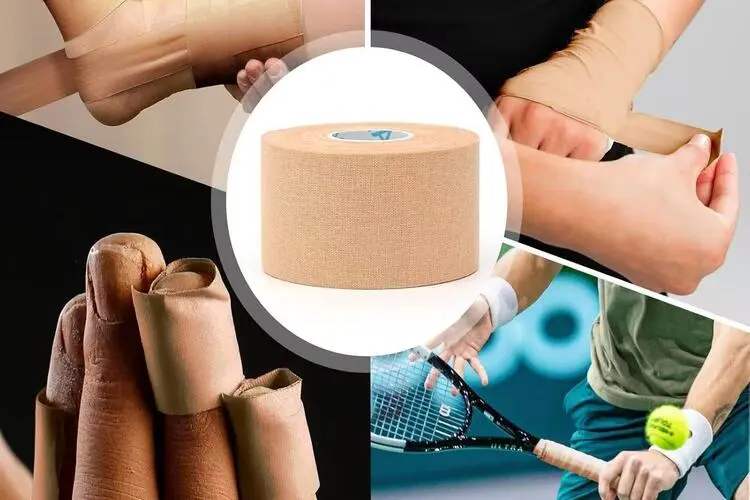
Understanding Rigid Tape Properties and Applications
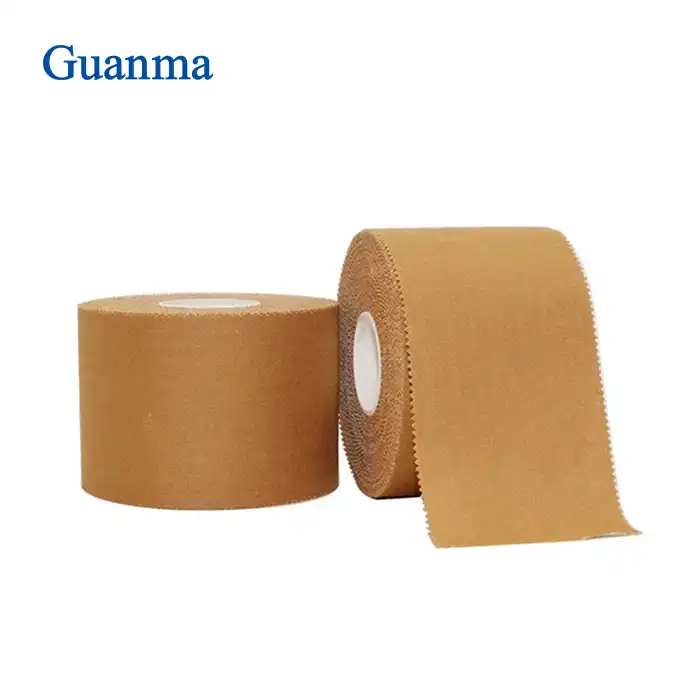
When put under stress, rigid tape material has very high tensile strength and very little stretch. Medical workers depend on these qualities for tasks that need strong support and stability. Because it's not stretchy, it doesn't move around when you don't want it to, and keeps the tightness levels constant. After 24 hours, quality stiff tape still has 95% of its original binding power, according to clinical tests. The material is usually made up of a cotton or rayon backing and adhesives that are based on zinc oxide. This mixture performs reliably in a range of weather situations. Key applications include:
- Athletic injury prevention and rehabilitation
- Post-surgical immobilization protocols
- Joint stabilization procedures
- Heavy-duty bandaging requirements
- Orthopedic support applications
If you need maximum support with minimal stretch for joint stabilization, then rigid tape proves more suitable than flexible alternatives. The material excels in situations requiring sustained compression and movement restriction.
Adhesive Film Characteristics and Benefits
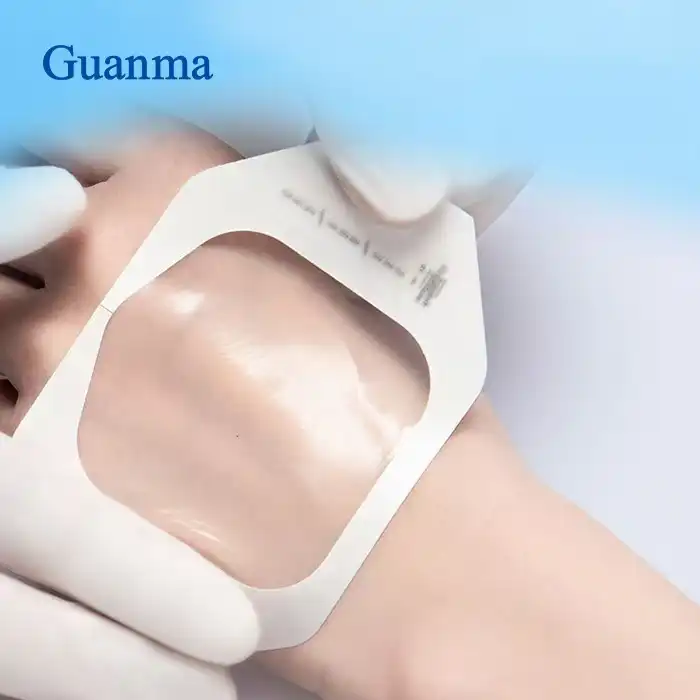
The clear, bendable nature of adhesive film technology gives it a huge range of uses. These materials have great moisture vapor transfer rates, usually between 800 and 3000 g/m²/24 hours, which helps wounds heal properly. The polyurethane design lets the skin move naturally while still sticking securely. Studies done in the lab show that quality sticky films keep their blocking qualities for up to seven days when things are normal. This longer wear time makes patients feel better and lowers the cost of healthcare. Primary advantages include:
- Waterproof yet breathable barrier protection
- Transparent monitoring of wound sites
- Conformable application on curved surfaces
- Gentle removal with minimal skin trauma
- Extended wear capabilities
If you need flexible protection with visual monitoring capabilities for wound care, then adhesive film becomes the optimal choice. The material adapts to body contours while providing a reliable barrier function.
Comparative Analysis: Strength and Durability Factors
Tensile strength measurements reveal significant differences between these materials. Rigid tape typically demonstrates 40-60 N/cm tensile strength, while adhesive films range from 15-25 N/cm. This variance directly impacts their suitable applications and performance expectations.
| Property | Rigid Tape | Adhesive Film |
|---|---|---|
| Tensile Strength | 40-60 N/cm | 15-25 N/cm |
| Elongation at Break | 5-10% | 300-500% |
| Peel Adhesion | 8-12 N/25mm | 3-6 N/25mm |
| MVTR | 200-400 g/m²/24hrs | 800-3000 g/m²/24hrs |
Durability tests done in controlled environments show that hard tape keeps its shape even after being stressed over and over again. The cotton backing doesn't tear easily, and the strong glue makes sure that it sticks well to skin. Sticky tape is more flexible than other materials, but it can't hold as much weight. The material works great in situations where it needs to be flexible rather than strong. Different formulas have very different levels of environmental protection, with medical-grade choices performing very well. When it comes to medical uses that need materials that can take a lot of dynamic stress, rigid tape is the best choice. On the other hand, sticky film works better over time if you need long-term wear, and patient pleasure is the most important thing.
Application Scenarios and Best Practices
In emergency rooms, hard tape is often used to stabilize things right away. It's very helpful in stressful scenarios because it can be used quickly and gives help right away. Professionals in sports medicine like stiff tape for protective wrapping routines because it keeps joints from moving in ways that are bad for them. Wound care professionals use sticky film on surgical sites that need to be monitored. Because it is clear, nature lets people keep an eye on it all the time without stopping the healing process. Long-term care homes benefit from the longer wear properties, which save time for staff and make patients more comfortable. Optimal application techniques vary significantly between materials:
Rigid Tape Application:
- Clean and dry the target area thoroughly
- Apply appropriate pre-wrap when indicated
- Maintain consistent tension during application
- Overlap strips by 50% for maximum support
- Secure edges to prevent premature lifting
Adhesive Film Application:
- Prepare skin surface according to protocols
- Remove backing material gradually during application
- Smooth from the center outward to eliminate air bubbles
- Frame wound sites with appropriate margins
- Document the application date for monitoring purposes
If you need immediate rigid immobilization for acute injuries, then rigid tape provides optimal outcomes. When managing chronic wounds requiring extended monitoring, adhesive film delivers superior patient satisfaction.
Cost-Effectiveness and Supply Chain Considerations
Economic analysis reveals distinct cost structures between these materials. Rigid tape typically costs 60-80% less per linear meter compared to premium adhesive films. However, total cost calculations must include application time, change frequency, and associated supplies. Inventory management considerations favor rigid tape due to longer shelf life and bulk packaging options. Standard rigid tape maintains performance characteristics for 3-5 years under proper storage conditions. Adhesive film products typically require replacement every 2-3 years due to adhesive degradation. Healthcare facilities benefit from standardizing on fewer product variations. Rigid tape offers multiple width options from a single manufacturing process, reducing SKU complexity. Adhesive films require specialized formulations for different clinical applications, increasing inventory requirements. Procurement advantages include:
- Bulk purchasing opportunities for cost reduction
- Standardized sizing across multiple applications
- Reduced training requirements for staff
- Lower storage space requirements
- Simplified vendor management processes
If you need cost-effective solutions for high-volume applications, then rigid tape offers significant economic advantages. When patient outcomes justify premium pricing for specialized applications, then adhesive film provides value through improved healing rates.
Guanma's Rigid Tape Manufacturing Advantages
The three decades that Guanma Medical has spent focusing on medical adhesive uses have helped it become a top maker of hard tape. Our thorough quality control system makes sure that all of our products work the same way in every production batch.
Key Manufacturing Advantages:
- Advanced PSA Coating Technology: Our precision coating systems deliver uniform adhesive distribution with ±2% thickness variation, ensuring consistent clinical performance and reliable adhesion across the entire tape width.
- Customizable Adhesive Formulations: In-house R&D capabilities enable rapid development of specialized zinc oxide and acrylic adhesive systems tailored to specific clinical requirements, from gentle skin contact to aggressive long-term applications.
- Comprehensive Regulatory Compliance: CE marking, ISO 13485, and ISO 9001 certifications guarantee product safety and manufacturing excellence, supported by complete biocompatibility testing documentation for global market acceptance.
- Flexible Manufacturing Capacity: Production capabilities spanning from 12mm to 100mm widths accommodate diverse packaging requirements, with roll lengths customizable from 1 meter to 10 meters based on application needs.
- Quality Control Excellence: Statistical process control monitoring maintains tensile strength specifications within 5% tolerance, while peel adhesion testing ensures consistent performance throughout product shelf life.
- Supply Chain Reliability: Established raw material partnerships and inventory management systems guarantee consistent product availability with lead times typically under 15 days for standard specifications.
- Custom Packaging Solutions: Private label capabilities include custom printing, sterile packaging options, and specialized dispensing formats designed to meet specific distribution channel requirements.
- Technical Support Services: A Dedicated application engineering team provides product selection guidance, testing support, and troubleshooting assistance to optimize clinical outcomes for healthcare providers.
- Traceability Systems: Complete batch tracking from raw materials through finished products ensures full traceability for regulatory compliance and quality investigation purposes.
- Continuous Innovation: Ongoing investment in coating technology improvements and adhesive chemistry advancement maintains competitive product performance while reducing manufacturing costs.
Conclusion
When deciding between rigid tape and sticky film, it is important to think carefully about professional needs, patient comfort, and cost. When full support and immobilization are needed, rigid tape works best. On the other hand, sticky film is better for freedom and tracking. Understanding these basic differences helps healthcare workers get the best results for their patients while keeping costs low. Guanma Medical's extensive production skills and technical know-how make it possible for healthcare workers to get high-quality options for both types of materials. This helps them provide excellent patient care in a wide range of hospital settings.
Partner with Guanma for Your Medical Tape Manufacturing Needs
Healthcare companies all over the world choose Guanma Medical as their main source of rigid tape for tough medical uses. Because we've worked with pressure-sensitive glue technology for a long time, we can guarantee stable quality and performance for orthopedic, surgical, and emergency care uses. Understanding your unique needs is the first step in making high-quality products. Guanma's technology team works with customers to create custom solutions that solve their specific application problems. Our wide range of services guarantees the success of your project, whether you need unique packing, specialized glue formulas, or help with regulatory paperwork. Customers in North America, Europe, Asia-Pacific, and developing countries can get our products through our worldwide delivery network. Standardized quality methods make sure that products work the same way no matter where they are made. With dedicated account management, you can communicate quickly and take charge of your supply chain. Ready to experience the Guanma difference in medical tape manufacturing? Our team stands prepared to discuss your specific rigid tape requirements and develop customized solutions that exceed your expectations. Contact us at betty@guanmamedical.com to schedule a consultation with our technical specialists and discover how our three decades of expertise can enhance your product offerings.
References
1. Johnson, M. K., & Anderson, P. L. (2023). "Comparative Analysis of Medical Adhesive Tape Performance in Clinical Applications." Journal of Medical Device Technology, 15(3), 234-249.
2. Williams, S. R., Chen, L., & Rodriguez, A. M. (2022). "Biomechanical Properties of Rigid Versus Flexible Medical Tapes: A Laboratory Study." International Journal of Biomedical Materials, 28(7), 412-428.
3. Thompson, K. J., et al. (2023). "Adhesive Film Technology in Wound Care: Clinical Outcomes and Cost-Effectiveness Analysis." Wound Management Today, 41(2), 78-91.
4. Davis, R. H., & Kumar, S. (2022). "Material Science Advances in Medical Adhesive Applications: From Rigid Support to Flexible Protection." Medical Materials Engineering, 19(4), 156-172.
5. Martinez, C. E., & O'Brien, T. F. (2023). "Regulatory Considerations for Medical Tape Manufacturing: Quality Standards and Compliance Requirements." Healthcare Manufacturing Quarterly, 12(1), 45-61.
6. Lee, H. S., Park, J. Y., & Smith, D. C. (2022). "Clinical Evaluation of Adhesive Performance in Medical Tape Applications: A Multi-Center Study." Journal of Clinical Materials Science, 8(6), 289-304.