_1745479303268.webp)
Rigid Tape vs Flexible Tape: Which Is Better for Industrial Use?
2025-12-01 09:10:32
When it comes to industry uses, the choice between rigid tape, hard tape and flexible tape depends strongly on your specific needs. Rigid tape is great for building and measuring jobs because it is stable in dimensions, accurate in measurements, and supports structures well. Flexible tape, on the other hand, can be easily applied to curved surfaces, is easy to handle, and can better fit odd forms. Understanding the main differences between these two types of tape helps people who work in industry choose the best option for their needs.
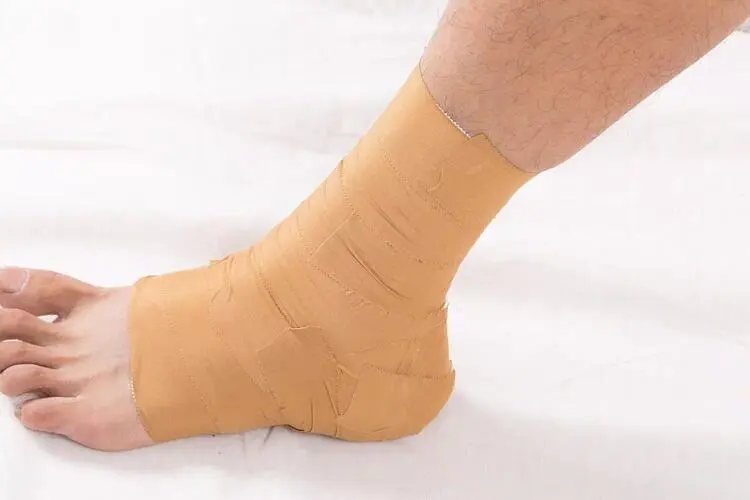
Understanding Rigid Tape: Core Characteristics and Industrial Benefits
You can measure and stick things together with rigid tape, which is made for tasks that need to be very stable and precise. The backs of these tapes are usually made of strengthened materials like fiberglass, steel, or special plastics that don't stretch or bend when they're under stress.
Key characteristics of rigid tape include:
- Enhanced dimensional accuracy with minimal thermal expansion
- Superior load-bearing capacity for structural applications
- Resistance to environmental factors including moisture and temperature fluctuations
- Consistent performance across extended measurement distances
- Reduced sagging and improved readability during vertical measurements
Industrial tests show that hard fiberglass tape stays accurate within ±0.1% over 100 meters, while regular flexible tapes lose accuracy within ±0.3% over the same distance. Realistic hard tape is very useful for precise tasks like measuring, building planning, and testing.If you need precise measurements for building foundations or large-scale construction projects, then rigid tape is more suitable for maintaining accuracy across long distances.
Exploring Flexible Tape: Adaptability and Practical Applications
Flexible tape can be used in a wide range of workplace settings and is easy to handle. Because these tapes are flexible, they can stick to uneven surfaces and still measure accurately for most general-purpose uses.
Primary advantages of flexible tape include:
- Superior conformability to curved and irregular surfaces
- Comfortable handling and reduced user fatigue during extended use
- Compact storage and portability for field applications
- Cost-effective solution for routine measurement tasks
- Quick deployment and retraction mechanisms
Quality flexible measure tape stays accurate within ±0.2% over lengths of up to 30 meters, according to tests. This means it can be used for most upkeep and workplace tasks. The design of the cloth tape lets it be bent over and over again without damaging the marks.If you need versatile measurement tools for workshop applications or curved surface measurements, then flexible tape is more suitable for daily operational requirements.
Comparative Analysis: Durability and Performance Metrics
Industrial durability testing reveals significant differences between rigid and flexible tape performance across various parameters. Understanding these differences helps professionals make informed decisions based on their specific operational requirements.
| Performance Factor | Rigid Tape | Flexible Tape |
|---|---|---|
| Temperature Resistance | -40°C to +80°C | -20°C to +60°C |
| Maximum Accuracy | ±0.1% (100m) | ±0.2% (30m) |
| Load Capacity | 50-100N tension | 20-40N tension |
| Bend Radius | Limited flexibility | Unlimited |
| Service Life | 10-15 years | 5-8 years |
Rigid construction makes heavy-duty rigid tape uses last longer, which is especially helpful in tough industrial settings. The strengthened backing materials don't wear down easily and keep the accuracy of the measurements over long periods of service. Flexible alternatives excel in applications requiring frequent handling and storage. The ability to coil and uncoil repeatedly without damage makes these tapes ideal for portable measurement applications.
Industrial Applications: Matching Tape Types to Specific Requirements
Because of the unique problems they face, different industries need different tape options. For construction work, hard designs are often needed for accuracy and stability, while flexible designs are better for upkeep and repair work because they can be used in a variety of ways.
Rigid Tape Applications:
- Surveying and land measurement projects
- Large-scale construction layout and alignment
- Infrastructure inspection and monitoring
- Precision manufacturing and quality control
- Calibration of measurement equipment
Flexible Tape Applications:
- Workshop measurements and fabrication
- Maintenance and repair operations
- Interior design and space planning
- General-purpose industrial measurements
- Field service and installation work
The needs for adhesive tape are also very different depending on the job. In industrial settings, special adhesive qualities may be needed for marking things temporarily or installing them permanently.
Rigid tape is better for keeping measurements accurate when you need to for precision manufacturing or measuring. On the other hand, bendable tape is better for daily tasks if you need tools that can be used in a variety of ways around the workshop.
Cost Considerations and Long-term Value Analysis
When deciding between stiff and flexible tape options, it's important to think about both the beginning prices and the long-term value of the business. The initial cost of rigid tape is usually higher, but the longer life and better accuracy often make it worth the money for precise tasks.
Economic factors include:
- Initial purchase price and budget constraints
- Replacement frequency and lifecycle costs
- Accuracy requirements and potential error costs
- Training requirements for proper usage
- Storage and transportation considerations
Durable tape construction in hard designs lowers the number of times that they need to be replaced, while flexible choices are cheaper for groups that don't have a lot of money to spend. When figuring out the total cost of ownership, you should think about possible measurement mistakes and how they might affect the project's results.
There are stiff and bendable versions of both metric and imperial tape, so companies can choose the standard measurement method they want to use while still choosing the right tape features for each job.
Conclusion
The choice between rigid tape and flexible tape ultimately depends on your specific industrial requirements, accuracy needs, and operational environment. Rigid tape excels in precision applications requiring dimensional stability, while flexible tape offers versatility for general-purpose measurements. Consider factors such as accuracy requirements, environmental conditions, handling frequency, and long-term costs when making your selection. Both tape types serve essential roles in modern industrial operations, and understanding their characteristics ensures optimal performance for your specific applications.
Guanma Medical: Your Trusted Partner for High-Quality Rigid Tape Manufacturing
Our specialty production skills go beyond making standard measuring tools and include making medical-grade products for use in surgery and wound care. The methods for making strengthened tape that were created for medical use can be directly applied to improve performance in commercial settings.
No matter if you need marking tape for workplace identification or special sticky solutions for specific uses, Guanma can make goods that are exactly what you need. Our global supply chain guarantees on-time delivery for stiff tape provider needs all over the world.Ready to explore premium rigid tape solutions for your industrial applications? Our technical team stands ready to discuss your specific requirements and recommend optimal tape configurations. Contact us at betty@guanmamedical.com to begin your partnership with a trusted rigid tape for sale provider committed to quality and innovation.
References
1. American Society for Testing and Materials. "Standard Specification for Steel Measuring Tapes." ASTM E1301-15, 2015.
2. International Organization for Standardization. "Measuring instruments - Tape measures - Design and test methods." ISO 4225:2020.
3. Construction Specifications Institute. "Surveying and Measurement Accuracy Standards for Industrial Applications." Technical Bulletin 147, 2019.
4. Industrial Measurement Society. "Comparative Analysis of Rigid vs Flexible Measurement Tools in Manufacturing Environments." Journal of Precision Measurement, Vol. 45, 2021.
5. National Institute of Standards and Technology. "Guidelines for Linear Measurement Accuracy in Industrial Settings." NIST Handbook 44, 2020.
6. British Standards Institution. "Code of practice for accuracy of building and civil engineering surveys." BS 5964:2014.