_1745479303268.webp)
Silicone Scar Tape for Burn Recovery and Long-Term Skin Care
2025-12-13 08:59:13
Silicone scar tape serves as an effective adjunct in burn recovery and long-term skin care. This advanced wound dressing is composed of medical-grade silicone, providing a breathable, flexible barrier that fosters optimal healing conditions. By maintaining moisture balance and shielding sensitive skin from external irritants, silicone scar tape helps reduce the appearance of scars and improves overall skin texture. Its skin-toned color and hypoallergenic silicone adhesive make it suitable for diverse clinical and home care applications, embodying a trusted choice among medical professionals and patients alike.
Understanding Silicone Scar Tape
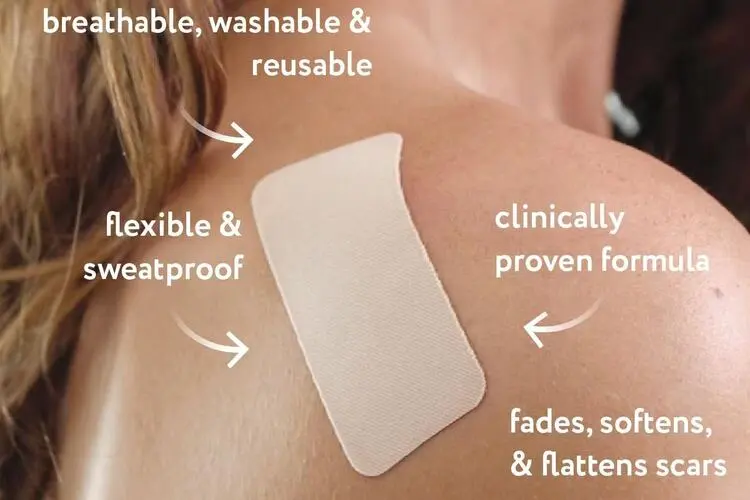
Silicone scar tape is designed specifically to support the healing of burn wounds and manage lingering scar tissue through sustained application. Made from medical-grade silicone, it acts as a soft, conformable barrier over healing skin. This protective layer maintains optimal moisture levels at the wound site, which is critical in encouraging natural repair mechanisms of the skin and preventing scar tissue from becoming overly thick or discolored. By offering a gentle adhesive that adheres securely without causing irritation, it supports comfortable extended wear.
Its skin-tone coloration adds discreetness, particularly important for visible areas of the body, while the silicone material ensures breathability and flexibility. These attributes combine to create a dressing that patients can tolerate well, promoting adherence to treatment protocols. The medical-grade certification — including CE marking and ISO13485 compliance — affirms the product’s safety and consistent manufacturing quality.
How Silicone Scar Tape Works
The functional core of silicone scar tape is its ability to create a microenvironment favorable for wound healing. Silicone’s semi-occlusive nature allows skin to breathe while preventing moisture loss, which softens scars and limits excessive collagen buildup. This moisture retention reduces scar thickness and alleviates redness and itching commonly associated with healing burns or surgical wounds.
By blocking out irritants such as bacteria and friction from clothing, the tape lowers the risk of inflammation and secondary injury. Over time, this protective environment enhances the remodeling phase of skin repair, helping restore a smoother, more even skin surface.
Comparing silicone scar tape with silicone gels reveals unique benefits: while gels require daily application and can be messy, tapes provide a convenient, durable solution for continuous treatment lasting up to several days per application. Clinical studies support silicone therapy’s efficacy in improving scar appearance, with some research demonstrating that silicone-based products reduce hypertrophic scars and keloids by up to 40% in volume and redness.
Choosing the Right Silicone Scar Tape
Selection of appropriate scar management products depends heavily on the scar type, location, and patient-specific factors. Silicone scar tape works well on burns, surgical scars, and traumatic wounds, especially when early intervention is possible. For older scars and keloids, longer-term application or combined treatment modalities may be needed.
Between silicone tapes and sheets, tapes often offer enhanced convenience and adaptability to smaller or contoured anatomical regions because of their pre-cut widths—commonly available in 2cm, 2.5cm, and 4cm sizes, with lengths varying from 1.5m to 3m. Sheets, however, cover broader areas and may be preferable for larger scars.
User testimonials frequently emphasize the tapes’ comfort and low profile under clothing, making them ideal for patients who require discreet yet effective scar therapy. Case studies reveal improved compliance and satisfaction rates when patients have access to versatile options that fit their lifestyle and clinical needs.
Application and Usage Guidelines
Successful scar management depends on consistent and proper application. The following steps help optimize treatment outcomes:
- Start with clean, dry skin — gently cleanse the scar and surrounding area before applying the tape to ensure secure adhesion.
- Cut the tape to the desired length, rounding edges to reduce peeling.
- Apply with gentle pressure, smoothing out any wrinkles or bubbles to maintain even contact.
- Wear the tape for 12 to 24 hours daily, replacing every 3 to 7 days depending on skin sensitivity and hygiene.
- Monitor the skin for signs of irritation or allergic reaction, discontinuing use if discomfort arises.
Experts often recommend continuous use of Silicone Scar Tape for a minimum of 8 to 12 weeks to witness visible improvements, though individual healing rates vary. Longer-term use of Silicone Scar Tape can sustain scar maturation and tone correction. The silicone adhesive of Silicone Scar Tape is formulated to allow painless removal and reapplication without skin trauma.
Purchasing Silicone Scar Tape
When sourcing silicone scar tape, healthcare providers and distributors must evaluate suppliers for product authenticity, certification, and supply capabilities. Wholesale purchasing options offer considerable cost savings for bulk orders serving hospitals, clinics, and rehabilitation centers.
Reputable suppliers typically maintain transparent pricing and provide sample products to facilitate clinical evaluation. Combining adherence to CE and ISO13485 standards with robust inventory ensures rapid fulfillment and ongoing product availability, critical for patient care continuity.
Brand Insights and Supplier Information
Market leaders such as 3M and ScarAway have established strong reputations for their silicone-based scar therapy lines by investing heavily in research and clinical validation. Their products demonstrate proven efficacy across various scar types and frequently receive positive endorsements from dermatologists and burn specialists.
Beyond these majors, emerging manufacturers focusing on customization, production scale, and advanced silicone coating technologies offer competitive alternatives. Suppliers with a GMP-certified manufacturing base, mature R&D teams, and comprehensive product certifications deliver dependable, high-quality tapes suitable for professional and home use.
For decision-makers seeking a one-stop sourcing partner with scalable capacity, understanding these supply chain dynamics enhances procurement strategy, ensuring patients benefit from consistent, safe scar management solutions.
Company Introduction and Product Services
Our company specializes in producing premium silicone scar tape products tailored to meet clinical and home care needs for burn recovery and long-term skin maintenance. Leveraging a GMP-certified factory, advanced silicone adhesive technologies, and rigorous quality controls, we offer wound dressings available in widths of 2cm, 2.5cm, and 4cm, with lengths of 1.5m and 3m. All products feature skin-tone coloring to maximize patient comfort and discretion. Our silicone adhesive ensures secure yet gentle adhesion suitable for sensitive skin, backed by CE and ISO13485 certification. We prioritize customer satisfaction and supply reliability with large inventory reserves and scalable manufacturing capabilities designed to support healthcare providers and distributors worldwide.
FAQ
Q: Can silicone scar tape be reused?
A: Typically, silicone scar tape is designed for single-use until it loses adhesion or becomes soiled. Reusing beyond recommended wear times can compromise its effectiveness and hygiene. However, within the tape's functional lifespan of 3 to 7 days per application, it remains effective and safe.
Q: How does silicone scar tape compare to other scar treatments?
A: Silicone scar tape offers advantages over creams and gels by providing continuous occlusive therapy without the need for multiple daily applications. It maintains moisture and protects scars from external irritants, leading to improved patient compliance. Clinical evidence suggests superior outcomes for hypertrophic and burn scars compared to non-occlusive dressings.
Q: Are there any side effects or risks associated with silicone scar tape?
A: Silicone scar tape is generally well-tolerated. Adverse effects are rare but may include mild skin irritation, redness, or allergic reaction, especially in individuals with sensitive skin. It’s advisable to test the tape on a small area before prolonged use, and discontinue if adverse symptoms occur.
Conclusion
Silicone scar tape represents a scientifically validated, patient-friendly solution for managing burn recovery and improving scar appearance over the long term. Its medical-grade silicone construction promotes hydration and protection, crucial for effective skin remodeling. With versatile sizing options and certified quality adherence, it addresses the diverse requirements of healthcare facilities and home care environments alike. Investing in reliable silicone scar tape facilitates better patient outcomes and enhanced satisfaction, supported by innovation and expert manufacturing standards.
Where to Buy Silicone Scar Tape
To acquire high-quality silicone scar tape suited for burn recovery and long-term skin care, consider Guanma Packaging. We combine extensive product knowledge, advanced R&D, and certified quality controls to serve hospitals, clinics, and distributors globally. Our silicone scar tape line features multiple widths and lengths, using premium silicone adhesive and materials that conform to international safety standards. For purchasing inquiries or detailed product information, please contact us at betty@gmself-adhesive.com. Our team looks forward to assisting you with your scar management product needs.
References
1. Mustoe TA, Cooter RD, Gold MH, et al. International clinical recommendations on scar management. Plastic and Reconstructive Surgery. 2002.
2. O'Brien L, Pandit A. Silicone gel sheeting for preventing and treating hypertrophic and keloid scars. Cochrane Database of Systematic Reviews. 2014.
3. Gold MH, Berman B, Clementoni MT. Updated international clinical recommendations on scar management: Part 2—algorithms for scar prevention and treatment. Dermatologic Surgery. 2014.
4. Karoo RO, McLean NR, Kerawala CJ, et al. Silicone gel sheets in the treatment of hypertrophic scars and keloids. British Journal of Oral and Maxillofacial Surgery. 1993.
5. James WS, Schilling RG. Silicone gel sheeting for hypertrophic scars. Journal of Plastic, Reconstructive & Aesthetic Surgery. 1997.
6. Augustine D, McPhail S. The role of silicone in scar management: A review of clinical evidence. Journal of Wound Care. 2019.