_1745479303268.webp)
Silicone Scar Tape: How It Works to Flatten and Fade Scars?
2025-12-05 08:47:14
Silicone scar tape offers an innovative approach to scar management by utilizing silicone's proven properties to flatten and fade scars effectively. This medical-grade tape forms a breathable, protective layer over scarred skin, maintaining optimal moisture balance that helps regulate collagen production. Through this mechanism, silicone scar tape not only reduces the height and redness of scars but also promotes smoother, less noticeable skin restoration. Trusted widely in clinical settings, this tape addresses concerns from surgical scars to hypertrophic and keloid scars with consistent results.
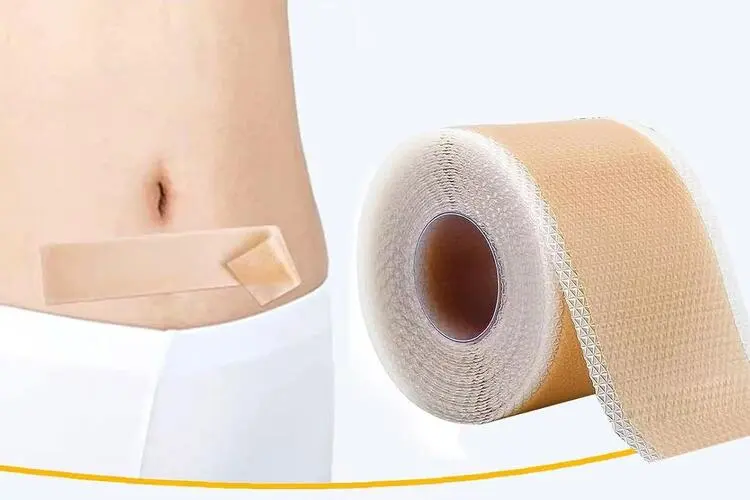
Understanding Silicone Scar Tape
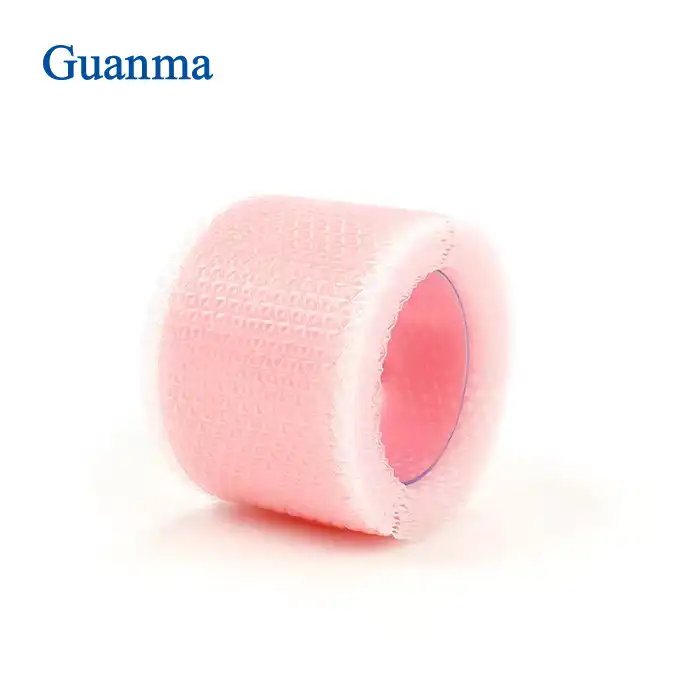
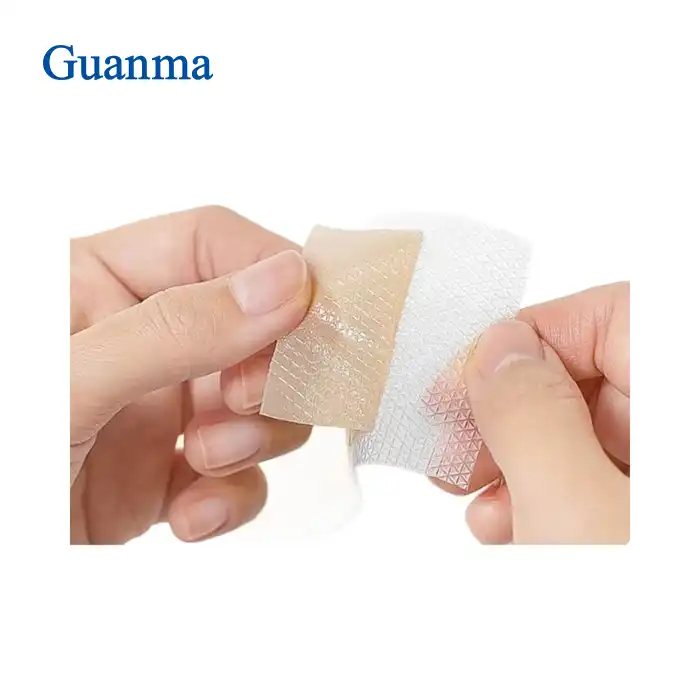
Silicone scar tape functions as a specialized wound dressing engineered to improve scar aesthetics and skin healing. The primary material is medical-grade silicone, paired with a silicone-based adhesive designed for secure yet gentle adhesion to the skin. Its silicone composition plays a critical role by creating a semi-occlusive barrier that retains moisture, preventing scar dehydration, which can exacerbate scar tissue formation.
By locking in moisture, silicone scar tape modifies the scar microenvironment, which in turn inhibits the overproduction of collagen fibers — the main cause of raised and thickened scars. This dynamic helps flatten scars and fades their discoloration over time, resulting in a softer skin texture. Additionally, the tape's breathability permits oxygen exchange, minimizing discomfort and allowing the skin to breathe, reducing risks of maceration or irritation.
Common dimensions and variations from manufacturers include widths of 2 cm, 2.5 cm, and 4 cm, with lengths typically available in 1.5 m and 3 m rolls to accommodate various scar sizes and locations. The discreet skin-tone color ensures ease of wear under clothing, enhancing patient adherence. Certified under CE and ISO13485 standards, these tapes meet stringent quality and safety benchmarks essential for healthcare providers.
Benefits of Using Silicone Scar Tape
Silicone scar tape delivers multiple therapeutic benefits that cater to both patients and healthcare professionals. It adapts to diverse scar types such as surgical wounds, burn scars, acne scars, and keloids, providing an effective, non-invasive management option. Its key benefits include:
- Consistent Scar Softening and Flattening: Continuous use supports remodeling of collagen fibers, easing the scar's raised structure and helping integrate it with surrounding skin.
- Coloration Improvement: The tape minimizes vascularization in scars, reducing redness and pigmentation to blend scars more naturally with adjacent skin tones.
- Comfort and Breathability: With its silicone adhesive, it securely adheres without irritating sensitive or fragile skin, remaining comfortable enough for extended daily wear.
- Prevention of Scar Reformation: By maintaining a hydrated state, silicone scar tape reduces itchiness and tightness that often lead to scratching and scar disruptions.
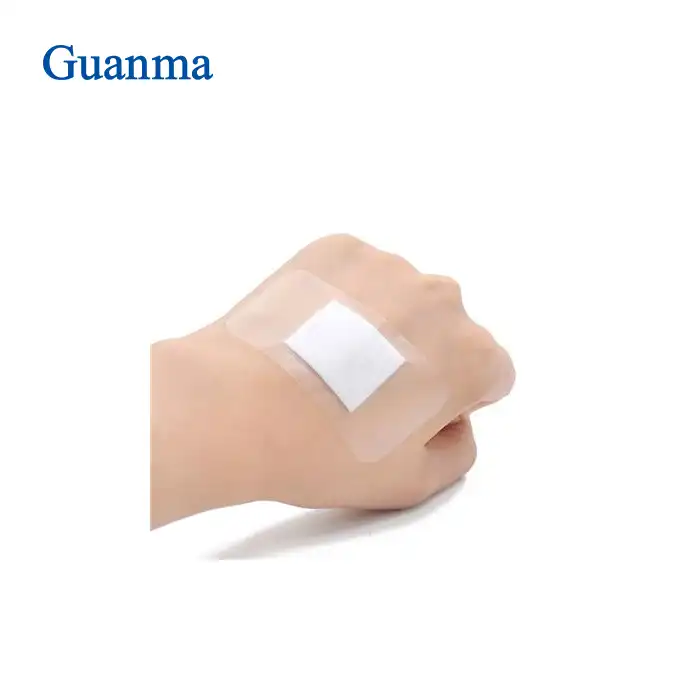
- Ease of Application: The tape is cuttable and flexible, suitable for varied body contours and accessible for both clinical use and home wound care.
Patient testimonies emphasize enhanced self-confidence and improved skin feel after sustained treatment, illustrating a positive impact on quality of life. Clinicians also note its non-staining property and durability as advantageous for long-term healing protocols.
Comparing Silicone Scar Tape Options
Choosing the right silicone scar tape involves assessing product features, adhesion quality, and clinical efficacy. Industry leaders such as 3M’s silicone scar tape provide reliable, medical-grade options known for gentle adhesion and skin compatibility. Similarly, ScarAway’s silicone scar tape caters to diverse patient needs with proven effectiveness in randomized clinical trials.
Compared to alternative scar therapies, silicone scar tape offers distinct advantages:
- Silicone Gel Sheets vs. Silicone Scar Tape: While sheets are effective, tapes allow more flexibility and ease for mobile areas like joints, providing continuous adherence without slipping.
- Scar Gels and Creams: Though beneficial, topical gels often require frequent reapplication and may not maintain moisture as effectively as silicone tape.
- Ointments and Dressings: These may occlude wounds excessively, leading to skin maceration; silicone scar tape's permeability prevents this risk.
Among these options, silicone scar tape is frequently praised for balancing therapeutic benefits with practicality, making it a preferred choice in hospital, rehabilitation, and home care environments.
Purchasing Silicone Scar Tape
Acquiring silicone scar tape should consider factors beyond price, such as product authenticity, certification, and supplier reliability. Bulk purchasing deals may offer cost-efficiency for healthcare facilities and distributors. Potential buyers should prioritize suppliers with GMP-certified factories and well-documented quality management systems, guaranteeing product consistency and safety compliance.
Leading distributors and manufacturers provide direct online ordering to enhance procurement speed and traceability. When evaluating options, clients should look for CE and ISO13485 certification to ensure compliance with international medical device standards. Guanma Packaging stands out with a mature R&D team, a large inventory, and scalable production capacity that meets large-scale demand swiftly without compromising quality.
Silicone Scar Tape for Specific Needs
The versatility of silicone scar tape extends to various patient demographics and scar conditions. This flexibility ensures treatment is inclusive, addressing specific requirements such as:
- Sensitive Skin: The hypoallergenic silicone adhesive minimizes irritation, suitable for delicate or compromised skin areas.
- Children and Pediatrics: Smaller width options and gentle adhesion promote safe use for young patients prone to sensitive reactions.
- Facial Scars: Slimmer tapes (2 cm or 2.5 cm widths) are discreet and adaptable to facial contours, facilitating everyday wear.
- Burn and Surgical Scars: Longer tape lengths enable coverage of more extensive scars, delivering consistent hydration and mechanical support.
Clinical studies demonstrate that scars subjected to tailored silicone tape therapy show significant reductions in height and discoloration within weeks of initiation. These results underline silicone scar tape's adaptability and efficacy across multiple scar types and patient profiles.
Company Information and Product Services
Guanma Packaging is dedicated to the development and production of premium silicone scar tape formulated to meet stringent medical standards. Our GMP-certified manufacturing facility integrates advanced coating technology ensuring uniformity in adhesive strength and tape softness. Through our ISO13485 certification, we guarantee our products fulfill rigorous regulatory requirements, supporting global healthcare provision.
Our comprehensive product range suits various medical applications, from surgical wound care to sports rehabilitation. Clients benefit from customizable adhesive properties, multiple dimension options, and skin-colored materials that enhance patient compliance. Backed by extensive R&D expertise, Guanma Packaging delivers scalable and reliable supply solutions tailored to B2B healthcare needs worldwide.
Conclusion
Silicone scar tape represents a scientifically supported and practical solution for scar management. By leveraging silicone’s unique properties, it encourages flattening, fading, and softening of various scar types while prioritizing comfort and skin integrity. With certifications like CE and ISO13485 underpinning quality, and a range of customizable options, silicone scar tape from reputable manufacturers like Guanma Packaging meets the discerning needs of hospitals, clinics, rehabilitation centers, and home care providers alike. Adopting this innovative wound dressing can significantly enhance patient outcomes and satisfaction in scar treatment practices.
Guanma Packaging offers high-quality silicone scar tape that adheres to stringent safety and performance standards. Our product range includes widths of 2 cm, 2.5 cm, and 4 cm, with lengths of up to 3 meters, all designed to provide reliable adhesion and optimal breathability. To inquire about bulk orders or customized options, contact us at betty@gmself-adhesive.com. We pride ourselves on dependable supply chains, extensive inventory, and responsive customer service, ensuring that your procurement process is seamless and trustworthy.
FAQ
Q: How exactly does silicone scar tape help in flattening and fading scars?
A: Silicone scar tape maintains an optimal hydration level in scar tissue, which regulates fibroblast activity responsible for collagen overproduction. It also forms a protective barrier that minimizes external irritants, thereby fostering a scar environment conducive to normal healing and appearance improvement.
Q: Is silicone scar tape safe for sensitive or fragile skin?
A: Yes, silicone scar tape uses hypoallergenic silicone adhesive, which is gentle on delicate skin. It reduces the risk of allergic reactions and irritation, making it suitable for sensitive skin, children, and patients with compromised skin integrity.
Q: Can silicone scar tape be used alongside other scar treatments?
A: Silicone scar tape can be used in combination with treatments such as steroid injections or laser therapy under medical supervision. However, it is generally recommended as a standalone therapy due to its proven efficacy and ease of application.
References
1. Mustoe TA, Cooter RD, Gold MH, et al. International clinical recommendations on scar management: Best practice guidance. Dermatol Surg.
2. Gold MH, Goldman MP. Treatment of hypertrophic scars and keloids with silicone gel sheeting. Postgraduate Medical Journal.
3. Vicenzi M, Lupattelli T, Panight S. Effectiveness of silicone-based products in scar therapy: A clinical review. Journal of Clinical Dermatology.
4. O’Brien L, Jones DJ. Silicone gel sheeting for preventing and treating hypertrophic and keloid scars. Cochrane Database Syst Rev.
5. Bullock AJ, Ferguson MWJ. Scar management in reconstructive surgery: A review of scar therapies including silicone-based dressings. Plastic and Reconstructive Surgery.
6. Lew DP, Waldvogel FA. Osteomyelitis and wound healing: Role of topical therapies including silicone dressings. The Lancet Infectious Diseases.