_1745479303268.webp)
Surgical Paper Tape: The Key to Minimizing Scarring?
2025-12-03 09:01:39
Surgical paper tape plays an essential role in wound care management, particularly in minimizing scarring after surgical procedures. Due to its lightweight, breathable, and hypoallergenic construction, surgical paper tape offers gentle yet reliable adhesion that supports proper wound healing without causing additional skin damage. Its design allows proper airflow to the skin, reducing moisture buildup that can compromise healing and increase scar formation. For healthcare providers focused on delivering patient comfort while promoting optimal recovery, surgical paper tape is a trusted tool that contributes significantly to reducing post-operative scarring.
Understanding Surgical Paper Tape
What is Surgical Paper Tape?
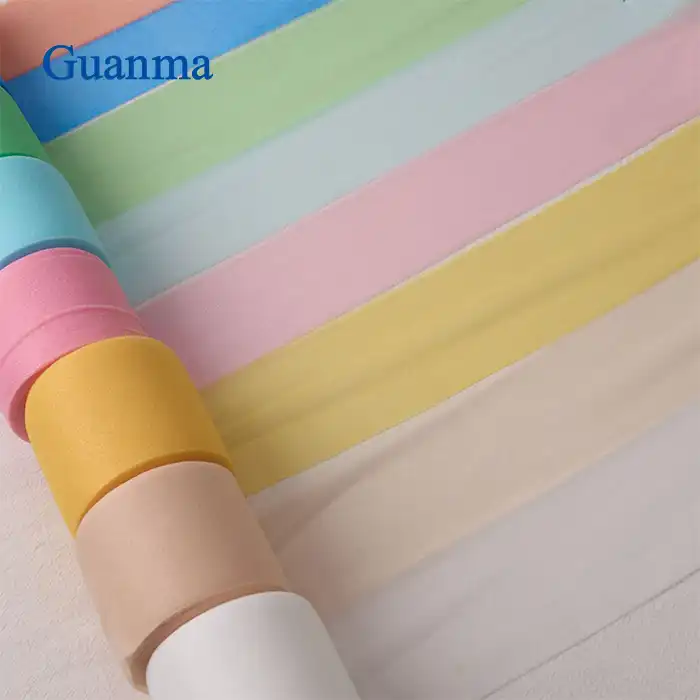
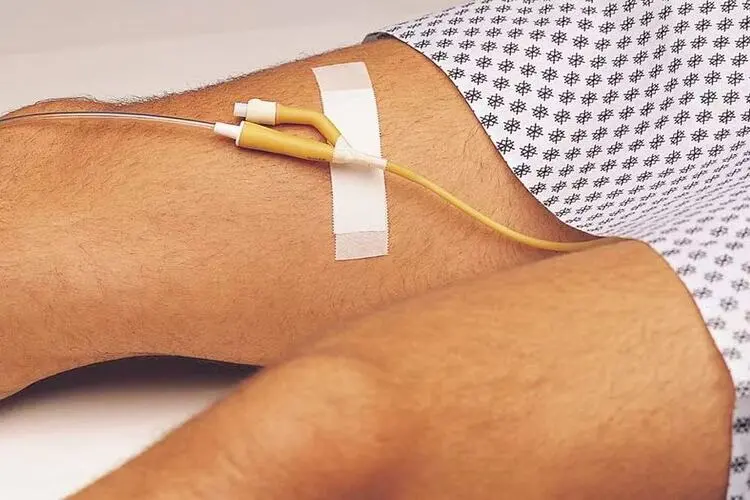
Surgical paper tape is a medical-grade adhesive tape made from nonwoven paper material with an acrylic pressure-sensitive adhesive backing. This composition makes it both lightweight and breathable, allowing the skin to remain ventilated. These qualities are vital for patients with sensitive or allergy-prone skin. Commonly seen in hospitals, clinics, and home care settings, surgical paper tape secures dressings, bandages, intravenous lines, and other medical devices. Its hypoallergenic nature significantly lowers the likelihood of skin irritation or allergic reactions, enhancing patient comfort during recovery. The tape typically comes in white or brown and is available in various sizes such as 1.25cm, 2.5cm widths, and 5m by 9.14m lengths, meeting diverse clinical requirements. Visual aids illustrating its application demonstrate its adaptability in wound management.
Benefits of Using Surgical Paper Tape
The benefits of surgical paper tape extend beyond simple adhesion. Its breathable design prevents skin maceration, a common factor that worsens scarring. Gentle adhesion secures dressings firmly without damaging delicate or healing skin upon removal, which is crucial in sensitive post-operative areas. Multiple clinical reports and user testimonials underline the tape’s efficacy in minimizing scar tissue formation by providing balanced tension across the wound site. Because the tape allows air circulation, it maintains a healthier skin environment promoting natural repair mechanisms. These benefits translate into enhanced patient outcomes, particularly when extended wear is required. Healthcare professionals value this tape for its reliability and patient-friendly features that elevate wound care standards.
Comparing Surgical Paper Tape with Other Options
Surgical Paper Tape vs. Cloth Tape
In clinical use, surgical paper tape and cloth tape serve overlapping but distinct roles. Cloth tape is renowned for its rugged durability and strong adhesion, typically favored when high mechanical strength is necessary. However, cloth tape often compromises breathability and softness, which can irritate sensitive skin. Surgical paper tape, by contrast, emphasizes gentleness and breathability. It conforms comfortably to body contours and is less invasive to delicate post-surgical skin, reducing the risk of inflammation or blistering. Both tapes have situational benefits—cloth tape excels in securing heavy dressings or in high-movement areas, whereas surgical paper tape provides superior comfort and scar prevention on fragile skin surfaces. A detailed comparison chart illustrating tensile strength, breathability, and skin-friendliness helps guide product selection based on intended application.
Surgical Paper Tape vs. Silicone Tape
Silicone tape offers advantages such as flexibility, water-resistance, and enhanced durability, making it popular for long-term scar management and frequent dressing changes. Compared to surgical paper tape, silicone tape maintains adhesion under moisture better and can reduce skin trauma during removal even further. Nevertheless, surgical paper tape remains a more economical choice without sacrificing breathability and patient tolerance for everyday medical taping. Hospitals and clinics often select surgical paper tape for general wound care and short-term applications while reserving silicone tape for specialized scar treatment or fragile skin cases requiring gentle removal. Data from clinical evaluations support these nuanced uses, providing insights on tape retention rates and patient skin reactions under different conditions.
How to Use Surgical Paper Tape Effectively
Applying Surgical Paper Tape Correctly
Proper application of surgical paper tape ensures maximum benefit and scar minimization. Start by cleansing the skin and ensuring it is dry and free from oils, lotions, or powders that may interfere with adhesion. Tear an appropriate length of tape using ease-tear features to avoid the need for scissors, improving efficiency. Gently place the tape over the dressing or wound area, avoiding excessive stretching of the tape to prevent skin tension that may exacerbate scarring. Smooth the tape inward from center to edge to secure firm yet gentle adhesion. Instructional videos or diagrams can be helpful in training healthcare workers for consistent application techniques.
Removal Tips for Surgical Paper Tape
Safe removal practices are essential to preserve skin integrity and prevent irritation or additional tissue trauma. Peel the Surgical Paper Tape slowly and steadily by pulling it parallel to the skin surface rather than upward, which can damage fragile or healing skin. When necessary, moistening the Surgical Paper Tape edge with saline or adhesive remover can facilitate gentler detachment. Using these techniques prevents unnecessary discomfort and potential inflammatory responses that might lead to worsened scarring. Patient education on Surgical Paper Tape removal is equally important to ensure effective home care.
Selecting the Right Surgical Paper Tape
Top Surgical Paper Tape Brands
Leading brands such as 3M, Johnson & Johnson, and Smith & Nephew have been at the forefront of surgical tape innovation. Each brand offers distinct features: 3M surgical tapes are celebrated for their advanced adhesive technology combined with breathability, Johnson & Johnson emphasizes patient comfort with hypoallergenic designs, and Smith & Nephew focuses on specialized tapes for post-operative care with added durability. Depending on clinical needs—ranging from routine dressing fixation to complex wound management—healthcare providers may select products based on adhesive strength, ease of removal, and skin compatibility. Brand comparison tables highlighting these features provide a practical decision-making tool for clinical procurement.
Cost and Purchase Considerations
Budget constraints and supply reliability are often decisive in selecting surgical paper tape products. Bulk purchase options from reputable suppliers can reduce costs while ensuring inventory stability for high-demand clinical environments. Online purchasing offers convenience, but supplier credibility and certification (such as CE and ISO13485) must be verified to maintain safety standards. Local suppliers may provide faster delivery but possibly at higher prices. A transparent comparison of price ranges across distributors, combined with product quality information, supports informed procurement processes suitable for hospitals, rehabilitation centers, and pharmacies alike.
Surgical Paper Tape for Sensitive Skin
Properties Suitable for Sensitive Skin
Surgical paper tape is engineered for hypoallergenic performance, offering a critical solution for patients with sensitive or allergy-prone skin. Its acrylic pressure-sensitive adhesive does not contain latex, eliminating common allergy triggers. Clinical studies show this tape minimizes erythema, itching, and contact dermatitis compared to traditional adhesive tapes. The breathable paper backing allows moisture vapor permeability, reducing conditions that often exacerbate skin irritation. Reviews from patients with delicate skin confirm increased comfort and reduced incidence of adverse skin reactions, making it a preferred choice in neonatal, geriatric, and burn care settings.
Alternatives for Sensitive Skin
Alternatives such as silicone-based tapes or specialized fabric tapes offer additional options for heightened sensitivity cases. Silicone tapes provide gentle adhesion with minimal trauma during removal, suitable for repetitive dressing changes. However, their cost is generally higher than surgical paper tapes. Choosing tape alternatives should be based on patient-specific conditions, wound type, and clinical recommendations. Comparative infographics highlighting adhesive properties, breathability, and allergy risk help clinicians tailor wound care plans effectively.
Zhejiang Guanma Medical: Your Trusted Partner in Medical Supplies
At Zhejiang Guanma Medical, our expertise lies in delivering premium surgical paper tape products designed to meet the stringent demands of medical professionals. With a mature R&D team and GMP-certified production facilities, we maintain exceptional quality control and compliance with CE and ISO13485 standards. Our surgical paper tape features a breathable nonwoven paper backing and acrylic adhesive, available in white and brown options suitable for diverse clinical applications. We offer multiple sizes and customizable solutions, including private labeling and packaging, to ensure your specific needs are met. Our commitment to innovation, reliability, and customer satisfaction has earned us trust among hospitals, clinics, rehabilitation centers, and home care providers worldwide.
Experience the efficiency and comfort of our surgical paper tape that supports secure adhesion without compromising skin health. Reach out to us for sample requests, product inquiries, or to explore customized medical adhesive solutions tailored for your facility.
Conclusion
Surgical paper tape serves as a vital element in modern wound care, balancing reliable adhesion with gentle skin support to minimize scarring effectively. Its breathable, hypoallergenic design ensures patients experience fewer irritations, promoting healthier skin healing environments. Comparing surgical paper tape to other adhesive options highlights its unique value in cases requiring comfort and scar prevention. Through proper application and safe removal practices, healthcare providers can maximize outcomes in post-operative recovery and everyday medical dressings. Zhejiang Guanma Medical’s commitment to quality, customization, and global supply reliability ensures access to superior surgical paper tapes that support clinical excellence and patient satisfaction.
Where to Buy Surgical Paper Tape
Zhejiang Guanma Medical offers premium surgical paper tape suitable for various medical applications with certifications including CE and ISO13485. Our advanced manufacturing and quality assurance ensure every roll meets healthcare standards for safety and performance. To explore our range of surgical paper tape products or to request samples and custom orders, please contact us at betty@gmself-adhesive.com. Experience superior wound care adhesion that minimizes scarring and supports patient comfort with Guanma Packaging today.
FAQ
Q: What makes surgical paper tape different from regular adhesive bandages?
A: Surgical paper tape is constructed from specialized breathable nonwoven paper material with acrylic pressure-sensitive adhesive, offering superior air permeability and gentleness on the skin. Unlike regular adhesive bandages, it is designed specifically for medical use with less risk of skin irritation, making it suitable for sensitive or healing skin.
Q: Can surgical paper tape be used on all skin types?
A: Generally, surgical paper tape is suitable for most skin types, especially sensitive and allergy-prone skin due to its hypoallergenic properties. However, patients with extreme sensitivities or dermatological conditions should consult healthcare professionals before use to ensure compatibility.
Q: How do I know if I am allergic to surgical paper tape?
A: Signs of an allergic reaction include redness, itching, swelling, or blistering at the tape application site. If these symptoms occur, discontinue use immediately and seek medical advice. Performing a patch test prior to extensive use is recommended in sensitive patients.
References
1. “Principles of Wound Healing and Scar Management,” Journal of Clinical Dermatology and Wound Care.
2. “Comparative Analysis of Medical Adhesive Tapes on Skin Integrity,” International Journal of Nursing Studies.
3. “Hypoallergenic Adhesive Tapes: A Review of Clinical Efficacy,” Dermatologic Therapy Journal.
4. “Breathability and Adhesion in Surgical Tape Technologies,” Medical Engineering and Physics Reports.
5. “Clinical Evaluation of Adhesive Tapes in Post-operative Scar Prevention,” Wound Repair and Regeneration.
6. “Safety and Performance Standards for Medical Adhesive Devices,” Regulatory Affairs Journal in Health Care.