_1745479303268.webp)
Surgical Paper Tape: Your Skin's Best Friend After Surgery
2025-12-09 08:45:47
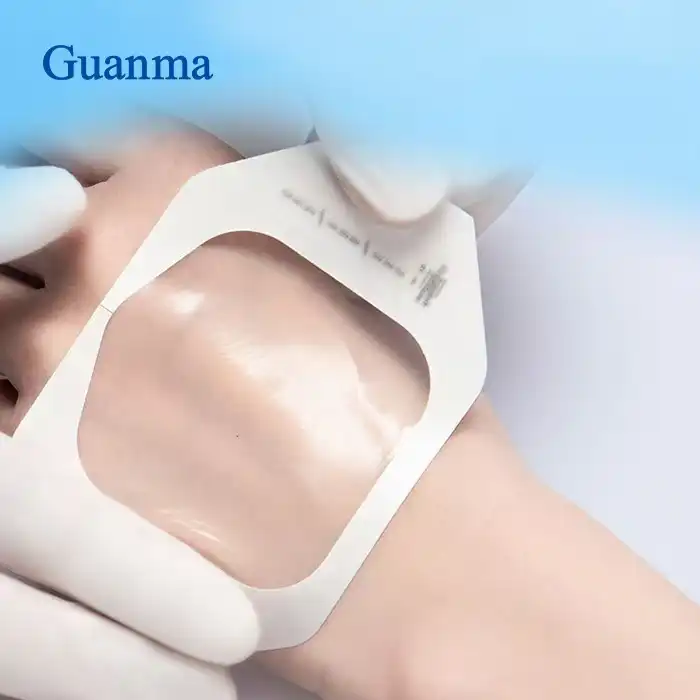
Surgical paper tape plays an indispensable role in post-operative care by providing gentle yet secure adhesion specifically designed for sensitive skin. Its breathable nature allows the skin to maintain comfort while minimizing irritation, making it an ideal choice for securing dressings and bandages after surgery. With evolving medical needs, this tape ensures wound protection without compromising skin health, embodying the perfect balance between durability and patient care.

Understanding Surgical Paper Tape
What is Surgical Paper Tape?
Surgical paper tape is a unique type of medical adhesive developed for delicate and sensitive skin, commonly used in postoperative wound management. Unlike traditional tapes, it is constructed to be breathable, reducing moisture buildup and preventing maceration around wound sites. This characteristic makes it particularly effective where prolonged application is necessary. Its primary function is to securely hold dressing materials such as gauze or bandages in place without aggravating the skin or causing discomfort.
The acrylic pressure-sensitive adhesive used in surgical paper tape ensures a firm yet gentle bond, which does not disrupt healing skin upon removal. Its use ranges from hospitals and clinics to home care settings, assisting healthcare professionals and patients alike in maintaining hygiene and safeguarding wounds efficiently.
How is Surgical Paper Tape Made?
The production of surgical paper tape involves a meticulous process focusing on material quality and adhesive formulation. Typically, the base material is nonwoven paper, chosen for its breathability and softness. This paper backing is coated with a layer of acrylic pressure-sensitive adhesive, which is engineered to balance secure fixation with gentle removal — a critical attribute for patients with fragile skin or sensitivities.
Manufacturing precision is paramount to ensure consistent adhesive strength and tape uniformity, which directly affects clinical outcomes. Quality certificates such as CE and ISO13485 validate that production adheres to medical device regulations, guaranteeing safety and reliability. Facilities following Good Manufacturing Practices (GMP) maintain strict hygiene and process controls, reinforcing the trust of medical providers globally.
Diagram note for visualization: A flow chart highlighting stages from raw material selection, coating application, drying, slitting, packaging, to quality inspection could clarify this advanced manufacturing pipeline.
Comparing Surgical Paper Tape with Other Tapes
Surgical Paper Tape vs. Cloth Tape
Surgical paper tape and cloth tape serve different clinical purposes largely due to their material characteristics. Cloth tape is generally thicker, more durable, and provides robust adhesion, making it suitable for securing bulky dressings or when strong mechanical support is necessary. However, it is less breathable and may irritate sensitive or damaged skin.
Conversely, surgical paper tape excels in gentle adherence without sacrificing security, promoting skin integrity for vulnerable patients. It prevents moisture accumulation and skin maceration issues more effectively, thereby making it the preferable option for post-surgical wounds and patients with skin conditions.
Surgical Paper Tape vs. Silicone and Micropore Tape
Silicone and micropore tapes also cater to sensitive skin needs but differ in their application scope and adhesive technology. Silicone tape offers excellent reusability and minimizes trauma during removal, which is advantageous in frequent dressing changes. Micropore tape, often made from porous nonwoven materials, provides breathability but comparatively less strength.
Surgical paper tape navigates a balance with durability, breathability, and hypoallergenic attributes while focusing on cost-effectiveness and simplicity. This makes it widely preferred in diverse healthcare scenarios, from surgical wards to outpatient clinics. The choice among these options is influenced by patient skin type, wound condition, and care regimen frequency.
Choosing the Best Surgical Paper Tape
Factors to Consider
Selecting the most suitable surgical paper tape requires careful assessment of specific factors:
- Adhesive Strength: The tape must adhere sufficiently to secure dressings without slipping, yet remove cleanly to prevent skin trauma.
- Breathability: A breathable backing material is essential to maintain skin health by allowing moisture vapor transmission.
- Water Resistance: Varying degrees of water resistance ensure the tape can sustain adhesion in moist or humid conditions.
- Hypoallergenic Options: To reduce allergic and irritation risks, latex-free and gentle adhesive formulations are critical — especially for prolonged use.
- Size and Color Variants: Customized sizes and colors (commonly white or brown) accommodate different clinical requirements and patient preferences.
Case studies from hospital usage reveal that breathable, gentle tapes reduce dermatitis incidence by nearly 30% compared with non-breathable alternatives, underscoring the importance of product selection tailored to patient needs.
Top Brands and Reviews
The medical supply market features recognized manufacturers such as 3M and Medline, whose surgical paper tapes enjoy widespread clinical acceptance. These companies maintain stellar quality due to advanced adhesives, material engineering, and rigorous testing. Healthcare providers often cite their products for reliable adhesion without compromising skin comfort.
Zhejiang Guanma Medical distinguishes itself by integrating innovative coating technologies with stringent quality protocols (certified under CE and ISO13485), offering a premium tape that meets international clinical standards. In independent reviews, Guanma’s surgical paper tape garners praise for ease of use, hypoallergenic properties, and customizable options, allowing institutions to source according to precise specifications.
A comparative chart summarizing adhesion strength, breathability, latex-free status, and price range aids decision-makers in selecting the optimal surgical paper tape for their operations.
Purchasing Surgical Paper Tape
Where to Buy Surgical Paper Tape
To secure a dependable supply of surgical paper tape, healthcare organizations should prioritize suppliers with proven manufacturing capabilities, comprehensive certifications, and flexible customization services. Zhejiang Guanma Medical provides extensive inventory, prompt delivery, and direct support tailored for hospitals, clinics, rehabilitation centers, and pharmacies in the United States.
By partnering with Guanma Packaging, clients benefit from expert consultation, ensuring the tape matches specific skin types, wound needs, and usage environments. Bulk orders and private-labeling options are available, further streamlining procurement processes for medical distributors and wholesalers.
Pricing and Availability
Pricing considerations depend on tape size, quantity, and any customization requirements. Guanma Medical’s competitive pricing combines with high production scalability to fulfill orders reliably at cost-effective rates. Clients often report reduced total care costs due to the product’s durability and patient comfort influencing faster healing times.
Transparent pricing models with volume discounts help institutions maintain budget control without sacrificing quality. Guanma’s long history of fulfilling large-scale contracts serves as evidence of consistent product availability and supply chain stability.
Conclusion
Surgical paper tape stands out as a vital component in effective wound care management post-surgery. Its gentle yet reliable adhesion, breathability, and hypoallergenic design help preserve skin integrity while securing dressings comfortably. Manufacturing excellence and certifications from providers such as Zhejiang Guanma Medical ensure healthcare facilities receive superior quality products tailored for diverse clinical needs. Choosing the appropriate surgical paper tape promotes better patient outcomes, skin health, and operational efficiency, emphasizing its indispensable role in modern medical care.
Zhejiang Guanma Medical: Trusted Supplier of Surgical Paper Tape
At Zhejiang Guanma Medical, a dedication to research and development, paired with a GMP-certified manufacturing facility, ensures our surgical paper tape consistently meets the highest medical standards. Our tapes are crafted from premium nonwoven paper with acrylic pressure-sensitive adhesives, available in sizes 1.25cm and 2.5cm widths by 5m x 9.14m lengths, and colors of white and brown.
With CE and ISO13485 certifications, we prioritize safety and reliability. Our tapes feature breathable design, ease of tearing without scissors, gentle adhesion compatible with sensitive skin, water resistance, and are latex-free to accommodate allergy-sensitive patients. This product versatility makes it essential for use cases ranging from surgical dressings and IV fixation to splint padding and daily wound care.
Procuring dependable surgical paper tape is crucial for healthcare providers aiming to deliver optimal patient care. Zhejiang Guanma Medical offers premium quality surgical paper tapes with extensive customization options and a vast inventory ready for swift fulfillment. Our commitment to innovation, adherence to international standards, and attentive customer support distinguish us as a reliable medical adhesive partner. Contact us at betty@gmself-adhesive.com to discuss how our surgical paper tape can enhance your medical inventory and patient treatment outcomes.
FAQ
Q: Is surgical paper tape waterproof?
A: Surgical paper tape offers water-resistant properties that can withstand moisture exposure to a certain degree. While it is not fully waterproof like some polymer-based tapes, it effectively maintains adhesion in moist conditions, making it suitable for most post-operative scenarios where incidental moisture contact occurs.
Q: How does surgical paper tape compare to fabric tape for wound care?
A: Surgical paper tape provides gentler adhesion suited for delicate or healing skin, minimizing trauma upon removal. Fabric tape offers stronger hold and durability but may cause irritation if applied repeatedly or on sensitive areas. Choosing depends on patient skin type, wound location, and frequency of dressing changes.
Q: What are the best practices for applying surgical paper tape?
A: Clean and dry the skin before application, avoid excessive tape tension to prevent skin damage, and place the tape smoothly without wrinkles. Remove the tape gently by lifting the edge close to the skin and pulling in the direction of hair growth to minimize discomfort and preserve skin integrity.
Q: Can surgical paper tape be used for patients with latex allergies?
A: Yes, surgical paper tape from Zhejiang Guanma Medical is latex-free, making it appropriate for patients with latex sensitivities or allergies.
Q: What sizes and colors are available for surgical paper tape?
A: Zhejiang Guanma Medical offers surgical paper tape in widths of 1.25 cm and 2.5 cm with roll lengths of 5 m by 9.14 m. The standard colors provided are white and brown to suit different clinical preferences.
Q: Is customization available for surgical paper tape orders?
A: Yes, we offer customization including private labeling, specific size adjustments, and packaging options to meet diverse healthcare facility requirements.
References
1. American Academy of Dermatology Association. (2021). Tape and Dressing-Related Skin Injuries: Prevention and Management.
2. Association for the Advancement of Medical Instrumentation. (2019). Skin-Friendly Adhesive Tapes for Medical Applications.
3. FDA Medical Device Overview. (2022). Guidelines on Medical Tapes and Adhesives.
4. Journal of Wound Care. (2020). Comparative Studies on Adhesive Tapes for Postoperative Wound Management.
5. National Institute for Health and Care Excellence (NICE). (2018). Wound Care Products and Protocols: Best Practices.
6. World Health Organization. (2023). Device Regulation: Safety and Effectiveness in Medical Skin Adhesives.