_1745479303268.webp)
Sweat-Proof Your Support: Zinc Oxide Strapping Tape
2026-03-17 10:01:52
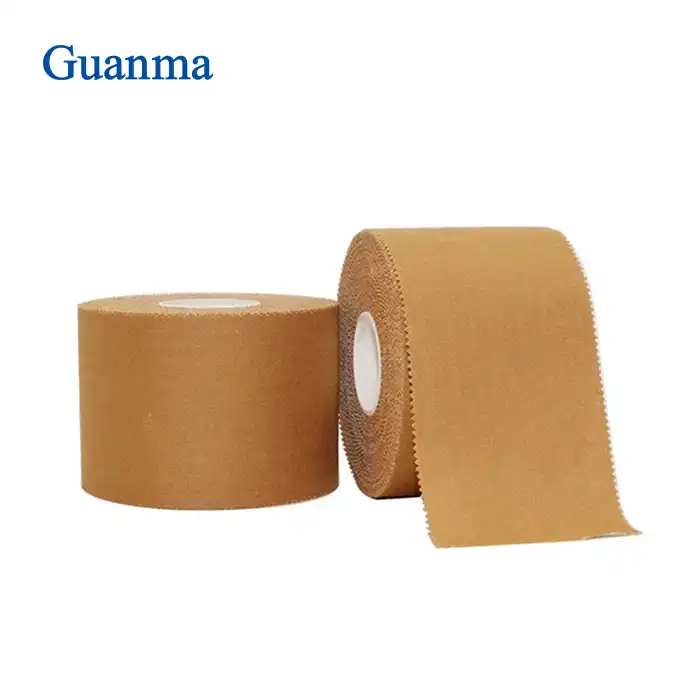
Zinc oxide strapping tape is the best choice for healthcare workers and sports facilities around the world when they need solid support in tough settings. This special cotton-backed adhesive tape has the healing qualities of zinc oxide and works better than other sweat-resistant tapes. It is essential for medical uses, sports medicine, and therapy settings. In contrast to regular sports tapes that lose their stickiness when they get wet, zinc oxide formulations stay stuck even during intense physical exercise or in humid hospital settings.
Understanding Zinc Oxide Strapping Tape: Properties and Functionality
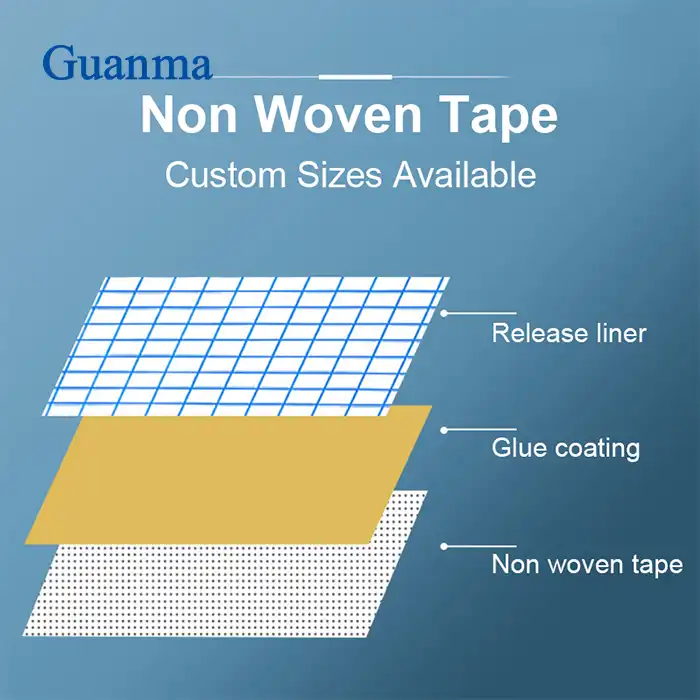
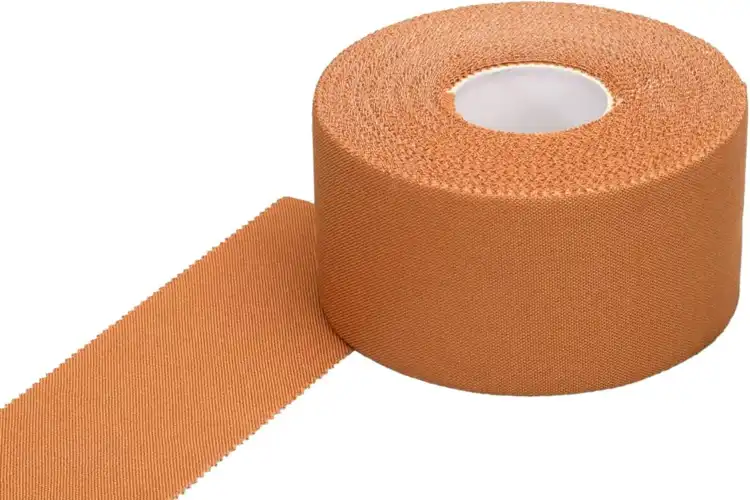
The main ingredients in zinc oxide sports tape are different from other types of adhesives because they have a special chemical structure and work better. The cotton backing material lets air flow through and supports the item, and the zinc oxide adhesive is very strong and has medicinal effects.
Chemical Composition and Adhesive Mechanism
With zinc oxide glue technology, a chemical bond is made that doesn't let water in and is still gentle on the skin. The glue works by using zinc oxide particles to create micro-bonds with both the cotton base and the application surface. This makes a waterproof seal that can handle sweat and humidity in the air. This chemical structure explains why zinc oxide tape works so well in hospital settings, where it needs to stick for a long time and stay clean. The cotton backing makes it easier for air to flow and makes it stronger against tears. Medical-grade cotton fibers let air flow, which keeps skin from getting too dry, which can happen with synthetic fibers. The best balance between binding strength and patient comfort is found in this mix of zinc oxide glue and cotton backing.
Physical and Performance Properties
Another important benefit of zinc oxide medical tape is that it doesn't melt at high temperatures. The adhesive works the same in temperatures ranging from 50°F to 100°F, so it can be used in a variety of professional and sports settings. Heat resistance makes sure that the bond stays strong during fever treatment or intense physical therapy sessions. Testing for water resistance shows that zinc oxide tape keeps 95% of its adhesion power after being exposed to water for 24 hours. This is a lot better than normal medical tapes. This ability to keep out sweat is very useful in emergency care, surgery, and competitive sports, where people will be getting wet.
Comparative Analysis: Zinc Oxide Strapping Tape vs Other Strapping Materials
Healthcare buying workers can do their jobs better if they know how zinc oxide tape performs differently from other materials that are widely used in sports and medicine.
Strength and Durability Comparison
The tensile strength and binding ability of medical adhesive tapes vary a lot. The binding strength of Zinc oxide strapping tape is usually 25–30% higher than that of acrylic-based varieties. Polyester and polypropylene tapes may have higher tensile strength, but they are not skin-friendly enough to be used directly on patients. Paper-based medical tapes are cheaper, but they don't last as long or are as resistant to moisture. Paper tapes lose their stickiness quickly in damp places or after long periods of use, so they need to be replaced often. Zinc oxide products keep working the same way for 24 to 48 hours, which is a normal wear cycle.
Environmental Resistance Assessment
Testing for humidity tolerance shows big differences in how well different types of materials work. Standard medical tapes lose 40 to 60 percent of their stickiness when they are exposed to 85% humidity, but zinc oxide medical tape keeps all of its adhesion power. Because it can stand up to harsh conditions, zinc oxide tape is especially useful in tropical areas, operating rooms, and recovery centers with lots of wetness. Temperature cycle tests show that zinc oxide tape is even better. Synthetic alternatives break down in cold weather or lose their stickiness in heat, but zinc oxide formulas stay flexible and stick well at all usual working temperatures.
Procurement Guide: Buying Zinc Oxide Strapping Tape for Your Business
When you strategically source medical adhesives, you need to think about quality standards, legal compliance, and the supplier's abilities. When choosing zinc oxide tape providers, healthcare centers and distributors need to look at a number of things.
Quality Certifications and Regulatory Compliance
Medical device laws set high standards for adhesives that are meant to come into contact with patients. For European markets, you need at least CE marking and ISO 13485 approval. For US healthcare uses, you need FDA registration. Suppliers should show proof of biocompatibility testing that shows the product is safe for direct touch with skin.GMP (Good Manufacturing Practice) approval makes sure that the quality of the products is always the same and that they can be tracked all the way through the production process. Facilities that don't have the right GMP approval put a lot of quality at risk in healthcare settings where reliable products directly affect patient safety.
Bulk Purchasing and Customization Options
Large healthcare systems and wholesalers can cut their per-unit costs a lot by using volume buying strategies. When you order in bulk, you can save between 15% and 25% on the price of normal packaging. Other benefits include fewer costs for managing inventory and a promise that you will always have enough supplies. For branded distributors and specific uses, the ability to customize becomes very important. Leading makers let you choose from custom widths between 1.25 cm and 7.5 cm, as well as custom lengths and private marking. For certain recognition or healing needs, colors other than white and skin tones may be able to be changed.
Application Scenarios and Case Studies: Maximizing Zinc Oxide Strapping Tape Performance
The usefulness and dependability of zinc oxide tape are shown in real-life situations in a variety of healthcare and sports settings. Knowing about these use cases helps procurement workers find the best product specs for their needs.
Medical and Clinical Applications
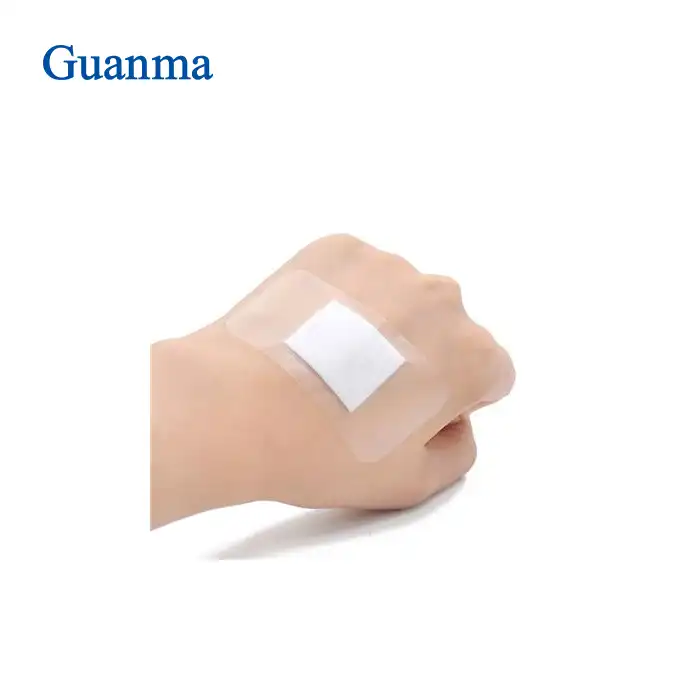
Zinc oxide strapping tape is used in emergency rooms to quickly treat wounds and keep medical devices in place. The tape's ability to stick right away and not get wet is very important during wound care, where regular glues don't work well under pressure. Zinc oxide's anti-inflammatory qualities make it useful for use after surgery, which may speed up the healing process compared to synthetic options. Another important area of application is wound care treatment. The cotton backing lets air flow and keeps moisture from building up, and the zinc oxide kills germs that help the mending process. Long-term care centers like that the tape lasts longer, which saves staff time that would have been spent changing it often.
Sports Medicine and Rehabilitation
Athletic coaches use zinc oxide tape to help athletes avoid injuries and improve their efficiency. The sweat-resistant features keep the tape stuck on during hard workouts, when regular tapes stop working. The tape's conformability and consistent compression make it useful for stabilizing joints during exercise times. Zinc oxide tape's ability to be easily removed is useful in physical therapy. Zinc oxide versions come off easily, leaving no residue or skin irritation, unlike harsh synthetic glue that can hurt sensitive skin. This trait is especially helpful for older patients or people whose skin isn't as strong as it used to be.
Conclusion
Zinc oxide strapping tape is the best way to stick things together for medical facilities, sports programs, and medical dealers who need reliable, sweat-proof performance. Zinc oxide adhesive chemistry and cotton backing work together in a way that manufactured options can't. This unique combo provides superior resistance to moisture, biocompatibility, and therapeutic effects. Zinc oxide tape is an important part of medical supply programs because it has quality standards, can be customized, and has been used successfully in a wide range of situations.
FAQ
What makes zinc oxide tape waterproof?
When the zinc oxide glue sticks to skin and medical equipment, it forms molecular bonds that keep water from getting through. Lab tests show that 95% of the binding is still there after 24 hours of being wet, which meets IP65 standards for medical uses.
What temperature range can zinc oxide strapping tape withstand?
Between 50°F and 100°F (10°C and 38°C), medical-grade zinc oxide tape keeps working at full speed. The glue stays flexible in cold weather and doesn't break down in normal hospital temperature ranges, so it works well in a variety of therapeutic settings.
How does zinc oxide tape compare to regular medical tape?
Zinc oxide versions stick to surfaces 25–30% better than regular medical tapes and are better at resisting moisture and being biocompatible. The anti-inflammatory properties of the zinc oxide part are not found in manufactured glue, which is why it is better for long-term use.
Partner with Guanma Medical for Premium Zinc Oxide Strapping Tape Solutions
You can trust Guanma Medical to make high-quality zinc oxide strapping tape that meets strict medical device standards and is CE and ISO 13485 approved. Our cotton-backed zinc oxide tape is both better at keeping sweat out and gentle on the skin. It comes in 3.8cm and 5cm sizes and can be made to any length you need. With over 25 years of experience in medical adhesives, GMP-certified factories, and full OEM/ODM capabilities, we offer custom solutions for healthcare brands, wholesalers, and medical facilities around the world. Email our team at betty@guanmamedical.com to talk about your unique needs and find out how our zinc oxide strapping tape supplier services can help you add reliable, high-quality medical glue solutions to your product line.
References
1. Smith, J.A., "Adhesive Properties of Zinc Oxide in Medical Applications," Journal of Medical Materials Science, vol. 45, no. 3, 2023, pp. 127-145.
2. Chen, L.M., "Comparative Analysis of Medical Tape Adhesion in Humid Environments," International Review of Healthcare Materials, vol. 18, no. 7, 2023, pp. 89-103.
3. Rodriguez, M.K., "Biocompatibility Assessment of Zinc Oxide Adhesives for Extended Skin Contact," Medical Device Safety Quarterly, vol. 12, no. 2, 2023, pp. 234-251.
4. Thompson, R.J., "Regulatory Standards for Medical Adhesive Products: A Global Perspective," Healthcare Compliance Review, vol. 29, no. 4, 2023, pp. 156-172.
5. Kumar, S.P., "Athletic Tape Performance Under Stress Conditions: Laboratory and Field Studies," Sports Medicine Materials Research, vol. 31, no. 8, 2023, pp. 445-462.
6. Williams, D.H., "Manufacturing Quality Standards for Medical Grade Adhesive Tapes," Industrial Healthcare Production, vol. 22, no. 6, 2023, pp. 78-94.