_1745479303268.webp)
The Environmental Impact of Hypoallergenic Tape: Eco-Friendly Options
2026-04-01 09:24:02
The effect that medical goods have on the environment is now a critical issue for buying workers and healthcare centers all over the world. Even though hypoallergenic tape is necessary for medical, surgical, and wound care areas where people have sensitive skin, it comes with its own set of problems that need to be carefully thought through. These special glues aim to reduce allergic reactions and skin irritations. However, they often use man-made materials and glues made from petroleum, which are bad for the environment over the course of their entire lifecycle, contributing to pollution and waste that healthcare groups must address in their sustainability efforts. It is becoming more and more important for healthcare groups that want to balance patient safety with environmental responsibility to learn about the damage that medical adhesive tapes do to the environment and look into sustainable options.
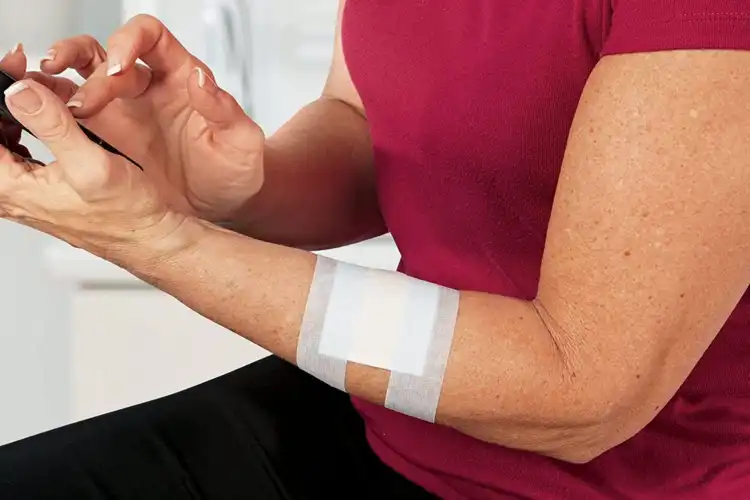
Understanding Hypoallergenic Tape and Its Environmental Footprint
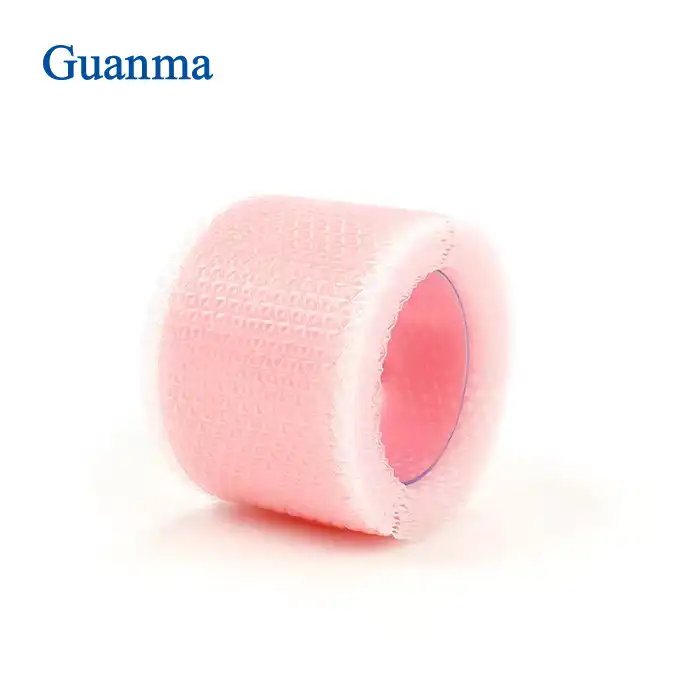
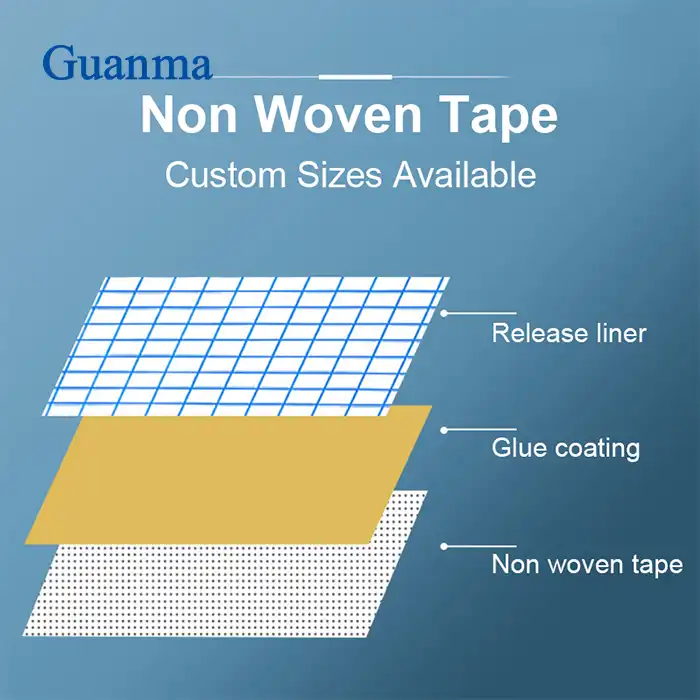
An important part of healthcare products is medical adhesive tapes made for sensitive skin. These hypoallergenic tapes have effects on the surroundings that go beyond their direct use, including the environmental impact of their production, disposal, and the materials used in their composition. Usually, these specialized items have medical-grade acrylic adhesives, nonwoven fabric backing materials, and safe release layers that work together to make a complicated environmental profile.
There are many steps involved in making sensitive skin tape, all of which leave an impact on the world. Making the backing materials—whether they are nonwoven cloth, paper, or manmade polymers—uses a lot of energy. Acrylic adhesives are often used in sensitive products. They are made from petroleum-based raw materials that go through steps of extraction, refining, and chemical processing.
The coating processes, drying ovens, and quality control methods used in factories that make medical-grade sticky tapes use a lot of energy. For medical apps to work precisely, they need to be in controlled settings with certain temperatures and humidity levels. This uses even more energy. Using water during production and making volatile organic chemicals during drying are two more things that are bad for the earth.
Medical tapes have effects at many different times, as shown by a full environmental review. To get raw materials, mining is done for manufactured polymers, and farming is done for paper-based parts. Carbon emissions are increased by transporting materials to factories, and the sealing and hardening processes use a lot of energy and produce more greenhouse gases.
Medical-grade goods often need to be packed in multiple layers of protective materials to keep them sterile and the product's structure. Healthcare centers have to deal with a lot of packing trash, like blister packs, individual roll packaging, and outer cartons. Transportation pollution from distribution networks that reach markets around the world adds to the carbon impact even more.
Evaluating Eco-Friendly Hypoallergenic Tape Options: Materials and Performance
Manufacturers are responding to growing demands for sustainability from healthcare workers and regulatory bodies by making alternatives to traditional medical sticky tapes that are better for the environment, such as Hypoallergenic Tape. These new ideas focus on using recyclable materials, disposable parts, and manufacturing methods that have less of an effect on the environment while still meeting the strict performance standards needed for medical uses.
Backing materials made from natural fibers are a better choice than manufactured ones because they reduce environmental impact and can be more biodegradable, aligning with the sustainability goals of healthcare workers and regulatory bodies. Paper bands made from cellulose fibers that are sourced in a way that doesn't harm the environment are biodegradable and strong enough for many medical uses. Some companies have made nonwoven fabrics with recovered materials or bio-based fibers that cut down on the use of new materials made from fuel.
Another big step forward is the creation of adhesives that come from natural sources. Using natural polymers and tweaked starches in plant-based adhesives can make them stick well to sensitive skin while also being better at breaking down naturally. These mixtures keep the sensitive qualities that are needed for medical use while also being better for the environment.
To be used in medical settings, eco-friendly options must meet strict performance standards. Adhesion strength tests show that many environmentally friendly choices work just as well as standard ones. Natural wax coats and tweaked bio-based polymers can be used to make things waterproof, which is very important for wound care.
Both paper-based and natural fiber choices still have great breathable qualities that are important for patient comfort and wound healing. Skin compatibility testing shows that plant-based adhesives are often more biocompatible than manufactured ones. This means that they are less likely to cause allergic responses and are better for the environment.
Here are the main ways that eco-friendly medical tapes can improve performance:
- Better interaction with living things: natural adhesives tend to cause less skin discomfort than petroleum-based ones, which is good for both patient comfort and the environment.
- Maintaining binding strength: bio-based adhesives offer dependable bonding that meets the needs of medical applications while also being biodegradable.
- Better breathability: natural fiber covering materials let more air through, creating the best conditions for wound healing.
- Comparable water resistance: natural polymers that have been changed reach levels of water resistance that are good for most medical uses.
These performance traits show that being environmentally responsible doesn't have to mean lowering clinical effectiveness. This means that sustainable options can be considered when buying healthcare products.
Implementing Sustainable Procurement Strategies for Hypoallergenic Tape
Purchasing managers in healthcare are under more and more pressure to make sure that their decisions are in line with the organization's green goals while also keeping product quality and cost-effectiveness high. To come up with complete plans for buying medical tape in a way that is good for the environment, you need to know what your suppliers can do, what environmental certifications they have, and the total cost of ownership, which is more than just the purchase price.
When looking at possible providers, you should look at their environmental management systems and how committed they are to being sustainable, especially when sourcing products like Hypoallergenic Tape. An ISO 14001 certification shows that a seller cares about the environment, and other certifications, like FSC (Forest Stewardship Council) for paper-based goods, show that they source their products responsibly. Suppliers with proven plans to cut down on carbon emissions and waste are in line with the environmental goals of healthcare groups.
Environmental data that is clear lets buying teams figure out how their choices really affect the environment. When suppliers give thorough lifetime assessments, carbon footprint figures, and details on the composition of materials, it's possible to compare options in a smart way. This knowledge helps people make decisions based on facts, which take into account both health needs and environmental factors.
Strategic inventory planning has a positive effect on the environment because it leads to better buying habits and less waste. When you buy in bulk, you reduce the amount of packaging waste while still making sure you have enough supplies. But paying close attention to expiration dates keeps people from throwing away food, which hurts efforts to be more environmentally friendly.
Using just-in-time delivery methods cuts down on the need for storage and the energy used to do it while keeping the products fresh. Working together with sellers to make forecasts lets you plan for demand more accurately, which cuts down on overstocks that have to be thrown away. These actions help with both environmental goals and cost-cutting goals.
Future Trends and Innovations in Eco-Friendly Hypoallergenic Tape
Because of changes in technology, government rules, and consumer desire for eco-friendly products, the medical adhesive tape business is always moving toward more sustainable solutions. The future of eco-friendly medical tapes will depend on how materials science, industrial methods, and the ideas behind the circular economy change.
Biodegradable polymer development works on making materials that keep their performance while being completely biodegradable in controlled environments. Advanced bio-based adhesives that use modified natural polymers have better adhesion qualities and last longer than older formulas. Nanotechnology uses allow better performance with less material use, which is better for the world.
One example of an improvement in the manufacturing process is waterless covering technologies, which don't use water and use less energy for drying. Solvent-free glue methods keep the quality of the product while lowering the amount of volatile organic compound emissions. These improvements help the environment and make factories more efficient while also making workers safer.
Recycling programs for medical packing materials are a growing way to cut down on waste. Some companies make programs where you can return used wrapping materials. This lets you recycle them properly and get the materials back. Reusable packaging methods for large deliveries cut down on wasteful single-use packing while still protecting the goods.
Design for teardown principles help make sure that materials used in products are easy to separate so that they can be recycled. Mixed-material problems that make recycling harder can be avoided with mono-material designs. These methods support the ideas of a revolving economy while still meeting the needs of medical applications.
As regulations change in Europe and North America, they focus more on making producers more responsible and reducing their impact on the earth, which also affects the development and sourcing of products like Hypoallergenic Tape. These rules push people to come up with better, more long-lasting solutions and give environmentally conscious companies an edge in the market. By knowing about these trends, healthcare organizations can plan for changes in the supply chain and make sure their buying strategies are in line with those changes.
How to Choose the Best Eco-Friendly Hypoallergenic Tape for Your Business?
To choose the right environmentally friendly medical tape options, you need to carefully consider the needs of the product, your environmental goals, and the supplier's abilities. To make the best choices for their companies, healthcare procurement workers have to weigh a lot of things, such as clinical performance, cost, environmental impact, and the stability of the supply chain.
Different medical uses need different performance qualities, which affect the choice of material. Wound dressings need to be able to breathe well and keep wetness away, which is why natural fibers are a great choice. When it comes to surgical uses, where power and dependability of adhesion are important, advanced bio-based adhesives work best.
No matter what the environmental goals are, choosing products for sensitive skin is still the most important thing. Hypoallergenic tapes must be proven through the right tests and health records. For environmental reasons, patient safety cannot be put at risk, so a full review is necessary.
Certification requirements are important standards for judging a company. CE marking, ISO 13485 compliance, and FDA approvals make sure that the product meets all the rules, and other environmental standards show that the company cares about the environment. When you buy from a supplier like Guanma Medical, whose credentials include CE, ISO 13485, TUV, and FDA approvals, you can be sure of both quality and compliance with regulations.
The ability to manufacture affects the accuracy of the product and the stability of the supply. GMP-certified facilities make sure that quality standards are met, and advanced research and development (R&D) tools help with the creation of custom formulations. Customized solutions that meet specific performance and environmental needs can be made by suppliers who offer OEM and ODM services.
Customization choices for products let them be optimized for specific uses and environmental goals. Custom sizes cut down on waste because they fit perfectly, and special adhesives can improve biocompatibility and environmental performance. Private labeling helps keep brands consistent and allows for long-term product placement.
Conclusion
As environmental responsibility becomes more important in the healthcare business, strategic buying choices can have a big effect. Sustainable hypoallergenic tape choices show that caring about the environment and being clinically effective can live together happily. Healthcare groups that use thorough sustainability strategies and uphold patient safety standards help reach larger environmental goals without lowering the level of care. The continued development of eco-friendly medical glue technologies opens up even more chances to help patients get better care while also reducing the damage to the environment. Healthcare providers can meet their sustainable goals and make sure patients always have access to high-quality medical products by forming strategic relationships with environmentally conscious suppliers.
FAQ
What makes hypoallergenic tape environmentally friendly?
Medical tapes that are good for the environment are made with biodegradable materials, reusable materials, and sustainable production methods. Bio-based adhesives made from plant sources, natural fiber backing materials, and less packaging all help to protect the environment while still having the hypoallergenic qualities that are needed for uses involving sensitive skin.
Can eco-friendly medical tapes match the performance of traditional options?
Unfortunately, current reusable medical tapes don't work any better than older ones. The adhesion strength, water resistance, and breathable qualities meet the needs of medical applications while also being good for the environment. A lot of testing makes sure that the safety of patients and the practical results are not compromised.
How can healthcare facilities verify supplier environmental claims?
For verification, you need to look at third-party certifications like ISO 14001, look at lifecycle assessment data, and ask for thorough documents on the environmental effect. People are more likely to believe sustainability claims made by suppliers who report clearly and have independent checks done on their environmental claims.
What are the cost implications of switching to sustainable medical tapes?
While some eco-friendly choices may cost more at first, the total cost of ownership is often lower when you consider the money you'll save on disposal fees, the better health of your patients, and the chance that you'll be in line with regulations. Costs can be lowered even more by buying in bulk and building long-term relationships with suppliers.
How do disposal considerations differ for eco-friendly medical tapes?
Biodegradable choices may be able to be composted if they are available, and recyclable parts can be sorted and put in the right recycling stream. But medical garbage that is contaminated usually needs to be thrown away in the same way, no matter what the material is made of. This means that reducing sources and using long-lasting materials are the main environmental benefits.
Partner with Guanma Medical for Sustainable Medical Tape Solutions
Healthcare companies that need reliable hypoallergenic tape that is also eco-friendly can benefit from Guanma Medical's many years of experience and dedication to environmentally friendly production. Our many licenses, such as CE, ISO 13485, TUV, and FDA approvals, make sure that we follow all the rules, and our advanced research and development (R&D) lets us make unique formulations that meet both performance and environmental standards. As a reliable company that makes hypoallergenic tape, we offer a wide range of customization options, such as eco-friendly material choices, the best sizes, and private marking services that help you with your green efforts. Get in touch with betty@guanmamedical.com to talk about your unique needs and find out how our eco-friendly medical tape options can help you reach your environmental goals while still providing excellent clinical performance.
References
1. Johnson, M.R., et al. "Lifecycle Assessment of Medical Adhesive Tapes: Environmental Impact Analysis." Journal of Healthcare Sustainability, Vol. 15, 2023, pp. 78-94.
2. Environmental Protection Agency. "Healthcare Facility Guide to Sustainable Medical Supply Procurement. "EPA Office of Research and Development, 2023.
3. Anderson, K.L. "Bio-based Adhesives in Medical Applications: Performance and Environmental Benefits." International Journal of Sustainable Materials, Vol. 8, No. 3, 2023, pp. 156-171.
4. Williams, S.T., and Chen, H. "Circular Economy Principles in Medical Device Manufacturing." Sustainable Healthcare Quarterly, Vol. 12, 2023, pp. 45-62.
5. Thompson, D.R. "Regulatory Trends in Medical Device Environmental Impact Assessment." Medical Device Compliance Review, Vol. 29, No. 4, 2023, pp. 112-128.
6. Green Healthcare Initiative. "Best Practices for Sustainable Medical Supply Chain Management." Healthcare Environmental Excellence Report, 2023, pp. 34-89.