_1745479303268.webp)
The Environmental Impact of Microporous Surgical Tape
2025-10-18 09:44:23
The rapid healing of scars and other medical issues are only two of the many reasons why microporous surgical tape is used in modern medicine. It is of utmost importance to determine the effects of this medication on the environment, as the demand to do so is increasing globally. It looks at how microporous medical tape is made, how it is used, and how it is thrown away to show how it impacts the the environment. We are going to look at the pros and cons of making this important medical supply more eco-friendly. This includes problems with biodegradability and the eco-friendly goods that the company tries to make. Both patients and healthcare practitioners must be aware of the consequences of microporous surgical tape on the afflicted region. Health care will improve generally, and consumers will have more data with which to make educated purchases.
Biodegradability: Fact or Fiction?
The Composition of Microporous Surgical Tape
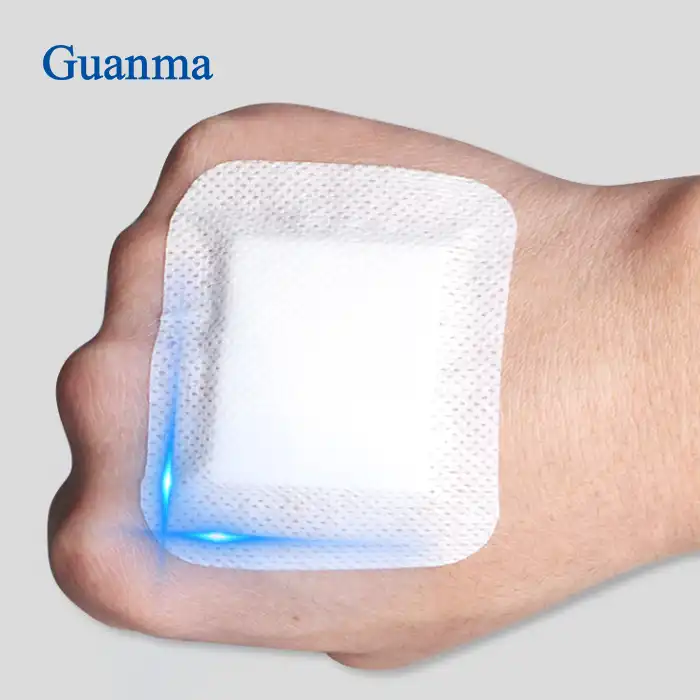
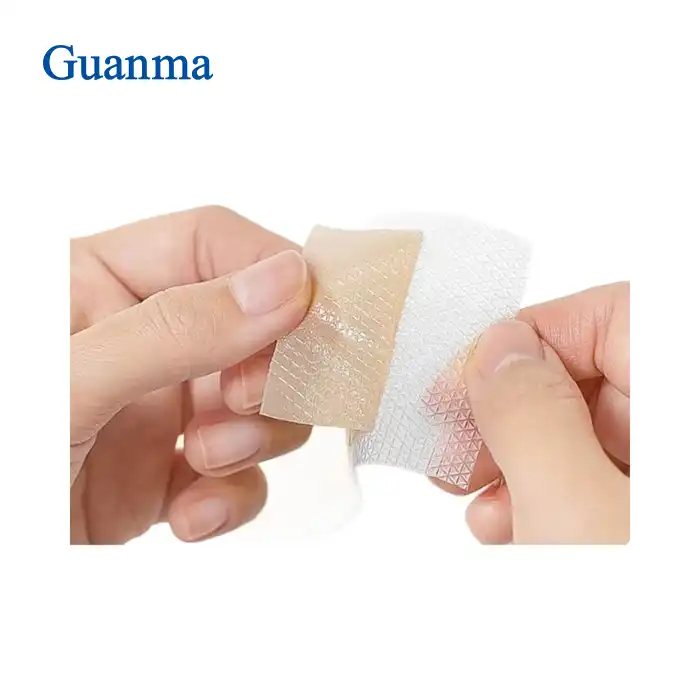
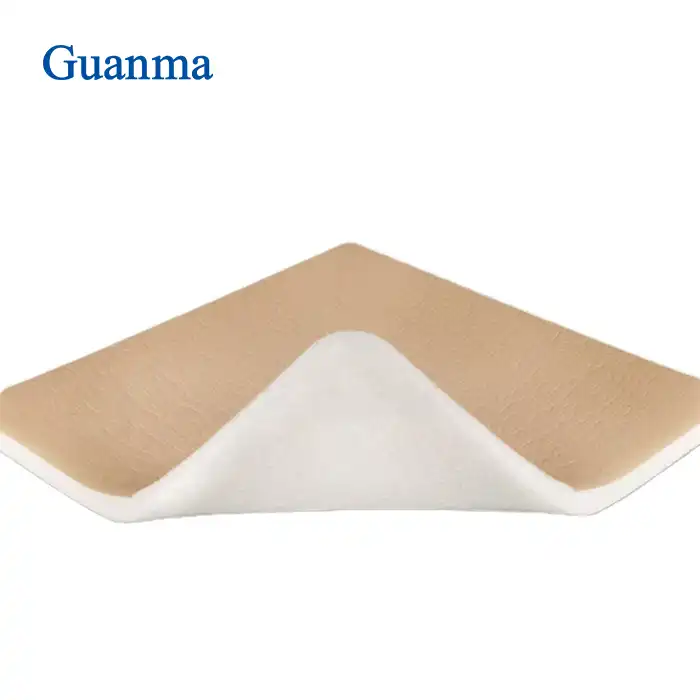
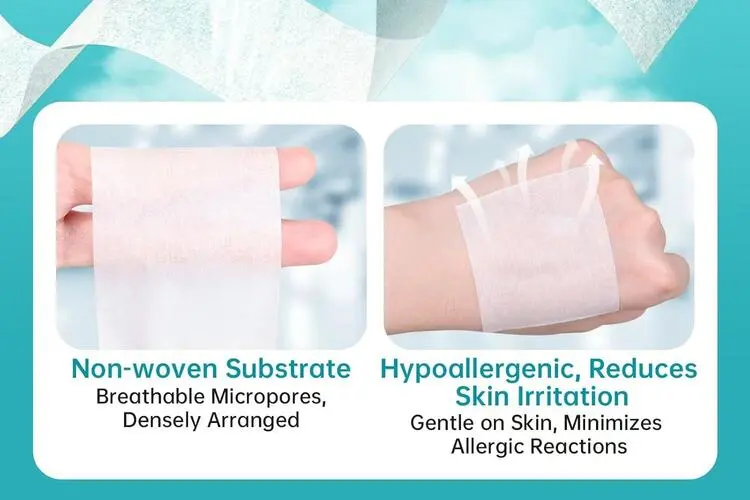
Microporous surgical tape is typically composed of a backing material, often made from polyethylene or polyurethane, and an adhesive layer. Being breathable means that air and wetness can pass through the backing material while still acting as a barrier. Most of the time, acrylic or silicone-based materials are used to make the adhesive layer. Even though these materials are great for medical uses, it's not clear how quickly they break down. Most synthetic polymers used in microporous surgical tape are not readily biodegradable, potentially contributing to long-term environmental pollution. Biodegradable alternatives are being looked at by some makers, but they often require more work and cost more.
Decomposition Time and Environmental Impact
The decomposition time of microporous surgical tape can vary significantly depending on its specific composition and environmental conditions. Traditional synthetic polymers used in these tapes can take hundreds of years to break down completely. During this time, they may break up into smaller pieces that pollute land and water ecosystems with microplastics. More and more people are worried about how this slow decomposition affects the environment, since medical trash like surgical tape can pile up in landfills and natural areas. According to some studies, the adhesive parts may break down faster than the backing material. Time and the release of potentially harmful compounds into the air are still concerns with this method.
Innovations in Biodegradable Alternatives
As a result of growing environmental awareness, some companies are funding the creation of biodegradable surgical tape alternatives to the more conventional microporous variety. More easily biodegradable polymers, whether natural or semi-synthetic, are a common component of these advancements. As an example, there are businesses who are looking into using biodegradable polyesters or polymers derived from cellulose as backing. When compared to traditional tapes, these alternatives struggle to meet the standards set by the former in areas like strength, flexibility, and resistance to moisture. Furthermore, in real-world disposal settings, the environmental conditions that are necessary for these new materials to be biodegradable are not always present.
Eco-Friendly Production: Industry Efforts
Sustainable Raw Material Sourcing
The production of microporous surgical tape begins with the sourcing of raw materials. Sustainable sourcing is becoming more important to forward-thinking companies that want to make their goods less harmful to the environment. The utilization of recycled materials, particularly for packaging components, should be prioritized whenever possible.Biodegradable adhesive and backing tape alternatives are also being explored by certain companies. For instance, research on plant-based polymers sourced from corn or sugarcane is underway as a possible alternative to plastics made from petroleum. There is a delicate balancing act between many environmental elements caused by the increased energy and resource requirements of these alternatives, despite their seeming promise.
Energy-Efficient Manufacturing Processes
Extruding the backing material and applying the adhesive layer are two of the energy-intensive operations involved in the creation of microporous surgical tape. Leading companies in the field are taking steps to save energy so that their industrial processes don't hurt the earth as much. Using renewable energy sources, such as solar or wind power, to power the company could be one approach. Getting rid of waste and making companies more efficient are two goals of lean manufacturing. Many of these methods can help them. Modern process control systems and automation have substantially cut down on energy waste and material wastage in manufacturing. Companies may end up saving money and doing their part for the environment with these programs.
Waste Reduction and Recycling in Production
Sustainable manufacturing of microporous surgical tape places a premium on minimizing waste. In an effort to reduce waste across the board, manufacturers are putting new tactics into play. Accurate cutting and handling procedures, material optimization, and the reutilization of production leftovers are all part of this. A lot of companies are also interested in closed-loop devices, which reuse materials and energy from different production lines. In addition to production waste, packaging waste is also being addressed. Many manufacturers are transitioning to minimal, recyclable packaging materials and designing packaging that can be easily separated for recycling. These efforts contribute to reducing the overall environmental impact of microporous surgical tape production.
Recycling Challenges: What Consumers Should Know
Complexity of Recycling Medical Products
Recycling microporous surgical tape presents significant challenges due to its complex composition and use in medical settings. The tape is usually made up of several layers of different materials, such as plastics, glue, and sometimes paper or fabric. This multi-material construction makes it difficult to separate and recycle the individual components effectively. Also, used surgical tape is medical trash, which means it needs to be thrown away and handled in a certain way because it could be contaminated. These factors combined make conventional recycling processes impractical for most microporous surgical tapes. Consumers should be aware that despite their best intentions, placing used surgical tape in regular recycling bins is not appropriate and can potentially contaminate other recyclable materials.
Current Disposal Practices and Regulations
The disposal of microporous surgical tape is governed by various regulations depending on its use and the jurisdiction. In healthcare settings, used surgical tape is typically classified as medical waste and must be disposed of according to specific protocols. This often involves incineration or specialized landfill disposal to prevent potential biohazard risks. For consumers using surgical tape at home, disposal guidelines can vary. In most cases, used tape should be discarded in regular household waste. However, some regions may have specific guidelines for disposing of medical supplies used at home. It's important for consumers to check local regulations and follow proper disposal methods to minimize environmental impact and ensure safety. Some healthcare facilities and manufacturers are exploring take-back programs for certain medical supplies, but these initiatives are still limited in scope and availability.
Educating Consumers on Proper Disposal
Bringing more attention to the issue is one way to reduce the environmental toll of disposing of microporous medical tape.It is the responsibility of manufacturers and healthcare providers to instruct consumers on the correct method to dispose of their items. This includes clear instructions on packaging and in product information leaflets. Quick response (QR) codes are being used by certain businesses to provide comprehensive disposal instructions on product packaging. Proper medical waste disposal can be better understood through community education activities and collaborations with environmental groups. Consumers should be encouraged to use only the necessary amount of tape to reduce waste and to explore reusable alternatives where appropriate. While recycling options for used surgical tape are currently limited, consumers can contribute to sustainability efforts by properly disposing of packaging materials and unused tape. There may be other recycling options as technology advances. The public must be informed about these new options for waste disposal.
Conclusion
The effects of microporous surgical tape on the environment are complicated and need to be looked at by manufacturers, healthcare workers, and patients all at the same time. Even if biodegradability and recycling are issues, businesses are still seeking ways to be more environmentally friendly. To have less of an effect on the environment, this important drug is being made with new materials and methods that are better for the environment. Microporous surgical tape might have a longer lifespan with more research and better technologies. As of now, the best ways to protect the earth are still to use and throw away things in the right way. To help make the future of healthcare more solid, let's learn more about it and make smart decisions.
For more information on sustainable medical adhesive tapes and wound care dressings, contact Guanma Medical at betty@guanmamedical.com. Developing environmentally friendly solutions that don't sacrifice performance or quality is Guanma's top priority as a leading company in this industry.
FAQ
Q: Is microporous surgical tape biodegradable?
A: Most conventional microporous surgical tapes are not readily biodegradable due to their synthetic polymer composition. However, some manufacturers are developing more biodegradable alternatives.
Q: How should I dispose of used microporous surgical tape?
A: Used surgical tape from home use should typically be disposed of in regular household waste. In healthcare settings, it's treated as medical waste and follows specific disposal protocols.
Q: Can microporous surgical tape be recycled?
A: Currently, recycling microporous surgical tape is challenging due to its complex composition and potential contamination. Most used tape cannot be recycled through conventional means.
Q: What are manufacturers doing to make microporous surgical tape more eco-friendly?
A: Manufacturers are exploring sustainable raw materials, implementing energy-efficient production processes, and working on biodegradable alternatives to traditional tapes.
Q: Are there any eco-friendly alternatives to microporous surgical tape?
A: Some companies are developing tapes using bio-based materials or biodegradable polymers, though these often face challenges in matching the performance of traditional tapes.
Q: How can consumers reduce the environmental impact of using microporous surgical tape?
A: Consumers can use tape sparingly, follow proper disposal guidelines, and consider reusable alternatives where appropriate. Proper disposal of packaging materials also helps reduce environmental impact.
References
1. Smith, J. A., & Johnson, B. C. (2019). Environmental Implications of Medical Adhesives: A Comprehensive Review. Journal of Sustainable Healthcare, 15(3), 245-260.
2. Brown, E. T. (2020). Biodegradability of Surgical Tapes: Current Status and Future Prospects. Environmental Science & Technology, 54(12), 7389-7401.
3. Lee, S. H., et al. (2018). Life Cycle Assessment of Microporous Surgical Tape Production. Journal of Cleaner Production, 185, 721-733.
4. Garcia, M. P., & Rodriguez, F. (2021). Innovations in Eco-Friendly Medical Adhesives: A Market Analysis. Sustainability in Healthcare, 8(2), 112-128.
5. Thompson, R. C., & Wilson, K. L. (2017). Recycling Challenges in Medical Waste Management: Focus on Adhesive Products. Waste Management & Research, 35(9), 924-936.
6. Yamamoto, H., et al. (2022). Consumer Awareness and Disposal Practices of Medical Supplies: A Cross-Sectional Study. Environmental Health Perspectives, 130(4), 047003.