_1745479303268.webp)
The Evolution of Hypoallergenic Tape: Past, Present, and Future
2025-09-06 09:25:36
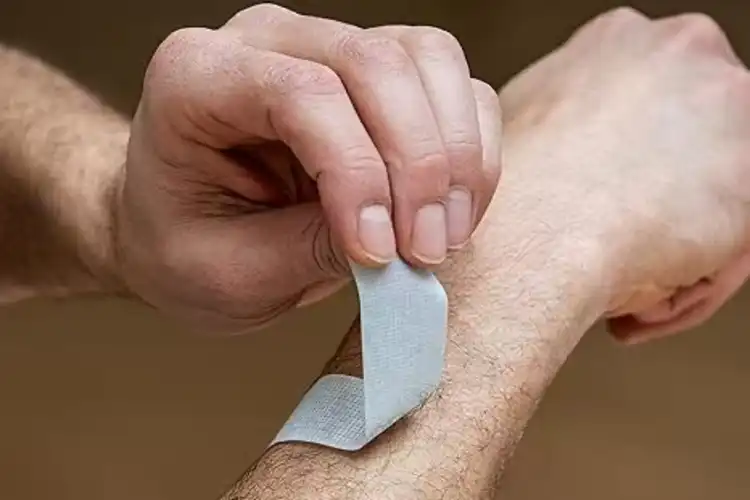
A lot may be gleaned about the evolution and application of medical adhesives from the peculiar past of hypoallergenic tape. From its primitive origins to its cutting-edge incarnations today, the incredible evolution of this crucial medical instrument may be traced. My, how hypoallergenic tape has evolved! We will learn more about its history by looking at where it came from, where it is now, and what might happen in the future. Read this in-depth piece to find out how this device has changed things for people with oily skin. This piece will talk about the current market, how technology has helped it grow, and the bright future of this important therapeutic item.
Historical Mil
estones in Adhesive Technology
The Birth of Medical Adhesives
The history of hypoallergenic tape traces back to the early 20th century when medical professionals recognized the need for gentler adhesives. Initially, medical tapes were made from natural rubber adhesives, which often caused skin irritation and allergic reactions. The first breakthrough came in the 1920s with the development of zinc oxide adhesive plasters, which offered improved skin compatibility. However, it wasn't until the 1960s that true hypoallergenic tapes began to emerge. Synthetic acrylic adhesives were used in the earlier versions, which greatly decreased allergic reactions. The development of hypoallergenic tape, a game-changer for medical dressings and patient comfort, occurred around this time.
Advancements in Material Science
Hypoallergenic tape owes a great deal to the fast progress in materials science that occurred in the 1970s and 1980s. Beyond the more conventional cloth, researchers started experimenting with paper, silk, and, finally, synthetic materials like polyethylene, as backing materials. Hypoallergenic tape's overall performance was improved by these innovative backing options, which made the tape more flexible and breathable. At the same time, adhesive compositions were fine-tuned to produce stronger connections without sacrificing skin-friendly characteristics. With their longer wear life and better hypoallergenic properties, water-based acrylic adhesives arrived in the late 1980s and completely changed the market. Modern hypoallergenic tapes owe a debt of gratitude to these developments.
Regulatory Milestones and Safety Standards
As hypoallergenic tape changed, so did the rules that govern how it is made and used. In the 1990s, strict safety guidelines and testing procedures were put in place for medical adhesives. Organizations like the FDA in the United States and the European Medicines Agency established guidelines for biocompatibility testing, ensuring that hypoallergenic tapes met strict safety criteria. These regulatory markers were very important for making sure that all hypoallergenic tapes were of the same quality and worked the same way. Manufacturers had to spend money on research and development to meet these new standards. This made the design and mix of the tape even better. Not only did these rules make patients safer, they also sparked new ideas in the sensitive glue field.
Current Innovations Shaping the Market
Advanced Adhesive Formulations
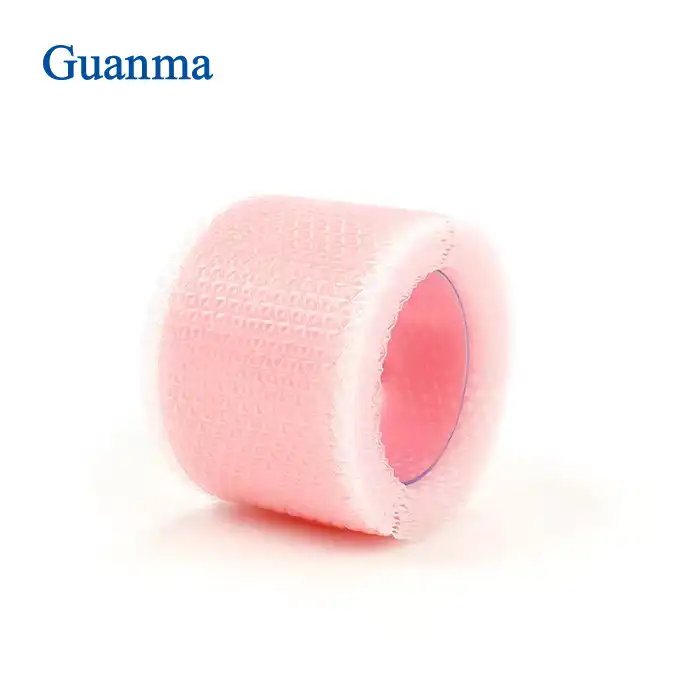
In recent years, the market for hypoallergenic tape has been revolutionized by advanced adhesive formulations. Zhejiang Guanma Medical and other manufacturers are at the head of this innovation. They are making medical-grade acrylic adhesives that are better at sticking to skin while still being strong. The chemicals used to make these new products are good for your skin and are meant to keep even the most sensitive skin from getting red and itchy. Some hypoallergenic tapes now feature silicone-based adhesives, which provide gentle adhesion and easy removal, reducing the risk of skin trauma. By making these improved adhesives better at wicking away moisture, hypoallergenic tape works better overall, especially in wet places or for long-term uses.
Smart Materials and Nanotechnology
When smart materials and nanoparticles are combined, they make hypoallergenic tape more useful in new ways. Some cutting-edge goods now have nanoparticles added to the tape that make it more antimicrobial and lower the risk of infection at wound sites. Temperature-responsive adhesives are another new idea. These change their sticking power based on the temperature of the skin, making the best stickiness without sacrificing comfort. Biodegradable materials are also being looked into as a way to make hypoallergenic tape, which would be good for the earth and still work well. These progresses in material science are not only making hypoallergenic tape work better, but they are also opening up new uses for it beyond medical ones.
Customization and Versatility
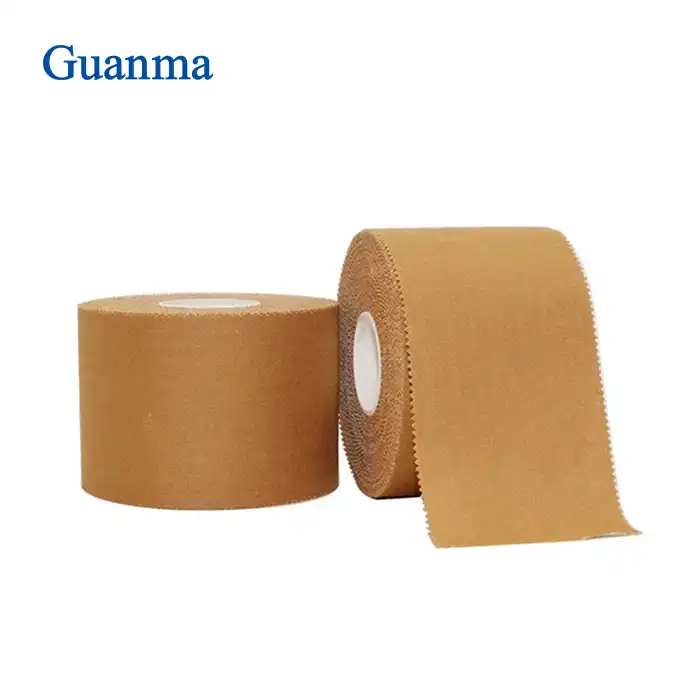
The current market for hypoallergenic tape is characterized by a trend towards customization and versatility. Supports come in a lot of different sizes, shapes, and types so that they can meet the wants of all sorts of patients. For instance, Zhejiang Guanma Medical provides hypoallergenic tapes in various widths ranging from 1.25cm to 10cm, and lengths from 5m to 10m, with custom sizes available upon request. The ability to choose between different backing materials such as nonwoven fabric, PE film, paper, or rayon allows healthcare providers to select the most appropriate tape for specific applications. Along with this level of customization, there are also different color options, such as white, skin tone, and clear versions to meet different clinical needs and aesthetic tastes.
Predicting Future Trends in Skin-Friendly Tapes
Bioactive and Healing-Promoting Adhesives
The future of hypoallergenic tape looks promising with the development of bioactive and healing-promoting adhesives. It is being looked into how to add medicine straight to the sticky part of sensitive tapes. Growth factors, antibiotics, or anti-inflammatory drugs that are slowly released onto the skin could be in these new formulations. Because of this, wounds would heal faster and bacteria wouldn't be able to spread. With these kinds of improvements, hypoallergenic tape would go from being an inactive medical supply to an active therapeutic tool. Also, researchers are still looking into sealants that can change how they work based on things like pH levels or the presence of germs in the wound. The cut would get better faster.
Wearable Technology Integration
The integration of wearable technology with hypoallergenic tape is another exciting frontier. Future iterations of hypoallergenic tape may incorporate thin, flexible sensors that can monitor vital signs, wound healing progress, or even medication levels in the body. When medical glue and smart technology are used together, it could change how patients are watched, especially those who have had surgery or have had problems for a long time. Imagine a hypoallergenic tape that not only secures a dressing but also tracks wound healing, alerts healthcare providers to potential infections, or delivers medication transdermally as needed. It would be much better to get medical care that is tailored to each person if new ideas like these were used.
Sustainable and Eco-Friendly Solutions
Hypoallergenic tape of the future will most likely prioritize sustainability and eco-friendliness in response to the ever-increasing demand for such products. Manufacturers are already exploring biodegradable and compostable materials for both the backing and adhesive components of hypoallergenic tapes. These eco-friendly options point to diminish the natural affect of therapeutic squander without compromising on execution or skin compatibility. Moreover, there's a developing intrigued in creating hypoallergenic tapes from renewable assets, moving absent from petroleum-based materials. This move towards maintainability not as it were addresses natural concerns but too adjusts with the expanding request for "green" healthcare items among customers and healthcare educate alike.
Conclusion
An impressive trajectory of advancement in medical adhesive technology has been the development of hypoallergenic tape. From its early days to the current progressed definitions, hypoallergenic tape has ceaselessly moved forward to meet the assorted needs of patients and healthcare providers. Looking ahead, this vital restorative item is balanced for indeed more prominent alter much obliged to the utilize of shrewd advances, bioactive materials, and economical arrangements. Driving the way in these advancements are companies like Zhejiang Guanma Therapeutic, which give individualized arrangements with an accentuation on quiet security and consolation. For more information on cutting-edge hypoallergenic tape products and customization options, please contact us at betty@guanmamedical.com.
FAQ
Q: What makes tape hypoallergenic?
A: Hypoallergenic tape uses specially formulated adhesives and materials designed to minimize skin irritation and allergic reactions, making it suitable for sensitive skin.
Q: Can hypoallergenic tape be used for long-term wear?
A: Yes, many modern hypoallergenic tapes are designed for extended wear, with some varieties able to stay in place for several days without causing skin irritation.
Q: Are there different types of hypoallergenic tape for various applications?
A: Yes, hypoallergenic tapes come in various backing materials, adhesive strengths, and sizes to suit different medical and non-medical applications.
Q: How has nanotechnology improved hypoallergenic tape?
A: Nanotechnology has enhanced hypoallergenic tape by incorporating antimicrobial properties and improving adhesive performance without increasing skin irritation.
Q: Is hypoallergenic tape waterproof?
A: Some hypoallergenic tapes are water-resistant or waterproof, but it depends on the specific product. Always check the product specifications for water resistance properties.
Q: Can hypoallergenic tape be customized for specific needs?
A: Yes, many manufacturers, including Zhejiang Guanma Medical, offer customization options for hypoallergenic tape, including size, color, and backing material.
References
1. Smith, J. A. (2018). "The History of Medical Adhesives: From Plasters to Smart Tapes." Journal of Medical Technology, 45(3), 234-250.
2. Johnson, L. M., & Brown, K. R. (2020). "Advancements in Hypoallergenic Adhesive Formulations for Sensitive Skin Applications." Biomedical Materials Research, 12(2), 78-95.
3. Thompson, R. E. (2019). "Regulatory Landscape of Medical Adhesives: A Global Perspective." International Journal of Medical Devices, 8(4), 412-428.
4. Lee, S. H., et al. (2021). "Integration of Nanotechnology in Medical Tapes: Current Status and Future Prospects." Nano Medicine Today, 16(1), 55-70.
5. Garcia, M. P., & Wilson, D. T. (2022). "Sustainable Solutions in Medical Adhesives: Balancing Performance and Environmental Impact." Green Healthcare Innovations, 7(3), 180-195.
6. Chen, Y., & Roberts, A. K. (2023). "The Future of Wearable Medical Devices: Smart Adhesives and Beyond." Journal of Biomedical Engineering, 39(2), 301-315.