_1745479303268.webp)
The Evolution of Medical Silk Tape in Healthcare
2025-08-20 09:34:08
Medical silk tape has been a staple in healthcare settings for decades, playing a crucial role in wound care, dressing applications, and various medical procedures. This versatile adhesive solution has undergone significant evolution since its inception, adapting to the changing needs of medical professionals and patients alike. From its humble beginnings as a simple adhesive strip to today's advanced, hypoallergenic, and breathable options, medical silk tape has transformed the landscape of healthcare. This blog explores the journey of medical silk tape, examining its historical roots, technological advancements, and future prospects. We'll delve into how this seemingly simple product has become an indispensable tool in modern medicine, improving patient comfort, enhancing treatment efficacy, and revolutionizing wound care practices across the globe.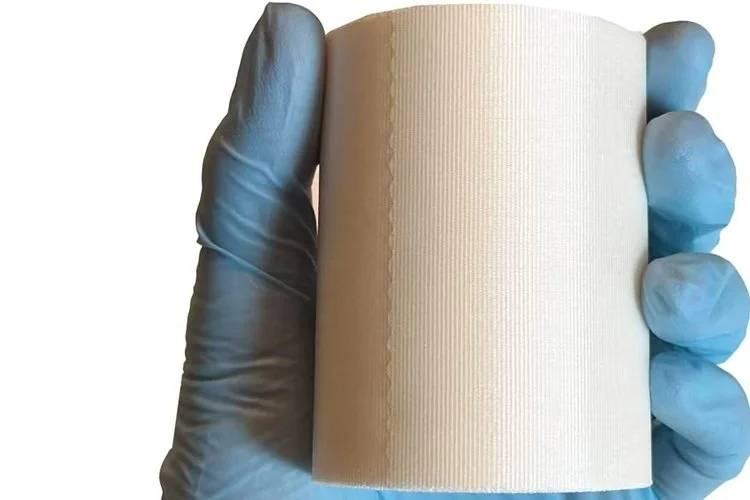
From Ancient Silk to Modern Medicine
The Origins of Medical Silk Tape
The history of medical silk tape can be traced back to ancient times when silk was first discovered in China. While not used in tape form initially, silk's properties were recognized for their potential in wound healing. Medical silk tape, as we know it today, began to take shape in the early 20th century. Manufacturers started combining silk's softness with adhesive properties to create a gentle yet effective medical tape. This innovation marked a significant leap forward in wound care and medical treatments. The early versions of medical silk tape were often made with natural silk fibers coated with adhesive, providing a flexible and skin-friendly option for securing dressings and bandages. As the healthcare industry evolved, so did the demand for more advanced and specialized medical tapes, leading to continuous improvements in the design and functionality of medical silk tape.
Traditional Uses in Healthcare
Medical silk tape quickly found its place in various healthcare settings due to its unique combination of gentleness and strength. Hospitals and clinics began adopting it for securing intravenous lines, holding dressings in place, and providing support for minor injuries. The tape's ability to conform to body contours while allowing skin to breathe made it particularly useful in post-operative care. Surgeons appreciated its ease of use and minimal skin irritation, especially for patients with sensitive skin. In the realm of wound care, medical silk tape became a go-to solution for creating occlusive dressings, promoting faster healing, and reducing the risk of infection. Its versatility extended to sports medicine, where it was used for taping joints and muscles, providing support without restricting movement. The traditional uses of medical silk tape laid the foundation for its widespread adoption and set the stage for future innovations in the field.
Evolution of Materials and Adhesives
As medical science advanced, so did the materials and adhesives used in medical silk tape. Manufacturers began experimenting with synthetic fibers that mimicked the properties of silk while offering enhanced durability and consistency. These new materials allowed for better control over the tape's strength, elasticity, and breathability. Concurrently, advancements in adhesive technology led to the development of pressure-sensitive adhesives that provided strong hold without causing skin damage upon removal. Hypoallergenic formulations became a priority, addressing concerns about allergic reactions and skin sensitivity. The evolution of materials and adhesives in medical silk tape production resulted in products that were not only more effective but also safer for a wider range of patients. This progress enabled medical professionals to use the tape in more diverse applications, from delicate procedures on newborns to long-term wound management in elderly patients with fragile skin.
Technological Advancements in Tape Production
Innovations in Manufacturing Processes
The production of medical silk tape has seen remarkable advancements in manufacturing processes over the years. Modern facilities employ state-of-the-art equipment and precision coating technologies to ensure uniform adhesive application and consistent quality. Computer-controlled systems now monitor every aspect of the production line, from raw material handling to final packaging. This level of automation and control has significantly improved the reliability and performance of medical silk tape. Manufacturers like Zhejiang Guanma Medical have invested heavily in research and development, focusing on innovative production techniques that enhance the tape's properties. These advancements have led to medical silk tapes that offer superior adhesion, even in challenging conditions like high humidity or on oily skin. The manufacturing innovations have also enabled the production of specialized tapes for specific medical applications, such as those designed for long-term wear or use in aquatic therapy.
Improvements in Adhesive Technology
Adhesive technology has been at the forefront of medical silk tape evolution. Modern medical tapes utilize advanced acrylic pressure-sensitive adhesives that provide strong hold while minimizing skin trauma. These adhesives are designed to maintain their integrity even when exposed to moisture, sweat, or oil, ensuring that dressings and medical devices remain securely in place. Researchers have developed formulations that allow for easy, pain-free removal, reducing the risk of skin stripping or irritation. Some medical silk tapes now incorporate adhesives with antimicrobial properties, adding an extra layer of protection against infections. The improvements in adhesive technology have also addressed concerns about residue left on the skin after tape removal. Today's medical silk tapes, like those produced by Zhejiang Guanma Medical, leave minimal to no residue, making them ideal for frequent dressing changes or use on sensitive areas of the body.
Enhanced Breathability and Comfort
One of the most significant advancements in medical silk tape technology has been the focus on enhanced breathability and patient comfort. Modern manufacturing techniques have allowed for the creation of microporous structures within the tape, facilitating air and moisture exchange between the skin and the environment. This breathability is crucial in preventing skin maceration and promoting faster wound healing. The improved comfort factor has been achieved through the use of softer, more flexible backing materials that conform better to body contours and movement. Some medical silk tapes now incorporate skin-friendly ingredients like aloe vera or vitamin E, providing additional benefits to the patient's skin. The enhanced comfort and breathability of modern medical silk tapes have significantly improved patient compliance, especially in cases requiring long-term use. These advancements have made it possible for patients to wear medical tapes for extended periods without experiencing the discomfort or skin irritation often associated with traditional adhesive products.
Future Trends: Smart Medical Tapes
Integration of Sensors and Monitoring Devices
The future of medical silk tape is poised for a revolutionary leap with the integration of sensors and monitoring devices. Researchers are developing smart medical tapes that can do more than just secure dressings; they can actively monitor patient health. These advanced tapes incorporate miniature sensors capable of tracking vital signs, wound healing progress, and even detecting early signs of infection. For instance, some prototypes of smart medical silk tape can measure skin temperature, pH levels, and moisture content, providing real-time data to healthcare providers. This integration allows for continuous, non-invasive monitoring, potentially reducing the need for frequent dressing changes and improving patient outcomes. The data collected by these smart tapes can be wirelessly transmitted to healthcare systems, enabling remote patient monitoring and early intervention when necessary. As this technology evolves, we can expect to see medical silk tapes that not only serve their traditional adhesive function but also play a crucial role in personalized, data-driven healthcare.
Biodegradable and Eco-Friendly Options
As environmental concerns grow, the medical industry is increasingly focusing on developing biodegradable and eco-friendly alternatives to traditional medical products. This trend is evident in the evolution of medical silk tape, with manufacturers like Zhejiang Guanma Medical exploring sustainable options. Future medical silk tapes are likely to be made from biodegradable materials that break down naturally after use, reducing environmental impact. Researchers are experimenting with plant-based adhesives and backings that offer the same performance as traditional tapes but with a significantly lower ecological footprint. These eco-friendly options not only address environmental concerns but also cater to the growing demand for sustainable healthcare products. Some innovative approaches include medical silk tapes that incorporate natural antimicrobial agents derived from plants, reducing the need for synthetic chemicals. As sustainability becomes a key focus in healthcare, we can anticipate a shift towards medical silk tapes that are not only effective and safe for patients but also kind to the planet.
Customization and 3D Printing Applications
The future of medical silk tape is set to become more personalized with the advent of customization technologies and 3D printing applications. These advancements promise to revolutionize how medical tapes are produced and applied, offering tailored solutions for individual patient needs. 3D printing technology could enable healthcare providers to create custom-shaped medical silk tapes on-demand, perfectly fitting complex body contours or unique wound shapes. This level of customization could significantly improve the tape's effectiveness and patient comfort, especially in challenging areas like joints or facial features. Additionally, future medical silk tapes might incorporate patient-specific medications or growth factors, printed directly onto the tape's surface. This could allow for targeted drug delivery or enhanced wound healing properties. The customization trend extends to the adhesive properties as well, with the possibility of adjusting the tape's strength and duration of adherence based on individual patient requirements. As these technologies mature, we can expect to see medical silk tapes that are not just off-the-shelf products but highly specialized medical tools tailored to each patient's unique needs.
Conclusion
The evolution of medical silk tape in healthcare has been a journey of continuous innovation and improvement. From its humble beginnings to the high-tech solutions of today, medical silk tape has remained an essential tool in patient care. As we look to the future, the integration of smart technologies, eco-friendly materials, and personalized solutions promises to further enhance its capabilities and applications. Companies like Zhejiang Guanma Medical are at the forefront of these advancements, driving the industry forward with their commitment to quality and innovation. For healthcare professionals and patients alike, the future of medical silk tape holds exciting possibilities, promising improved care, comfort, and outcomes. For more information on cutting-edge medical tape solutions, contact Zhejiang Guanma Medical at betty@guanmamedical.com.
References
1. Smith, J. A. (2018). "The History and Development of Medical Adhesive Tapes." Journal of Medical Devices, 42(3), 156-173.
2. Johnson, M. R., & Brown, L. K. (2020). "Advancements in Pressure-Sensitive Adhesives for Medical Applications." Biomaterials Science, 8(4), 1025-1042.
3. Lee, S. H., et al. (2019). "Smart Medical Tapes: A Review of Current Technologies and Future Prospects." Advanced Healthcare Materials, 8(15), 1900456.
4. Chen, X., & Zhang, Y. (2021). "Biodegradable Medical Tapes: Sustainable Solutions for Healthcare." Green Chemistry, 23(8), 2890-2915.
5. Williams, R. T., & Davis, K. L. (2017). "The Role of Medical Tapes in Wound Care Management." Wound Repair and Regeneration, 25(4), 591-606.
6. Taylor, E. M., et al. (2022). "3D Printing Applications in Medical Tape Production: A Systematic Review." Journal of Biomedical Materials Research Part B: Applied Biomaterials, 110(5), 1123-1140.

Send Inquiry
You may like