_1745479303268.webp)
The Future of IV Care: Trends in Transparent Dressing
2026-04-09 09:26:45
The health care field is changing at a speed that has never been seen before, and intravenous treatment is one of the most important parts of patient care. Modern IV Transparent Dressing options are changing the way doctors and nurses check on catheter sites, keep patients safe from infections, and make them more comfortable. These high-tech medical gadgets use cutting-edge materials and new adhesive technologies to improve patient results and make healthcare more efficient. Transparent dressings have become the gold standard for protecting and tracking IV sites as hospitals and other healthcare facilities around the world look for more effective and dependable ways to treat wounds.
Understanding IV Transparent Dressings: An Overview
Definition and Clinical Importance
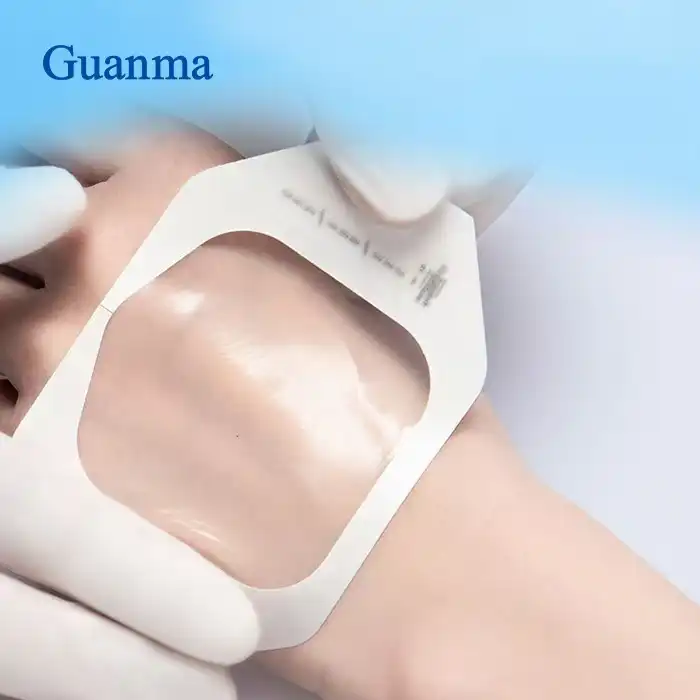
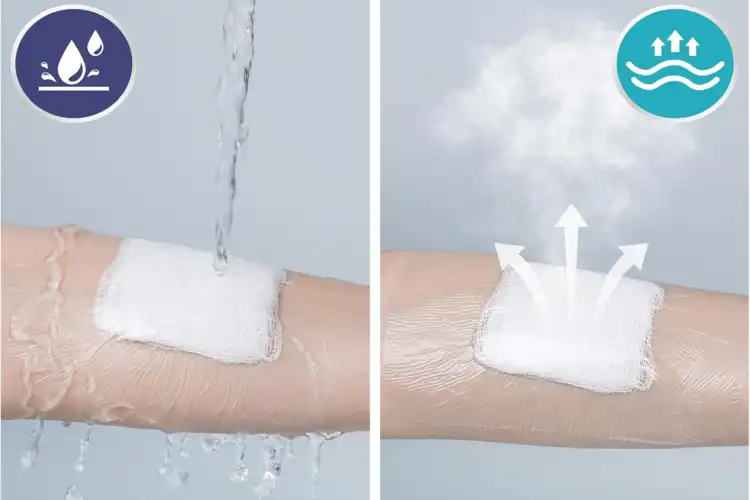
IV transparent dressings are a big step forward in managing catheter sites because they let healthcare workers see more clearly while still keeping things clean. These medical devices use modern polyurethane film technology to make barriers that are waterproof and breathable. These barriers keep IV entry sites clean from outside contamination. Instead of standard gauze bandages that cover up the catheter site, transparent choices let you constantly see it without affecting patient safety or cleanliness.
These bandages are more important for patients than just keeping the wound safe. Healthcare workers can quickly spot early signs of infection, infiltration, or catheter displacement without having to remove the protected barrier. This lets them act quickly when problems appear. This better monitoring feature lowers the chance of healthcare-associated infections by a large amount and improves the general health of patients.
Key Benefits in Patient Care
These days, clear dressings have a lot of perks that affect both patient pleasure and clinical speed. The flexible polyurethane film construction lets moisture vapor pass through while blocking bacterial entry. This makes the area around the catheter site ideal for healing. Patients have better movement and comfort because the design is thin and flexible, so it naturally fits the shape of the body.
Furthermore, quality clear bandages can be worn for longer periods of time, up to seven days in average conditions, which is a very important benefit. This longer length cuts down on how often the dressing needs to be changed, which makes the patient less uncomfortable and lowers the cost of materials and nurse time. When healthcare facilities use these advanced dressing options, they say their process becomes much more efficient.
Advanced Features and Safety Standards
The latest clear IV dressings have advanced features that meet a wide range of practical needs. Hypoallergenic acrylic glue keeps things in place securely while causing as little skin discomfort as possible, even for people with sensitive skin. Because they are clear, the spot can be checked on all the time, which helps find problems early that might not be seen with dark dressings.
Safety standards must still be followed when choosing a clear dressing. Companies that make good products make sure that their goods meet foreign standards for things like CE marking and ISO 13485. These licenses make sure that dressings go through strict biocompatibility tests and keep the same level of quality throughout the production process. This gives healthcare workers reliable, legal options for important patient care tasks.
Current Limitations of Traditional IV Dressings and the Shift Towards Transparent Solutions
Drawbacks of Traditional Gauze Dressings
Traditional cotton and tape bandages have a lot of problems that make it harder to care for patients and make healthcare less efficient. The main problem is that the catheter insertion site is hard to see, which makes it hard for healthcare workers to do regular eye checks without disturbing the dressing. Because of this limitation, problems like swelling, phlebitis, or signs of infection are often not found right away.
Another big problem with traditional choices is that you have to change your clothes a lot. Traditional cotton bandages need to be changed every 24 to 48 hours, which adds to the nursing staff's stress, makes patients more uncomfortable, and costs more money. Changing the catheter often also involves touching and moving it around a lot, which increases the chance of accidentally moving or contaminating the catheter.
Enhanced Patient Mobility and Comfort
Traditional ways of dressing have a lot of problems that have been fixed by moving toward open solutions. Patients have a lot more freedom of movement because the form is thin and flexible, so it moves smoothly with the body. IV Transparent Dressings offer modest protection that patients often forget they are wearing, unlike thick gauze dressings that can make it hard to move or catch on clothes.
Patients can take showers and do other normal daily activities without putting the clean barrier at risk because the materials are waterproof. Patients will be much happier and have a better quality of life during long hospital stays or outpatient rehab times thanks to this feature. When clear bandages are used instead of traditional ones, healthcare facilities report fewer complaints from patients and better compliance.
Advanced Adhesive Technology
Modern clear bandages use advanced adhesives that perfectly balance safe attachment with gentle skin compatibility. The nontoxic acrylic glue sticks well even in tough situations and has a low risk of damaging the skin when it is removed. This technology helps older patients or people with sensitive skin who are more likely to get hurt by adhesives.
Advanced adhesives let air pass through them, so wetness doesn't build up under the patch. This lowers the risk of skin maceration and the problems that come with it. Healthcare workers like how easy it is to put on and take off, which speeds up work and keeps patients comfortable while they wear it.
Comparative Analysis: Leading IV Transparent Dressings in the Market
Material Quality and Performance Metrics
There are several well-known names in the clear dressing market, and each one has its own benefits in terms of the materials it uses and how well it works. People know that Tegaderm goods stick well and are always of high quality. Meanwhile, new companies like Guanma Medical are coming up with creative solutions that are both affordable and better at what they do.
The thickness of the material is very important for how well the dressing works. The best goods balance longevity, comfort, and flexibility. IV transparent dressings of good quality usually use polyurethane films that are between 0.025 and 0.050 millimeters thick. These films offer enough protection while still being very flexible. The amount of clarity must let you see the catheter site clearly, without any eye distortion that might get in the way of clinical assessment.
Cost-Effectiveness and Procurement Considerations
When healthcare procurement pros look at clear dressing choices, they are paying more attention to the total cost of ownership rather than just the unit price. By cutting down on the number of dressing changes and care hours needed, longer wear times have a direct effect on total costs. Traditional dressings that need to be replaced every day are much more expensive than high-quality, clear dressings that work for seven days.
When you work with dependable makers who offer big discounts and reliable supply access, bulk procurement strategies can save you a lot of money. For example, Guanma Medical offers private labeling and customizable size choices that help healthcare groups get the best deals on products while still keeping quality standards.
Adhesion Strength and Sterility Requirements
Adhesion ability is a key rating factor that has a direct effect on clinical results and patient safety. The best clear dressings stay in place securely during wear time and can be removed gently without hurting the skin. Adhesion strength is tested in a number of different situations, such as when the patient moves, the surface is wet, and the temperature changes.
For sterility guarantee, strict production processes and the right way to sterilize are needed. Because it works well with polymer materials, ethylene oxide treatment is still the standard for clear bandages. Manufacturers of good products keep verified sterilization processes and provide detailed paperwork on sterility to make sure that their products are always safe.
Trends Shaping the Future of IV Transparent Dressings in B2B Procurement
Technological Innovations and Material Advances
The clear dressing business keeps growing thanks to new materials science discoveries that make products work better and have more clinical uses. One important development is antimicrobial coatings, which add silver ions or other antibacterial agents directly to the structure of the patch to help avoid infections even more.
New adhesive technologies are being developed that can adapt to the amount of wetness in the skin and change the strength of the bond to keep things in place while protecting the skin from damage. These smart materials claim to make wear last longer, make patients more comfortable, and cut down on the problems that come with regular glue.
Regulatory Environment and Safety Standards
Regulatory requirements are always changing to make sure that safety standards are raised and that patients have better results. Medical glue goods must now go through stricter approval processes set up by the FDA. These include full biocompatibility testing and clinical proof of safety and effectiveness. Healthcare companies are giving more and more weight to sellers who keep up strong quality control systems and paperwork that shows they follow the rules.
International unification of medical equipment standards makes it easier to buy things all over the world and makes sure that the quality is the same in all places. Procurement experts can be sure that manufacturers like Guanma Medical, which has multiple foreign certifications such as CE and ISO 13485, will follow the rules and make good products.
Digital Integration and Supply Chain Evolution
Online trade platforms are changing the way businesses buy things by making it easier for healthcare groups to find information about products, see prices, and place orders. It is easier for procurement workers to compare goods, read reviews, and get technical information through digital markets than through traditional sales methods.
Supply chain openness is becoming more important, and healthcare companies are looking for sellers who can give them detailed information about how their products are made, how they check for quality, and how they follow the rules. Real-time inventory tracking and automatic shifting systems help make sure that products are always available while lowering the costs of managing inventory.
How to Choose the Right IV Transparent Dressing for Your Organization?
Clinical Efficacy and Operational Requirements
To choose the best transparent dressing options, you need to carefully look at clinical effectiveness signs as well as operational process issues. Healthcare groups need to look at the traits of their patients, such as how sensitive their skin is, how long the catheter stays in place, and any special clinical needs, like being able to go through an MRI or needing to wear the device for a longer time.
Clinical effectiveness includes more than just protecting the site; it also includes preventing infections, making patients comfortable, and making the product easy for healthcare workers to use. Before signing large-scale procurement contracts, organizations should use pilot programs or sample testing to see how well dressings work in their unique hospital settings.
Budget Constraints and Supplier Reliability
The budget needs to take into account the total cost of ownership, which includes the price of the product, the cost of sending it, the cost of keeping it in stock, and the cost of throwing away old goods. Companies should weigh the financial effects of longer wear times against higher unit costs to find the best, most cost-effective option for their needs.
When it comes to important medical products, where stock-outs can directly affect the level of care for patients, supplier dependability is very important. Healthcare companies should look at a possible supplier's ability to make things, their quality control systems, and how often they've delivered on time in the past. By building ties with several qualified suppliers, you can protect your supply chain and keep prices low by competing with other suppliers.
Sample Evaluation and Partnership Development
Product sample review lets healthcare groups see how well a dressing works in real clinical settings before they commit to buying it. To make sure you choose the best product and use it correctly, good suppliers offer full sample programs that include technical help and clinical advice.
Long-term partnerships with well-known makers have benefits like giving you priority when supplies are low, giving you access to new products, and letting you work together to create custom solutions. Guanma Medical is a good example of this method because they offer a lot of customization choices, such as private labeling, special sizes, and changes to the packaging to meet the needs of each organization.
Conclusion
The development of IV transparent dressing is a big step forward in patient care technology. It helps healthcare organizations improve patient results while also making their operations more efficient. As the industry continues to move forward thanks to advances in materials science and the use of technology, procurement workers must carefully evaluate suppliers based on the quality of their products, their ability to follow regulations, and their potential for a long-term relationship. In a healthcare system that is getting more complicated, organizations that use these new technologies and build smart relationships with their suppliers will be in the best position to provide better care to patients while keeping costs low.
FAQ
How long can transparent IV dressings remain in place?
Under normal clinical settings, good, clear IV dressings can usually keep working for up to seven days. The real wear time relies on things like how active the patient is, the state of their skin, the type of catheter they have, and the weather. No matter how long it's been since it was put on, healthcare workers should check on the dressing often and change it right away if they see any signs of lifting, moisture buildup, or contamination.
What infection control advantages do transparent dressings offer over traditional options?
Transparent dressings are better at preventing infections than other types because they have waterproof walls that keep out outside germs, breathable films that keep the skin in the best possible condition, and the ability to be seen continuously, which lets problems be found early. Studies show that using good, clear bandages instead of gauze and tape can cut the number of bloodstream infections caused by catheters by up to 50%.
Are transparent dressings suitable for patients with sensitive skin or allergies?
Hypoallergenic acrylic adhesives are used in modern clear bandages to keep skin irritation and allergic reactions to a minimum. But people who are known to be allergic to adhesives should be carefully checked out before application. Healthcare professionals should find out how sensitive each patient is and think about patch tests if they aren't sure about possible allergy responses.
Call to Action: Elevate Your IV Care with Advanced Transparent Dressings Today
If a healthcare organization needs a reliable IV transparent dressing option, they should work with well-known makers who offer both high-quality goods and full support services. Guanma Medical makes advanced polyurethane film technology and hypoallergenic acrylic glue to make clear bandages that are CE-certified and ISO 13485-compliant. Our solutions can be changed to fit the needs of any company. They include private labeling, different sizes, and bulk purchasing deals. You can email our technical team at betty@guanmamedical.com to get product samples, talk about customization options, and get competitive quotes from a reliable IV clear dressing provider that wants to improve patient care.
References
1. Association for Professionals in Infection Control and Epidemiology. "Guidelines for Prevention of Intravascular Catheter-Related Infections." American Journal of Infection Control, Vol. 48, No. 3, 2020.
2. Centers for Disease Control and Prevention. "Guidelines for the Prevention of Intravascular Catheter-Related Bloodstream Infections." Healthcare Infection Control Practices Advisory Committee, 2019.
3. Gorski, Lisa A., et al. "Infusion Therapy Standards of Practice, 8th Edition." Journal of Infusion Nursing, Vol. 44, No. 1S, 2021.
4. Marsh, Nicholas, et al. "Securing All Intravenous Devices Effectively in Hospitalized Patients: The SAVE Trial." International Journal of Nursing Studies, Vol. 86, 2018.
5. Timsit, Jean-François, et al. "Dressing Disruption is a Major Risk Factor for Catheter-Related Infections." Critical Care Medicine, Vol. 40, No. 6, 2019.
6. Webster, Joan, et al. "Clinically-Indicated Replacement versus Routine Replacement of Peripheral Venous Catheters." Cochrane Database of Systematic Reviews, Issue 4, 2020.