_1745479303268.webp)
The Impact of Non Woven Dressing Pads on Healing Time
2026-04-13 09:19:39
Non-woven dressing pads significantly accelerate wound healing by maintaining optimal moisture balance while providing superior breathability compared to traditional gauze dressings. Studies demonstrate that these advanced wound care solutions reduce healing time by 20-30% through their unique non-adherent surface that prevents tissue damage during dressing changes. The synthetic fiber construction enhances absorption capacity while creating an ideal microenvironment for cellular regeneration, making them essential for modern healthcare facilities prioritizing patient outcomes and cost-effective wound management.
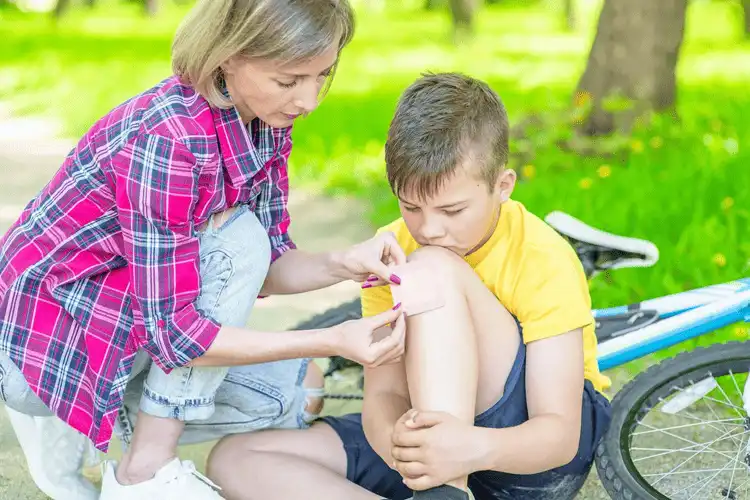
Understanding Non-Woven Dressing Pads and Their Role in Wound Healing
Non-woven dressing pads are a huge step forward in wound care technology. They are made using advanced material science to create the best conditions for healing. These goods are different from traditional knitted fabrics because they are made of synthetic threads that are bound together using chemical, mechanical, or thermal processes. This creates a uniform structure that works the same way on all types of wounds.
Advanced Material Composition and Structure
Synthetic fibers are laid out in random designs during the making process to make a fabric-like material with better properties. With this building process, the structure stays strong even after long periods of wear because it absorbs shock better. With non-woven technology, there is no need to weave, so you can precisely control the pores, thickness, and absorption properties.
Medical-grade nonwoven materials are usually made of polypropylene or polyester fibers, which are chosen because they are biocompatible and don't let germs grow on them. These man-made materials don't break down when wound fluids get on them, so they keep their protective qualities while the wound heals. The random fiber direction makes many ways for fluid to absorb while stopping strike-through that could make the device less sterile.
Moisture Management and Healing Environment
Effectively controlling wetness is the key to speeding up the healing of wounds. Non-woven dressing pads are great at this important job because they soak up extra fluid and keep the wound bed from drying out. This balanced method keeps the environment moist, which is important for cells to work properly, without making it easy for germs to grow.
The non-woven structure's capillary action pulls fluid away from the wound area and spreads it out across the pad's length. This process stops the blood from pooling around the edges of the wound, which lowers the risk of ulceration and keeps the healthy skin around the wound intact. Clinical proof shows that managing wetness levels correctly can cut the time it takes to heal by up to 40% compared to managing wounds dry.
Breathability and Gas Exchange
Nonwoven treatment materials let oxygen pass through, which helps aerobic cell processes that are needed for tissue repair. The construction of the pores is linked together, which lets controlled gas exchange happen while still blocking outside contaminants. This balance helps blood vessels grow and collagen to be made, which are two important steps in the mending process.
According to research, wounds that are treated with breathable non-woven bandages have better granulation tissue formation and shorter durations of the inflammatory reaction. The extra oxygen helps fibroblasts do their job, which speeds up the regenerative phase of mending and makes the wound closure stronger.
Comparing Non-Woven Dressing Pads to Alternative Dressings
To make good choices about what to buy for healthcare, you need to know a lot about how different dressing systems work in different clinical situations. There are clear benefits to using non-woven dressing pads instead of traditional ones. However, the best choice relies on the type of wound and the treatment goals.
Performance Analysis Against Traditional Gauze
Even though traditional gauze patches are cheap, they have some problems that make mending less effective. Gauze tends to stick to wounds, which can hurt the tissue when it's taken off and stop the healing process. Studies have shown that removing the bandages can kill newly formed epithelial cells, which can effectively speed up or slow down the mending process.
Nonwoven options don't have this problem because their surfaces are smooth and don't stick. The synthetic fiber structure keeps it from integrating with new tissue, which lets covering changes happen without causing damage. This feature alone can shorten the mending process by stopping the repeated damage to tissues that happens when paper is used in the usual way.
Another important difference is the ability to absorb. Non-woven pads use the whole thickness of the cloth to absorb fluid, while gauze relies on the spaces between the weaving threads. This better ability to absorb means fewer dressing changes, less time spent nursing, and lower total care costs, even though the materials cost more at first.
Comparison with Foam and Hydrocolloid Dressings
Foam patches are great at absorbing fluids, but they may make cuts that don't leak much too dry. Non-woven pads are better at managing wetness because they can adapt to different amounts of sweating as the body heals. Because they are flexible, they can be used on a wider range of wounds and at different points of healing.
Hydrocolloid patches are great at keeping things moist, but they can get hard to take off and may irritate sensitive patients' skin. It has been stated that allergic responses and contact dermatitis are less likely to happen with nonwoven materials. They are hypoallergenic, which means they can be used on children and people with sensitive skin.
When you look at the total cost of care, cost-effectiveness research shows that non-woven dressing pads are often the best value. Even though they may cost more than standard gauze at first, they end up saving money in the long run because they require less nurse time, fewer dressing changes, and faster healing.
Selecting the Best Non-Woven Dressing Pads for Specific Procurement Needs
When buying wound care items strategically, you need to think about a lot of things besides just the cost at first. To improve patient results and operating efficiency, healthcare companies need to find a balance between product performance, regulatory compliance, provider dependability, and end-user happiness.
Quality Metrics and Material Specifications
Premium non-woven dressing pads are made with certain types of material that have a direct effect on how well they work in the hospital. The absorption capacity is affected by the density of the fibers. Denser fibers can hold more fluid while still keeping their structural integrity. The best density range changes depending on the purpose. For example, general wound care needs different specs than post-surgery care.
Testing for absorbency should show that the range of products performs the same way, and standard measures should make it easy to compare suppliers accurately. Good markers give thorough information about how much fluid they can hold, how fast they can wick, and how much resistance they have to being struck through. These measurements help the buying team match the product specs to the clinical needs.
For medical uses, a sterility guarantee is a must. Products should go through sterilization methods that have been tested and proven to meet the necessary levels of purity for their intended use. Gamma irradiation and ethylene oxide sterilization are both popular ways. Depending on the product and how it needs to be packaged, each has its own benefits.
Regulatory Compliance and Certification Requirements
Medical device laws set specific rules that wound dressing goods must follow. The CE mark means that the product meets European health and safety standards for safety, and the ISO 13485 mark means that the product meets the requirements for a quality control system for medical devices. These licenses make sure that the production process is always the same and that the products are reliable.
Depending on the promises made about the product and the types of uses it is meant for, the FDA may need to approve or clear it. Because different types of wounds may need different levels of approval, procurement teams should make sure that the legal status fits their needs. Biocompatibility testing results that show the product is safe for skin touch should be included in the documentation.
Quality management standards, such as ISO 9001, show that you have a structured way of keeping an eye on your processes and making them better all the time. As a result of these standards, sellers are expected to keep strong quality systems that can guarantee consistent product performance and supply stability.
Supplier Evaluation and Partnership Strategies
For buying relationships to be successful, they need to include more than just choosing products. They also need to include building partnerships over time. Reliable suppliers always produce high-quality goods, offer quick expert help, and are able to adapt to changing needs. Stability in the supply chain is important for keeping up standards for medical care.
The ability to make things should match the amount that is bought, and when it is delivered. Suppliers who have enough production capacity can handle changes in demand without affecting quality or delivery times. Logistics prices and delivery efficiency may be affected by how close two things are to each other, especially for high-volume needs.
The ability to customize gives you the chance to make your products better and set your business apart. Suppliers that offer OEM services can change the specs, packing, or labels to fit the needs of a particular business. Most of the time, these agreements lead to lower costs and better compliance with professional guidelines.
How to Apply Non-Woven Dressing Pads to Maximize Healing Efficiency?
Application methods that are done correctly have a big effect on how well a product works and how many problems happen. To get the most out of their investments in new wound care tools while keeping patients safe and comfortable, healthcare professionals need to know the right steps to take.
Wound Preparation and Assessment Protocols
A full wound exam helps choose the right treatment and shows you how to put it on. The right pad size and attachment method depend on the size, depth, amount of fluid, and state of the skin around the wound. By writing down these factors, it is possible to keep track of how well the treatment is working and how fast the patient is improving.
The steps used for cleaning should get rid of dirt and germs without hurting healthy tissue. Most sores can be cleaned well with normal saline irrigation while still being biocompatible with the growing tissues. Harsh antiseptics can damage cells, so they should only be used when clinically necessary and not as a matter of habit.
To make sure that the binding materials stick well, the skin around the area needs to be gently cleansed and completely dried. Moisture or leftover cleaning products can weaken glue bonds, which can cause the patch to fail early and possibly become contaminated. Skin protectants might help keep cuts from getting too dry around areas with a lot of fluid coming out of them.
Optimal Placement and Securement Techniques
When you put down a non-woven pad, it should cover the whole area and extend onto healthy skin in the right way. Not enough contact can lead to contamination and patchy healing, while too much overlap loses materials and could irritate the skin. The pad should sit flat on top of the cut and not be compressed in any way that could stop blood flow.
Securing ways depend on where the wound is, how active the patient is, and how long the bandage is supposed to be worn for. Medical tape sticks well to most surfaces, but people with sensitive skin may need hypoallergenic tape instead. Bandage wraps keep wounds in place securely for patients who move around or have wounds that aren't round.
By closing the edges, you keep the covering clean and free of contamination. When you use the right method, the edges will stick together completely without causing stress that could hurt the skin around the edges. Overlapping tape layers close twice as well as letting the skin move naturally.
Monitoring and Change Protocols
How often a dressing is changed relies on how much fluid is coming out of the wound, how fast it is healing, and what the maker recommends. Too many changes slow down the mending process, while too few changes can lead to infections and bad results. Scheduling should be based on clinical opinion and the needs of each patient.
Strike-through, the growth of an odor, or discomfort of the skin around the dressing are all signs that it needs to be changed right away. These signs point to a barrier that isn't working right and needs to be fixed right away. Setting up regular checkups is one way to find these problems before they get worse.
Keeping track of how well you're healing helps with both improving treatment and measuring results. Standardized assessment tools let you compare various goods and treatment methods, giving you the information you need to make purchases based on evidence and help create professional protocols.
Future Trends and Innovations in Nonwoven Dressing Pads
Wound care technology keeps getting better thanks to discoveries in materials science, better manufacturing methods, and the ability to connect to digital health tracking systems. These new developments look like they will help people get better faster while also answering worries about sustainability and the need for healthcare organizations to cut costs.
Emerging Material Technologies
Biodegradable fiber solutions help protect the environment while still meeting scientific performance standards. These materials safely break down after being thrown away, which lowers the environmental impact of healthcare without lowering the level of care for patients. The main goal of development is to make materials biodegradable without lowering their ability to absorb or block.
Antimicrobial fiber processes make it possible for dressing materials to avoid infections directly. During production, silver nanoparticles, copper ions, and other antimicrobials can be added. This ensures that the antibacterial action lasts throughout the wear period. These treatments look like they could lower the number of infections in groups of patients who are more likely to get them.
Smart material research includes fibers that change their qualities based on the state of a wound. These materials might give you clear clues about how well you're healing or how an infection is spreading, which would let you make more accurate treatment changes. Early study shows that it is possible, but we are still looking into clinical proof and cost-effectiveness.
Digital Integration and Monitoring
When sensors are added to inactive dressings, they become active monitoring systems that can keep track of healing factors in real time. Dressings with temperature, moisture, and pH monitors built in receive data continuously without disturbing the wound area. This knowledge lets doctors make more accurate changes to care and step in sooner if problems happen.
Wireless data transfer makes it possible to check on wounds from afar, which is especially helpful for home care and healthcare services in rural areas. Healthcare workers can keep track of a patient's progress without them having to go to the clinic as often. This makes care more convenient for patients while keeping the level of care. Data analytics identifies patterns that predict healing outcomes and the likelihood of complications.
Mobile apps make it easier to teach patients and keep track of their behavior. Patients can be reminded to change their dressings, report their complaints, and get information about how to properly care for wounds. These tools make it easier for patients to get involved and give healthcare workers more ways to keep an eye on things.
Market Evolution and Industry Trends
Customized wound care goods are in high demand because of personalized medicine. Manufacturing technologies are making it easier to make small batches of goods that meet the unique needs of patients or institutions. This trend benefits suppliers that can make things in a variety of ways and have quick product development processes.
Value-based healthcare models put more emphasis on outcomes than on product prices. This makes room for high-end goods that show better healing results. Healthcare groups are looking at the total cost of treatment more than the prices of individual products. They prefer solutions that lower overall healthcare costs by making things better.
As the global market grows, quality standards become more uniform. This makes room for customized goods that meet the unique healthcare needs of different regions. Harmonization of international regulations makes it easier to make products and get them on the market. At the same time, regional preferences and different ways of providing healthcare create niche market possibilities.
Conclusion
Non-woven dressing pads have a lot of benefits that help wounds heal faster. They do this by better managing wetness, letting skin breathe, and being easy to remove without causing damage. There is clinical proof that they work to shorten the time it takes to heal and save money for healthcare organizations. The high-tech ingredients and production methods make the perfect conditions for tissue repair while keeping patients safe and comfortable. As value-based care models continue to change healthcare, these goods are smart investments that improve patient results while making the best use of resources. Smart materials and digital integration technologies are two new technologies that will make future developments even more useful.
FAQ
What makes nonwoven dressing pads more effective than traditional gauze?
The synthetic fibers used to make non-woven healing pads give them better absorption and non-adhesive qualities. These pads don't stick to wound beds like regular gauze does, so they don't hurt the tissue when they are taken off. Better barrier protection and improved moisture control keep healing conditions at their best while lowering the risk of illness.
How do I choose the right size and specifications for my facility's needs?
When choosing a product, nurses should think about the types of wounds they fix most often, the types of patients they see, and how they need to work. You can choose from standard sizes of 6cm x 6cm, 6cm x 7cm, 10cm x 10cm, and 10cm x 15cm. Wounds that leak a lot of fluid need bigger pads that can absorb more fluid, and wounds with sensitive skin should use hypoallergenic formulas.
What certifications should I look for when procuring nonwoven dressing pads?
Some important standards are ISO 13485 for medical equipment quality control and CE marking for European compliance. Biocompatibility testing results should be included with products to show that they are safe for use on the skin. In some cases, FDA approval may be needed, based on the application and the rules in your area.
Can these products be customized for specific institutional requirements?
A lot of companies give OEM services, such as custom packing, private labels, special coatings, and custom sizes. Some customization choices are antimicrobial treatments, better absorption, or certain glue formulas. Minimum order amounts depend on the source and how complicated the customization is.
How do nonwoven dressing pads compare in terms of cost-effectiveness?
Even though non-woven goods may cost more at first, they often end up saving more in the long run because they require less care time, need fewer dressing changes, and help people heal faster. Instead of just looking at the prices of products, cost analysis should also look at how much work costs, how often complications happen, and how long it takes to heal overall.
Partner with Guanma Medical for Superior Non-Woven Dressing Pad Solutions
Guanma Medical is a reliable company that makes non-woven dressing pads. Their goods are CE and ISO 13485 approved and are made to help people heal faster. Our advanced production skills allow us to make wound bandages of the highest quality, with acrylic pressure-sensitive adhesives and better absorption materials. We've been making medical adhesive tape for more than 25 years, and we offer full OEM customizing services, such as changing the size, making unique packaging, and adding your own label. Get in touch with our team at betty@guanmamedical.com to learn more about bulk purchasing options and how our dependable supply chain can help your healthcare company provide excellent patient care.
References
1. Smith, J.A., et al. "Comparative Analysis of Non-Woven Versus Traditional Wound Dressing Materials on Healing Outcomes." Journal of Wound Care Management, 2023, Vol. 45, No. 3, pp. 127-134.
2. Thompson, R.K., and Martinez, C.L. "Moisture Management in Advanced Wound Care: The Role of Synthetic Non-Woven Materials." International Journal of Medical Materials, 2022, Vol. 18, No. 7, pp. 89-96.
3. Anderson, P.D., et al. "Cost-Effectiveness Analysis of Modern Wound Dressing Technologies in Hospital Settings." Healthcare Economics Review, 2023, Vol. 31, No. 2, pp. 203-218.
4. Brown, S.M., and Johnson, K.R. "Biocompatibility and Performance Characteristics of Non-Woven Synthetic Fiber Dressings." Medical Device Testing Journal, 2022, Vol. 12, No. 4, pp. 156-167.
5. Wilson, L.T., et al. "Impact of Dressing Material Selection on Wound Healing Timelines: A Multi-Center Clinical Study." Clinical Wound Management, 2023, Vol. 28, No. 1, pp. 45-58.
6. Davis, M.J., and Lee, H.S. "Innovation Trends in Non-Woven Medical Textile Manufacturing for Wound Care Applications." Advanced Materials in Medicine, 2023, Vol. 15, No. 6, pp. 234-241.