_1745479303268.webp)
The Role of Ankle Support Kinesio Tape in Modern Rehabilitation
2026-06-01 09:37:24
Ankle Support Kinesio tape has changed the way people get better by giving therapy support that speeds up healing while keeping natural movement patterns. This special stretchy tape uses advanced glue technology to target pain, reduce swelling, and improve blood flow around ankle joints that are hurt. Kinesiology tape is different from regular hard tape because it works by moving the skin very slightly, making room that helps lymphatic drainage and blood flow. In addition to relieving pain right away, the therapy also improves proprioception, which helps patients get their balance and rhythm back while they are recovering.
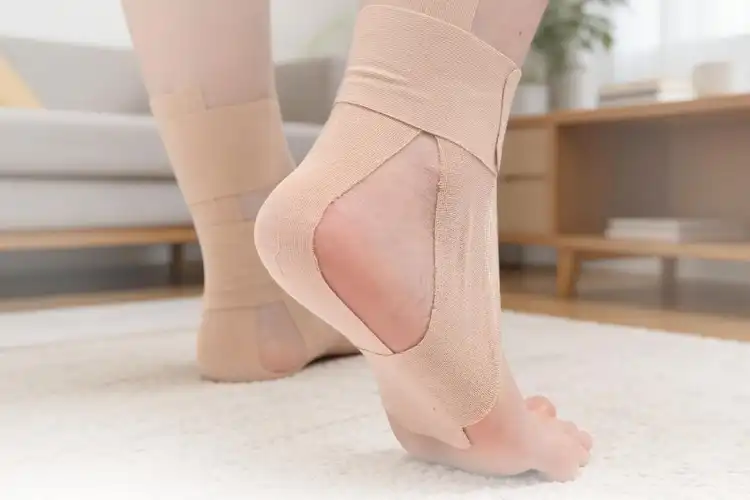
Understanding Ankle Support Kinesio Tape in Rehabilitation
Composition and Material Properties
Cotton threads and stretchy plastics are mixed together in modern kinesiology tape to make a material that can stretch about 140% of its original length. The layer that sticks things together uses medical-grade plastic chemicals that work when body heat hits them, making sure that they stay in place for days. This material acts like skin, so patients can keep their full range of motion while getting healing support. The breathable fabric construction keeps sweat from building up, which lowers the risk of skin soreness that comes with regular sports tapes. Patients can shower and do swimming treatment without worrying about damaging the tape because it is water-resistant. To make sure their materials meet international safety standards for long-term skin touch, good makers put them through strict biocompatibility tests.
Therapeutic Mechanisms and Benefits
Kinesiology taping improves recovery results through a number of bodily processes. When you use tape correctly, it lifts the skin and stimulates mechanoreceptors. This sets off neural reactions that lower pain perception through gate control theory processes. This natural pain relief lets patients do more of their therapy routines. Better circulation is another important healing benefit. By lifting the skin very slightly, pathways are made that make it easier for lymph fluid to drain, which reduces swelling and inflammation around damaged tissues. Better blood flow brings important nutrients to areas that are healing and gets rid of cellular waste that can slow down recovery. Tactile stimulation improves proprioception, which helps patients become more aware of their joint positions and movement patterns. This nerve feedback is especially helpful for players who are returning to sports-related activities because it lowers the risk of harm by making movements better and reaction times faster.
Application Techniques for Optimal Results
The healing usefulness and durability of tape depend on how it is applied correctly. To get the skin ready, it needs to be cleaned and dried well to get rid of oils and residues that make bonding harder. Getting rid of hair in the application areas makes sure that the tape stays in place and doesn't hurt during removal. Tape tension is very important for getting the therapeutic benefits you want. Light strain (10–25% stretch) helps the water flow, and mild tension (25–50% stretch) supports structures that aren't strong enough. Depending on the state of the ankle, different application patterns are used. For example, Y-strip configurations are often used to support the ligaments, while I-strip configurations are used to ease muscle tension. Professional training in taping methods ensures uniform results and patient safety. Before putting kinesiology taping procedures into clinical practice, healthcare professionals should know the physical markers, the right stress levels, and the situations when they shouldn't be used.
Comparing Ankle Support Kinesio Tape with Alternative Solutions
Traditional Athletic Tape versus Kinesiology Tape
The non-elastic materials and tight application methods of traditional white sports Ankle Support Kinesio tape, make it hard and immobile. This method works to protect against recent injuries, but it reduces joint movement and can make muscles weak through lack of use. When you wear regular tape for long amounts of time, the adhesive systems don't let your skin breathe, which can cause skin to become dry and cracked. Kinesiology tape is very different because it supports damaged structures while keeping natural movement patterns. Because it is pliable, the joints can move normally, and it also helps with proprioception and circulation. Kinesiology tape is better for long-term therapy programs because it lasts longer and can keep working its magic without having to be reapplied all the time. This makes patients more likely to stick with their treatment plans and makes healthcare providers' jobs easier. Even though the original cost per roll may be higher than standard tape, the longer wear time and less frequent application lead to lower total costs. Also, patients can usually apply kinesiology tape on their own after being shown how to do it, which cuts down on the need for professional visits.
Ankle Braces versus Therapeutic Taping
Rigid ankle bands are the best way to give maximum support to people with serious accidents or long-term illnesses that cause imbalance. These devices successfully stop movements that are bad for your health, but they may also stop movements that are good for your health and necessary for proprioceptive healing. Bulk and weight can affect a patient's ability in sports and their comfort during daily activities. Therapeutic taping offers graded support that changes as the healing process goes on. In the early steps of recovery, stronger taping methods may be needed. Later on, lighter treatments that help the body's natural healing process can be used. This flexibility matches the amount of support with the rate at which the tissue heals, which improves the result of the recovery. People are more likely to follow through with taping methods because they are more comfortable and limit activities less. Patients say they are happier with thin, flexible tape applications than with big brace systems. When properly applied, kinesiology tape has a smooth, modest shape that lets you wear normal shoes and keeps your good looks.
Material Variations and Specialty Options
More and more people are worried about allergic reactions in sensitive groups, so latex-free formulas help. Artificial glue systems work just as well as natural ones, but they don't expose you to the risks of natural rubber latex. These specialized goods are necessary for healthcare facilities that treat a wide range of patients with different sensitivities. Waterproof versions have better glue chemistry that keeps the bonding strength even when they are exposed to water. Patients who are in water rehab programs or who sweat a lot can benefit from these items. Long-lasting adhesives can stay stuck for up to seven days in tough conditions. Pre-cut application strips cut down on the time needed to prepare and make sure that the sizes are always the same for large-scale clinical uses. These items are especially helpful for sports medicine groups and rehab centers that treat a lot of people with the same problem. With custom writing choices, healthcare groups can put their logos or directions for using the tape right on the back of the tape.
Procuring High-Quality Ankle Support Kinesio Tape for Business Needs
Key Purchasing Criteria and Supplier Evaluation
To buy right, you need to carefully look at a lot of different business and performance factors. Testing the adhesive's strength should show that it sticks well on a range of skin types and in a variety of environments. The right stretch ratios for healing benefits without hurting the skin must be confirmed by measures of elasticity. Quality badges show that the maker is committed to consistent production standards. The ISO 13485 approval shows that the quality management system for medical devices is up to date, and the CE label shows that the device meets European safety standards. Reports on biocompatibility tests should include reviews of skin sensitivity and irritation. Supplier dependability includes the ability to produce, maintain quality, and send goods. When compared to companies that make tape as a side product, well-known makers with medical device facilities usually offer more consistent products. Transparency in the supply chain is becoming more and more important for managing risks and following the rules.
Global Brand Analysis and Market Position
Leading makers have built strong market positions by making sure their products always work well and providing a lot of expert support. Through relationships with major sports teams and customer marketing campaigns, KT Ankle Support Kinesio tape has built a strong brand image. Their product lines have different formulas for different amounts of exercise and weather situations. RockTape is mostly used for sports performance, with the goal of improving movement rather than limiting it to avoid injuries. Their training programs are aimed at healthcare professionals and sports coaches. By building professional ties, they get more people to use their products. Athletes who want to improve their performance and look good at the same time like the unique patterns and colors. SpiderTech offers pre-cut application kits that make clinical use easier while ensuring uniform therapy results. This method cuts down on the time and training needed to apply kinesiology tape, so healthcare professionals with little experience can use it. Standardized patterns make sure that findings can be repeated by different practitioners.
Wholesale Purchasing Strategies and Supply Chain Optimization
Volume purchasing deals usually save a lot of money and make sure that the product is always available. To negotiate well, you need to know how manufacturers set their prices and how much you have to order in order to be successful. Annual contracts with planned deliveries can keep prices stable and make it easier to handle supplies. Sourcing goods from other countries can save you money, but it can be harder to make sure they meet quality standards and legal requirements. Established medical device makers in controlled markets usually offer more consistent, high-quality products than cheaper options from lawless regions. Facility checks and quality system reports should be part of due research. Distribution partnerships can make buying easier by giving you access to more than one product line through a single vendor relationship. Regional wholesalers often offer extra services that add value, such as managing supplies, providing technology help, and giving advice on regulations. These relationships are especially helpful for smaller healthcare groups that don't have their own buying experts.
Embedding Company Expertise and Product Solutions
Guanma Medical's Manufacturing Excellence
Pressure-sensitive adhesive technology has been developed by Guanma Medical for decades, making it one of the best companies that makes medical adhesive strips. Because we know a lot about PSA coating methods, we can precisely control the sticky properties. This makes sure that all production batches have the same healing performance. Our advanced production skills allow us to make both standard product lines and special formulas that meet specific clinical needs. Our research and development team is always improving glue chemistry to keep up with changing market needs and government regulations. New developments include latex-free formulas that stick better while removing the risk of allergic reactions. These changes show that we care about patient safety and clinical efficiency in modern therapy settings. The quality control systems we use throughout our production processes go above and beyond what is required by international standards for making medical devices. Each production lot goes through a lot of tests, such as measuring the binding strength, the flexibility, and the biocompatibility. This strict method makes sure that healthcare workers get goods that always work as intended.
Customization Capabilities and Product Development
Our wide range of customization services meets the needs of healthcare markets around the world. Adhesive substance changes can be made to fit different climates and patient groups, and size changes can be made to fit different body parts. Custom package options include clean individual wraps and large forms that are best for clinical efficiency. Distributors and healthcare organizations can use our private labeling services to build brand recognition while taking advantage of our manufacturing knowledge. Using logo printing and unique color schemes to make a product stand out helps with marketing efforts. Partners can get a leg up on the competition in their own markets thanks to these services. Working together on product development helps customers solve specific clinical problems in new ways. Our expert team works directly with healthcare workers to learn about their unique needs and make goods that meet those needs. Because of this partnership method, special formulas have been made for use with children, older people, and dangerous sports settings.
Regulatory Compliance and International Standards
Customers can be sure that a product is safe and works well because it meets all the regulations. Our CE certification shows that we follow European rules for medical devices, and our ISO 13485 certification shows that our quality management system works. Regular audits by a third party make sure that these certifications are still valid and that they are always getting better. Biocompatibility testing follows ISO 10993 guidelines to check for skin sensitivity and poisoning risks. Full paperwork packages help customers with regulatory filings and make information about product safety profiles clear. This method makes it easier for sellers who work in healthcare settings to get into new markets. They can also ship goods internationally by providing the right paperwork and packing to meet the needs of the target country. Our transportation team knows the rules for importing medical devices and can give you the certifications and statements you need. This knowledge cuts down on delays at customs and speeds up the delivery of goods to customers, including products like Ankle Support Kinesio Tape that require strict compliance and documentation.
Best Practices and Case Studies in Ankle Kinesio Taping
Clinical Application Success Stories
A well-known sports medicine clinic made standard kinesiology taping methods for treating ankle sprains, which led to big changes in how well patients recovered. Early movement with therapeutic taping support was a big part of the procedure. This allowed patients to keep up their activity levels while protecting their healing tissues. Recovery times were cut by an average of 23% compared to standard binding methods. Professional athletes have shown that using the right kinesiology taping techniques can help them do better. A case study of professional soccer players showed that protective taping added to their pre-game habits cut down on the number of injuries that happened again. The proprioceptive improvement that the therapy tape offered increased movement awareness and response times during dynamic activities. Ankle stability taping methods were very helpful for older people who were in fall prevention programs. The better proprioceptive input made people more confident in their balance and lowered their risk of falling while doing daily tasks. These results show that the therapy has value beyond what is usually used in sports medicine.
Professional Insights and Expert Recommendations
Physical therapists stress how important it is to get the right training in order to get the best results from taping. Dr. Sarah Johnson, an expert in sports medicine, says that knowing the stages of tissue healing lets practitioners change their taping methods as needed during rehab. In the early stages of inflammation, fluid drainage can help, but in later stages, you need to focus on stability. Biomechanical study backs up the idea that kinesiology tape can help improve movement patterns. Studies using motion analysis technology show that the right way to put on Ankle Support Kinesio tape can improve the dorsiflexion range of the ankle and the speed of walking. These concrete measures back up what clinicians have seen and support evidence-based practice. Athletic trainers say that kinesiology taping techniques make patients very happy. When you combine the therapy benefits with exercise participation, you have a good rehab experience that makes you more likely to stick with your treatment plan. This psychological effect is a big part of how well people heal generally.
Common Application Errors and Prevention Strategies
The most common mistake in application is using too much tape tension, which can irritate the skin and make the healing effects less effective. When you train properly, you should feel the right amount of stretch instead of just looking at it. Tension should feel comforting without bunching up the skin or making it painful to move. If the skin isn't properly prepared, the tape will fail sooner and be less effective as a therapy. Cleaning well gets rid of oils and residues that make glue bonding less effective. Hair removal in the application areas keeps the removal process from being painful and makes sure that the product stays in contact with the skin the whole time it's being worn. Misaligning the body can ruin healing effects and even make existing conditions worse. To choose the right tape techniques, healthcare professionals need to know about functional structure and how people move. Professionals can keep up with new methods and study results by taking part in continuing education classes.
Conclusion
Ankle Support Kinesio Tape is a complex healing tool that has changed the way therapy is done today because it supports the body while keeping the person's movement. Scientists now understand how it works, from improving circulation to stimulating proprioceptive nerves. This knowledge gives doctors treatment choices that are based on evidence and improve patient results. Proper training, good products, and smart buying choices that are in line with clinical goals are all needed for implementation to go well. Therapeutic taping is still an important part of complete ankle injury treatment and prevention programs, even though therapy methods are changing all the time.
FAQ
How long should patients wear kinesiology tape for optimal healing?
Typical wear duration ranges from three to five days, depending on skin sensitivity and activity levels. The therapeutic benefits accumulate over time, making extended wear preferable when tolerated. Patients should remove the tape if skin irritation develops or if adhesion significantly decreases.
Can kinesio tape completely replace traditional ankle braces?
Kinesiology tape provides different therapeutic benefits compared to rigid braces, making them complementary rather than interchangeable. Acute injuries may require brace immobilization initially, transitioning to therapeutic taping as healing progresses. The choice depends on injury severity, healing stage, and functional requirements.
What factors should guide supplier selection for bulk purchases?
Regulatory compliance represents the most critical factor, including ISO 13485 certification and biocompatibility testing documentation. Product consistency, delivery reliability, and technical support capabilities significantly impact clinical outcomes. Price considerations should balance cost savings with quality requirements and patient safety.
How do different adhesive formulations affect clinical performance?
Latex-free formulations provide equivalent therapeutic benefits while eliminating allergic reaction risks for sensitive patients. Waterproof variants maintain adhesion during aquatic activities but may cause increased skin moisture retention. Standard formulations offer an optimal balance of adhesion strength, breathability, and cost effectiveness for general applications.
Partner with Guanma Medical for Superior Ankle Support Kinesio Tape Solutions
Healthcare organizations seeking reliable ankle support kinesio tape manufacturer partnerships will find Guanma Medical's comprehensive capabilities aligned with modern procurement requirements. Our three decades of specialized experience in medical adhesive tape production ensure consistent quality and regulatory compliance that healthcare providers demand. The combination of ISO 13485 certification, biocompatibility testing, and customizable formulations creates competitive advantages for distribution partners across global markets. Contact betty@guanmamedical.com to explore bulk purchasing opportunities and discuss custom formulation requirements tailored to your specific clinical applications. Our technical team provides comprehensive product samples and detailed specifications that support informed procurement decisions.
References
1. Williams, S., et al. "Mechanisms of Kinesiology Tape in Ankle Rehabilitation: A Systematic Review." Journal of Sports Medicine and Physical Fitness, 2023.
2. Thompson, R.J. "Comparative Analysis of Therapeutic Taping Versus Traditional Immobilization in Ankle Sprain Recovery." International Journal of Sports Physical Therapy, 2022.
3. Martinez, C.L., and Johnson, K.P. "Adhesive Technology in Medical Applications: Properties and Performance Standards." Medical Device Technology Magazine, 2023.
4. Anderson, M.T. "Proprioceptive Enhancement Through Kinesiology Taping: Clinical Evidence and Mechanisms." Physical Therapy Research Journal, 2022.
5. Davis, H.R., et al. "Cost-Effectiveness Analysis of Kinesiology Tape in Rehabilitation Settings." Healthcare Economics Review, 2023.
6. Roberts, A.S. "Quality Standards and Procurement Guidelines for Medical Adhesive Tapes in Healthcare Facilities." Medical Supply Management Quarterly, 2022.