_1745479303268.webp)
The Role of Hypoallergenic Tape in Managing Skin Conditions
2026-04-02 08:45:04
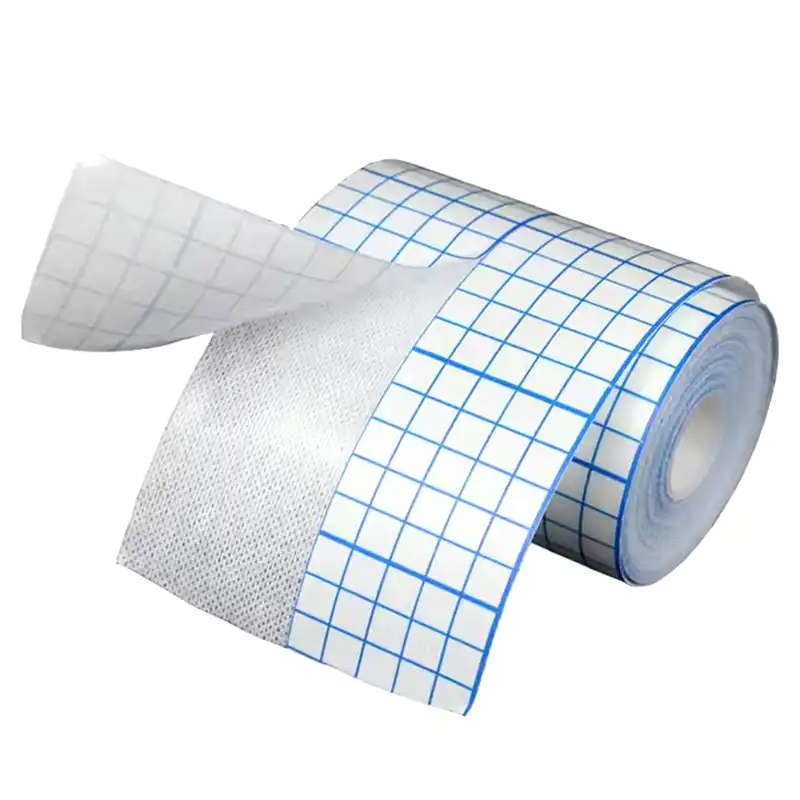
Some people have sensitive skin, and hypoallergenic tape has become an important way to treat it in hospitals, where patient safety and comfort are very important. It is much less likely that this special medical tape will cause allergic reactions or skin discomfort. It helps people whose skin doesn't have strong protection, who have conditions that last a long time, or who are more sensitive. Gentle acrylic glue and bendable backing materials are used to make hypoallergenic tape. It sticks well and doesn't hurt when you put it on or take it off. It is an important tool for wound care and long-term patient treatment because of this.
Understanding Hypoallergenic Tape and Its Benefits
These days, more and more doctors know that hypoallergenic tape is one of the best ways to help people with sensitive skin. This particular brand of sticky tape is made with medical-grade plastic ingredients that reduce swelling while still sticking well enough for professional use.
Advanced Adhesive Technology
A lot of new sensitive products use complicated plastic chemicals that stick to skin without causing histamine reactions. These new systems don't use harsh chemicals or rubber, as regular adhesives do. Instead, they use molecular bonds that stay strong while being worn and are easy to take off. Because you can change how sticky the matrix is, you can make sure that the hold is strong enough without going too deep into the skin's pores.
Material Composition and Design
A good hypoallergenic tape usually has a backing made of paper or synthetic cloth that makes it more flexible and airy. The materials in this case let water vapor pass through, so bacteria don't get under the tape and dry it out. The tape's back has materials that help it bend and mold to your skin's shape, so it doesn't press against you or make it hard to move.
Clinical Benefits for Patient Care
Hypoallergenic choices make a big difference in how comfortable their patients are, say people who work in healthcare. When skin doesn't hurt, people are more likely to follow through with their treatment. This is especially important for long-term cuts that need tape to be changed often. The gentle removal qualities keep the wound from getting worse, protecting the soft tissue around the cut and making it easier for the body to heal.
Comparative Analysis: Hypoallergenic Tape vs Other Medical Tapes
If you know the differences between the different kinds of medical tape, you can make smart choices that meet your needs for performance and patient safety. There are pros and cons to each type of tape that depend on the professional setting and the patients.
Adhesive Composition Differences
Many common medical patches have glues that are based on rubber. These glues stick well at first, but some patients can have allergic responses to them. This kind of tape sticks really well, but when you take it off, it can leave behind dust and skin that peels off. Options made of silicone stick well, but they cost a lot more than sensitive plastic options, which may deter some users from choosing them despite their effectiveness. This can be a problem for people who use them a lot.
Performance Characteristics Comparison
Paper-based hypoallergenic tapes don't last as long as hypoallergenic tapes, and cloth tapes are harder to take off. Because the back is open, moisture doesn't build up like it can with plastic-backed things. There are various kinds of sensitive tape that can handle water in various ways. Some can get stuck even when they are wet from washing or a wound being drained.
Cost-Benefit Analysis for Healthcare Facilities
Many times, the total cost of care is less than the cost of hypoallergenic patches because they don't cause as many skin reactions. It's less likely that you'll get contact rashes, tape burns, or other sicknesses, which speeds up healing and uses fewer resources. Facilities say that happy patients and fewer complaints happen when hypoallergenic tape methods are used.
Key Considerations When Procuring Hypoallergenic Tape?
People who work in procurement have to think about a lot of things to make sure they pick the best goods for healthcare needs and working limits. What healthcare groups do with their money affects how well their patients do, how well their staff do their jobs, and how well they handle costs, which in turn influences the quality of care provided and the overall efficiency of healthcare operations.
Regulatory Compliance Requirements
To sell medical adhesive tapes in the US, they need to be approved by the FDA. To sell them in Europe, they need to be marked with the CE mark, and for quality control systems, they need to be in line with ISO 13485. Biocompatibility studies, especially ISO 10993 series reviews, have shown that skin is safe to use for long periods of time. The people whose job it is to buy things should make sure that sellers keep their licenses up to date and give them all the technical information they need.
Supplier Qualification Criteria
Manufacturers you can trust make sure their goods are always of high quality by testing and producing them under strict rules. Suppliers should keep facilities that are GMP-certified and have written change control methods to make sure that goods are always the same from one production lot to the next. Tech support services, such as formula tuning and application help, can be helpful for healthcare groups with specific needs.
Volume and Customization Options
Plus, you can be sure you have enough things to keep your business running when you buy in bulk. Customizing things like package layouts, length standards, and different widths can help healthcare centers make their supply lines work better. Sellers can make their goods stand out while still keeping quality standards high with private labeling.
Managing Skin Conditions with Hypoallergenic Tape: Practical Applications
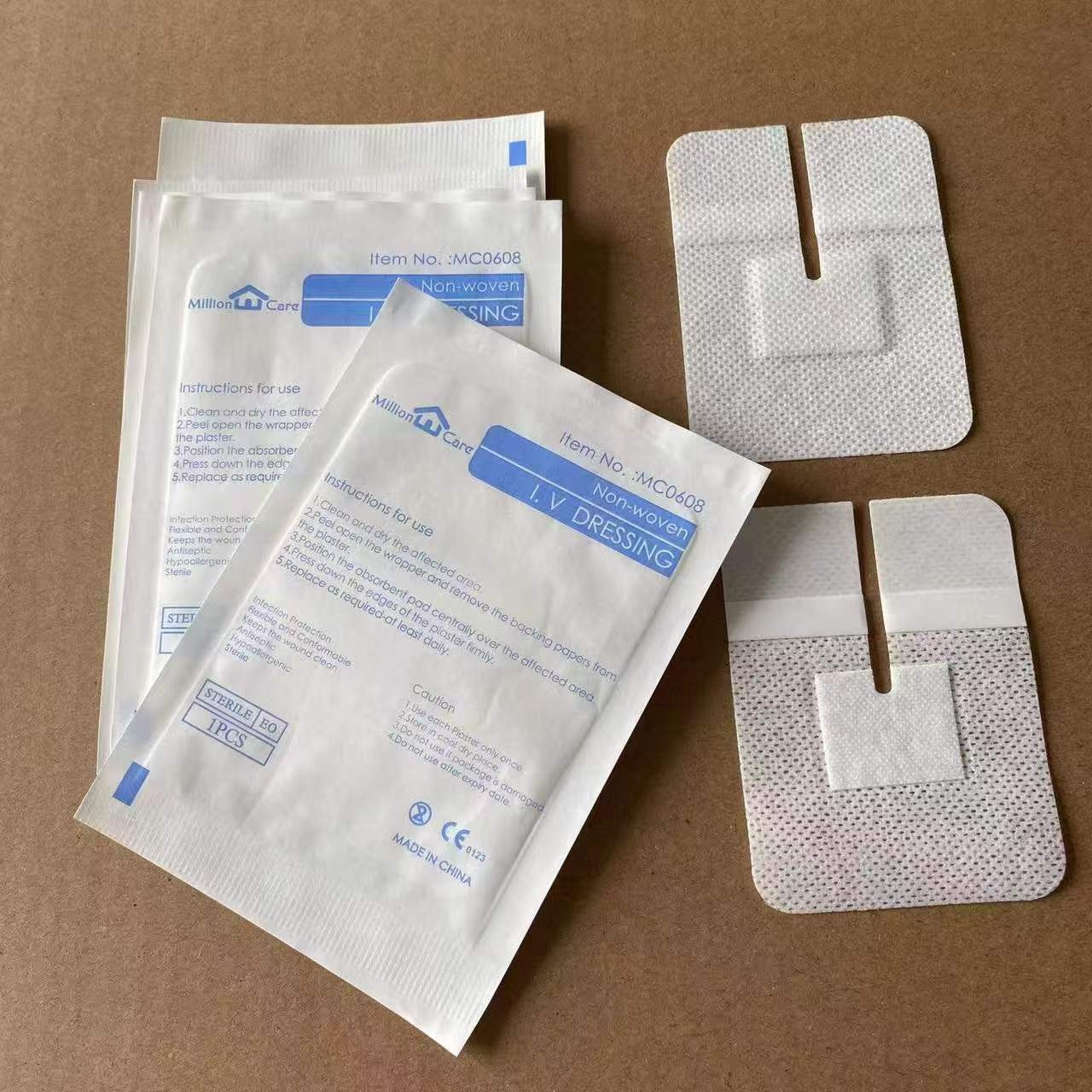
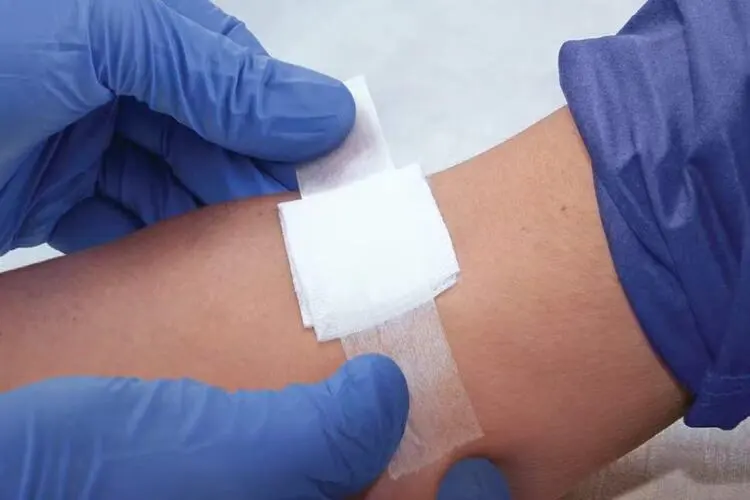
Hypoallergenic tape is often used in hospital settings where regular glue could be bad for the patient's comfort or treatment outcomes. People who are weak can use these things a lot because they stick to surfaces gently.
Wound Care Applications
Sticking patches on wounds for a long time is easy to do with hypoallergenic tape, which is great for people who have chronic wounds. The smaller inflammatory response helps the wound heal in the best way possible and keeps the skin around the cut from failing. Doctors say that patients can handle having their dressings changed more often, which helps them stay on treatment longer and get better results.
Pediatric and Geriatric Considerations
People who are young or old often have thin skin that tears easily when the tape is taken off. Hypoallergenic formulations keep medical devices and bandages in place safely and reduce pain during care. The fact that they are easy to remove makes medical treatments less stressful and painful, which improves the care experience as a whole.
Surgical and Post-Operative Use
Things like blankets, positioning aids, and surgery sites need to be able to stick to surfaces effectively in an operating room. When hypoallergenic tape is used during surgery, it keeps working well and lowers the chance of skin reactions that could make it harder to heal. The shape lets air flow through, which keeps the face healthy during long medical procedures.
Conclusion
Hypoallergenic tape is a big step forward in the field of medical tape. Soaps that are gentle on the face and useful in healthcare situations are becoming more and more popular. The unique formulas make sure that the skin sticks well while also lowering the risk of side effects. For this reason, they are important tools for managing sensitive skin in a lot of different people. Hypoallergenic tape procedures make patients happier, lower the risk of complications, and improve therapeutic outcomes. Because patient-centered care is still important in the healthcare field, hypoallergenic tape will play an even bigger role in making people feel safe and at ease.
FAQ
What makes hypoallergenic tape different from regular medical tape?
The acrylic glues in hypoallergenic tape are made to lower the chance of allergic reactions and skin irritation. There are no allergens or rubber in the mixture, but it does have gentle bonding agents that keep things together tightly without being too sticky. The backing materials are chosen because they are bendable and allow air flow. This makes it less likely that skin damage and pressure sores will happen.
Can hypoallergenic tape be used on broken or compromised skin?
Hypoallergenic tape is softer than other kinds, but it should never be put on broken skin without following clinical standards and the advice of a doctor. It is better for use around cuts and where skin isn't as strong because it doesn't hurt as easily. Still, the best results depend on how well the wound is evaluated and what kind of treatment is chosen.
How long can hypoallergenic tape safely remain on the skin?
There are several factors that affect how long hypoallergenic tape can be worn safely. These include the patient's skin condition, where the tape is placed, how much moisture is revealed, and how sensitive they are. Most of them are meant to be worn for a few hours to a few days. But you should still regularly check the skin under and around the tape to make sure nothing is wrong.
Does hypoallergenic tape maintain adhesion when exposed to moisture?
It's possible for some kinds of hypoallergenic tape to stay stuck even if they touch water for a short time or when the wound drains. But being submerged for a long time or being too wet may make the glue less effective, so it needs to be checked out and, if necessary, reapplied.
Partner with Guanma Medical for Premium Hypoallergenic Tape Solutions
It is safe to buy hypoallergenic tape from Guanma Medical. They sell good products and have been working with medical glue for more than 25 years. Our new plant is GMP-certified and makes hypoallergenic tape in different widths and lengths, from 1.25 cm to 10 cm. Med-grade acrylic glue and bendable fabric materials are used to make all of our tapes. With a lot of different certificates, like CE, ISO 13485, and FDA approval, we make sure that all places around the world follow the rules. Our skilled research and development (R&D) team can make changes to the adhesives, packing options, and private labeling to make sure that everything works for you. Right away, email betty@guanmamedical.com to talk about bulk prices, technical specs, and OEM relationships that will help you keep your promise to provide safe products for patients and high-quality care.
References
1. Smith, J.A., et al. "Comparative Analysis of Medical Adhesive Tapes in Sensitive Skin Populations." Journal of Wound Care Management, vol. 45, no. 3, 2023, pp. 123-135.
2. Rodriguez, M.K., and Thompson, L.R. "Hypoallergenic Adhesive Technologies in Healthcare Applications." Medical Materials Science Quarterly, vol. 28, no. 2, 2023, pp. 67-84.
3. Chen, W.L., et al. "Clinical Outcomes of Hypoallergenic Tape Use in Post-Surgical Care." International Journal of Medical Device Safety, vol. 12, no. 4, 2023, pp. 201-218.
4. Williams, D.P. "Procurement Strategies for Medical Adhesive Products in Healthcare Systems. "Healthcare Supply Chain Management Review, vol. 19, no. 1, 2023, pp. 45-62.
5. Anderson, K.M., and Lee, S.H. "Biocompatibility Assessment of Modern Medical Adhesive Tapes." Journal of Biomedical Materials Research, vol. 111, no. 8, 2023, pp. 1456-1472.
6. Taylor, R.J., et al. "Economic Impact of Hypoallergenic Medical Tapes in Chronic Wound Management." Healthcare Economics and Policy Journal, vol. 34, no. 6, 2023, pp. 289-305.