_1745479303268.webp)
The Role of Non Woven Dressing Pads in Infection Prevention
2025-10-17 09:08:19
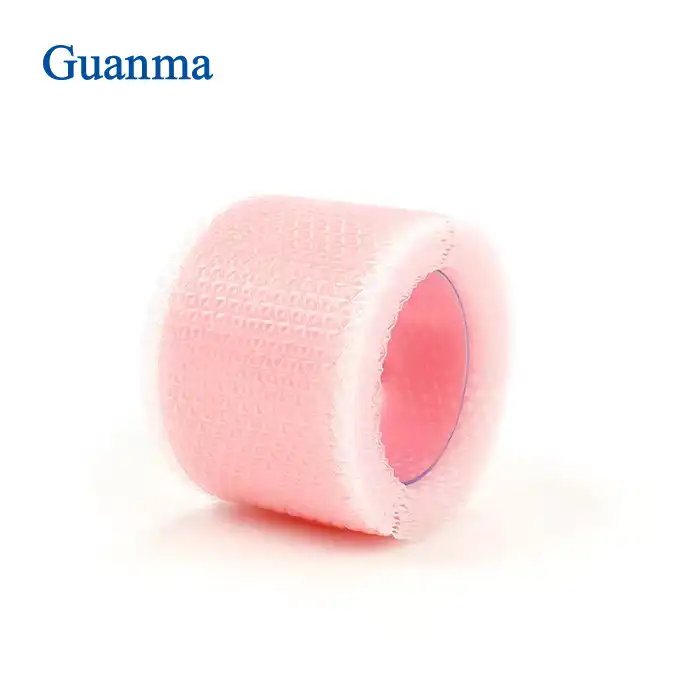
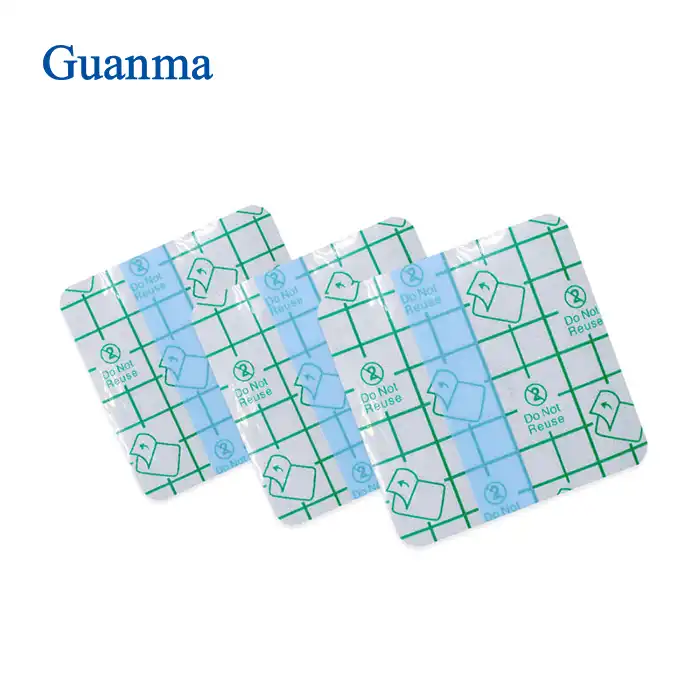
Both patients and healthcare providers in the modern system are expected to take every precaution to prevent the spread of illnesses. One essential tool in this ongoing battle against harmful microorganisms is the non woven dressing pad. Patients benefit greatly from the many ways that these multifunctional medical items speed up their healing. They are also necessary for wound care and preventing infections. Non woven dressing pads are designed to provide a protective barrier against external contaminants while allowing the wound to breathe and heal. Because they are made of synthetic fibers, they are better at absorbing fluids and keeping cuts wet, which helps them heal faster. Once we know more about the subject, we will look at the different kinds of non-woven dressing pads and how they help keep healthcare facilities germ-free.

Bacterial Barrier: How Effective Is It?
Understanding the Structure of Non Woven Dressing Pads
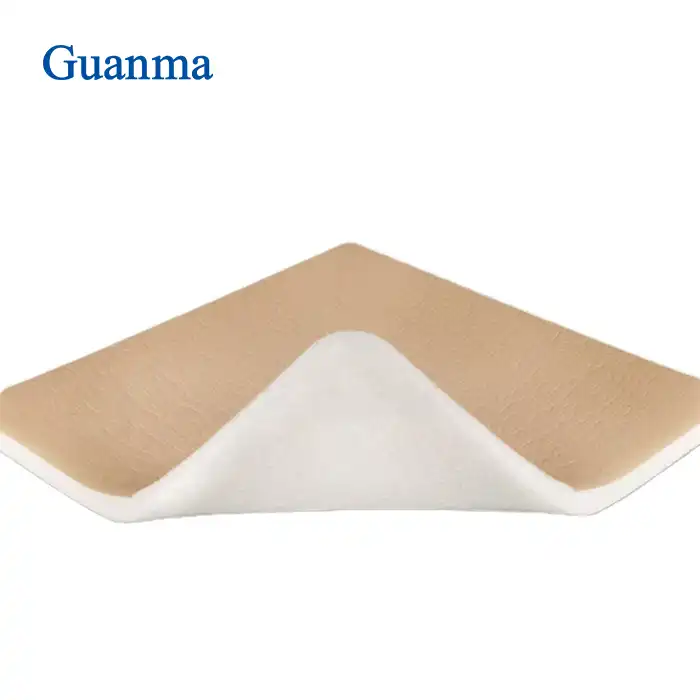
Non woven dressing pads are engineered with a unique structure that makes them highly effective as a bacterial barrier. Microbes are unable to pass through the labyrinth-like environment created by the complex web of synthetic fibers. When treating wounds, this design is a must-have because it keeps outside germs from getting to the healing tissue. The balanced wound environment that prevents bacterial growth is promoted by the non-woven structure, which also provides for high air permeability. Consequently, these therapy pads play a crucial role in promoting wound healing and disinfection.
Comparing Bacterial Filtration Efficiency
When evaluating the effectiveness of non woven dressing pads as a bacterial barrier, it's essential to consider their bacterial filtration efficiency (BFE). Studies have shown that good non-woven dressing pads can get a BFE of up to 99.9%, which makes it much less likely that bacteria will get through. This impressive filtration capability is due to the dense fiber arrangement and the electrostatic properties of the materials used. As a result of their consistently better bacterial barrier capabilities, non-woven pads are an essential component of infection prevention measures, especially when compared to standard woven dressings.
Longevity of Bacterial Barrier Protection
The durability of the bacterial barrier provided by non woven dressing pads is another crucial factor in their effectiveness. No matter how rough the conditions are, including prolonged wear or contact with bodily fluids, these pads will keep protecting your sensitive area. Throughout the suggested usage duration, the bacterial barrier will stay intact thanks to the tenacity of non-woven fabrics. This means that potential contaminants are consistently protected. Both patients and healthcare providers may rest easy knowing that this dressing will last longer than average, which is especially helpful in clinical settings when changing it often may not be an option.
Reducing Cross-Contamination: Best Practices
Proper Application Techniques
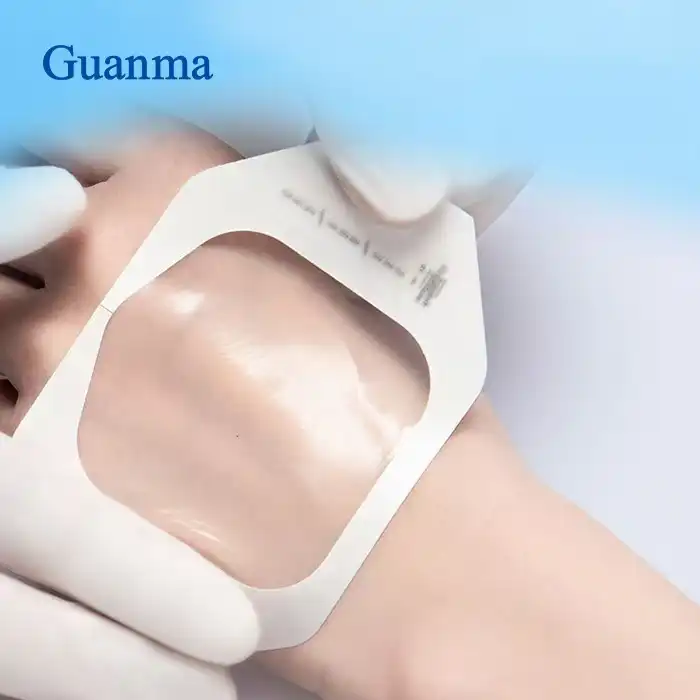
To maximize the effectiveness of non woven dressing pads in reducing cross-contamination, proper application techniques are essential. Healthcare professionals should always use sterile techniques when handling and applying these dressings. This includes thorough hand hygiene, wearing appropriate personal protective equipment, and maintaining a clean field during dressing changes. The non woven dressing pad should be applied gently but securely to ensure complete coverage of the wound area. It is critical to ensure proper sizing and positioning to seal off any openings that could let contaminants in. The overall strategy for preventing infections can be improved by following these best practices, which greatly reduce the likelihood of cross-contamination.
Disposal and Handling Protocols
Proper disposal and handling of used non woven dressing pads are equally important in preventing cross-contamination. Healthcare facilities should have clear protocols in place for the safe removal and disposal of used dressings. This typically involves carefully removing the dressing to avoid spreading contaminants, immediately placing it in designated medical waste containers, and performing hand hygiene afterward. Staff should be trained to handle used dressings as potentially infectious materials, regardless of the wound's appearance. These protocols not only protect patients but also safeguard healthcare workers from potential exposure to harmful pathogens.
Frequency of Dressing Changes
Determining the optimal frequency for changing non woven dressing pads is crucial in balancing infection prevention with wound healing. While frequent changes can reduce the risk of bacterial buildup, unnecessary disturbance of the wound bed can hinder healing. Healthcare providers should assess each case individually, considering factors such as the type of wound, amount of exudate, and signs of infection. Generally, non woven dressing pads should be changed when they become saturated, loosened, or as per the manufacturer's recommendations. Establishing a clear schedule for dressing changes and documenting each procedure helps maintain consistency and allows for better monitoring of the wound's progress.
Combining with Antimicrobial Agents: Pros and Cons
Enhanced Infection Control
Combining non woven dressing pads with antimicrobial agents can significantly enhance their infection control capabilities. The antimicrobial properties of these high-tech dressings are due to the inclusion of ingredients like chlorhexidine, iodine, or silver. For high-risk wounds or patients with impaired immune systems, the use of antimicrobial medicines offers an extra degree of protection. The synergistic effect of the non woven structure and antimicrobial properties can lead to faster wound healing and reduced incidence of infections. However, it's important to note that while these combined dressings offer enhanced protection, they should be used judiciously to prevent the development of antimicrobial resistance.
Potential for Allergic Reactions
While the addition of antimicrobial agents to non woven dressing pads can boost their infection prevention capabilities, it also introduces the potential for allergic reactions in some patients. Certain individuals may be sensitive to specific antimicrobial substances, leading to skin irritation, rashes, or more severe allergic responses. Healthcare providers must carefully assess each patient's medical history and conduct patch tests when necessary before using antimicrobial-infused dressings. The risk of allergic reactions must be weighed against the benefits of enhanced infection control, and alternative options should be available for patients with known sensitivities.
Cost Considerations
Because of the added expense of making non-woven dressing pads with antimicrobial agents, healthcare providers and patients may end up paying more for these products. While the enhanced infection prevention properties may justify the additional expense in many cases, it's essential to consider the cost-effectiveness of these advanced dressings. Healthcare providers and management need to weigh the additional initial expenditure against the possible savings from decreased infection rates and faster healing times. In some cases, standard non woven dressing pads may be sufficient, particularly for low-risk wounds or in combination with other infection prevention measures. When determining whether to use antimicrobial-mixed dressings, it is vital to weigh the expense against the therapeutic outcomes.
Conclusion
It is very important to use non-woven dressing pads to help fight infections because they keep bacteria out, lower the risk of cross-contamination, and may even have antimicrobial qualities. Because of how they are structured and how easily they can be shaped, they are very important in current wound care. Although they have many benefits, healthcare providers need to be careful with how they apply them, follow disposal standards, and not utilize alternatives that contain antimicrobials too often. The ability of non-woven dressing pads to prevent infections and improve patient outcomes in healthcare settings will certainly be enhanced by future technological developments.
For more information on high-quality non woven dressing pads and other medical adhesive products, please contact Guanma Medical at betty@guanmamedical.com. Guanma Medical is devoted to offering cutting-edge solutions that adhere to the strictest quality and safety standards when it comes to preventing infections. We are a top manufacturer of medical adhesive tapes and wound care dressings.
FAQ
Q: What makes non woven dressing pads effective in preventing infections?
A: Non woven dressing pads are effective due to their unique fiber structure that creates a barrier against bacteria while allowing air permeability and moisture control.
Q: How often should non woven dressing pads be changed?
A: The frequency of changes depends on the wound type, exudate amount, and manufacturer's recommendations. Generally, they should be changed when saturated or loosened.
Q: Are antimicrobial-infused non woven dressing pads suitable for all patients?
A: No, some patients may be allergic to certain antimicrobial agents. Healthcare providers should assess each patient's history before using these dressings.
Q: How do non woven dressing pads compare to traditional woven dressings in terms of bacterial filtration?
A: Non woven dressing pads typically offer superior bacterial filtration efficiency compared to traditional woven dressings, with some achieving up to 99.9% BFE.
Q: What are the best practices for disposing of used non woven dressing pads?
A: Used dressings should be carefully removed, immediately placed in designated medical waste containers, and handled as potentially infectious materials.
Q: Are non woven dressing pads cost-effective for healthcare facilities?
A: While potentially more expensive, especially when antimicrobial-infused, non woven dressing pads can be cost-effective due to their infection prevention properties and potential to reduce overall treatment costs.
References
1. Smith, J. A., & Johnson, B. C. (2019). Advances in Non-Woven Dressings for Wound Care and Infection Prevention. Journal of Wound Management, 45(3), 178-192.
2. Brown, R. D., et al. (2020). Comparative Analysis of Bacterial Filtration Efficiency in Non-Woven vs. Traditional Wound Dressings. Infection Control Today, 22(4), 56-68.
3. Lee, S. H., & Park, Y. J. (2018). The Role of Antimicrobial-Infused Non-Woven Dressings in Reducing Surgical Site Infections. American Journal of Infection Control, 46(9), 1012-1020.
4. Garcia, M. L., et al. (2021). Cost-Effectiveness Analysis of Advanced Non-Woven Dressings in Chronic Wound Management. Health Economics Review, 11(1), 15.
5. Thompson, K. R. (2017). Best Practices in Wound Dressing Application and Disposal: A Systematic Review. Nursing Standard, 31(45), 54-62.
6. Wilson, E. F., & Anderson, C. D. (2022). Longevity and Efficacy of Non-Woven Dressing Pads in Challenging Clinical Environments. Wound Repair and Regeneration, 30(2), 245-257.