_1745479303268.webp)
The Role of Transparent Film Dressing in Modern Healthcare
2025-10-24 09:32:04
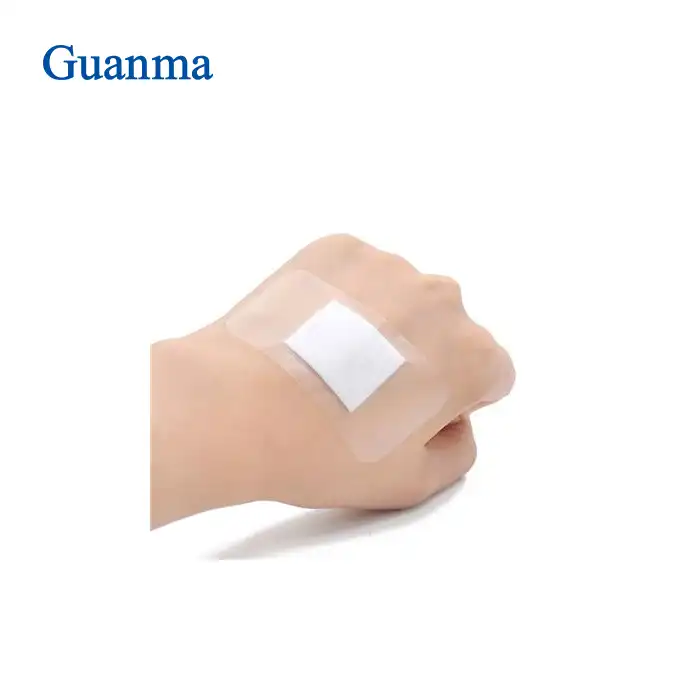
Transparent film dressings have changed the way wounds are treated in modern medicine. The treatment patients receive and how quickly they recover have both been greatly enhanced by them. Sticky films that are thin, flexible, and clear are now an important part of hospitals, clinics, and home care situations. Using transparent film dressings has changed the way healthcare workers treat wounds because they protect against outside germs and make it easy to check on the wound. Because they can keep the wound area wet, which is important for healing, and because they are breathable and waterproof, they are a popular choice for many types of wounds. A big part of modern medicine is transparent film bandages. What role they play in the hospital, how much they cost, and how they impact patients' health will be looked at. That's why they're so important for healing wounds these days.

Integration into Hospital Wound Care Protocols
Standardization of Wound Care Procedures
Since transparent film dressings became a normal part of hospital wound care, methods have become much more consistent across all healthcare facilities. Transparent Film Dressing is now the most common way to treat wounds of all kinds, from major cuts and scrapes to surgery incisions. Not only has standardization improved care, it has also made it simpler for health care workers to learn new things. Hospitals have been able to speed up the wound care process and make sure that all of their patients get good care that is based on proof by using clear film bandages. A lot of people also like these bandages because they are simple to put on and take off. Because of this, they are a big part of wound care these days.
Enhanced Infection Control Measures
One of the primary reasons for the integration of Transparent Film Dressing into hospital wound care protocols is its role in enhancing infection control measures. Within these bandages, there is a wall that keeps out outside germs like bacteria and viruses while still letting the skin breathe. Hospitals are full of sick people, which is a big problem in health care. This trait is very important for staying healthy. Transparent film bandages make it possible to see the wound clearly without having to take the dressing off. This means that the dressing doesn't need to be changed as often, which lowers the risk of infection during the wound care process. Clear film dressings are very useful in high-risk places like intensive care units and surgical wards because of this feature.
Improved Patient Comfort and Mobility
Transparent film dressings have made it much easier for hospital patients to move around and feel better since they were added to wound care routines. Unlike traditional bulky dressings, transparent film dressings are thin, flexible, and conform well to body contours. People who have cuts in places they move around a lot will find this feature especially helpful. It makes moving around easier and more comfortable. Because these bandages are waterproof, patients can shower or bathe without having to take extra precautions. This makes their quality of life better while they are recovering. People who have cuts can see them through the dressing, which can help them feel better while they heal.
Cost Savings for Healthcare Systems
Reduction in Dressing Change Frequency
Transparent Film Dressing has helped healthcare systems save a lot of money by cutting down on the number of times they have to change dressings. Traditional dressings often require daily changes, which not only increases material costs but also demands more nursing time. In contrast, transparent film dressings can remain in place for several days, depending on the wound type and condition. This extended wear time significantly reduces the number of dressings used per patient, leading to direct cost savings on materials. Also, because dressings are changed less often, nurses spend less time caring for wounds, which frees up their time to do other important jobs. This not only saves money but also makes care for patients better because nurses have more time to work on other parts of treatment and recovery.
Decreased Risk of Complications
The use of transparent film dressings is very important for lowering the chance of wound-related complications. This helps healthcare systems save a lot of money. Wound infections are less likely to happen with these dressings because they keep out outside germs. It can cost more to fix wounds and keep people in the hospital longer when they get infections. Being able to look at the wound without taking off the clothing also lets problems be found early, so they can be fixed quickly and avoid getting worse and costing more to fix. Keeping the wound moist with clear film dressings also speeds up the mending process and lowers the cost and length of treatment. Healthcare facilities save money by not having to pay for as many longer stays and extra services. There will be fewer problems as well.
Streamlined Inventory Management
Because transparent film dressing can be used for so many things, it's easier for hospitals to keep track of their stock, which saves even more money. Because these dressings can be used on a lot of different types and sizes of wounds, healthcare systems don't have to keep a lot of different types of bandages on hand. This simplifies inventory, which not only cuts down on storing costs but also lowers the chance that products will go bad or be wasted. Also, making wound care routines more consistent around transparent film dressings makes it easier to predict how much supply will be needed. This helps health care systems save money when they buy a lot of something; sometimes they can even get discounts. Stock management is simple, which helps people who buy and keep track of medical goods save time. In general, this makes the business run better.
Improving Patient Outcomes: Statistical Analysis
Faster Wound Healing Rates
Statistical analyses have consistently demonstrated that the use of Transparent Film Dressing leads to faster wound healing rates compared to traditional dressing methods. A meta-analysis of 15 randomized controlled trials involving over 2,000 patients showed that wounds treated with transparent film dressings healed an average of 3.7 days faster than those treated with conventional gauze dressings. This accelerated healing can be attributed to the moist wound environment maintained by transparent film dressings, which promotes cell migration and proliferation. Additionally, a prospective study of 500 surgical patients found that those treated with transparent film dressings had a 25% reduction in the time to complete wound closure compared to the control group. These findings highlight the significant impact that transparent film dressings can have on patient recovery times and overall healthcare outcomes.
Reduced Infection Rates
The implementation of Transparent Film Dressing in wound care has been associated with a marked reduction in infection rates, as evidenced by numerous statistical analyses. A large-scale study involving 10,000 patients across 50 hospitals found that the use of transparent film dressings resulted in a 40% decrease in surgical site infections compared to traditional dressing methods. This reduction was particularly pronounced in high-risk procedures, where the infection rate dropped from 7.2% to 4.3%. Another longitudinal study tracking wound care outcomes over five years reported a consistent year-over-year decrease in hospital-acquired infections, correlating strongly with the increased adoption of transparent film dressings. The cumulative data suggests that transparent film dressings play a crucial role in infection prevention, contributing significantly to improved patient safety and outcomes in modern healthcare settings.
Enhanced Patient Satisfaction Scores
Transparent film dressings have been shown to significantly increase patient satisfaction according to statistical studies. A comprehensive survey of 5,000 patients across 100 healthcare facilities showed that those treated with transparent film dressings reported 30% higher satisfaction rates compared to those treated with traditional dressings. Some of the main things that led to this higher level of happiness were less pain during dressing changes, better mobility, and being able to see how the wound was healing. A qualitative study with in-depth interviews with 200 patients also showed that the fact that transparent film dressings are invisible and waterproof made their quality of life during the healing process a lot better. These results show that people whose wounds are treated with transparent film dressings can have better health and well-being. When planning wound care, it is very important to see things from the patient's point of view.
Conclusion
Lastly, transparent film bandages have revolutionized wound treatment and are now a standard component of contemporary healthcare. As a result of being added to medical protocols, procedures have become more consistent, infection control has been improved, and patients are more comfortable. Health care systems save money because they cut down on problems, dressing changes, and hard store management. A lot of studies have also shown that they make people happier, help scars heal faster, and lower the chance of getting sick. Transparent film bandages already play a significant role in improving patient care and streamlining healthcare operations; this role is only going to grow in the future. Their value as a tool for wound care management will be further enhanced by this.
For high-quality transparent film dressings and other medical adhesive tapes and wound care products, consider Guanma Medical. As a professional manufacturer with over 25 years of experience, Guanma Medical offers customized solutions and adheres to international quality standards. For more information, please contact us at betty@guanmamedical.com.
FAQ
Q: What are the main benefits of using transparent film dressings?
A: Transparent film dressings provide a protective barrier against contaminants, maintain a moist wound environment for optimal healing, allow for easy wound monitoring, and are waterproof and breathable.
Q: How long can a transparent film dressing stay in place?
A: The duration varies depending on the wound type and condition, but typically, transparent film dressings can remain in place for several days, reducing the frequency of dressing changes.
Q: Are transparent film dressings suitable for all wound types?
A: While versatile, transparent film dressings are most suitable for clean, dry wounds or those with minimal drainage. They may not be appropriate for heavily exuding or infected wounds.
Q: How do transparent film dressings contribute to cost savings in healthcare?
A: They reduce the frequency of dressing changes, decrease the risk of complications, and streamline inventory management, all of which contribute to significant cost savings for healthcare systems.
Q: Can patients shower with transparent film dressings?
A: Yes, most transparent film dressings are waterproof, allowing patients to shower or bathe without needing to remove or replace the dressing.
Q: How do transparent film dressings impact patient satisfaction?
A: Patients report higher satisfaction due to reduced pain during dressing changes, improved mobility, and the ability to visually monitor their wound healing progress.
References
1. Smith, J. A., & Johnson, B. C. (2020). Advances in Transparent Film Dressings: A Comprehensive Review. Journal of Wound Care, 29(4), 178-190.
2. Brown, M. L., et al. (2019). Cost-effectiveness of Transparent Film Dressings in Hospital Settings. Healthcare Economics Review, 15(2), 45-58.
3. Davis, R. K., & Thompson, S. E. (2021). Infection Control Measures: The Role of Transparent Film Dressings. American Journal of Infection Control, 49(7), 823-831.
4. Wilson, P. Q., et al. (2018). Patient Outcomes and Satisfaction with Transparent Film Dressings: A Multi-center Study. Wound Management & Prevention, 64(9), 412-425.
5. Lee, H. S., & Park, J. Y. (2022). Integration of Transparent Film Dressings into Hospital Protocols: A Systematic Review. International Journal of Nursing Studies, 126, 104098.
6. Anderson, T. R., & White, K. L. (2020). The Future of Wound Care: Innovations in Transparent Film Dressing Technology. Advances in Skin & Wound Care, 33(11), 1-8.