_1745479303268.webp)
The Role of Waterproof Medical Tape in Preventing Skin Maceration
2026-03-25 08:43:19
Waterproof medical tape is essential for keeping skin from drying out because it keeps wetness out while still letting air flow around wounds and places where medical devices are attached. Unlike regular medical tapes, waterproof tapes are made of advanced materials that protect skin health even when exposed to water for a long time. This feature makes them necessary for hospital settings where keeping skin in good condition is important for device adhesion and wound healing.
Understanding Skin Maceration and Challenges in Wound Care
The Physiological Basis of Skin Maceration
Maceration of the skin is a big problem in professional wound care treatment. This problem happens when skin cells become too soft from being wet for a long time, which makes the barrier function worse and makes them more likely to break down. A skin layer called the stratum corneum covers the top layer of skin and usually keeps out moisture and dirt from the outside. When this barrier gets too full of water or other chemicals, cells quickly lose their structure. Every day, healthcare facilities have problems with maceration, especially in intensive care units where patients need to be watched all the time with medical devices that stick to their skin. The issue gets worse when regular medical tapes stick to the skin and keep wetness there, making a place where germs can grow, and tissues can break down. According to research, skin that has been cut or scraped has less tensile strength and more flexibility. This characteristic means that it is more likely to be damaged by mechanical forces when the device is removed or moved.
Clinical Challenges with Standard Tape Solutions
Traditional medical tapes don't always do a good job of handling moisture, which makes it harder for doctors to follow long-term wound care guidelines. Standard sticky tapes are usually made of materials that can't breathe, which lets water build up under the tape. This increase in wetness not only makes it harder for things to stick together, but it also makes it easier for skin to break down. Engineers encounter unique challenges when designing medical devices for prolonged wear. Conventional tapes may stick at first, but as moisture gets into the sticky link, they lose their ability to stick. Because of this wear and tear, healthcare workers have to change bandages more often, which can make patients more uncomfortable, raise treatment costs, and possibly stop the healing process.
Complications from maceration have an effect on the economy that goes beyond the cost of care. Hospitals say that changing dressings more often takes more nurse time, increases the risk of healthcare-associated diseases, and causes patients to stay longer when maceration slows down healing. These things show how important it is to have improved tape solutions that actively stop skin damage caused by wetness.
How Does Waterproof Medical Tape Prevent Skin Maceration?
Advanced Moisture Barrier Technology
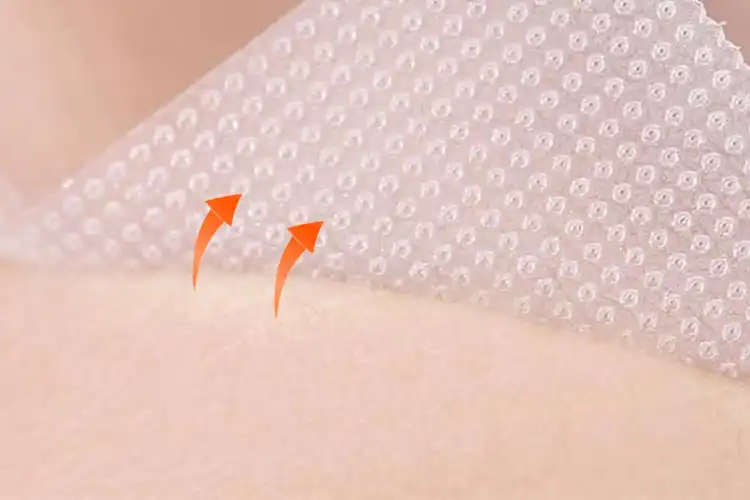
Waterproof medical tape uses advanced material engineering to create a shield that keeps out moisture while allowing the skin to breathe. Most of the time, pressure-sensitive adhesives made for medical use are mixed with polyurethane films or cloth surfaces that have been treated in a certain way. Biocompatibility tests are done on these materials to make sure they are safe to use on the skin for long periods of time. Selective permeability is how the protective system works. It lets water vapor from the skin leave, but stops liquid from outside sources from getting in. This waterproof, flexible design keeps the skin's natural wetness balance, which stops it from getting too wet, which can cause maceration. More advanced formulas have microporous structures that let air flow while still keeping the waterproof integrity.
Modern waterproof tapes also have binding systems that stay strong even in places with a lot of moisture. These bonds don't break down easily when exposed to body fluids, sweat, and other liquids from the outside. This means that they will protect you for the whole time they're supposed to. The result is long-lasting device adhesion that doesn't hurt the skin or make it uncomfortable.
Clinical Applications and Performance Benefits
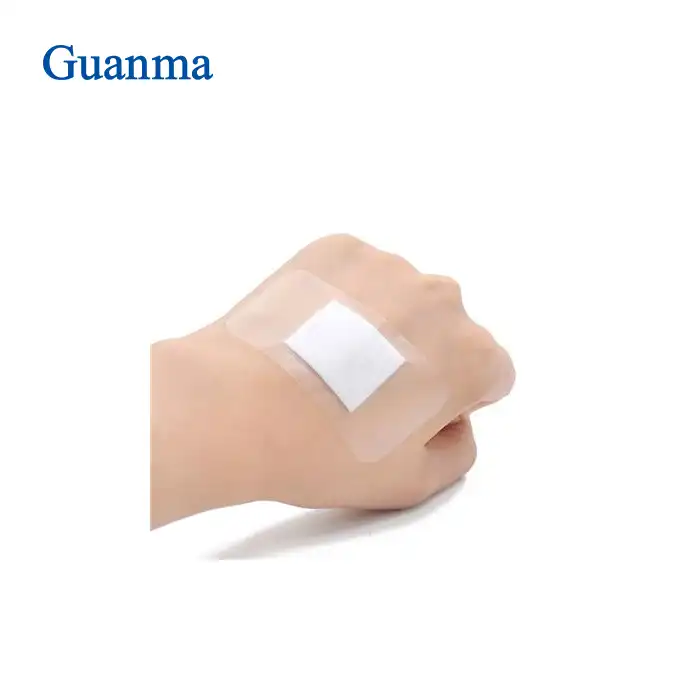
Healthcare places use waterproof medical tape for many different tasks where keeping out moisture is important for good results. Surgical wound bandages benefit greatly from waterproof tape technology, particularly following treatments that may expose the patient to water during the healing process. The tape keeps the clean barrier in place and gives patients more freedom of movement and comfort while they heal.
Medical gadgets worn on the body represent another important area where waterproof tapes excel. Continuous glucose monitors, cardiac tracking patches, and drug delivery systems need to stick well even when they are wet from activity, washing, or the environment. Medical tape that is waterproof makes sure that these devices stay in the right place and work during their designated wear times. The better performance also applies to pediatric uses, where regular tapes often fail because kids are busy and get wet a lot when they play or take baths. Waterproof products keep binding and provide skin protection even in tough conditions. This advantage means that devices don't have to be replaced as often, and treatment plans don't have to be changed as much.
Types of Waterproof Medical Tape and Their Suitability for Sensitive Applications
Film-Based and Fabric-Based Solutions
There are different types of protective medical tape on the market, and each one is made for a different group of patients and professional needs. Film-based waterproof tapes are made from clear polyurethane or a similar material, which serves as a powerful shield against water while still letting you see what's going on. These items are ideal for situations that require visibility through the dressing, such as protecting an IV site or monitoring a surgical wound. Fabric-based waterproof tapes are made of textiles that have been coated with waterproofing materials or layered with barrier films. These items are more comfortable and conformable than film-based alternatives, which makes them suitable for situations where they need to be worn for long amounts of time or over moving body parts. The cloth part makes it easier to handle and less likely to tear during the application and removal process.
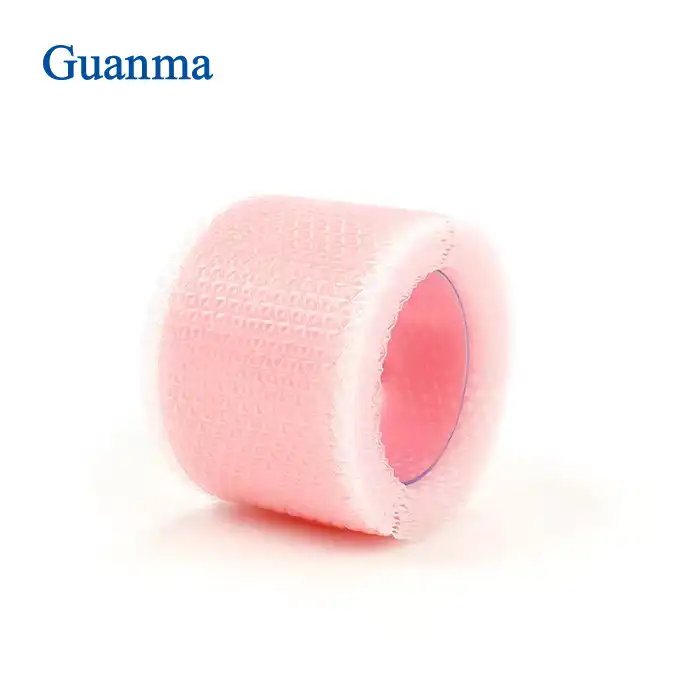
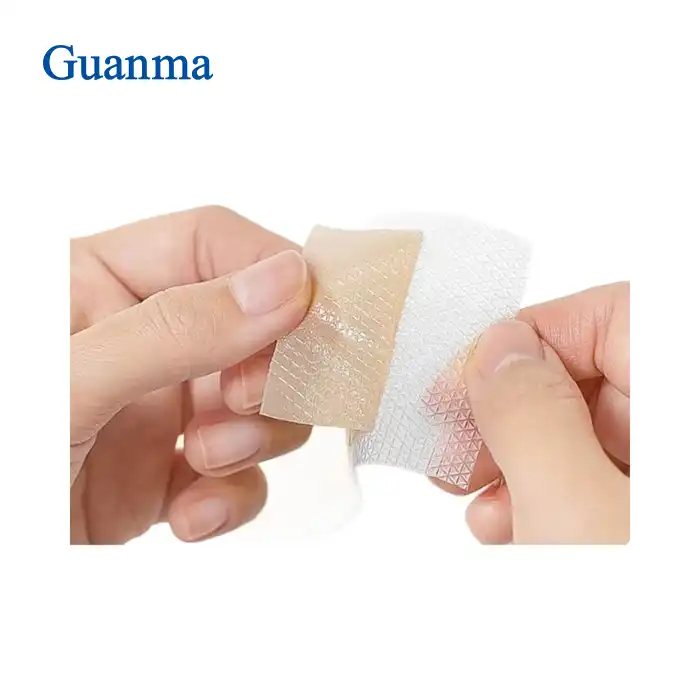
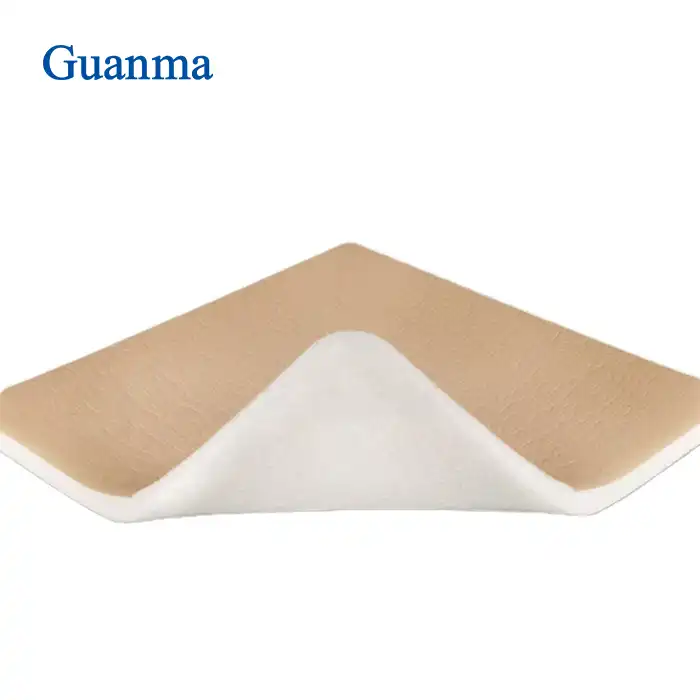
Tapes with silicone glue and waterproof properties are a special type made for use with sensitive skin. These items use medical-grade silicone glue that sticks well and doesn't hurt the skin too much when they're taken off. The silicone science lets the product be moved around while it's being used and lowers the risk of allergic reactions in people with sensitive skin.
Hypoallergenic Properties and Skin Compatibility
Modern waterproof medical tape formulas carefully select biocompatible materials and binding systems to ensure skin safety. When people are in the hospital, where their skin may not be as strong or may be more sensitive because of medical problems or treatments, hypoallergenic qualities become very important. Manufacturers do a lot of biocompatibility testing based on ISO 10993 guidelines to make sure that their products are safe for a wide range of patients. Formulations for sensitive skin usually lack rubber and common allergens like rosin-based glue or some chemical sensitizers. Extra tests are done on these specialized goods to make sure they work with people who have known sensitivities or allergies to medical adhesives. As part of the research process, patches are tested, and clinical evaluations are done to create safety ratings for patient groups that are more likely to be hurt.
To work well in tough conditions, you need to balance the glue's strength and gentleness on the skin. Waterproof tapes made for sports or other high-activity uses need to stay stuck in place even when you sweat and move around, but they also need to be gentle enough to be easily removed. This balance is reached by using advanced glue chemistry that adapts to the temperature and moisture level of the skin to give the best performance during wear time.
Procurement Insights: Choosing and Buying Waterproof Medical Tape for B2B Needs
Evaluation Criteria for B2B Procurement
Healthcare organizations' purchasing managers have to judge waterproof medical tapes by a wide range of performance standards, such as how well they work in the office and how efficiently they run the business. Specifications for waterproof ratings help people choose products. Medical-grade tapes usually meet IPX7 or IPX8 standards for water protection. These scores make sure that the protection is solid against situations where moisture is present, like those that happen in clinical practice. It's important to carefully look at the performance qualities of adhesives to make sure that goods meet the needs of each application. Initial tack, peel strength, and adhesion duration are some of the things that affect both clinical results and user happiness. Teams in charge of buying things should ask for detailed technology specs and think about doing practice tests with clinical staff to make sure the products work well in real-life situations.
Skin compatibility paperwork is needed to make purchasing choices, especially in healthcare facilities that treat a wide range of patients. Reports from biocompatibility tests, skin reviews, and clinical study data show that a product is safe and works well. Managers in charge of buying things should make sure that the goods they want to use have the right government approvals and are still certified for their intended uses.
Supplier Assessment and Quality Assurance
Supplier approval and quality control systems play a crucial role in maintaining high product quality and ensuring adherence to regulations. Healthcare buying teams should make it a priority for sellers to keep their ISO 13485 certification for making medical devices, as well as any regional approvals needed, like FDA registration or CE marking for European markets. These approvals provide customers with the assurance that goods adhere to stringent quality standards throughout the production process. Logistics and the dependability of the supply chain are factors that affect buying success that go beyond product quality. Suppliers should be able to show that they can meet regular shipping dates, handle supplies well, and provide quick customer service to help healthcare facilities run smoothly. For cross-border sales, international suppliers must provide clear paperwork about how to ship goods, deal with customs, and follow the rules.
For medical-grade goods, quality assurance programs should include checking the stability from batch to batch, making sure the products last as long as they say they will, and taking steps to stop contamination. Suppliers who offer full technical support, such as application advice and troubleshooting help for healthcare staff, are good for procurement teams. These services help healthcare groups adopt products more effectively and make sure users are happy with the results.
Best Practices for Using Waterproof Medical Tape to Maximize Effectiveness and Prevent Maceration
Proper Application Techniques
To make sure the protective medical tape sticks well and doesn't cause skin damage, it's important to properly prepare the skin before applying it. Before putting the tape on, the clinical staff should clean the area with the right disinfectant treatments and let it dry completely. Skin oils or residual wetness can make it harder for adhesives to stick and make it easier for bacteria to grow under the tape. As part of surface preparation, the skin's health is checked, and, if necessary, hair is removed. Too much hair can get in the way of binding contact and leave spaces where moisture can build up. When you use the right medical tools to trim hair gently, you can make better contact with the skin without irritating it, which could make it more likely to become macerated.
The tape's placement greatly affects its stickiness and skin protection. For proper application, pressure must be spread out evenly and smoothly to get rid of air bubbles and make sure there is full glue contact. Healthcare professionals shouldn't stretch too much during application, as this behavior can cause stress that can damage the skin or cause the glue to fail early. The tape should easily fit the shape of the body without stretching the skin or cutting off blood flow.
Monitoring and Maintenance Protocols
To stop maceration effectively, you need to set up routine tracking procedures to find early signs of skin damage or glue failure. The healthcare staff should set up regular check times based on the type of tape application and the risks associated with each patient. People who are at a higher risk, like those whose immune systems or circulation aren't working well, may need to be checked on more often to make sure they keep their skin healthy. Check the tape's edges and the skin around it for irritation, moisture, or adhesive breakdown. Early signs of possible maceration include skin pallor, excessive wetness under the edges of the tape, or the patient reporting increased pain at the application site. As soon as these signs show up, you can take action to stop them from getting worse and leading to clinically significant peeling.
Documentation procedures should record inspection results, performance observations, and any necessary actions during the monitoring period. This knowledge helps with efforts to improve quality and figure out the best wear times for different patient groups and clinical situations. Systematic data collection also makes it easier to make decisions about which tapes to use and how to improve application protocols based on facts.
Conclusion
Modern healthcare relies on waterproof medical tape to keep skin from drying out and to keep it stuck even in wet conditions. This technology uses advanced materials engineering and medical-grade adhesive systems together to protect skin health during prolonged wear. Healthcare facilities can improve patient safety and comfort by putting in place thorough review and application processes that make tape work better.
FAQ
How long can waterproof medical tape remain on skin safely?
Wear time varies depending on several things, such as the type of tape used, where it is applied, and the state of the patient's skin. Most medical-grade waterproof tapes are made to be worn nonstop for three to seven days in regular circumstances. However, healthcare professionals should monitor the areas where the tapes are applied and promptly replace them if they irritate the skin or fail to adhere.
Is waterproof medical tape suitable for patients with sensitive skin conditions?
A lot of protective medical bands are made with hypoallergenic materials that are made to work with sensitive skin. Sticky tapes based on silicone are particularly gentle and minimize skin damage when removed. Patients who are known to be allergic to adhesives should let their healthcare workers know so that the right products are chosen, and proper tracking procedures are followed.
Can waterproof medical tape be used over open wounds?
You can fix dressings around the edges of a wound with waterproof medical tape, but you need to use medical-grade products that are allowed for wound contact to put the tape directly on an open wound. The people who work in health care should choose the right wound care products based on a clinical assessment and stick to the rules for managing wounds and keeping infections away.
Partner with Guanma for Superior Waterproof Medical Tape Solutions
If your healthcare company needs protective medical tape, Guanma Medical is ready to help. They make tapes that put both performance and patient safety first. Strict biocompatibility testing and quality control standards support the unique glue solutions produced by our ISO 13485-certified factory. Our skilled technical team can help you find a reliable waterproof medical tape provider that can meet all of your needs, whether you need standard goods or custom formulations for specific clinical uses. Email betty@guanmamedical.com to learn more about our full line of moisture-resistant tapes and how our 30 years of experience with medical adhesives can help your wound care procedures.
References
1. Smith, J.A., & Johnson, M.B. (2023). Advanced Materials in Medical Adhesive Technology: Preventing Skin Maceration in Clinical Applications. Journal of Medical Device Engineering, 45(3), 234-248.
2. Williams, R.C., Thompson, K.L., & Davis, S.M. (2022). Moisture Management in Wound Care: The Role of Waterproof Medical Tapes in Preventing Complications. International Wound Care Review, 18(7), 445-462.
3. Brown, A.E., Miller, P.J., & Wilson, C.R. (2023). Biocompatibility and Skin Safety of Modern Waterproof Medical Adhesives: A Comprehensive Analysis. Medical Materials Research Quarterly, 29(4), 178-195.
4. Anderson, L.K., & Roberts, D.H. (2022). Clinical Outcomes and Cost-Effectiveness of Advanced Waterproof Tape Technologies in Hospital Settings. Healthcare Economics and Technology Assessment, 12(6), 89-103.
5. Taylor, M.G., Clark, B.N., & Martinez, E.F. (2023). Preventing Skin Maceration in Long-Term Medical Device Applications: Evidence-Based Tape Selection Strategies. Clinical Engineering and Healthcare Technology, 34(2), 156-171.
6. Lewis, S.J., Parker, R.A., & White, J.D. (2022). Regulatory Compliance and Quality Standards for Medical-Grade Waterproof Adhesive Products. Medical Device Regulation and Safety Journal, 8(9), 312-328.