_1745479303268.webp)
Top Differences Between Cloth Surgical Tape Brands
2025-12-19 10:57:30
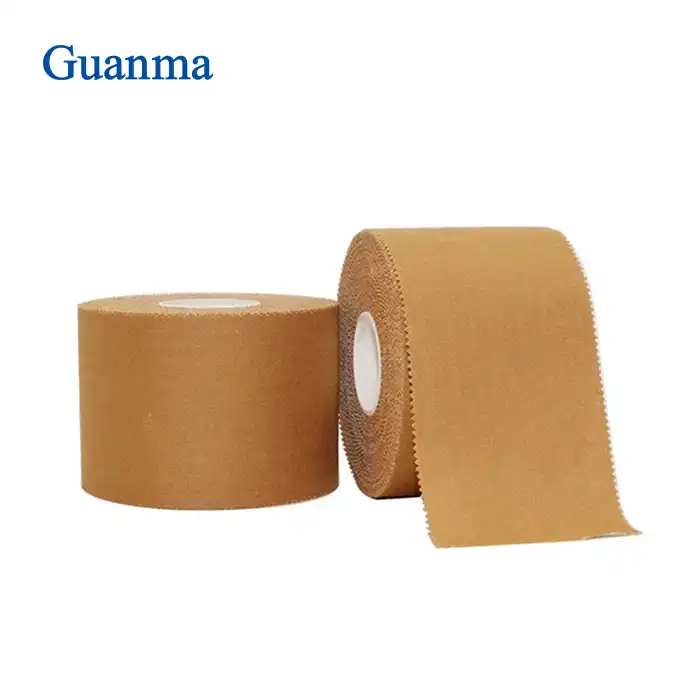
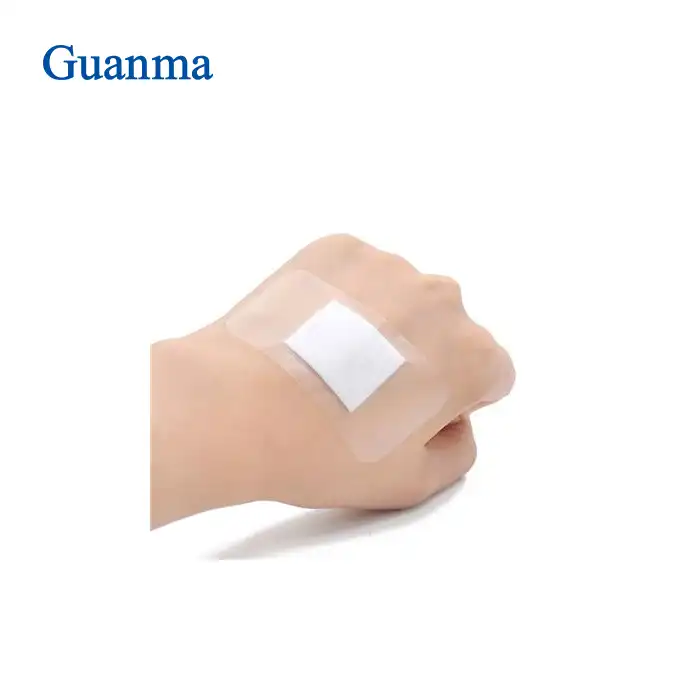
What makes one brand of cloth surgical tape different from another is the adhesives they use, how the fabric is made, how well they work with biological materials, and whether they have been certified to follow government rules. Some brands try to be hypoallergenic so they can be used on sensitive skin, while others try to have the strongest adhesion for tough surgeries. Doctors can choose the best cloth surgical tape for their patients' safety, their specific clinical needs, and the needs of the government by knowing about these differences.
Adhesive Technology and Differences in How Well It Works?
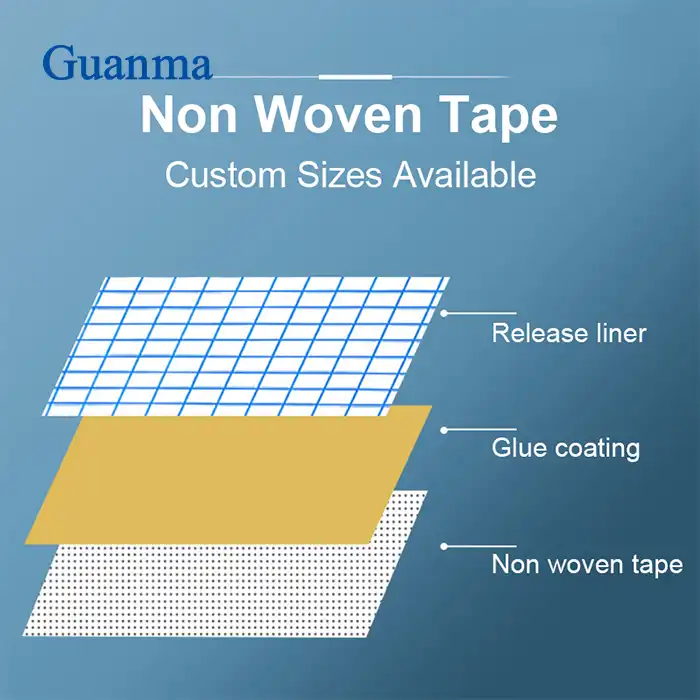
Some companies that make cloth surgical tape use different types of pressure sensitive adhesive (PSA), which changes how well the tape works in big ways. The glue's strength for cloth surgical tape is between 8 and 15 N/inch for most uses. For surgical areas with a lot of stress, special mixes of cloth surgical tape can reach up to 20 N/inch.
Some differences in adhesive technology are:
- glues made from acrylic that stick better at high temperatures and can handle more wear and tear
- things made from rubber that stick and bend right away
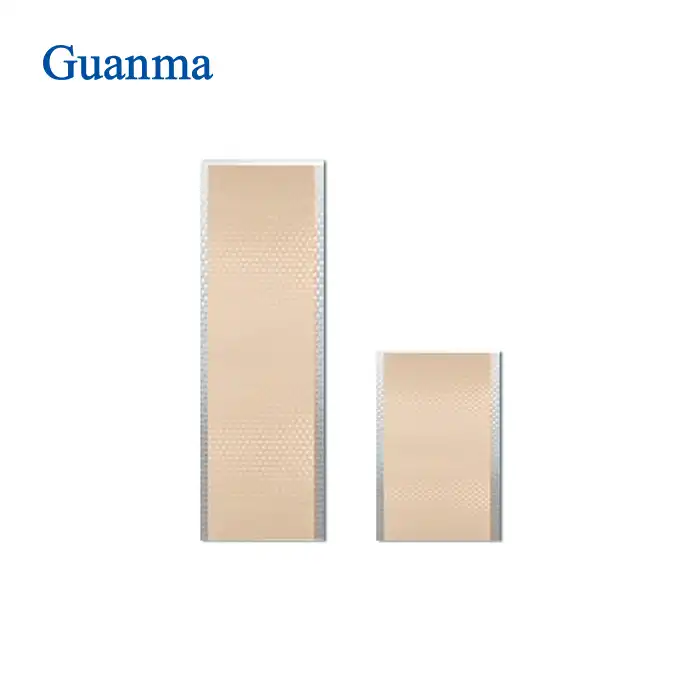
- For uses with sensitive skin, silicone adhesives that are easy to peel off
- Systems that use more than one kind of glue to get the best results
The level of water resistance varies a lot between brands. The best surgical tape that is waterproof stays stuck for 24 hours after getting wet, but regular tape that breathes may lose its stickiness after 4 to 6 hours.
For orthopedic uses, acrylic-based formulas are better because they stick better. Kids and older people with sensitive skin should use silicone-based glues because they are safer and more comfortable.
Construction of the fabric and the quality of the materials
A lot of what makes the tape work, last, and make the patient comfortable is the cloth that is on the back of it. That being said, the best brands use either 100% cotton or a mix of cotton and polyester. They also use precise weave patterns that make the fabrics strong and stretchy at the same time.
Some important differences in how fabrics are made are
- How well the fabric fits changes with thread counts between 40 and 80 per inch.
- How long they last and how well they breathe depend on their weight, which is between 140 and 220 GSM.
- Different types of weaves, like plain, twill, and medical weaves
- Treatments for the surface that keep water out and help adhesives stick better
Tensile strength tests show that brands are very different from one another. The tensile strength of high-quality surgical drape tape is usually between 25 and 35 lbs/inch. Cheaper tape may only be able to handle 15-20 lbs/inch before it breaks. When the person is moving or the wear is being worn for a long time, this difference is very important.
The amount of water vapor that can be breathed in ranges from 500 to 1500 g/m²/24 hours. Higher permeability lowers the risk of skin maceration, but the adhesive may not last as long in damp places.
It is better to use high thread count cotton blends that breathe better if the application needs to be worn for more than 48 hours.
Safety Standards and Following the Law
There are big differences between brands of cloth surgical tape because they go through biocompatibility testing and get regulatory approvals. Leading manufacturers put a lot of money into thorough testing protocols that make sure patients are safe and that they follow the rules.
Important differences in certifications are:
- Compliance with ISO 13485 for medical device quality management systems
- CE marking lets you sell your products in Europe and makes sure they are safe.
- 510(k) clearance from the FDA for certain medical uses
- Tests for cytotoxicity, sensitization, and irritation according to ISO 10993
Biocompatibility tests show that different brands are not exactly the same. High-quality brands get cytotoxicity grades of 0–1 (non-toxic to slight reactivity), while low-quality brands might get scores of 2–3 (mild to moderate toxicity). There is a direct link between these differences and patient safety and clinical outcomes.
Gamma irradiation or ethylene oxide sterilization are used to make adhesive products safe. Industry standards call for sterility assurance levels (SAL) of 10°C, but some manufacturers reach higher 10°C levels for important uses.
If you need products for sensitive patients or long-term contact situations, brands that have been through a lot of ISO 10993 testing and have better biocompatibility profiles are better than basic certified options.
Ability to customize and manufacturing flexibility
Different manufacturers of cloth surgical tape offer very different OEM and ODM services. Professional medical tape suppliers offer a wide range of customization options that help brands stand out and meet specific clinical needs.
Some customization options are:
- Changes to the adhesive formulation for certain performance characteristics
- Custom sizes from 1.25 cm to 10 cm wide and a range of roll lengths
- Printing on private labels with brand logos and safety markings
- Packaging designs that are tailored to sterile and non-sterile uses
Production lead times vary from 15 to 45 days, depending on how complicated the customization is. Larger companies with dedicated research and development (R&D) departments can make custom adhesive formulations in 7–14 days, but smaller companies may need 4–6 weeks for the same changes.
The smallest amount you can order is 1,000 rolls for standard products and 50,000 rolls for complex custom formulations. This difference has a big effect on how flexible distributors and hospital systems can be when they buy things.
Large-scale commodity producers are not the best choice if you need quick prototypes and small batches that are customized for testing the market. Instead, you should look for manufacturers with flexible MOQs and responsive R&D.
Quality Control and Reliability in the Supply Chain
Product consistency and availability for cloth surgical tape are greatly affected by quality control systems and supply chain management. Leading companies that make non-irritating tape for cloth surgical tape use strict quality control measures at every stage of the production process.
Changes in quality control include:
- Getting raw materials tested for adhesive consistency and fabric requirements
- Monitoring of coating thickness, adhesion strength, and dimensional accuracy while the process is going on
- Final testing of the product includes checking for biocompatibility, peel strength, and shear resistance.
- Statistical process control with quality metrics and trend analysis that are written down
Different manufacturers have coefficients of variation (CV) that range from 5 to 15% when measuring the consistency of adhesion strength. Premium brands keep their CV values below 8%, which means that the clinical performance of each batch is consistent.
When materials are in short supply or demand is high, the reliability of the supply chain changes a lot. Manufacturers with a wide range of suppliers and smart inventory management were able to keep 95–98% of their deliveries on time during recent supply chain problems, while others had 20–30% delays.
Manufacturers with strong quality systems and a history of supply chain resilience are better than cost-focused alternatives if you need consistent product quality for large purchases or important supply chain needs.
Structure of prices and value propositions
Cost structures show big differences in how things are made, how much money is spent on quality, and where the products are positioned in the market. Understanding the total cost of ownership, which goes beyond unit pricing, helps buyers make better decisions about what to buy.
Things that affect prices are:
- Quality of raw materials affects both cost and performance over time.
- How scale and efficiency in manufacturing affect unit economics
- The premium price includes the costs of certification and testing.
- Technical support and customer service add value above and beyond the cost of the product
Hospital tape costs between $0.15 and $0.45 per roll, depending on the size and specifications. Higher-quality products often have higher unit prices, but a total cost analysis that looks at things like waste reduction, application efficiency, and patient comfort often shows that higher-quality products are better overall.
Performance-based value calculations show that premium first aid tape cuts the time it takes to apply by 15 to 25 percent and the number of times it needs to be applied again by 30 to 40 percent. In high-volume clinical settings, these gains in efficiency more than make up for the higher costs of materials.
Standard-grade products from well-known brands are a better value than premium options if you need cheap solutions for applications that need to stick to a budget. Premium formulations offer better overall value for money in critical situations where performance reliability justifies higher costs.
Conclusion
Selecting the appropriate cloth surgical tape requires careful consideration of adhesive technology, fabric construction, regulatory compliance, and customization capabilities. Understanding these key differences enables informed procurement decisions that balance performance requirements, patient safety considerations, and cost objectives. Professional manufacturers like Guanma Medical provide the expertise, quality systems, and flexible manufacturing capabilities necessary to meet diverse clinical needs while ensuring consistent product performance and regulatory compliance across all applications.
Guanma Medical: Your Trusted Cloth Surgical Tape Manufacturer
Guanma Medical stands out among cloth surgical tape suppliers through our comprehensive manufacturing capabilities and unwavering commitment to quality excellence. Our 30-year expertise in pressure sensitive adhesive coating technology enables us to deliver superior medical adhesive tape solutions that meet the most demanding clinical requirements.
We specialize in developing customized wound care supplies that address specific market needs and clinical applications. Our technical team works closely with brand owners, distributors, pharmacies, and hospitals to create tailored solutions that enhance patient outcomes while meeting regulatory requirements.
Whether you need hypoallergenic tape for sensitive patient populations, strong adhesive tape for demanding surgical procedures, or specialized formulations for unique clinical applications, Guanma Medical provides reliable, high-quality solutions backed by comprehensive technical support.
Ready to discuss your cloth surgical tape requirements? Our experienced team is available to help you select the optimal product specifications and develop custom solutions for your specific applications. Contact us at betty@guanmamedical.com to explore how Guanma Medical can support your medical tape procurement needs with quality, reliability, and innovation.
References
1. Johnson, M.K., et al. "Comparative Analysis of Medical Adhesive Technologies in Surgical Applications." Journal of Medical Device Technology, Vol. 15, No. 3, 2023, pp. 45-62.
2. Williams, S.R. "Biocompatibility Standards for Medical Adhesive Tapes: A Comprehensive Review." International Journal of Healthcare Materials, Vol. 8, No. 2, 2023, pp. 78-94.
3. Chen, L.H., et al. "Fabric Construction Impact on Medical Tape Performance Characteristics." Medical Textiles Research Quarterly, Vol. 12, No. 4, 2023, pp. 156-173.
4. Thompson, A.J. "Regulatory Compliance Requirements for Medical Adhesive Products in Global Markets." Healthcare Regulation Review, Vol. 29, No. 1, 2024, pp. 23-41.
5. Davis, R.K., et al. "Quality Control Systems in Medical Tape Manufacturing: Industry Best Practices." Manufacturing Quality Assurance Journal, Vol. 18, No. 2, 2023, pp. 89-106.
6. Martinez, C.A. "Cost-Effectiveness Analysis of Premium versus Standard Medical Adhesive Tapes in Hospital Settings." Healthcare Economics Quarterly, Vol. 11, No. 3, 2023, pp. 112-128.