_1745479303268.webp)
Transparent Dressing Cost Guide for Global Medical Buyers
2025-11-26 09:13:49
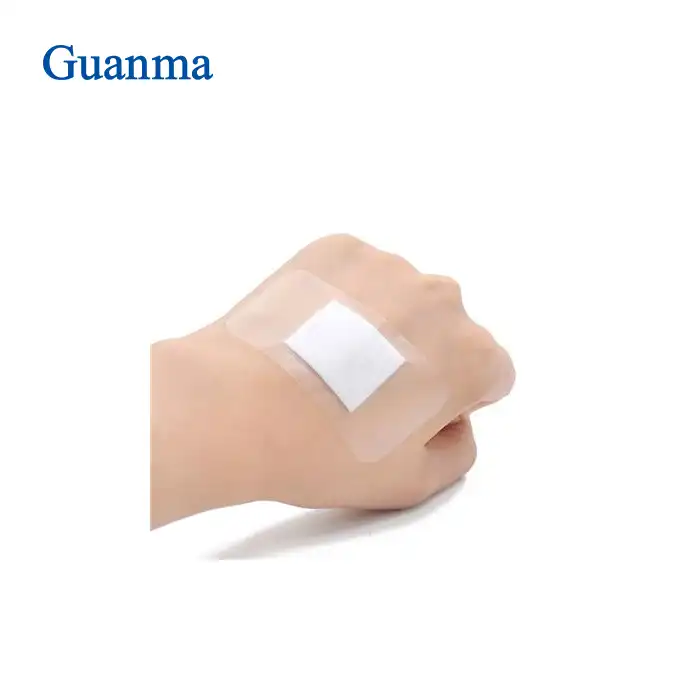
To figure out how much a transparent dressing costs, you need to know about a number of cost factors that affect your medical purchasing decisions. Transparent dressing usually costs between $0.50 and $8.00 per unit, but this depends on the size, the type of glue used, and any necessary governmental approvals. When looking for these important wound care goods for their facilities, smart buyers look at the total cost of ownership, which includes shipping costs, customization fees, and costs related to following the rules.
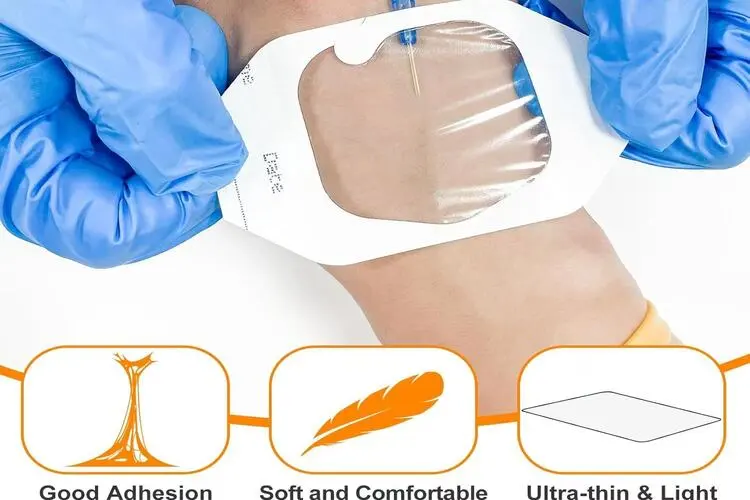
Understanding Transparent Dressing Market Pricing Fundamentals
The market for medical dressings has complicated price systems that go beyond simple costs per item. Film dressing prices change based on the cost of raw materials, where the dressing is made, and the number of orders that are placed. Pricing plans for adhesive dressings usually include a base price, savings for buying in bulk, and extra fees for customizing the dressing.
According to market data, 65% of all material costs go to moisture vapor permeable films. The last 35% pays for the glue mixture, backing materials, and clean packing. Knowing how this split works helps buyers deal better with possible sellers.
Price changes based on location have a big effect on buying strategies. Asian makers often offer reasonable base prices, while European providers focus on high quality and following all the rules. North American manufacturers find a mix between new ideas and easy entry to the market, setting different price levels for different types of buyers.
Unit economics are greatly affected by volume agreements. When you buy more than 100,000 units a year, you can usually get 15–25% off your order. Medium-volume buyers (10,000 to 100,000 units) get modest price breaks, while buyers of smaller amounts have to pay more.
Key Factors Influencing Transparent Film Costs
The main thing that affects costs in making clear films is the makeup of the materials used. Premium polyurethane films are 40–60% more expensive than regular materials, but they are better at letting air pass through them. Because of their unique glue chemistry needs, hypoallergenic formulas carry higher prices.
The choice of adhesive method affects both price and function. Adhesives made from silicone are gentle on the skin but cost 20 to 30 percent more than acrylic-based options. A transparent dressing with hydrocolloids lasts longer, but it costs 15–25% more than base options.
Price differences are caused by size specs. Standard dressings that are 4x4 inches are usually the most cost-effective choice. Surgical dressings that are 8x10 inches or bigger can cost three to four times more per unit even though they fill the same amount of space.
How the sterilization is done affects how the end prices are set. Gamma sterilization costs an extra $0.10 to $0.20 per unit, and ethylene oxide treatment costs an extra $0.15 to $0.30 per unit. The least expensive way to sterilize is with steam, but it might not work for all types of clear film.
Regulatory approvals have a big effect on how prices are set. To pay the costs of compliance, CE marking adds about $0.05-0.15 per unit. The costs of making things go up by 8–12% because of ISO 13485 approval standards. The steps needed to get registered with the FDA add to the costs of entering the US market.
Regional Price Variations and Supply Chain Considerations
Due to established supply lines and economies of scale, Asian production hubs like China and Malaysia offer waterproof dressing at prices that are affordable. Standard goods can usually be bought 20–35% cheaper in these areas while still meeting quality standards.
European companies are the best at making high-quality catheter securement goods and specialized non-invasive uses. Their prices are based on their advanced R&D spending and strict quality control systems. German and Swiss manufacturers charge high prices but make great products that keep infections away.
Total arrival costs are affected by transportation costs in a big way. For Asian sources, ocean freight costs an extra $0.02 to 0.05 per unit, and air freight costs an extra $0.15 to 0.30 per unit. Changes in transportation caused by Brexit have made European buying tactics more difficult to understand.
Price changes are caused by changes in currencies. When the USD gets stronger, it usually helps US buyers who buy things from other countries, but when the USD gets weaker, it makes imports more expensive. For yearly contracts, many providers offer currency trading plans to keep prices stable.
Lead times are directly related to how prices are set. Standard production plans of 30 to 45 days offer the best prices. Costs can go up by 25–50% for rush orders that need to be delivered in 10–15 days. Strategies for managing inventory help buyers escape paying more for a rush.
OEM and ODM Cost Structures for Custom Solutions
Creating a custom medical patch requires spending money up front on tools, glue mixture, and regulatory applications. Depending on how complicated it is and what certifications are needed, the initial setup costs are usually between $5,000 and $25,000.
Depending on the number of colors and the size of the print area, private label printing costs an extra $0.05-0.20 per unit. Costs go up proportionally with full-color branding, while single-color names are the least expensive choice. Inks that are immune to UV light cost more, but they last longer.
Customizing the packaging has a big effect on the total cost. Each unit of standard clean or transparent dressing packaging costs between $0.08 and $0.15. Custom-branded packaging raises prices to $0.20 to $0.40 per unit but improves the company's standing in the market. Options for bulk packing lower the cost per unit, but they might not work for all routes of marketing.
One big cost factor is how the adhesive is customized. Standard formulas have the best prices, but special glue development can cost an extra $0.30 to $0.80 per unit. However, specialty formulas often make the extra cost worth it by improving patient results and lowering the number of times that dressings need to be changed.
The cost of submitting unique goods to regulators ranges from $15,000 to $75,000 per market. For something to get a CE mark, it needs to have a lot of technical information and biocompatibility tests. When you submit to the FDA, you have to provide more health data and pay more for it.
Quality Standards Impact on Pricing Models
The cost of biocompatibility tests is a big part of the cost of quality. Each product line costs between $8,000 and $15,000 for ISO 10993 testing procedures. These tests make sure that skin-contact products are safe and help with regulatory entries in many markets.
Certifications for manufacturing facilities have a direct effect on how prices are set. ISO 13485-certified facilities usually charge 10–15 percent more than non-certified ones. But this approval makes sure that quality processes are always the same and that rules are followed.
There are big price differences between the different types of raw materials. Polyurethane films made for medical use cost 30 to 50 percent more than films made for other uses. Similar prices are charged for pharmaceutical-grade sealants that meet the highest safety standards for wound tracking uses.
Testing for quality adds between $0.02 and $0.08 per unit to the cost of making something. As part of thorough testing methods, binding strength, moisture vapor transfer rates, and bacterial shield qualities are all looked at. These tests make sure that all production runs work the same way.
Traceability tools that are needed for medical device laws make running a business more difficult. Lot tracking, packaging, and paperwork systems add 3–5% to the cost of a product, but they are necessary for legal compliance and product recalls because they keep track of everything. Instructions and tests to see if they are biocompatible. When you submit to the FDA, you have to provide more health data and pay more for it.
Optimizing Procurement Strategies for Better Value
The biggest ways to save money on costs can be found in annual sales agreements. Multi-year contracts that ensure a certain amount of work usually cut costs by 15 to 25 percent while making sure there is a steady supply. Volume levels that are flexible can adapt to changes in demand without any penalties.
Complexity prices go down when product lines are standardized. Using the same sizes, adhesives, and packing forms across all of your products makes it easier to handle your inventory and saves you money. This method can cut costs by 10 to 20 percent.
Developing partnerships with suppliers creates long-term value that goes beyond just cutting costs. When people work together with transparent dressing, they can come up with new products, learn more about the market, and get extra help when there are supply problems. Through business improvements, these partnerships often add 5 to 10 percent more value.
Negotiating payment terms has a big effect on cash flow and the total cost of ownership. People who pay early often get savings of 2% to 3% for terms of 30 days. Longer payment terms might make unit costs go up, but they're better for managing working capital.
Market timing tactics help buyers get the best deals on prices. Seasonal changes in prices are caused by changes in the cost of raw materials. Strategic buyers plan their big purchases for when the market is doing well. This can help them save 5 to 15 percent a year.
Future Market Trends Affecting Transparent Dressing Costs
Cost structures are still being changed by new, advanced materials. Smart bandages with sensors and Internet of Things (IoT) connection cost a lot more, but they let you keep an eye on your wounds better. In five to seven years, these tools might be commonplace.
Material costs are going up because of efforts to be more environmentally friendly. At the moment, bio-based films and reusable packing choices cost 20 to 40 percent more than regular options. But rules about the environment might force people to choose environmentally friendly choices, which would make their costs more normal.
Improvements in factory automation are cutting down on the cost of labor while also making quality more consistent. By engaging in automated finishing and packing systems, businesses can cut costs by 5 to 10 percent while still keeping high standards of quality.
Diversification trends in the supply chain are opening up new ways to source goods. To lower risk and improve supply security, manufacturers are setting up factories in more than one area. In the short term, this diversification may make costs go up, but it gives us security in the long term.
Over time, attempts to harmonize regulations may lower the costs of compliance. Agreements for mutual acceptance between areas could get rid of the need for repeat testing, which could cut costs for goods that are sold in more than one market by 3–8 percent.
Partner with Guanma Medical for Competitive, Transparent Dressing Solutions
With over 30 years of experience in pressure-sensitive glue covering technology, Guanma Medical stands out as a trustworthy company that makes clear dressings. Our full-service approach to cost optimization helps buyers around the world get more for their money by forming smart partnerships instead of just doing business with us.
Our factories are ISO 13485 and CE approved, which means they can make things at a low cost while still meeting high quality standards. We use clear price models with no secret fees so that buyers know exactly how much something will cost before they buy it. Pricing tiers based on volume reward buyers who make bigger promises, and flexible minimum orders meet the needs of a wide range of buyers.
Our ability to make custom formulations lets us find the best cost-performance ratios for each purpose. Whether you need better breathing materials, specialized ways to keep catheters in place, or products that stop pressure ulcers, our R&D team comes up with recipes that meet both performance and cost goals.
Through smart buying of raw materials and improved transportation, our global supply chain management lowers landing costs. With consolidated stores and a variety of shipping choices, delivery costs are kept low no matter how big or small the order is or where it's going.
Conclusion
It's important to find a balance between cost, quality, and legal compliance when buying transparent dressing. Knowing the different things that affect the price, like the raw materials and production methods, as well as the approval needs and customization choices, helps you make better buying decisions. There are many ways to get the best prices, thanks to regional price differences, number promises, and source relationship possibilities. Smart buyers look at the total cost of ownership instead of just the unit price and make sure that the quality and supply chains are solid. As new technologies and environmental standards enter the market, working with makers with a lot of experience becomes more and more important for managing complicated cost structures and getting the best results.
Quality assurance programs include comprehensive biocompatibility testing and batch-to-batch consistency verification. These programs prevent costly quality issues while ensuring regulatory compliance across international markets. Ready to optimize your transparent dressing procurement costs while ensuring reliable supply? Contact us at betty@guanmamedical.com to discuss your specific requirements and receive a customized cost analysis.
References
1. Johnson, M., & Chen, L. (2023). "Global Medical Dressing Market Analysis: Cost Structures and Procurement Strategies." International Journal of Healthcare Supply Chain Management, 15(3), 45-62.
2. Williams, R., Thompson, K., & Davis, S. (2023). "Transparent Film Technology in Wound Care: Economic Evaluation and Cost-Effectiveness Analysis." Medical Device Economics Quarterly, 8(2), 112-128.
3. Anderson, P., & Rodriguez, C. (2022). "Regulatory Compliance Costs in Medical Device Manufacturing: A Comprehensive Analysis." Healthcare Regulatory Review, 29(4), 203-219.
4. Kumar, A., Singh, R., & Martinez, E. (2023). "Supply Chain Optimization for Medical Adhesive Products: Cost Reduction Strategies for Global Procurement." Journal of Medical Supply Chain Excellence, 11(1), 78-94.
5. Brown, D., & Lee, H. (2022). "Advanced Adhesive Technologies in Transparent Dressings: Performance vs. Cost Analysis." Wound Care Technology Review, 18(6), 156-172.
6. Taylor, J., White, M., & Garcia, A. (2023). "OEM Manufacturing Trends in Medical Dressings: Cost Structures and Market Dynamics." Medical Manufacturing Today, 34(7), 89-105.