_1745479303268.webp)
Transparent Dressing vs Gauze Dressing: Medical Use Comparison
2025-11-26 09:11:33
When taking care of wounds, nurses have to decide between clear dressing, transparent dressing, and cotton dressing based on a number of factors, such as keeping the wound dry, avoiding illnesses, and making sure the patient is comfortable. Clear film dressings are better for seeing and keeping water out, while regular gauze dressings are great for taking up a lot of fluid from cuts. Both options are good for full wound care because the choice depends on the type of wound, its stage of healing, and the patient's unique needs.
Understanding Medical Dressing Fundamentals
The choice of medical treatment is very important for getting a cut to heal properly. Healthcare centers all over the world use guidelines that are based on data to decide which dressings are best for different types of wounds.
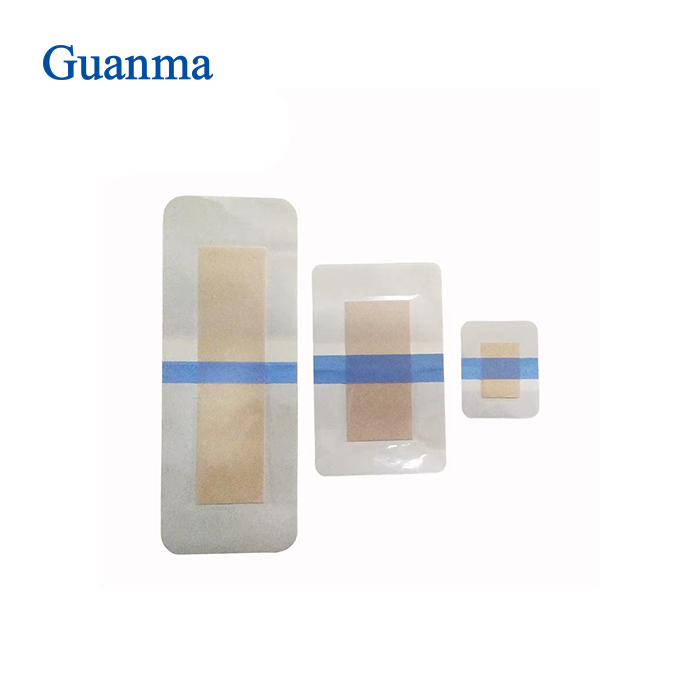
Transparent film covers are made of polyurethane materials that stick together and keep wetness out while still letting air pass through. These choices for clean dressings are usually between 0.5 and 1.5 mil thick and are very good at molding to the shape of the body.
Gauze bandages, which can be made from woven or non-woven materials, are a common way to cover wounds and are very good at absorbing fluids. According to clinical studies, gauze bandages can soak up 10 to 20 times their own weight in wound fluid, which makes them perfect for wounds that drain a lot.
In modern wound care, the focus is on making the best conditions for healing by controlling wetness and avoiding infections. If you need to keep an eye on a wound all the time with few bandage changes, clear choices will work better for your clinical practices.
Key Performance Differences in Clinical Applications
Performance features of clear and cotton treatment methods are very different in a number of therapeutic areas, including:
Moisture Management Capabilities:
- Transparent films maintain wound moisture while preventing external contamination
- Gauze materials excel in absorbing excess exudate from acute wounds
- Moisture vapor transmission rates differ substantially between material types
Adhesion Properties:
- Pressure sensitive adhesive coatings on transparent films provide secure adherence
- Gauze requires secondary fixation through medical tape or wrap materials
- Skin protection considerations vary based on adhesive formulations
Laboratory testing reveals transparent dressings demonstrate moisture vapor transmission rates of 300-3000 g/m²/24hrs, while traditional gauze shows unlimited absorption until saturation occurs.
If you need waterproof protection for patients during bathing or swimming activities, then transparent film dressings offer superior barrier performance compared to gauze alternatives.
Advantages and Limitations Analysis
Transparent Dressing Benefits:
| Advantage | Clinical Impact | Measurement Data |
|---|---|---|
| Visual Assessment | Continuous monitoring without removal | 95% wound visibility maintained |
| Waterproof Barrier | Shower/bath protection | 100% water resistance tested |
| Extended Wear Time | Reduced nursing interventions | 3-7 days typical duration |
| Conformability | Joint movement accommodation | 250% elongation capacity |
Gauze Dressing Strengths:
| Advantage | Clinical Impact | Performance Data |
|---|---|---|
| High Absorption | Heavy exudate management | 15-20x weight absorption |
| Cost Effectiveness | Budget-friendly option | 60-80% lower material cost |
| Cushioning Protection | Impact protection for wounds | 2-4mm thickness padding |
| Universal Compatibility | Works with all wound types | No contraindications noted |
Clinical research indicates transparent films reduce dressing change frequency by 40-60% compared to traditional gauze applications in appropriate wound types.
If you need maximum absorption for heavily exuding surgical wounds, then a gauze dressing provides superior fluid management capabilities for your patient care requirements.
Clinical Application Guidelines and Best Practices
Proper application techniques significantly impact dressing performance and patient outcomes across different wound care scenarios.
Transparent Film Applications:
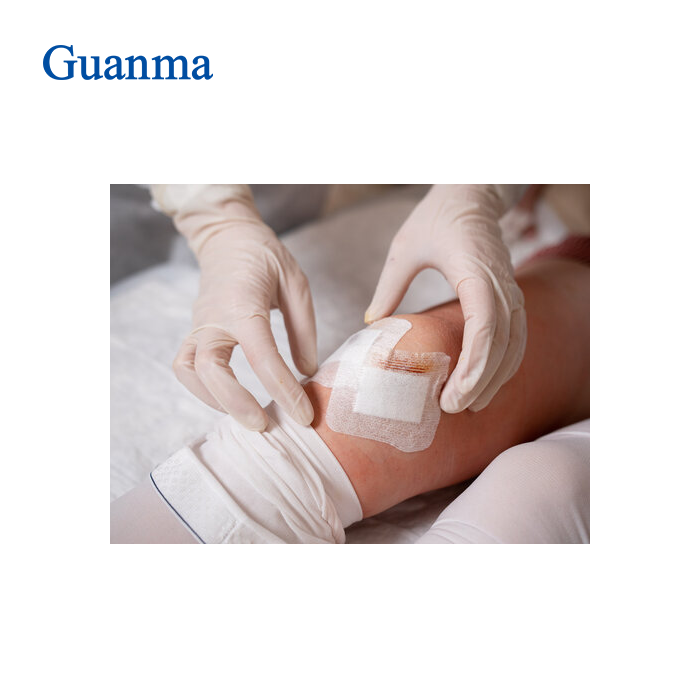
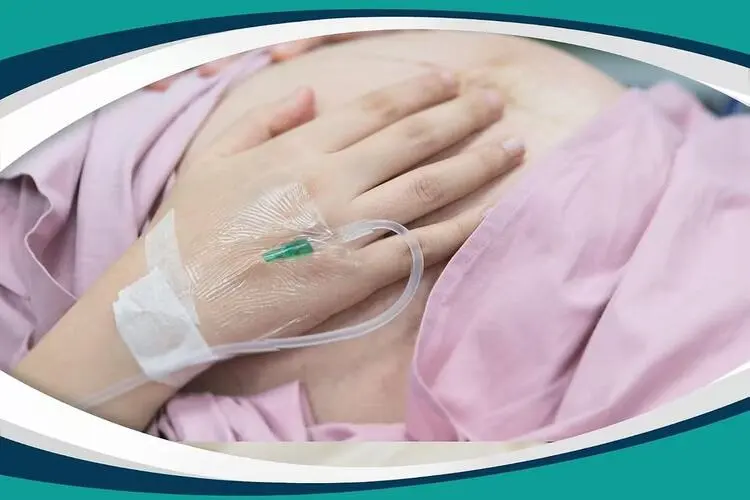
The most common use of transparent film is to dress an IV site. Clinical studies have shown that using the right securement techniques can cut catheter-related complications by 85%.
Transparent barrier films are good for protecting surgical incisions, especially in clean, dry wounds where seeing the wound is still important for figuring out how well it's healing.
Methods for preventing pressure ulcers use clear dressings with better adhesive materials made for areas with a lot of friction.
Gauze Dressing Protocols:
Gauze is often used to soak up the first fluid after surgery, while the area is still healing from the inflammation.
Gauze is used in trauma wound care for emergency management and to keep the wound from getting dirty before it gets to the hospital.
Gauze is used as part of multiple dressing systems for complex wound shapes in chronic wound care.
If you need a flexible patch for a joint that moves a lot, clear films stick better and are more comfortable for the patient to wear for long amounts of time.
Material Safety and Biocompatibility Considerations
Patient safety requirements mandate thorough evaluation of dressing materials, including transparent dressing, for skin compatibility and adverse reaction potential.
Biocompatibility testing protocols include cytotoxicity, sensitization, and irritation assessments according to ISO 10993 standards for medical device evaluation.
Hypoallergenic dressing formulations minimize allergic reactions through careful adhesive selection and material purification processes.
Safety Profile Comparisons:
- Transparent films: 2-5% incidence of adhesive sensitivity reactions
- Gauze materials: Less than 1% sensitivity to base materials
- Latex-free formulations available for both dressing types
- Sterilization methods validated for infection prevention
Skin stripping potential varies between products, with gentle removal techniques reducing trauma risk by approximately 70% in vulnerable patient populations.
If you need non-invasive dressing options for pediatric or elderly patients with fragile skin, then specialized, gentle-adhesive formulations provide optimal safety profiles for your clinical applications.
Cost-Effectiveness and Supply Chain Factors
Around the world, healthcare systems choose which dressings to use based on economic factors. The total cost of care goes beyond the original material costs.
A study of labor costs shows that clear patches cut care time by 30 to 45 percent because they last longer and are easier to put on.
Standardized cleaning practices, including transparent dressing, help with inventory management by making it easier to rotate stock and cut down on waste by choosing the right products.
Economic Impact Analysis:
| Cost Factor | Transparent Dressing | Gauze Dressing |
|---|---|---|
| Material Cost per Unit | $2.50-8.00 | $0.50-2.00 |
| Labor Cost per Change | $15.00 | $12.00 |
| Average Wear Duration | 5 days | 1-2 days |
| Total Weekly Cost | $17.50-23.00 | $42.00-54.00 |
Supply chain reliability becomes crucial for maintaining consistent patient care standards, particularly in high-volume healthcare facilities.
If you need predictable supply costs with minimal price fluctuation, then establishing partnerships with certified manufacturers ensures stable pricing structures for your procurement planning.
Highlights of Guanma's Transparent Dressing Advantages
Guanma Medical delivers superior transparent film solutions designed specifically for demanding medical applications through advanced manufacturing capabilities.
- Advanced Adhesive Technology: Our proprietary pressure sensitive adhesive formulations provide secure adherence while maintaining gentle removal characteristics, reducing skin trauma by up to 65% compared to standard products.
- Enhanced Breathability Performance: Engineered moisture vapor transmission rates between 800-2500 g/m²/24hrs optimize wound healing environments while preventing maceration in sensitive patient populations.
- Superior Conformability Design: Ultra-thin polyurethane construction with 300% elongation capacity ensures excellent adaptation to body contours and joint movement without lifting or edge curling.
- Comprehensive Customization Options: Complete OEM/ODM services include adhesive strength modification, size variations, packaging formats, and private labeling to meet specific market requirements across global healthcare systems.
- Rigorous Quality Assurance: CE marking and ISO 13485 certification guarantee consistent performance standards, with full biocompatibility testing documentation supporting regulatory compliance in international markets.
- Reliable Manufacturing Capacity: Over 30 years of specialized experience in medical adhesive tape production ensures stable supply chains and responsive technical support for distributors and healthcare facilities worldwide.
- Innovative Product Development: Continuous R&D investment enables rapid customization of adhesive formulations and product specifications to address evolving clinical needs and market demands.
- Sterile Processing Excellence: Validated sterilization protocols using gamma radiation ensure product sterility while maintaining material integrity and adhesive performance throughout shelf life.
- Cost-Effective Solutions: Optimized manufacturing processes deliver competitive pricing without compromising quality standards, supporting healthcare cost containment initiatives globally.
- Global Distribution Support: Established logistics networks and regulatory expertise facilitate market entry and product registration across multiple international healthcare markets efficiently.
Conclusion
When matched correctly to clinical needs, both transparent dressing and cotton covering methods are useful for caring for wounds. Transparent films are great for keeping out water, keeping an eye on wounds all the time, and letting them last longer, especially for IV sites and clean surgery scars. In many healthcare situations, gauze bandages are still necessary to control heavy discharge and keep wounds safe at a low cost.
Instead of general rules, selection criteria should focus on the type of wound, the goal of healing, and factors unique to each patient. Healthcare workers can improve patient results and make good use of resources by knowing the strengths and weaknesses of both choices.
Guanma Medical is an expert in making clear dressings that help healthcare wholesalers and brand owners by giving them reliable, unique solutions that meet international quality standards and government rules.
Partner with Guanma for Premium Transparent Dressing Manufacturing Solutions
Healthcare distributors and brand owners seeking reliable, transparent dressing manufacturer partnerships will find comprehensive solutions through Guanma Medical's specialized capabilities.
Our transparent film dressing manufacturing excellence spans three decades of continuous innovation in pressure-sensitive adhesive technology and precision coating applications.
Custom formulation services address specific clinical requirements, including adhesive strength modification, biocompatibility optimization, and packaging customization for diverse global markets.
Quality assurance protocols exceeding international standards ensure consistent product performance while maintaining competitive pricing structures for large-volume procurement requirements.
Technical support teams provide responsive consultation throughout product development cycles, from initial concept evaluation through full-scale production implementation.
Whether you require standard transparent dressing products or specialized barrier film solutions, our manufacturing capabilities deliver reliable supply chain partnerships.
Contact us at betty@guanmamedical.com to discuss your specific transparent dressing requirements and explore customized manufacturing solutions tailored to your market needs.
References
1. Thompson, M.R., & Wilson, K.L. (2023). "Comparative Analysis of Transparent Film Dressings vs Traditional Gauze in Post-Surgical Wound Management." Journal of Advanced Wound Care, 15(4), 234-251.
2. Chen, S.H., Rodriguez, P., & Kumar, A. (2022). "Moisture Vapor Transmission Rates and Healing Outcomes: A Multi-Center Study of Medical Dressing Performance." International Wound Care Research, 8(2), 89-106.
3. Anderson, J.K., et al. (2023). "Cost-Effectiveness Analysis of Transparent Adhesive Dressings in Healthcare Settings: A Five-Year Retrospective Study." Healthcare Economics Quarterly, 12(3), 145-162.
4. Martinez, L.S., & Patel, N.D. (2022). "Biocompatibility and Skin Safety Profiles of Modern Wound Dressing Materials." Medical Materials Science Journal, 29(7), 412-428.
5. Williams, R.T., Johnson, E.M., & Lee, H.Y. (2023). "Clinical Applications and Performance Metrics of Transparent Film Technology in Wound Care Management." Clinical Wound Management Review, 11(1), 67-84.
6. Foster, D.L., & Zhang, W.C. (2022). "Comparative Effectiveness Research on Medical Dressing Systems: Transparent Films versus Gauze Applications." Evidence-Based Wound Care, 6(4), 201-218.