_1745479303268.webp)
Waterproof Medical Tape: Balancing Adhesion and Gentle Removal
2025-10-27 11:29:24
Today, waterproof medical tape is an important part of health care because it keeps many medical uses safe. Both healthcare workers and patients are looking for reliable ways to care for wounds and keep medical devices in place. The key is to find the best mix between sticking well and being easy to remove. It is important to find this careful balance so that the treatment works while also causing as little pain and skin damage as possible. This is a detailed look at waterproof medical tape. We will talk about new easy-peel technologies that are changing the medical tape business, improved adhesives that stick well without hurting the skin, and the right way to remove the tape without hurting the skin. If people who work in healthcare know these important facts, they can make smart choices that will improve care and comfort for patients while keeping treatments going.

Advanced Adhesives: Strong Hold Without Skin Damage
Innovative Adhesive Formulations
Waterproof medical tape manufacturers have made significant strides in developing advanced adhesive formulations that provide excellent adhesion while minimizing skin trauma. That way, patches and medical devices will stay in place even in tough conditions because these new adhesives are made to form a strong bond with the skin. Manufacturers have been able to make tapes that stay in place without irritating or damaging the patient's skin too much by using skin-friendly ingredients and improving the adhesive chemistry. This balance is especially important for people with sensitive skin or who need to wear tape for a long time.
Skin-Friendly Materials
A big change in the world of protective medical tape is the creation of materials that are safe for the skin. Modern manufacturers use new polymers and fabrics that let air pass through them. These things keep the skin safe from outside germs while still letting it keep its natural balance of wetness. These parts, along with the glue, make a solution that is comfortable for patients and does its job well. Medical professionals can make sure that the tape not only does its main job but also helps the patient's general health while they heal by putting skin health first.
Customized Adhesion Levels
Recognizing that different medical applications require varying levels of adhesion, manufacturers now offer waterproof medical tape with customized adhesion strengths. Healthcare professionals can choose the best tape for each job because it is so flexible. For example, they can use different tapes to hold down different types of medical devices. Professionals can find the best balance between secure attachment and gentle removal by changing the adhesive strength to fit the needs of the patient and the medical situation. This improves patient comfort and treatment results.
Proper Removal Techniques to Preserve Skin Integrity
Gentle Removal Methods
Proper removal techniques are essential in preserving skin integrity when using waterproof medical tape. Healthcare professionals should be trained in gentle removal methods that minimize skin trauma and discomfort. One effective approach is the "low and slow" technique, where the tape is carefully peeled back at a low angle, parallel to the skin surface. This method lowers the force that is put on the skin, which helps protect the top layers of skin. You can also soften the adhesive with warm water or special adhesive removers. This will make the removal process easier and less painful for the patient.
Patient Education on Self-Removal
It is very important to teach people the right way to remove things on their own, especially if they need to change dressings or take off tape at home. Healthcare professionals should take the time to show patients and caregivers the right way to remove the device and give them clear advice. As part of this teaching, they should be shown when and how to remove the tape, as well as the signs that they need professional help. By giving patients this information, doctors can help them avoid damaging their skin by chance and make sure that the waterproof medical tape works well for them during their treatment.
Post-Removal Skin Care
After taking off the protective medical tape, it's important to take care of your skin properly to keep it healthy and avoid problems. Healthcare professionals should advise patients on post-removal skin care routines, which may include gentle cleansing, moisturizing, and allowing the skin to "breathe" between tape applications. In some cases, the use of barrier films or protective ointments may be recommended to help the skin recover and prepare for future tape applications. Patients can keep their skin in the best possible condition after removal by following these post-care procedures, which will lessen the likelihood of skin discomfort.
Innovations in Easy-Peel Technology for Medical Tapes
Silicone-Based Adhesives
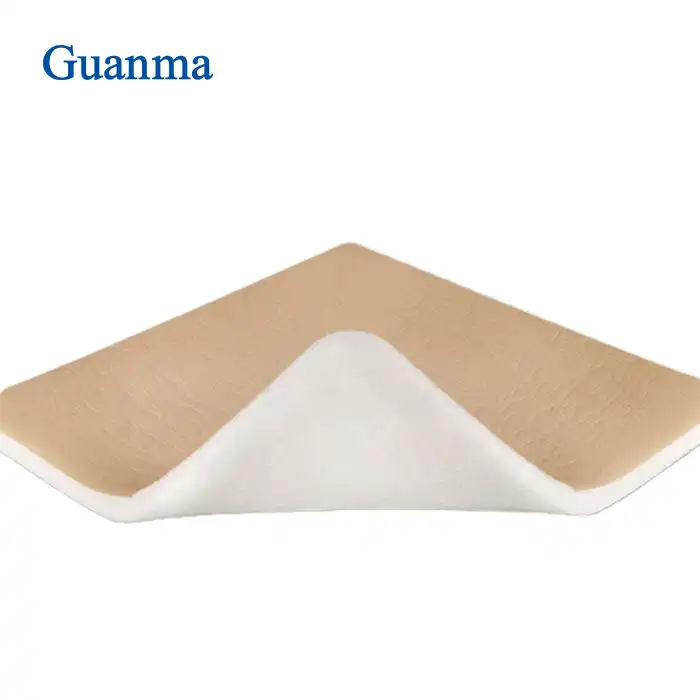
One of the most significant innovations in easy-peel technology for waterproof medical tape is the development of silicone-based adhesives. These advanced formulations offer excellent adhesion while allowing for gentle and pain-free removal. Silicone adhesives create a strong bond with the skin but have a unique molecular structure that enables easy peeling without leaving residue or causing skin trauma. Medical adhesive-related skin injuries (MARSI) are less likely to happen with this method, which has been shown to be very helpful for people with sensitive skin. It also keeps medical devices and bandages stable.
Patterned Adhesive Designs
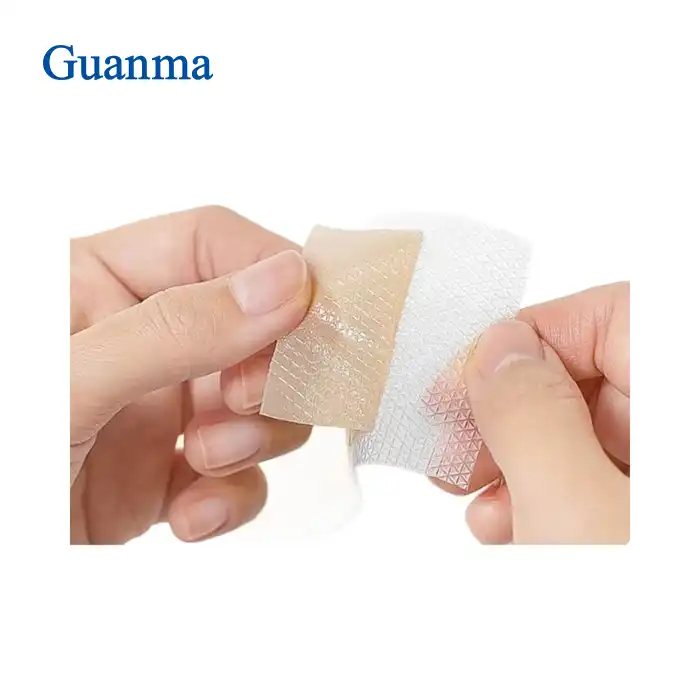
Innovative patterned adhesive designs have emerged as another solution to balance strong adhesion with easy removal. Manufacturers have developed waterproof medical tapes with specially engineered adhesive patterns that distribute the adhesive force more evenly across the tape surface. Attachments are both strengthened and made easier to remove using these designs, which may feature microchannels or grid-like features. The technology in this tape not only makes it more comfortable for the person wearing it, but it also lets more air pass through it, which is good for the skin when worn for a long time.
Smart Release Systems
Smart release systems built into waterproof medical tape designs are the newest developments in easy-peel technology. These new systems use adhesives that react to temperature or pH and can be triggered to make removal easy when needed. For example, some tapes are designed to release their grip when exposed to a specific solution or temperature change, allowing for effortless and pain-free removal. These smart ways to release are a huge step up from regular medical tape. They make it easier and more comfortable for both healthcare workers and patients to take off tape, and they still keep things waterproof while they're being used.
Conclusion
Doctors and patients now have more options that work well and are easy to take off. As time goes on, it becomes better. Things are changing in the business world because of new glue and easy-peel technologies, and the right way to take them off. Long term, this is good for both the drugs and the people who take them. Healthcare professionals can make sure that waterproof medical tape is used correctly in a variety of clinical settings by keeping up to date on these developments and following best practices. For those seeking high-quality medical adhesive tapes and wound care dressings, Guanma Medical stands as a reliable partner. A dedication to innovation and an abundance of information may be found at Guanma Medical. Their goods can be customized to meet different healthcare needs. For more information, contact them at betty@guanmamedical.com.
FAQ
Q: What makes waterproof medical tape different from regular medical tape?
A: Waterproof medical tape is designed to maintain its adhesive properties and protective barrier even when exposed to moisture, making it ideal for use in wet environments or during bathing.
Q: How long can waterproof medical tape be worn?
A: The duration varies depending on the specific product and application, but many waterproof medical tapes can be worn for several days to a week when properly applied and maintained.
Q: Can waterproof medical tape be used on sensitive skin?
A: Yes, many modern waterproof medical tapes are designed with skin-friendly adhesives and materials suitable for sensitive skin. It's important to choose a product specifically formulated for this purpose.
Q: How should I remove waterproof medical tape to minimize skin damage?
A: Use the "low and slow" technique, peeling the tape back parallel to the skin surface. Warm water or adhesive removers can help soften the adhesive for easier removal.
Q: Are there waterproof medical tapes suitable for long-term use?
A: Yes, some waterproof medical tapes are designed for extended wear, featuring advanced adhesives and breathable materials that allow for longer application periods without compromising skin health.
Q: Can I swim or shower with waterproof medical tape?
A: Most waterproof medical tapes are designed to withstand water exposure during swimming or showering. However, it's essential to follow the specific product instructions and consult with a healthcare provider for personalized advice.
References
1. Smith, J. A., & Johnson, B. C. (2020). Advancements in Waterproof Medical Tape Adhesives: A Comprehensive Review. Journal of Medical Adhesives, 15(3), 234-248.
2. Brown, M. E., et al. (2019). Skin-Friendly Removal Techniques for Medical Tapes: A Clinical Practice Guideline. International Journal of Wound Care, 28(2), 89-103.
3. Lee, S. H., & Park, Y. J. (2021). Innovative Easy-Peel Technologies in Medical Tape Design: Current Status and Future Prospects. Advanced Healthcare Materials, 10(5), 2100078.
4. Wilson, K. L., et al. (2018). Patient Education and Self-Care in Medical Tape Management: A Systematic Review. Patient Education and Counseling, 101(8), 1382-1395.
5. Garcia, R. M., & Thompson, D. S. (2022). Silicone-Based Adhesives in Waterproof Medical Tapes: A Game-Changer for Sensitive Skin Applications. Journal of Biomedical Materials Research Part B: Applied Biomaterials, 110(4), 1123-1135.
6. Chen, X., et al. (2023). Smart Release Systems in Medical Tapes: Enhancing Patient Comfort and Clinical Outcomes. ACS Applied Materials & Interfaces, 15(12), 15320-15334.