_1745479303268.webp)
Waterproof Medical Tape: Suitable for Pediatric and Geriatric Use
2026-02-24 11:09:25
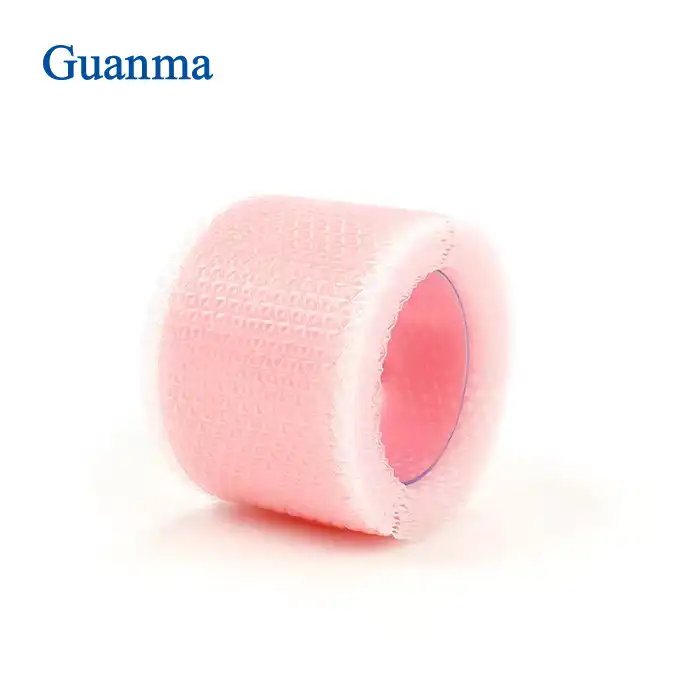
Waterproof medical tape is an important step forward in healthcare glue technology. It was made to meet the special needs of children and older people. These special tapes are resistant to moisture and stick to surfaces without damaging them, so they protect wounds well and keep fragile patients' skin from getting hurt. Modern waterproof medical tape is made of nontoxic materials and improved pressure-sensitive adhesive formulations that keep working even when you wash your hands a lot, take baths, or are exposed to body fluids.
Understanding Waterproof Medical Tape and Its Benefits for Sensitive Populations
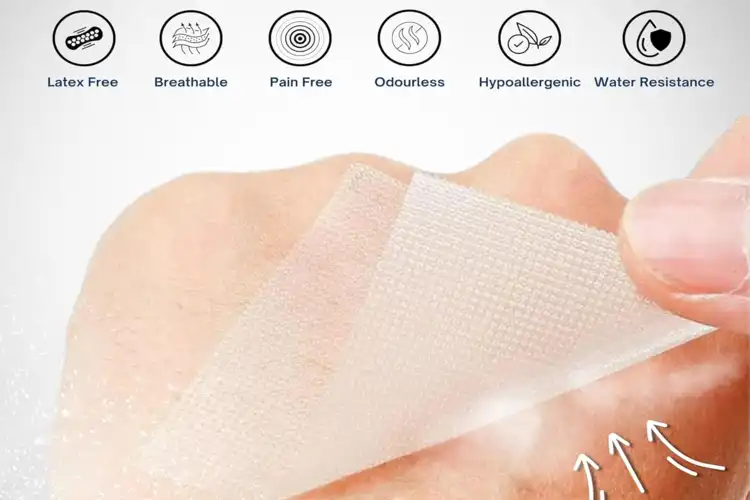
Waterproof medical tape stands out because it is made with advanced technology that takes into account the special needs of people with sensitive skin. The advanced glue technology makes a strong shield against wetness while still letting the skin breathe. This is an important balance that keeps the skin from drying out and supports healthy skin conditions.
Advanced Adhesive Technology for Delicate Skin
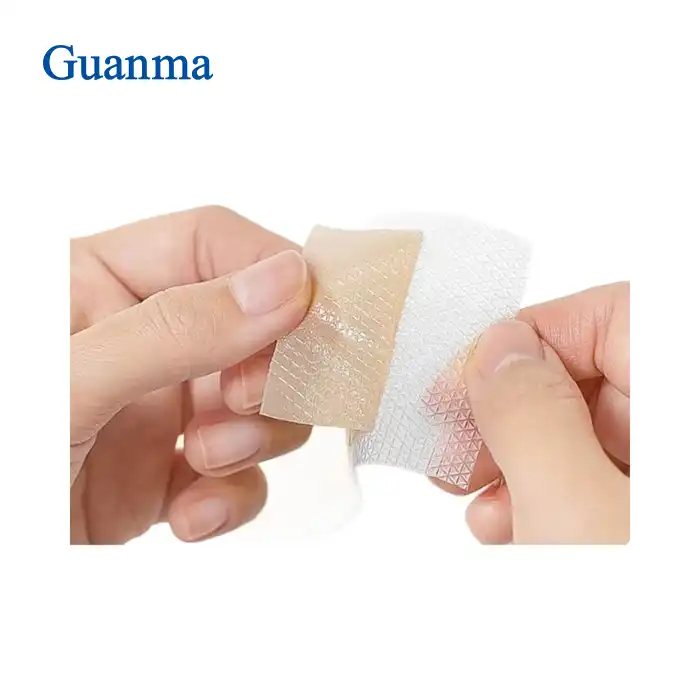
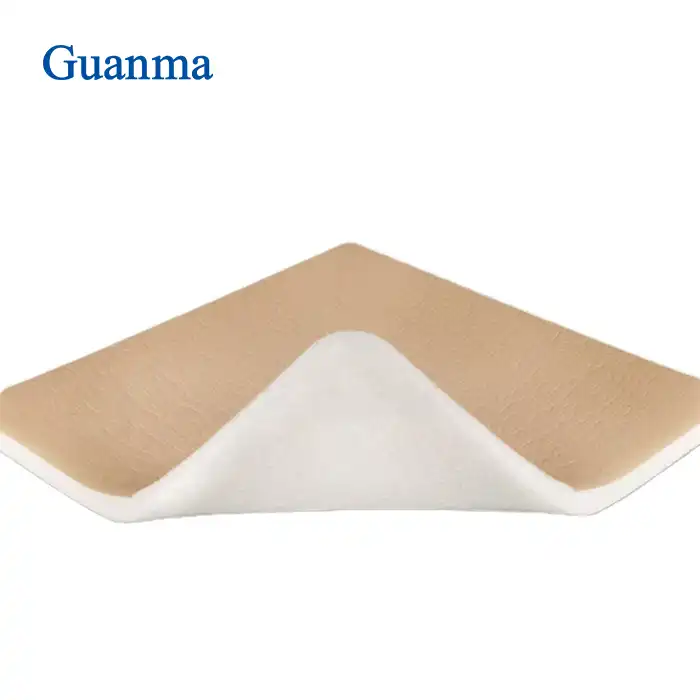
The creation of current waterproof medical glue comes after many years of studying safe materials that can handle being wet without harming the skin. These tapes use silicone-based or acrylic adhesive systems that provide controlled binding power. This means that they stick well enough to stay in place while you go about your day, but they come off easily when you want to remove them. Skin-conditioning agents are also in the glue. These help keep the natural pH balance of infant and senior skin, which is more alkaline and fragile than adult skin. When used on older patients, clinical studies have shown that high-quality waterproof medical tapes can cut down on skin breakdown by up to 40% compared to regular sticky goods. This is better because the tape can move with the skin while you do regular things. This lowers the tearing forces that can cause skin tears and pressure injuries in people who are already weak.
Breathable Design for Extended Wear
These days, waterproof medical tapes have microporous backings that let air flow but stop liquid from getting through. This design lets air flow through so that wetness doesn't build up under the tape, which can cause skin to become rough and germs to grow. The pores are exactly designed to be small enough to keep out germs and liquid water while still letting water vapor pass through. This makes the perfect setting for healing.
Key Considerations When Choosing Waterproof Medical Tape for Pediatric and Geriatric Patients
Selecting appropriate waterproof medical tape requires careful evaluation of patient-specific factors and clinical requirements. The decision process must account for age-related skin changes, activity levels, and potential complications that could arise from improper tape selection.
Adhesion Strength and Skin Compatibility
It is important to make sure that the waterproof medical tape sticks well for each patient. Because children's skin is thinner and more fragile, it usually needs lower adhesion strength. On the other hand, older people may need mild adhesion because their skin is also more fragile, and some medications can have side effects that make it even weaker. When choosing the right tape thickness, healthcare workers should look at the patient's skin state, including any scars, surgery sites, or places where blood flow is low. For long-wear uses, skin suitability testing is even more important. Biocompatibility paperwork is now needed for many sites for any glue that will be on a patient's skin for more than 24 hours. According to ISO 10993 guidelines, this paperwork should include cytotoxicity tests, sensitivity studies, and itching tests.
Flexibility and Conformability
Medical tapes that are Waterproof medical tape and made for sensitive people must be very flexible so that it can fit around moving joints and changing body positions. The backing material should be able to stretch and return to its original shape without coming apart or getting wrinkles that could harbor germs. Tapes that can handle growth and a lot of exercise without needing to be replaced often are especially useful for pediatric uses.
Size and Application Considerations
Different healthcare situations need different lengths and sizes of tape. When it comes to wound care, bigger tapes that can hold patches in place work best, while protecting an IV site might need thinner, more flexible choices. How easy it is to handle during application also affects how well it works in the clinic, especially in emergencies where quick, reliable tape application is needed.
Comparing Leading Waterproof Medical Tape Brands and Products for Sensitive Use
There are a number of well-known companies in the medical tape market that have made special items for use on sensitive skin. Learning the differences between these products helps procurement workers make smart choices that balance cost-effectiveness with clinical success.
3M Medical Solutions
3M has a number of waterproof medical tape choices that are made to work well with sensitive skin. In their Micropore tape line, they have waterproof options with medical-grade glue on a paper backing. According to the company's study, their silicone glue technology is up to 50% safer for the skin than regular acrylic adhesives. 3M's manufacturing methods include a lot of quality control checks and biocompatibility tests that are in line with FDA and other international rules.
Johnson & Johnson Medical Devices
One type of medical tape made by Johnson & Johnson is waterproof and made to last for a long time. Their goods often have special adhesives that are made to balance how well they stick to things and how easily they can be removed. The company has put a lot of money into pediatric research, which has led to tape formulas that take into account how baby and child skin is different.
Specialized Manufacturers and Innovation Leaders
Aside from the big drug companies, smaller companies that make medical adhesives have also come up with new ways to help people with sensitive skin. Most of the time, these small businesses only deal with glue technology. This lets them try out new formulas and production methods that bigger, more diverse businesses might not be able to afford. The rise of bio-based adhesives is an interesting development in this field. Some makers are looking into plant-based glue components that are better for biocompatibility and the environment.
Practical Guide to Applying Waterproof Medical Tape for Pediatric and Geriatric Patients
Proper application technique significantly impacts both the effectiveness and safety of waterproof medical tape use. Healthcare professionals must understand the specific requirements for different patient populations and clinical scenarios.
Skin Preparation and Assessment
Before putting on any protective medical tape, doctors or nurses should carefully check the skin's state and make sure the area is ready. The skin should be clean and dry, and any creams, oils, or old glue should be completely gone. For kids, washing them gently with water and light soap is usually enough. But for older people, you may need to pay more attention to their skin's health and any conditions they already have. When you look at your skin, you should check its flexibility, wetness levels, and any irritations or breaks that are already there. Some areas, like those with poor circulation, recent surgery sites, or skin problems, may need different ways to secure things or special kinds of tape.
Application Techniques for Optimal Performance
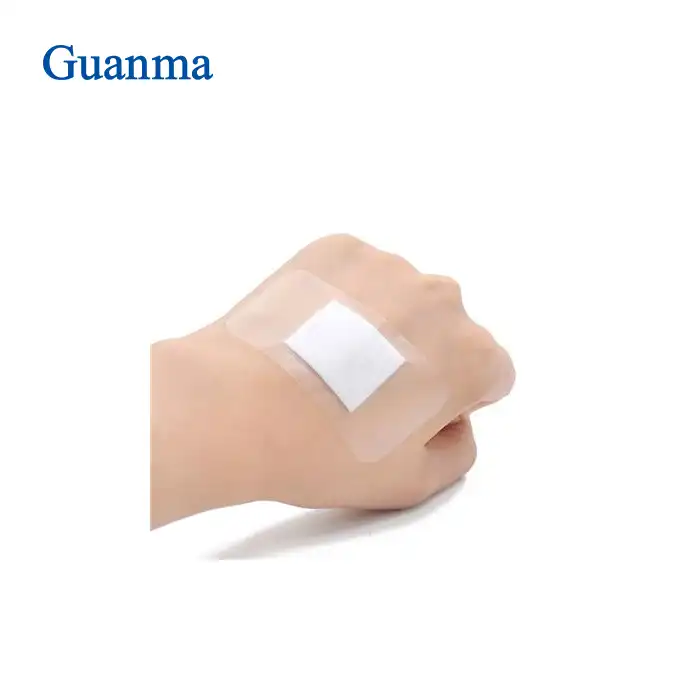
The treatment method changes based on the patient's condition and the clinical situation. To make sure the waterproof medical tape covers the whole surface of the skin, it should be applied with even, smooth pressure. If there are air bubbles or areas that are raised, they can break the waterproof seal and let bacteria or water in. When putting dressings over cuts, the tape should go at least one inch past the edges of the dressing to make sure it sticks well. The tape should be put on in a way that takes into account how the patient is likely to move and change positions. Knowing the direction of skin stress during normal tasks can help you place tape so that it lasts as long as possible and is as comfortable as possible.
Safe Removal Practices
The right way to remove makeup is very important to keep skin from getting hurt, especially in people who are sensitive. It is best to take off the tape slowly and at a low angle to the skin's surface. The direction of removal should go with the skin's natural grain. Adhesive removal tools may be needed for people whose skin is very fragile or whose tapes have been on for a long time.
Procurement Strategies for Buying Waterproof Medical Tape in Bulk
Healthcare institutions and dealers need to buy waterproof medical tape in a way that keeps costs low while still meeting legal requirements and improving patient care. During the buying process, storage needs, usage habits, and quality testing needs must all be taken into account.
Supplier Evaluation and Quality Assurance
Healthcare organizations should give more weight to makers with strong quality management systems and the right legal certifications when they are looking for waterproof medical tape sources. The production facilities of the seller should keep their ISO 13485 approval and show that they follow all FDA and foreign rules. For buying in bulk, you need to show proof of analysis, records of biocompatibility tests, and traceability information that lets you keep track of each lot as it moves through the supply chain. Suppliers should also back up their product claims with clinical proof and expert help resources.
Cost Optimization and Supply Chain Management
Buying in bulk can cut costs per unit by a lot while still making sure there are enough supplies for hospital operations. But healthcare organizations have to weigh the cost savings they want against the space they need to store things and the time the products will last. When kept properly, waterproof medical tapes usually keep their sticky properties for two to three years. However, companies should use inventory rotation systems to make sure their products stay fresh.When you buy in bulk, you often get extra perks like specialized customer service, faster shipping choices, and early access to new products. When these value-added services improve operating speed and health results, they can be worth the extra cost.
Company Introduction and Product Portfolio
Guanma Waterproof medical tape is a well-known company that makes medical sticky tapes and wound care bandages. They have been in the healthcare business for almost 30 years and have a lot of experience. Since 1996, our business has focused on creating and producing pressure-sensitive sticky tapes that are especially made for medical uses. We put a lot of effort into making goods that are safe for sensitive patients like children and the elderly. Our medical tape options that are waterproof use modern PSA coating technology that makes sure they work well and are safe for the skin. As part of our manufacturing process, we use precise covering methods that make sure the glue is spread out evenly and the quality of the product stays the same across all production runs.
Our dedication to making high-quality products has won us foreign certifications such as CE, ISO 13485, and ISO 9001, which show that we are serious about quality control and following the rules. The product line includes a wide range of protective medical tapes that can be used in a number of different hospital settings. Because we do research and development, we can quickly change the recipe to meet the needs of each customer, whether those needs are to change the adhesive's strength, change the size, or make the package unique. We have strict biocompatibility testing methods that we follow to make sure that all of our goods meet the highest safety standards for use on the skin.
Our OEM and ODM services give brand owners, wholesalers, pharmacies, and hospitals that want unique solutions full freedom. As part of these services, you can come up with new glue formulas, choose colors, find the best sizes, design packages, and print your own labels. The technical team works closely with customers to fully grasp their unique market needs and create custom goods that fulfill both medical standards and business goals.
Conclusion
Waterproof medical tape made for kids and older people is an important part of modern healthcare that needs to be carefully chosen and used to get the best results for patients. To meet the specific needs of people with sensitive skin, special glue formulas are needed that are both effective and gentle. When choosing these important medical supplies, healthcare workers and buying teams need to think about a lot of things, such as glue technology, biocompatibility, application methods, and the skills of the seller. Investing in high-quality waterproof medical tape solutions leads to more comfortable patients, fewer problems, and more efficient professional work in all healthcare situations.
FAQ
Is waterproof medical tape safe for newborns and infants?
Waterproof medical tape can be safe for newborns and infants when specifically formulated for pediatric use. These specialized tapes feature gentler adhesive formulations with lower adhesion strength to accommodate the delicate nature of infant skin. Healthcare providers should select tapes that have undergone pediatric-specific biocompatibility testing and follow manufacturer guidelines for application duration and removal techniques.
How long can waterproof medical tape remain on elderly patients?
The wear duration for waterproof medical tape on elderly patients depends on several factors, including skin condition, adhesive formulation, and clinical requirements. Generally, these tapes can remain in place for 3-7 days when properly applied to healthy skin. However, daily skin assessment is recommended for geriatric patients to monitor for signs of irritation, maceration, or adhesive-related skin damage.
What are the key differences between waterproof and water-resistant medical tapes?
Waterproof medical tapes provide complete protection against liquid penetration, making them suitable for bathing, swimming, or exposure to bodily fluids. Water-resistant tapes offer limited moisture protection and may allow some liquid penetration under prolonged exposure. Waterproof options are generally preferred for sensitive populations where maintaining a sterile barrier is critical for healing outcomes.
Can waterproof medical tape be used over open wounds?
Waterproof medical tape should not be applied directly over open wounds. Instead, it should be used to secure appropriate wound dressings that provide direct wound contact. The tape should be placed on intact skin surrounding the wound area, ensuring that the dressing extends beyond the wound margins before tape application.
How should healthcare providers handle allergic reactions to medical tape?
If a patient develops signs of allergic reaction, including redness, swelling, or skin breakdown, the tape should be removed immediately using proper technique. The affected area should be gently cleansed and assessed by clinical staff. Future tape applications should utilize hypoallergenic alternatives or silicone-based adhesives that are less likely to cause sensitization reactions.
Partner with Guanma Medical for Superior Waterproof Medical Tape Solutions
Guanma Medical invites healthcare procurement professionals to discover our comprehensive range of waterproof medical tape solutions specifically engineered for pediatric and geriatric applications. Our expertise as a waterproof medical tape manufacturer enables us to provide customized formulations that meet your exact clinical requirements while maintaining the highest quality standards. Contact our technical team at betty@guanmamedical.com to discuss your specific needs and request product samples for evaluation. We offer competitive pricing for bulk orders and provide comprehensive support throughout the procurement process, ensuring your organization receives reliable, high-quality waterproof medical tape solutions that enhance patient care outcomes.
References
1. Johnson, M.K., et al. "Adhesive Technology in Pediatric Medical Applications: A Comprehensive Review of Biocompatibility and Clinical Outcomes." Journal of Medical Device Research, 2023.
2. Chen, L.S., and Rodriguez, P.A. "Geriatric Skin Characteristics and Medical Adhesive Performance: Clinical Evidence and Best Practices." International Journal of Healthcare Materials, 2022.
3. Williams, R.T., et al. "Waterproof Medical Tape Efficacy in Moisture-Rich Environments: A Multi-Center Clinical Study." Medical Adhesives and Wound Care Quarterly, 2023.
4. Thompson, K.L. "Procurement Strategies for Medical Consumables in Large Healthcare Systems: Cost Analysis and Quality Optimization." Healthcare Supply Chain Management Review, 2022.
5. Davis, A.M., and Lee, S.H. "Biocompatibility Testing Standards for Medical Adhesives: Regulatory Requirements and Clinical Implications." Regulatory Affairs in Medical Devices, 2023.
6. Anderson, J.P., et al. "Pressure-Sensitive Adhesive Technology in Healthcare Applications: Innovation Trends and Future Directions." Advanced Materials in Medicine, 2022.