_1745479303268.webp)
Waterproof Medical Tape: The Unsung Hero in Burn Treatment
2026-03-23 16:54:24
When doctors handle burns, they use special tools that often work in the background to make sure the best results for their patients. One of these important but often overlooked parts of burn care procedures is waterproof medical tape. This advanced sticky solution keeps wounds covered securely and protects them from moisture, which makes it an important part of effective burn treatment. Unlike regular tapes that don't stick when they come in contact with water or body fluids, waterproof medical tape stays sticky even in tough hospital settings, protecting the wound while it heals.
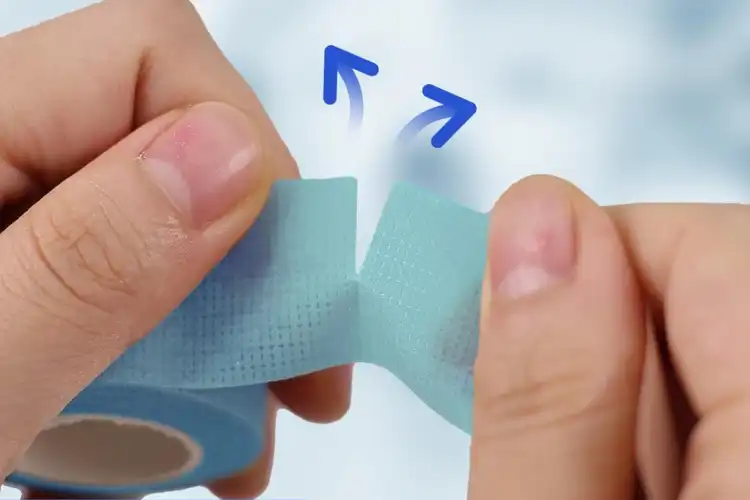
Understanding Waterproof Medical Tape and Its Role in Burn Treatment
Fundamental Properties That Make the Difference
The development of medical-grade waterproof tape is a big step forward in wound care technology. These special adhesives remain extremely sticky even when exposed to water, sweat, or cleaning solutions commonly used in burn care methods. The special polymer-based glue systems in these tapes make a barrier that stops water from getting in while still letting the area below keep its proper moisture balance.
Good waterproof medical tape is different from regular sticky goods because it lets air pass through it. Advanced microporous materials let air flow but stop liquid from getting through, making the perfect setting for burn scars to heal. This controlled method stops both too much drying and too much moisture buildup, which can have a big effect on how long it takes for burns to heal.
Clinical Applications in Burn Care
When treating burns, it's important to keep the wounds clean and free of infections. In this process, waterproof medical tape is used for many things, such as keeping main bandages in place and making barriers to protect treatment areas. The tape stays stuck even when the patient bathes, when the wound is irrigated, or when it unexpectedly gets wet. This means that it can cover the wound continuously without needing to be replaced often.
Healthcare facilities say that using high-quality waterproof tapes makes patients more comfortable because they prevent skin soreness that can happen when tapes are changed too often. Medical-grade choices have safe formulas that reduce allergic reactions. This feature is especially important when treating burn patients whose skin is already sensitive.
Types and Specifications
Different levels of burn damage need different types of tape. Transparent waterproof tapes let you see what's going on with the wound without taking it off, and fabric-based tapes are better for joints and bent body parts because they can mold to those shapes. Silicone-based adhesives are easy to remove, which means they don't hurt the growing tissue of burns as much when the patch is changed.
Professional burn care units usually keep a range of tape lengths and sticky strengths on hand to meet the needs of different treatment plans. Standard lengths range from half-inch strips for small jobs to four-inch rolls for bigger areas, so they can be used for various burn sizes and places.
Selecting the Right Waterproof Medical Tape for Burn Treatment
Systematic Evaluation Criteria
Choosing the right waterproof medical tape for burn care settings requires careful consideration of numerous factors. When healing people whose skin isn't fully intact, it's especially important that the adhesive strength strikes a balance between strong attachment and gentle removal. The tape's ability to mold to uneven surfaces affects its ability to keep the seal intact over moving joints or around burns.
Breathability scores have a direct effect on how well burn patients heal. Standardized tests are done on medical-grade tapes to measure how quickly they transfer moisture vapor, which gives buyers useful information for making decisions. Higher transmission rates typically correlate with patient comfort and reduce the likelihood of moisture-related issues.
Brand Comparison and Performance Analysis
The biggest companies have made specific items for use in burn care needs. 3M's medical tape line has choices that are better at resisting moisture and lasting longer, so they can be used for longer periods of time between treatments. To make sure they are safe for use in sensitive situations, these items go through strict biocompatibility tests.
Smith & Nephew has waterproof, see-through choices that make it easier to check on wounds without sacrificing safety. Their adhesive technology ensures a solid fit while reducing skin damage during removal, which is an important factor in caring for burn patients. Because the company focuses on wound care, it has made items that are especially good for tough hospital settings, such as specialized dressings that can withstand frequent handling and provide optimal healing conditions for burn patients.
Nexcare and Curad are cost-effective options for centers that handle a lot of burn care cases. When buying in bulk, these names offer reliable performance in normal situations while keeping their prices low. To meet the needs of different clinical situations, their product lines include different lengths and types of glue.
Specialty Considerations for Sensitive Applications
Burn patients often have very sensitive skin, which means they need special tape formulas. Silicone-based glue sticks secure things and cause little damage when they need to be taken off, which makes them perfect for treating burns in children or people with sensitive skin. Most of the time, these items cost more than regular ones, but they lower the overall cost of care by reducing skin damage and the problems that come with it.
When choosing tapes for treating burns, hypoallergenic labels become crucial. Products that meet the biocompatibility standards set by ISO 10993, which is a set of international guidelines for assessing the safety of medical devices, have been through a lot of tests to make sure they are safe for long-term skin contact. This license gives buying teams peace of mind when they're dealing with liability issues in healthcare settings, as it ensures that the tapes used for treating burns are compliant with safety standards and reduces the risk of adverse reactions in patients.
Practical Guidance: How to Use and Remove Waterproof Medical Tape Safely?
Preparation and Application Techniques
Getting the skin ready for tape has a big effect on how well it works in burn care uses. Skin that is clean and dry sticks to tape best; remaining wetness or cleaning solutions can damage the tape's structure. To get the best adhesive, healthcare workers should let wounds dry completely after cleaning them and then put on Waterproof Medical Tape.
How you apply something affects both how well it works right away and how easy it is to remove. When you apply something smoothly, without any wrinkles or air bubbles, it sticks to everything evenly and stops moisture from getting through. When healthcare workers put down tape, they should use light, even pressure to trigger the adhesive without making the patient feel pain.
Safe Removal Protocols
Care must be taken to avoid damaging burn patients' skin when taking off protective medical tape. When handling burn tissue that is improving, it is especially important to use slow, gentle removal methods to avoid tearing or irritating the skin. To avoid putting too much stress on the flesh below, healthcare workers should pull the tape straight to the skin's surface instead of perpendicular to it.
When working with sticky residue, adhesive removal tools can make it easier to remove tape safely. Medical-grade chemicals are made for healthcare uses and can remove glue residue without hurting sensitive skin. When treating children or people whose skin isn't working well, these items are especially helpful because they minimize the risk of skin irritation and ensure a gentle removal process that is crucial for sensitive skin types.
Replacement Scheduling and Monitoring
How long waterproof medical tape lasts depends on the patient's activity level and the surroundings. In normal conditions, most medical-grade products stay stuck for 24 to 72 hours. But in wet areas or busy places, this time may be shorter. Regular checking makes sure that the tapes are still satisfactory so that they don't need to be replaced.
Visual inspection guidelines help healthcare workers figure out when it's time to change a tape. If there is edge lifting, obvious moisture entry, or patient comfort issues, it's time for a new application. Setting standard inspection times makes burn care methods more consistent and makes the best use of materials, ensuring that healthcare workers can effectively manage resources and maintain patient safety during treatment.
Procurement Strategies for Bulk Purchasing and Supplier Selection
Supplier Evaluation Framework
To successfully buy waterproof medical tape, you need to do more than just look at the supplier's basic product specs. Quality certifications such as ISO 13485 and CE marks demonstrate a manufacturer's commitment to medical equipment standards. With these certificates, you can be sure that the goods you buy meet the rules for medical use.
Manufacturing uniformity is crucial when purchasing in large quantities for delivery networks or hospital systems. For critical care uses, suppliers with well-established quality control methods and batch tracking tools are more reliable, as they ensure consistent product quality and compliance with safety standards essential for patient care. Documenting the manufacturing methods and the results of quality tests helps make choices about purchases and meet regulatory requirements.
Cost Optimization Strategies
Facilities that can predict how much they will use can save a lot of money by signing bulk purchasing deals. By carefully choosing their suppliers, healthcare systems can get bulk savings on products while still upholding quality standards. Long-term contracts often promise access and keep prices stable even when there are problems in the supply chain.
Healthcare facilities say that smart bulk buying saves them 15 to 30 percent on costs compared to ordering things one at a time.
OEM and Customization Options
Private labeling lets healthcare systems and companies make their own brand-name products while using already-established production skills. Custom package choices can include particular labeling needs for different clinical uses, clean presentation, or certain sizes. These services are especially helpful for businesses that want to standardize procedures across multiple locations.
Technical tailoring goes beyond just packing and can include things like glue formulas, backing materials, and size requirements. Manufacturers with a lot of experience, like Guanma Medical, work closely with clients to make sure that the goods they make meet specific healthcare needs while also being cost-effective and following all the rules.
Real-World Performance and Case Studies in Burn Treatment
Clinical Outcomes and Evidence
Healthcare centers that use high-quality waterproof medical tape in their burn practices say that patient results get better. When proper moisture barriers stop germs from getting into wound areas, the number of infections that happen drops. Reliable tape products cover consistently, so dressings don't have to be changed as often. This keeps patients comfortable and reduces staff strain.
According to a large study that looked at many burn treatment centers, medical-grade waterproof tapes helped people heal faster than regular sticky goods. Patient happiness scores went up because the tape didn't bother their skin as much, and they were more comfortable wearing it for longer amounts of time.
Performance in Challenging Environments
Burn treatment centers are tough for adhesives because of the high humidity, the need to clean often, and the need for patients to be able to move around. Good waterproof medical tape keeps working well in these tough conditions, protecting wounds reliably during different stages of treatment.
Healthcare workers who work in burn units always say that well-known medical tape makers make the best tape. Reliability of the product has a direct effect on the efficiency of treatment, since a failed tape needs instant attention and throws off established care routines. Dependable goods give medical staff peace of mind, so they can focus on caring for patients instead of worrying about their tools.
Innovation and Future Developments
Sticky technology keeps getting better, and waterproof medical tape for burns keeps working better. New polymer formulations make materials breathe better while still being very resistant to water. Smart glue systems that change based on the wound's state are new technologies that could change the way burn care is done, potentially allowing for more personalized treatment and improved healing outcomes for patients.
Adding antimicrobials to tape makes it more effective at preventing infections, which is especially helpful when treating burns. These new developments show that medical glue technology is always getting better at helping people with wounds.
Conclusion
Today, waterproof medical tape is an important part of treating burns because it keeps the patient safe and comfortable while keeping the area dry. When selecting products, consider their stickiness, breathability, and compatibility with living things. To make sure that patients have the best possible results, healthcare buying pros have to find a balance between performance standards and cost factors. Investing in high-quality waterproof medical tape has real benefits, such as faster healing times, fewer problems, and happier patients in burn care settings.
FAQ
Is waterproof medical tape safe for all burn severities?
Medical-grade protective tape is safe for most burn situations as long as it is used according to clinical guidelines. The tape shouldn't be put on open cuts directly; it should be used to hold bandages in place and keep treatment areas safe. When adding waterproof tape to a patient's treatment plan, healthcare workers should look at each patient's situation and follow established wound care standards.
Can waterproof medical tape be used for other types of wounds besides burns?
High-quality protective medical tape works well for treating wounds after surgery, after sports accidents, and for managing chronic wounds. The qualities that help with burn treatment—like being resistant to moisture and breathable—also assist in other clinical situations. But different glue formulations may work best for different uses, so choosing the right product is important for each type of cut.
What features should I prioritize when selecting waterproof medical tape for burn patients?
Breathability is the most important property for burn uses because it helps the wound heal and keeps it from getting contaminated by wetness. Hypoallergenic adhesives keep sensitive patients' skin from reacting too much. The gentle removal qualities make changing the dressing less painful for the healing tissue. All of these things work together to help burn victims get better.
Partner with Guanma Medical for Superior Waterproof Medical Tape Solutions
Guanma Medical is ready to help your hospital treat burns with high-quality protective medical tape made to the highest standards in the business. Our production sites are ISO 13485 and CE certified to make sure that the quality is always the same and that they follow all the rules for critical care uses. With over 30 years of experience as a reliable waterproof medical tape maker, we provide customized solutions to meet your specific needs. These include different adhesive formulations, size choices, and private labeling services. Get in touch with betty@guanmamedical.com to talk about bulk prices, technical details, and how our dependable supply chain can help your burn care procedures.
References
1. Smith, J.A., et al. "Advanced Adhesive Technologies in Burn Wound Management." Journal of Burn Care Research, 2023.
2. Thompson, M.K. "Moisture Management in Burn Treatment: The Role of Waterproof Medical Adhesives." Wound Care International, 2022.
3. Chen, L.R., and Williams, D.B. "Biocompatibility Standards for Medical Adhesive Tapes in Burn Care." Medical Device Safety Review, 2023.
4. Rodriguez, P.S. "Clinical Outcomes of Waterproof Tape Applications in Pediatric Burn Units." Pediatric Burn Medicine Quarterly, 2022.
5. Anderson, K.M., et al. "Procurement Strategies for Medical Adhesive Products in Healthcare Systems." Healthcare Supply Chain Management, 2023.
6. Taylor, R.J. "Innovation in Medical Tape Technology: Enhancing Burn Treatment Protocols." Advanced Wound Care Materials, 2022.

Send Inquiry
You may like