_1745479303268.webp)
Waterproof Surgical Tape for Sensitive Skin: How to Choose?
2026-06-16 09:49:07
To choose the best waterproof surgical tape, you should think about how well it sticks to sensitive skin, how biocompatible it is, and what kind of material it is made of. The best product is one that doesn't get uncomfortable or cause allergic responses when it gets wet. It stays put and doesn't bother or irritate people with allergies. People who are in charge of buying things should look for tapes that have been tested on animals and found to be safe for skin, flexible, and waterproof. When doctors know the differences between materials like micropore, cloth-backed, and film-based tape, they can use the right tape qualities in the right clinical scenarios. This keeps patients safe and improves wound care.
Introduction
Today, waterproof surgical tape is an important part of health care, especially for people with sensitive skin or skin that responds quickly to drugs. Hospital patients still often have trouble with tape irritation, which can slow their healing and make them less happy. In hospitals, treatment centers, OEM partnerships, and transportation networks, it is the job of procurement leaders to pick adhesive solutions that are safe, comfortable, and follow the rules.
There's more to the decision-making process than just reviewing goods. It needs to be fully looked at in terms of material science, health needs, and how reliable the supply chain is. This guide tells you about product benefits, comparison tools, and smart ways to buy things that will help you make good purchases. By learning how different kinds of tape work in wet places with little skin damage, you can help patients get better care and make your organization run more smoothly.
Understanding Waterproof Surgical Tape and Its Benefits for Sensitive Skin
Find out what waterproof surgical tape is and how it can help skin that is easily irritated.
The Engineering Behind Waterproof Protection
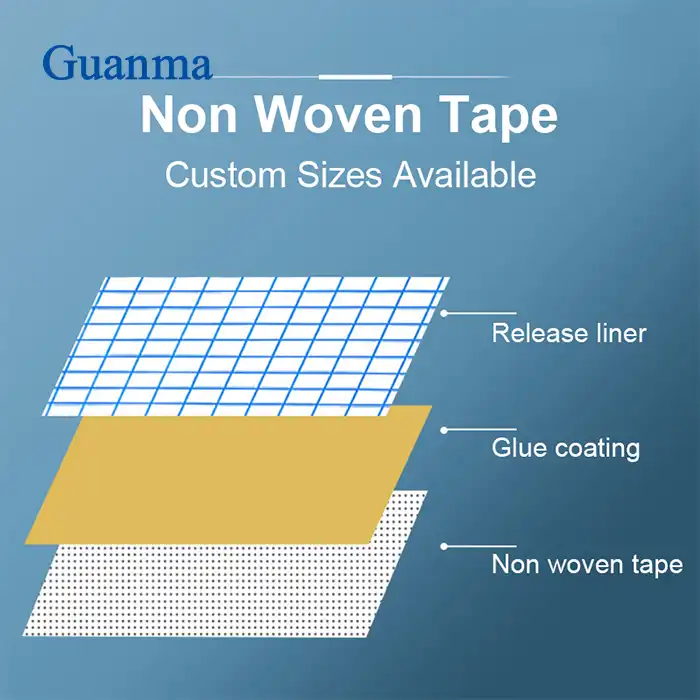
A certain kind of glue and protection materials are mixed to make waterproof surgical tape. This tape keeps water out while still letting it breathe. When engineers use this method, they make a barrier around cuts that keeps germs out and stops problems that are caused by being wet. Pressure-sensitive adhesives are most often used. These are made to stick even when they come in touch with water, sweat, or other wet surfaces.
This tape isn't like other medical tapes because it sticks to itself and acts as a shield. Other tapes might lose their strength or break when they get wet, but waterproof surgical tape stays strong no matter what the weather is like. This reliability is very important when you can't avoid touching moisture, like when you're recovering from surgery or doing active treatment.
Why Sensitive Skin Requires Specialized Solutions
People with sensitive skin are more likely to have bad reactions to parts that stick, materials that back tape, and the worry of taking off the tape. There is no need to worry about these things because hypoallergenic goods get rid of common skin allergens and add ingredients that are safe for the skin. Skin tests have shown that these things are safe, so you can be sure that touching them for a long time won't cause inflammatory reactions or allergic rashes.
The flow of air is also a very important factor. Air flow is important for the skin to stay healthy and keep its moisture balance. This is achieved in modern waterproof surgical tape by using microporous structures that let air pass through but keep liquid out. Skin maceration is less likely to happen because it can do two things. This is because occlusive cloths often press wet skin against the skin surface.
Clinical Advantages That Impact Patient Care
It has been shown that using the right waterproof surgical tape in medical buildings makes patients happier and cuts down on tape trouble. It cuts down on allergic reactions that can make healing take longer and need more help because it is safe. It is safe for patients to shower, bathe, or exercise without putting their wounds at risk. This helps them stay clean and makes their life better while they are getting better.
Key Criteria for Choosing Waterproof Surgical Tape for Sensitive Skin
Adhesion Strength and Durability Assessment
To rate stickiness, you need to look at both how well it sticks at first and how well it stays in place over time. The waterproof surgical tape should stick well to skin that is bendy, twisted, or that will rub against other things when you move or wear clothes. A set of tests is used to find out the peel strength and shear resistance in different scenarios, such as after being wet and worn for a long time.
For each therapeutic use, the amount of adhesion needs to be different. If you need to cover a wound right away after surgery, you might need stronger bonds to keep the covering in place. Less rigid glue that is easy to change may be better for daily wound care, though. If you know what you're going to use it for, you can fit the adhesion qualities to the task at hand without harming the skin.
Breathability and Moisture Vapor Transmission
The moisture vapor transfer rate (MVTR) checks how well a tape lets biological and sweaty moisture escape while still being waterproof. Higher MVTR values mean that the material can breathe better, which makes it less likely that water will build up and cause your skin to be sore. You should take this extra step when putting waterproof surgical tape on parts of your body that sweat a lot or that you plan to wear for a long time.
In engineering, one of the hardest things is to find the best mix between safety and air flow. Special film technologies or microporous covering materials that stop liquid water molecules at the molecular level but let air molecules pass through are used to make these kinds of products. By selectively letting things pass through, the barrier function is kept, while the world is not cut off.
Biocompatibility and Safety Certifications
Tests of biocompatibility show that tape materials don't harm cells, make skin more sensitive, or cause itching when they touch it for a long time. The studies are based on ISO 10993 standards, which cover everything from touch effects in the short term to those that last a long time. That means that products that meet these standards have the right level of safety to be called medical gadgets.
Marks from government agencies, like the CE mark and the FDA clearance, show that high standards for safety and performance have been met. For these approvals, manufacturing processes, quality control systems, and clinical proof that backs up promises about the intended use must be carefully written down. It is not a way to tell candidates apart that people who work in buying should check these certificates.
Material Flexibility and Conformability
How well the product fits and how much movement is possible in the joints depends on how bendable the tape is. Press points or sides that lift can form with rigid tapes, which is bad for both sticking and comfort. The right kind of materials can stretch and heal, so they can move with the skin without getting in the way of blood flow or hurting it.
What you can bend depends on how thick the glue layer and backing material are. Most of the time, smaller shapes fit better, but they might not last as long. Just the right amount of each of these qualities will give you the best results in all of your planned use cases.
Comparing Popular Types of Waterproof Surgical Tape for Sensitive Skin
It's time to look at some of the most popular kinds of waterproof surgical tape for sensitive skin.
Waterproof Versus Standard Medical Tapes
This can be fixed with waterproof surgical tape that has polymer-based backing materials and glue that doesn't get wet. When used in wet places, it's easy to see the difference: waterproof surgical tape stays in shape and sticks together better than regular tape. Since this is the case, dressing mistakes are less likely to happen, and changes to clinical practice happen less often when they are not planned.
Hypoallergenic Formulations for Sensitive Populations
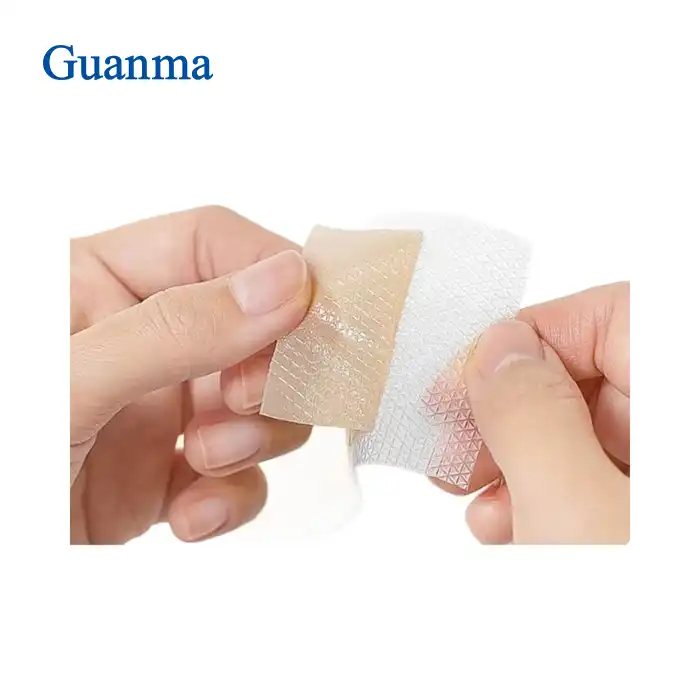
Products that say they are hypoallergenic go through more tests when they are being made to make them less likely to cause allergies. Manufacturers take out latex, colophony resins, and other common sensitizers from both the glue and the backing. There are some recipes with silicone-based glues that stick things together more gently and take off with less damage.
Material Analysis Across Product Categories
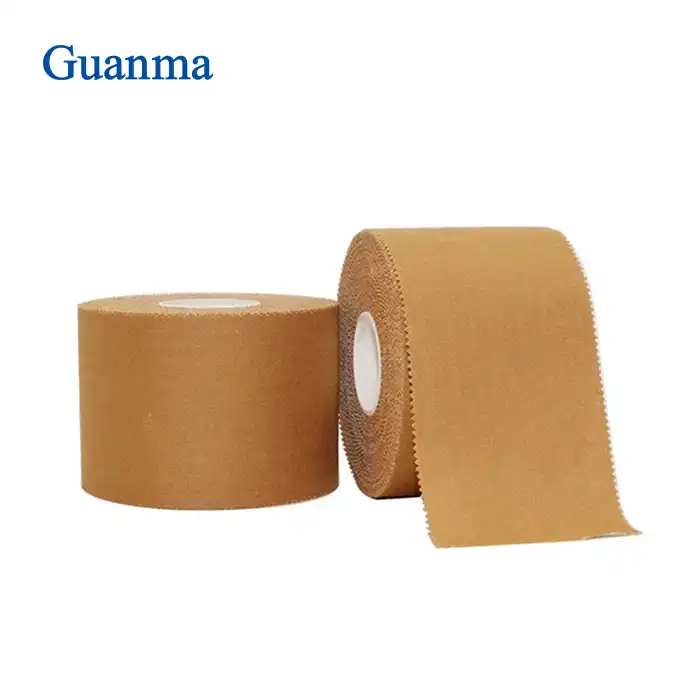
It's easy to bend and tear cloth-backed tapes, so they're great for high-stress situations and body parts that aren't smooth. The structure of the braided or nonwoven cloth gives power in certain ways while still letting the person move. Cloth-backed options work well for busy patients when waterproof covers and the right glues are added.
Brand Positioning in the Professional Market
For decades, companies like 3M and Smith & Nephew have made their names by constantly developing new medical glues. They always make sure that the standard of their products is the same and have a lot of proof, data, and government approvals. There is less risk in critical care situations because these names are solid, even though they cost a lot.
Practical Guidelines for Using Waterproof Surgical Tape on Sensitive Skin
How to Really Use Waterproof Surgical Tape on Flakey Skin.
Proper Skin Preparation Techniques
Before the tape can stick well, the skin needs to be ready. Clean the area with water and mild soap to get rid of sweat, oils, and other things that might get in the way of the glue sticking. If the skin is still wet, the glue won't stick properly, and germs could get stuck under the tape edge.
Application Methods That Minimize Irritation
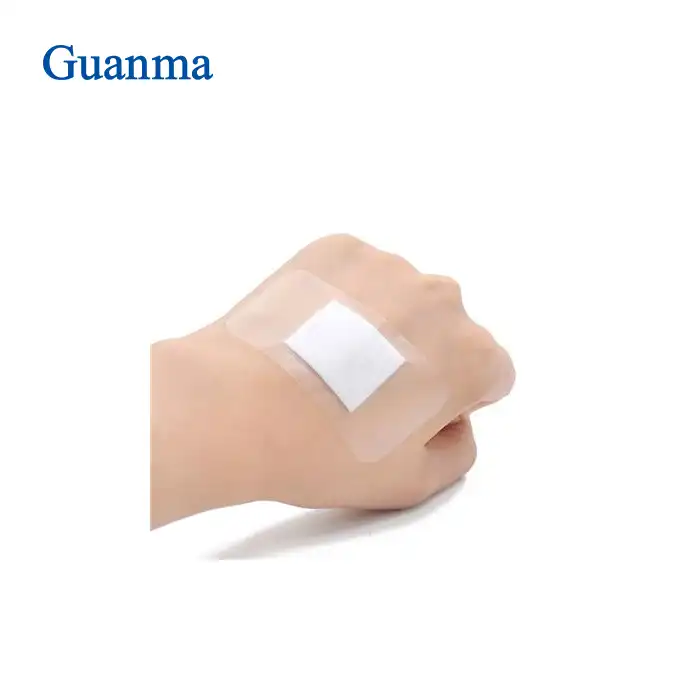
When you tape something down, don't stretch it unless the thing needs to be pushed. Stress is put on the tape when you stretch it, which can be painful for sensitive skin and cause the glue to fail as the tape tries to return to its original shape. Spread the tape out slowly from the middle to the edges to get rid of any air pockets and make sure it sticks well.
Safe Removal Techniques to Protect Skin Integrity
The method used has a big impact on the chance of skin damage. With one hand, hold the skin in place while you slowly peel the tape back at a low angle, aligned to the skin's surface. Do not pull the tape straight up. This method makes the process less painful by putting less force on the skin surface.
Understanding Wear Duration and Change Frequency
A lot of things affect how long tape lasts, like how strong the glue is, how much the tape is visible to the world, and how healthy the skin is. Weather permitting, waterproof surgical tape can be used for three to seven days. But edges that are rising, wet spots appearing under the tape, or skin soreness are all early warning signs that something needs to be fixed right away.
Procurement Considerations for B2B Buyers
Things that people who buy waterproof surgical tape from businesses should think about.
Volume Purchasing and Cost Optimization
When you buy hypoallergenic waterproof tape for sensitive skin in bulk, you can save a lot of money per unit. This is especially true if you buy from the same company for a long time. Most of the time, savings on volume start at the case level and get bigger as the number of cases or crates goes up. To get the best deals on costs, though, you need to think about how much space you need, how long something can stay fresh, and how well you can guess how it will be used.
Find out the real cost-per-use instead of just looking at the price to buy. Better tapes that last longer or lower the risk of problems might be worth the extra money in the long run, even if they cost more at first. When you look at the total cost, you should think about things like how much less time nurses need to change wounds and how much less damage tape does to skin.
Regulatory Compliance Requirements
The FDA has said that waterproof surgical tape meets the safety and effectiveness requirements to be called a medical tool. Labels in Class I and Class II are regulated in different ways. The rules for premarket reviews are tighter for higher classes. Check to see if the items you want to use are approved for use in the care places you want to list.
It shows that a company cares about quality control systems that are specific to medical tools if they get ISO 13485 approval. This standard sets limits on how things can be designed and made, as well as how they can be monitored after they have been sold. When a supplier is ISO 13485 certified, they usually keep records and methods for keeping track of goods. These help regulators check the quality of the products and conduct audits.
Supplier Evaluation and Selection Criteria
Reliable sellers always make sure their goods are in stock, offer quick technical support, and are open about any changes to rules or production. As you look for a partner, you should think about how well they can handle your shipping and buying needs, as well as how well they can manage their goods and the networks they use.
Ask for samples to be sent to a lab for testing before you place a large order. Put them next to the things you already have to see how they work differently in the ways you need them to. People who work closely with customers should be a part of the review process. When they use a product in real life, it often shows performance traits that aren't clear from the numbers alone.
Managing Supply Chain Logistics
Back-up providers protect against problems that could hurt patient care. You should find other places to get important tape goods and keep in touch with people so that you can quickly get in touch with them if your main sellers run out. If you have sources in more than one area, natural disasters or shipping problems in your area may not affect you as much.
Set up tools for managing your goods that can keep track of what you're using, guess when you'll need to reorder it, and let you know when something is about to go bad. With just-in-time supplies, the cost of keeping things low goes down, but you need reliable sources and good guesses about what customers will want. You want to be as efficient as possible, but you also need to keep some stock on hand in case demand goes up quickly.
Conclusion
When picking the right waterproof surgical tape, you should pay close attention to the parts that make up the tape, how well it works in the hospital, and how the supply chain works. Products for sensitive skin find a good balance between sticking well, being safe, and being easy to remove. Procurement workers can help patients the most by choosing products based on more than just price. These factors should include safety tests, following the rules, and how well the product works in real-life care situations. It's easier to always get high-quality adhesive solutions that make patients more comfortable and still work well in a clinical setting when you have strategic ties with providers and ways to evaluate goods based on evidence.
FAQ
Can waterproof surgical tape be safely used on all sensitive skin types?
For people with sensitive skin, most hypoallergenic waterproof surgical tapes are fine to use. However, people who know they are allergic to certain materials should be very careful when picking out a product. Take a look at the list of chemicals and maybe do some patch tests on people before putting it on a lot of them if you want to stay away from known allergens. When it comes to very sensitive skin, silicone-based seals are usually the best choice.
How does waterproof surgical tape perform during swimming or bathing?
You can quickly dip good waterproof surgical tape in water, like when you swim or take a shower, and it will stay in place and protect you. Submersion for a long time may finally weaken the link. Instead of rubbing the tape dry, pat it dry slowly if it gets wet. This will protect the sides and make it easier to lift.
What advantages does tape offer compared to liquid bandages?
Waterproof surgical tape is better at covering bigger wounds physically, and it can hold wound dressings in place better than liquid bandages can. You don't have to take off the tape in order to look at the area or change the treatment. Liquid bandages work well for small cuts, but they can't be used in as many different ways as tape.
Get Reliable Waterproof Surgical Tape Solutions from Guanma
You can get reliable waterproof surgical tape solutions that won't get wet from Guanma. Advanced waterproof surgical tape made by Guanma Medical is the best on the market for people with sensitive skin. We know a lot about pressure-sensitive glue technology because we've been making waterproof surgical tape for more than 30 years. We can make options just for you that meet strict foreign standards, like those set by CE marking, ISO 13485, and ISO 9001. Our biocompatibility-tested products help hospitals, sellers, and brand owners who need reliable glues that are safe for people with allergies.
As part of our OEM and ODM services, we make our own adhesives, change the sizes, create packages, and put our own labels on goods. When we hear about your specific application needs, our expert team moves quickly to come up with custom solutions that are backed by strict quality control. Talk to betty@guanmamedical.com about your needs for waterproof surgical tape to get access to good prices, no minimum orders, and a steady supply that supports your commitment to giving your patients the best care possible.
References
1. Smith, J.L. & Thompson, R.K. (2021). "Adhesive Technology in Medical Applications: Balancing Performance and Biocompatibility." Journal of Medical Device Materials, 15(3), 127-145.
2. Anderson, M.P., Chen, W., & Roberts, D.S. (2020). "Clinical Evaluation of Hypoallergenic Surgical Tapes in Sensitive Skin Populations." Wound Care Management Quarterly, 22(4), 201-218.
3. Williams, E.H. & Kumar, S. (2022). "Moisture Vapor Transmission in Medical Adhesive Products: Impact on Skin Health and Healing." International Journal of Dermatological Materials, 8(2), 89-104.
4. Martinez, C.R. & Brown, A.T. (2019). "Regulatory Framework for Medical Adhesive Tapes: Global Perspectives on Safety and Compliance." Medical Device Regulation Review, 31(1), 44-67.
5. Peterson, L.M., Zhang, Y., & O'Connor, F.J. (2023). "Comparative Analysis of Waterproof Surgical Tape Performance in Clinical Settings." Surgical Materials Technology, 19(2), 156-173.
6. Taylor, N.S., Johnson, P.K., & Davis, R.M. (2020). "Procurement Strategies for Medical Consumables: Cost-Effectiveness Analysis of Adhesive Tape Selection." Healthcare Supply Chain Management, 14(3), 78-95.