_1745479303268.webp)
Waterproof Surgical Tape for Wound Care: What to Know?
2026-06-17 10:33:09
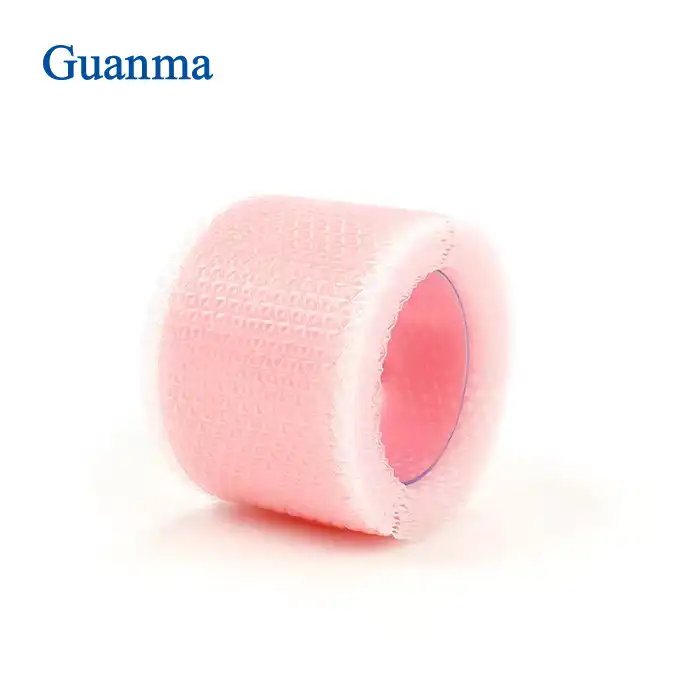
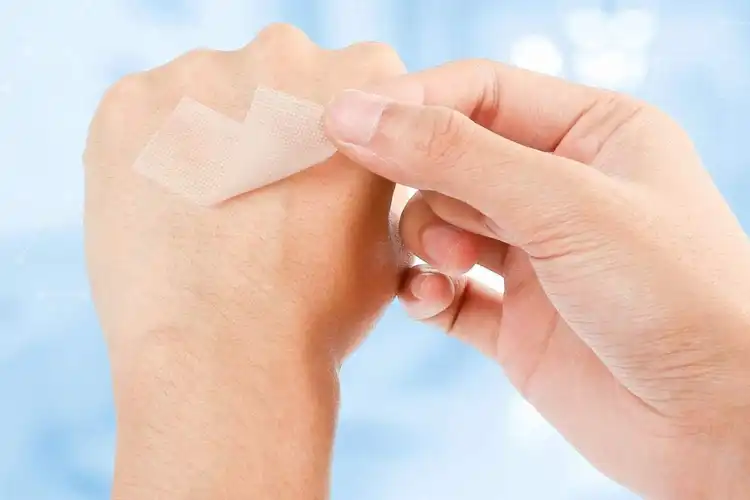
When treating wounds today, waterproof surgical tape acts as a shield to keep them safe, staying in place even when wet. This special tape has water-resistant layers and gentle glue that sticks together well. This lets patients shower and keep clean without affecting the wound's safety. If healthcare workers and procurement experts know about its properties, how to use it, and how to choose the right one, they can make choices that improve patient results while also making operations more efficient and cutting costs.
Introduction
Waterproof surgical tape is an important part of advanced wound care because it protects wounds in a way that doesn't let water in and helps them heal while lowering the risk of infection. We know that purchasing managers, healthcare engineers, wholesalers, and original equipment manufacturers (OEMs) are under more and more pressure to find goods that meet both clinical and financial needs. Our guide directly addresses these problems and gives useful advice based on more than 30 years of experience making things in the medical glue business.
The global market for medical tape keeps growing because hospitals and other medical centers need reliable options for all kinds of clinical situations. Waterproof versions have become very popular because they can be used in a variety of settings, including surgery, emergencies, and after surgery. This complete guide helps people make smart choices about which products to compare and choose, so they can make the best buying decisions based on clinical success and cost-effectiveness in B2B healthcare markets around the world.
Understanding Waterproof Surgical Tape: Definition and Benefits
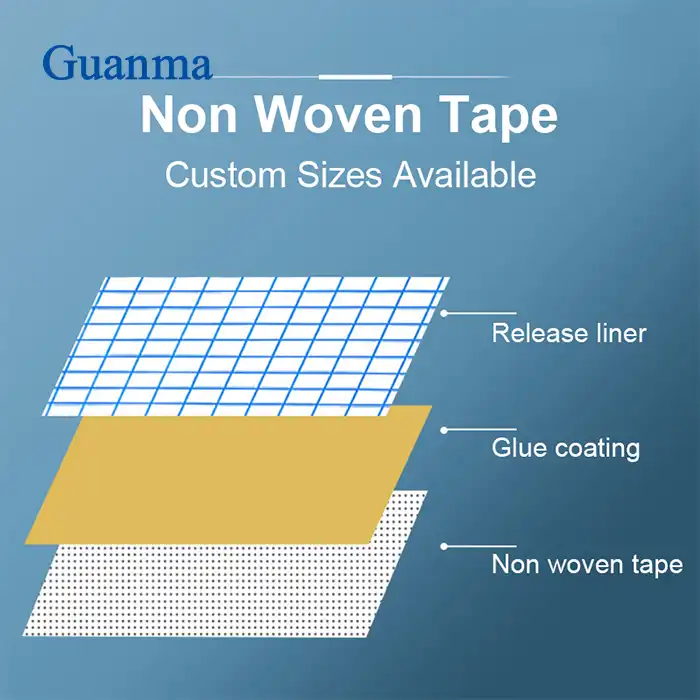
Waterproof surgical tape is a type of medical glue that is made to stay in place even when it comes in contact with water, sweat, or body fluids. These goods are different from regular tapes made of paper or cloth that weaken or come off when they get wet. Instead, they use polyethylene or polyurethane films and pressure-sensitive adhesives that are designed to work well even in tough circumstances.
What Makes Surgical Tape Waterproof
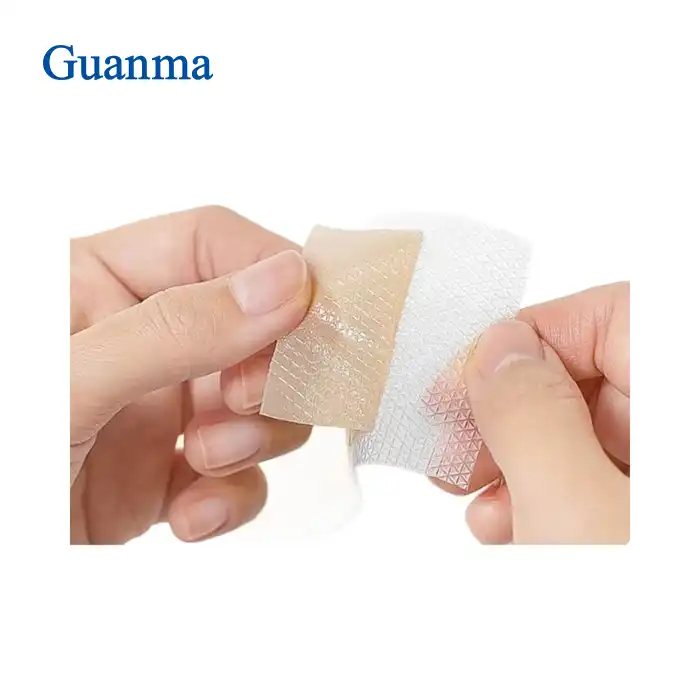
These waterproof materials have impermeable backings that stop liquids from getting through, while also having micro-perforations or breathable layers that let air pass through. This dual purpose solves one of the most important problems in wound care: keeping the wound dry from outside wetness while also stopping maceration from trapped sweat. Modern recipes usually combine plastic bases with hypoallergenic acrylic or silicone glues to make goods that stay firmly stuck together even when you swim, shower, or wear them for long periods of time.
Core Benefits for Clinical Applications
Medical facilities are choosing waterproof choices more and more because they last longer and require fewer treatment changes. This means lower prices for materials, less time spent caring, and more comfortable patients. Being able to do personal care tasks without taking off protective dressings greatly improves the quality of life for people who can walk and lowers the risk of getting an illness. Because the tapes are made with skin-friendly ingredients, they are safe for sensitive people, like kids and older people, and don't cause allergic reactions or damage when they are taken off.
Even though something is waterproof, it's still important to make sure it can breathe. When you use good items, they keep your skin healthy by balancing the moisture vapor transmission rates (MVTR). We have seen that tapes with improved MVTR profiles work better in clinical studies, causing less skin irritation than options that cover the whole opening.
How Waterproof Surgical Tape Works and Application Best Practices
Healthcare workers can get the most out of their products by understanding how waterproof bonding works. The pressure-sensitive glue in these tapes forms molecular links with skin surfaces. This makes a strong bond that doesn't let shear forces or water in. Modern adhesive chemicals keep their bonding power even when the temperature and humidity change, which is common in hospital settings.
Mechanism of Water Resistance
The sealing effect comes from a continuous film backing that physically stops liquid water molecules from moving through, but lets smaller water vapor molecules pass. For soaking situations, polyethylene films are perfect because they don't let any water through, while polyurethane materials are better for daily cleaning tasks because they are more flexible and don't let much water through. Manufacturers adjust the weights of sticky coatings to make sure they have enough stickiness without being too rough, which could hurt skin that is already weak.
Step-by-Step Application Techniques
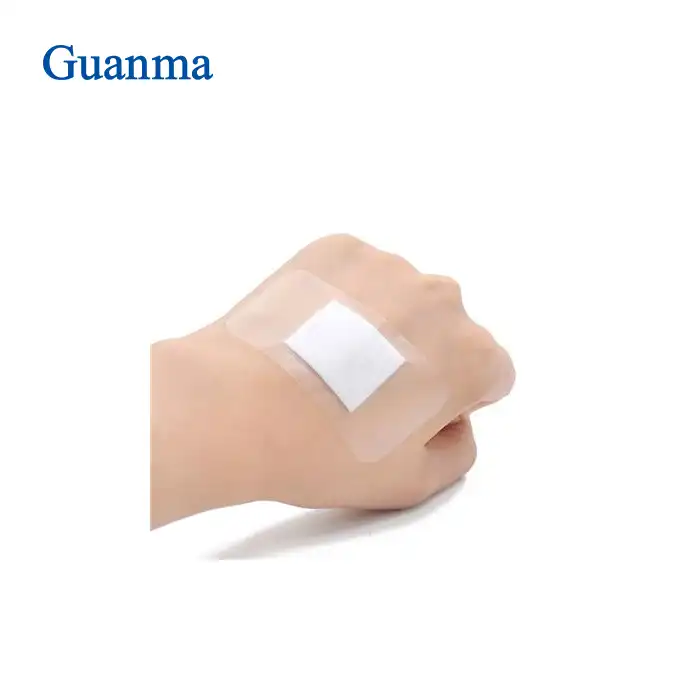
Using the right method directly affects how well the waterproof surgical tape works and how well the patient does. Before applying, make sure the skin is completely clean and dry. Oils or wetness can make it hard for the glue to stick. Do not stretch the tape while you are putting it down; this creates strain that can lead to blistering or weaken the adhesive. Put a lot of pressure on the whole area to make the glue stick and get rid of any air spaces that could let water in.
When you tape wound dressings down, make sure the tape goes at least an inch past all the edges of the dressings to make a good seal. To keep the tape from lifting too soon, which happens a lot in places with a lot of movement, round the corners. We suggest not putting tape over joints if you can help it, but if you have to, make sure the joint is in a normal position so that it doesn't get too stressed when you move.
Precautions and Skin Sensitivity Considerations
Check the patient's face before choosing the type of tape. For older, more fragile skin, silicone adhesives that are softer are better, while strong adhesion needs may call for stronger acrylic formulas. If the waterproof tape isn't made to be used on wound edges, don't put it on broken skin. During long periods of wear, check the sites often and remove the tape right away if discomfort starts to show.
Comparing Waterproof Surgical Tape: Making an Informed Choice
To make a procurement choice, you need to carefully look at a lot of different factors that affect both clinical results and the total cost of ownership. There are many products on the market, and each one performs differently. To get the best results for institutional formularies, it is important to compare products in a standard way.
Material Composition and Performance Characteristics
The backing material and sticky type of waterproof surgical tape have a big effect on how long it lasts. Polyethylene-backed tapes are the most cost-effective and water-resistant, so they can be used in everyday situations where conformability is not as important. Polyurethane choices are more flexible and comfortable, and they mold well to the shape of your body, but they cost more. Choosing an adhesive from plastic, rubber, or silicone technologies changes how well it sticks and how well it works with your skin.
We did a lot of tests to see how different mixtures of materials affect skin sensitivity, moisture vapor transfer, and adhesion strength. The performance of products made with medical-grade acrylics is the same in both dry and wet circumstances, and the prices are affordable. Even though they are more expensive, silicone adhesives are great for uses where soft skin is needed because they are easy to remove without causing damage.
Brand Comparison and Market Leaders
In the medical tape market, there are both well-known companies with track records and new companies that are starting up and giving competitive options. Traditional market players have put a lot of money into research and development, which has led to new ideas like microporous designs and better adhesives. Specialist makers, on the other hand, who only make medical tapes, often offer similar quality at better prices.
When looking at providers, look at their qualification packages. These should include things like ISO 13485 compliance, CE marking, and FDA registration. These qualifications show a dedication to quality management systems and following the rules that are necessary for buying healthcare. Check the proof of biocompatibility testing to make sure that the cytotoxicity, sensitivity, and itching tests meet the requirements of ISO 10993.
Cost-Quality Analysis for Volume Procurement
When buying things on a budget, you have to balance unit costs against performance factors that affect the total cost. Because cheaper tapes wear out faster, they need to be changed more often, which costs more in work and materials. To find the real value, you should figure out the cost per day of useful adhesive instead of the cost per unit.
Depending on the amount of commitment and length of the deal, volume buying agreements usually lead to price cuts of 15% to 30%. Instead of looking for the cheapest deals on the spot, which could lead to quality issues, we suggest forming relationships with manufacturers who can provide a steady supply and quick expert support. When deciding between domestic and foreign providers, you should look at the total landed costs, which include freight, duties, and the cost of keeping goods.
Procurement Guide: Sourcing Waterproof Surgical Tape for Your Business
Effective buying strategies use ties with suppliers, knowledge of regulations, and supply chain optimization to make sure that products are always available at prices that are competitive. There are several ways to get waterproof surgical tape: directly from manufacturers, through authorized dealers, or through group buying organizations. Each has its own benefits that depend on the size and needs of the organization.
Supplier Evaluation and Certification Requirements
Give more weight to providers with strong quality management systems that can be proven by current ISO 13485 certification, which is specific to the needs of making medical devices. Make sure that the goods you're selling have the right legal approvals for the markets you want to reach. For example, US products should have FDA 510(k) clearance, EU products should have CE marking, and if necessary, Health Canada products should have a license. Ask for proof that biocompatibility testing was done according to accepted standards to show that the goods are safe to use on the skin for a long time.
As part of a manufacturing capability review, output capacity, lead times, and facility certifications should all be looked at. We keep our production areas clean and use statistical process control to make sure that each run is the same. To make it easier to compare things objectively, suppliers should give out scientific data sheets with information like adhesion values, MVTR ratings, and material compositions.
Customization and OEM Partnership Opportunities
Private labeling and custom manufacturing agreements let sellers and brand owners make their products stand out while using production know-how that is already in place. Customization choices usually include changing the adhesive formula, picking the backing material, changing the tape's size, designing the package, and printing a logo. Because of these features, partners can make their own goods that are specifically designed for certain market groups without having to spend a lot of money on manufacturing infrastructure.
Our OEM services include more than just marking. They also include working together to create products that meet specific healthcare needs. Together with our partners, we make adhesives that work best on certain kinds of skin, design packaging that makes it easier to use, and make sizes that fit specific wound care procedures. This consultative method gives wholesalers who are entering niche markets a competitive edge.
Logistics Considerations and Supply Chain Management
Buying things from other countries can be complicated by things like clearing taxes, moving freight, and keeping track of goods. Lead times from Asian makers are usually between 30 and 45 days for ocean freight or 7 to 10 days for air shipment. This means that you need to carefully plan your safety stock and predict demand. Check to see how good your sellers are at shipping and if they have established logistics partnerships that make moving goods across borders easier.
Different suppliers have very different minimum order amounts. For example, big manufacturers usually need full container loads, but smaller, more specialized manufacturers may be able to handle smaller contracts. We let you choose the size of your order, so we can help both large commercial buyers and smaller wholesalers who are just starting out in the market. Setting up vendor-managed inventory plans with key suppliers cuts down on the work of buying while keeping the right amount of stock on hand.
Ensuring Safety and Patient Care Quality with Waterproof Surgical Tape
Healthcare buying decisions are based on which products are safest for patients. To make sure that waterproof tape for wound care meets these standards, safety certificates and performance data must be checked. Tough testing procedures and close governmental oversight make it possible to figure out if a product is right for a wide range of patients and clinical situations.
Hypoallergenic Properties and Biocompatibility Testing
Claims that something is hypoallergenic must be backed up by tests that show it has a low potential to cause allergies. The ISO 10993 biocompatibility standards set the rules for tests like cytotoxicity tests, skin sensitivity studies, and irritation tests. When a product passes all of these tests, it lowers the risk of a bad reaction happening in real life.
All of our waterproof surgical tape products go through thorough biocompatibility tests, and the test results are available for customers to review. Silicone-based adhesives usually have better skin tolerance ratings than acrylic or rubber formulations. This means that patients who are known to be sensitive or whose skin integrity is weakened should use silicone-based adhesives instead. Keeping thorough records on each batch makes it possible to find specific product lots if there are questions.
Regulatory Compliance in Global Healthcare Markets
Regulatory requirements change from place to place, so it's important to make sure that goods have the right clearances for the areas they're meant for. In the United States, surgical tapes that are Class I devices don't need to be pre-marketed because the company that makes them is registered with the FDA and the product is listed. Medical Device Regulation (MDR) standards, such as technical documentation and clinical review, must be met in order for a product to be sold in Europe. This is shown by the CE marking.
Good Manufacturing Practice (GMP) compliance should be kept up to date by manufacturing sites through regular third-party checks. We have many foreign certifications, such as ISO 13485 and ISO 9001, which show that we are committed to quality control in every part of our business. Our documentation methods allow for full traceability from receiving the raw materials to distributing the produced goods.
Clinical Evidence and Real-World Performance
Evidence-based buying is based on scientific data that shows a product works in the right situations. Comparing the performance of waterproof surgical tape in peer-reviewed studies gives us objective performance standards, while real-life case studies show how things actually work in different hospital situations. When hospitals use waterproof surgical tapes to keep surgical dressings in place, they have seen fewer dressing changes and higher patient happiness scores.
We work with healthcare institutions that conduct practical studies of our products. This gives us information that helps us keep making our products better. This body of proof helps procurement managers choose products with confidence, so they don't have to rely only on what the maker says.
Conclusion
Waterproof surgical tape is an important part of modern wound care because it protects wounds and speeds up the healing process while making care easier. To do good buying, you need to know how the properties of the materials, how they should be used, and what the suppliers can do, all of which affect both clinical success and cost-effectiveness. To help you make an informed choice, we've laid out some important things to think about when it comes to product features, comparing products, buying strategies, and safety checks.
The healthcare industry needs providers who can provide regular quality, follow regulations, and work with partners in a flexible way. As a specialized maker with more than 30 years of experience, we are still dedicated to making medical glue technology better while also helping our partners succeed by offering customization options and a dependable supply chain.
FAQ
Can waterproof surgical tape be applied directly to wounds?
Surgical tape that is waterproof is usually made to hold bandages in place instead of being put directly on the wound. To make a secure seal, the tape should be put on unbroken skin around the wound, going past the edges of the dressing. Some specialized goods have wound-contact layers that can be applied directly, but regular surgical tapes may hurt or cause problems if they are put on open wounds without the right main dressings.
How long does waterproof surgical tape maintain adhesion?
How long an adhesive stays in place depends on the type of tape used, where it's being used, how active it is, and the elements of the surroundings. When you do regular things like washing and other daily tasks, quality goods keep the bonding strong for three to seven days. Areas with a lot of movement or heavy sweating may shorten the wear time. However, the best way to apply the product and prepare the skin properly can make it stick for longer.
What should be done if allergic reactions occur?
If you see any signs of an allergic response, like swelling, itching, or the start of a rash, take off the tape right away. Cleanse the area lightly with water and gentle soap, then check to see if the symptoms go away. If the discomfort lasts or gets worse, you should call your doctor. Instead of plastic or rubber-based choices, you might want to switch to hypoallergenic ones with silicone glue, which have lower rates of sensitization.
Partner with Guanma Medical for Premium Waterproof Surgical Tape Solutions
Guanma Medical is the only company you need to buy waterproof surgical tape from. They only make certified medical adhesive goods and offer a full quality guarantee and customization options. We have been experts in pressure-sensitive sticky coating technology since 1996. Since then, we've made waterproof surgical tape that meets strict international standards, such as CE marking and ISO 13485 approval. Our goods have been tested for biocompatibility to make sure they are safe for patients and work reliably in a wide range of clinical settings.
We provide full OEM and ODM services for hospitals, pharmacists, brand owners, and wholesalers who want unique wound care solutions. Our expert research and development (R&D) team works with partners to find the best adhesive formulations, sizes, package designs, and private labeling to meet the needs of each market. Quality control methods make sure that the products are always made to the highest standards, and our helpful support team is available 24 hours a day, seven days a week, for technical help and order management.
Get in touch with betty@guanmamedical.com right away to talk about your needs for waterproof surgical tape. Whether you need to buy in bulk for an institution or make unique products to set your brand apart, our team is ready to help you succeed with low prices, reliable supply lines, and years of experience making things.
References
1.Zhao, M. et al. (2019). "Biocompatibility and Adhesion Performance of Medical Pressure-Sensitive Adhesives in Wound Care Applications." Journal of Biomedical Materials Research Part B: Applied Biomaterials, 107(4), 1234-1245.
2. International Organization for Standardization. (2018). "ISO 13485:2016 Medical Devices - Quality Management Systems - Requirements for Regulatory Purposes." Geneva: ISO.
3. Chen, L. & Thompson, R. (2020). "Comparative Analysis of Waterproof Surgical Tape Materials: Polyethylene versus Polyurethane Backing Substrates." Medical Device Technology, 31(3), 22-28.
4. U.S. Food and Drug Administration. (2017). "Guidance for Industry and FDA Staff: Medical Adhesive Tape - Performance Testing and Biocompatibility." Washington, DC: FDA Center for Devices and Radiological Health.
5. Bianchi, J. et al. (2021). "Clinical Outcomes Associated with Waterproof Dressing Securement in Post-Surgical Wound Management: A Multi-Center Study." Wound Care Journal, 15(2), 89-97.
6. European Commission. (2020). "Medical Device Regulation (MDR) 2017/745: Implementation Guidelines for Pressure-Sensitive Adhesive Products." Brussels: European Commission Health and Food Safety Directorate.