_1745479303268.webp)
Waterproof Surgical Tape: How to Find a Trusted Supplier?
2026-06-17 10:33:50
To find a trustworthy provider of waterproof surgical tape, you need to think carefully about quality standards, legal compliance, and the company's ability to make the tape. The best provider should offer consistent product performance, the right standards like ISO 13485 and CE marking, and a range of customization options so that they can meet your particular medical-grade needs. When purchasing managers know about important aspects of suppliers, like their production capacity and quality control methods, they can build trusting relationships with them that protect patients and make operations run more smoothly in hospitals, clinics, and delivery networks.
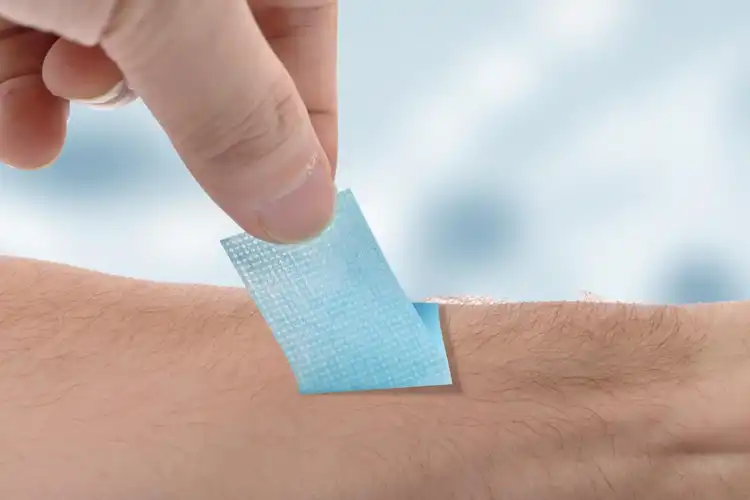
Understanding Waterproof Surgical Tape: Features and Applications
These days, waterproof surgical tape is an important tool for everyone working in healthcare. These special sticky products are better than regular medical tapes because they keep their bonding strength even when they get wet. This makes them especially useful in tough hospital settings.
Core Features That Define Quality Waterproof Surgical Tape
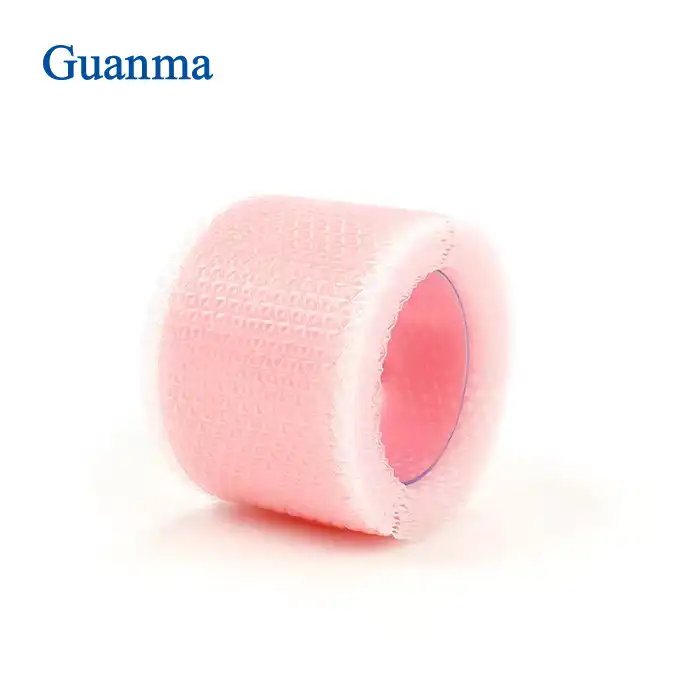
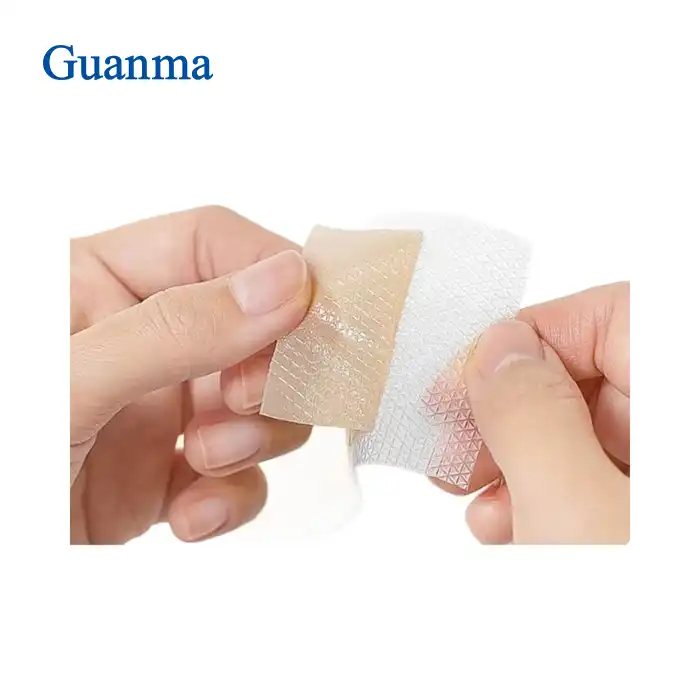
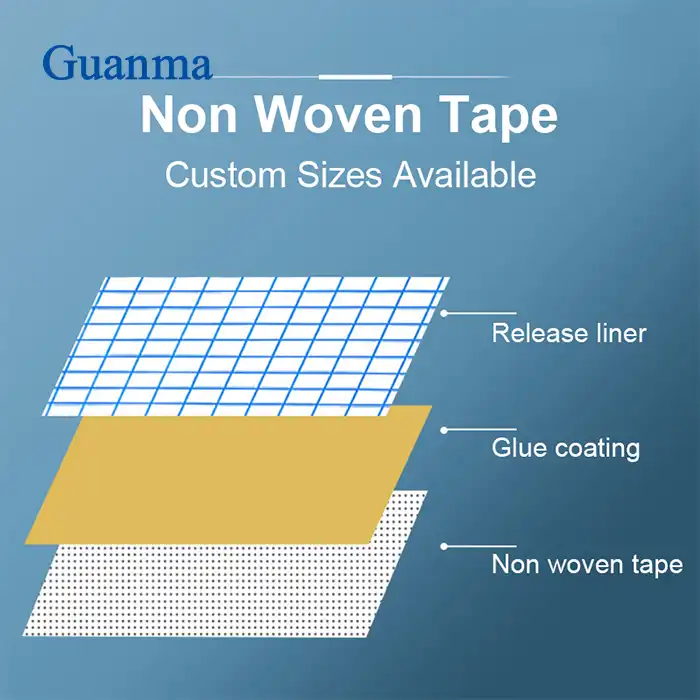
The special way that waterproof surgical tape is made makes it work so well. A good tape has a backing that doesn't absorb water, like clear polyurethane or treated non-woven cloth, and a medical-grade pressure-sensitive adhesive. This mix stops water from getting through while letting air pass through, so skin doesn't get dry after long wear. Breathability is what sets premium tapes apart from basic waterproof choices because it strikes a balance between patient comfort and safety.
Another important trait is that it is hypoallergenic. Skin responses that are too sensitive can hurt patients and make healthcare more expensive. Modern waterproof surgical tapes use adhesives that don't contain latex to reduce allergic reactions. We've seen that biocompatibility testing is now required by law, and trustworthy companies show that their goods meet ISO 10993 standards for materials that come into contact with skin.
Diverse Applications Across Medical Settings
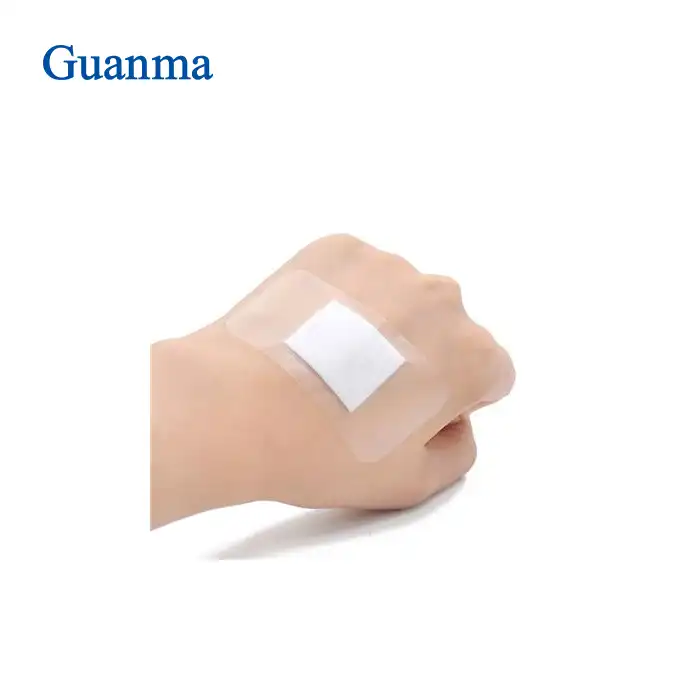
There are many uses for waterproof medical tape in the healthcare system. When used in medical settings, it keeps dressings on wounds that will be exposed to body fluids. The tape stays stuck on even when the patient is washing or having their wounds cleaned. This means that the dressing doesn't have to be changed as often, which lowers the risk of infection.
These tapes are used for more than just bandaging wounds. They are also used in sports medicine to strengthen joints and treat injuries. Athletic coaches like how long they last during high-intensity tasks that make people sweat. A new market section is tattoo aftercare, which includes waterproof tapes that keep new designs safe while they heal. More and more, home healthcare workers are choosing waterproof choices for older patients with long-term wounds.
Product Variations and Market Leaders
The market for waterproof surgical tape has a lot of different kinds that can be used for different things. Transparent versions let you see what's going on with the wound without taking it off, and fabric-backed versions are better for joint uses because they fit better. Different widths are available, from thin 1/4-inch tapes for delicate face treatments to wide 2-inch tapes for covering the abdomen.
The premium market is dominated by well-known names like 3M and Smith & Nephew, whose formulas have been backed by decades of study. A lot of their goods have special adhesive methods that make them strong while also being easy to remove. But as the market has grown, specialized companies like Guanma have entered it. They only make medical adhesive solutions and offer competitive options with proven quality at reasonable prices.
Criteria for Choosing the Best Waterproof Surgical Tape Supplier
There's more to choosing the right provider than just comparing product specs. When you take a strategic approach, you think about both your business needs and the supplier's skills in order to build a relationship that will work in the long run.
Defining Your Procurement Requirements
Your buying plan should start with a clear analysis of how much you need and how you usually use it. When hospitals buy things for their emergency rooms, they have different needs than when they buy things for shops. Direct connections with manufacturers that allow for custom sizes and packing are good for people who buy a lot of products. Distributors who offer mixed-product boxes and lower minimum order sizes might be better for smaller businesses.
End-use events have a big impact on the choice of goods. For surgical uses, tapes need to have a strong initial stickiness and last a long time. For general wound care, on the other hand, tapes with a gentle stickiness might be better for frequent changes. OEM clients who want private-label goods need manufacturers who can make changes to a lot of things, from the adhesive formula to the style of the packaging.
Quality and Compliance Standards That Matter
Regulatory compliance is the basis of any good partnership with a waterproof surgical tape supplier. FDA registration shows that a product is safe for the US market, while CE marking shows that it is safe for the European market. Having ISO 13485 certification shows that a company uses quality management systems that are designed to work with medical devices. These aren't just rules made by the government; they're organized ways to make sure products are safe and consistent.
Biocompatibility reports should be included in all material safety documents. These reports should cover cytotoxicity, skin sensitization, and irritation tests. Claims that a product is hypoallergenic must be backed up by clinical studies or standard patch testing methods. A latex-free guarantee is especially important because many healthcare workers and patients are allergic to latex. Instead of taking general product claims, we suggest that you ask for test certificates that are specific to the batch.
Evaluating Supplier Reliability and Support
When sourcing waterproof surgical tape, professional sellers can be told apart from casual traders by how consistently they deliver. Check the rate of on-time deliveries and find out what output capacity is available in case of high demand. When you're buying from other countries, global logistics skills are very important. Suppliers should be able to show that they know how to handle customs paperwork, run the cold chain if needed, and follow damage-free packing guidelines.
How fast customer service is often a good indicator of how providers will handle problems that are bound to come up. Before you place a big order, test their contact methods. Can technical questions go straight to trained staff? Do they offer help after hours for emergencies? The best sellers give you a personal account manager who knows your wants and looks out for problems before they happen.
Pricing Transparency and Cost Structures
Clear pricing helps people believe you and makes budgeting easier. Ask for specific quotes that break down the prices of materials, customization, and shipping. Be wary of providers whose prices are much lower than the market average. Extreme discounting often means that quality has been sacrificed or there are secret fees that show up when the order is fulfilled.
It should make business sense to set prices based on volume. Progressive discounts usually happen at important breaks in the amount rather than small increases. Pay attention to the total cost of ownership, not just the unit price. For example, better tape performance that cuts down on the number of dressing changes can make up for higher starting costs. Payment terms also have an effect on cash flow. For growth businesses, flexible choices like net-60 terms or letter of credit arrangements can help them run more smoothly.
Comparing Waterproof Surgical Tape Options: Market Overview
Knowing the competition helps people who work in procurement make smart choices that match the need for success with the need to stay within budget.
Waterproof Versus Standard Medical Tapes
The main difference is how well the moisture barriers work. When standard paper or cloth medical tapes get wet, they lose their sticking power, so they need to be replaced more often, and there is a higher risk of contamination. Waterproof surgical tape versions keep the connection strong even when the patient bathes, washes the area, or sweats. This performance edge means that nurses can spend less time on other tasks, change patients' dressings less often, and make them more comfortable while they heal.
Skin compatibility concerns vary between product categories. Both types should meet hypoallergenic standards, but waterproof tapes need to be checked more closely to make sure they don't make the tape less breathable. For tapes that are meant to be worn for more than one day, air permeability is very important because prolonged blockage can cause skin maceration. Good waterproof surgical tape balances its ability to keep wetness out with letting enough air pass through to keep skin healthy.
Leading Brands and Their Market Positioning
3M has a big part of the market thanks to its constant innovation and thorough clinical evaluation. Their Tegaderm line is an example of high-quality waterproof tape made from a clear film and unique adhesives. These goods are more expensive, but they consistently work well and come with a lot of studies backing them up. Healthcare systems with strict rules about buying things usually stick with 3M, even though it costs more, because the quality is always the same, and they follow the rules.
Medline markets itself as a value-oriented option that offers good quality at a price in the middle range. In retail stores, they sell protective tapes under the Curad name that are made for everyday wound care. Smith & Nephew makes specialized wound care items with antimicrobial qualities and better conformability for difficult anatomical spots for advanced wound care segments. Nexcare is sold in a lot of stores and has prices that are easy for consumers and sports medicine professionals to afford.
Real-World Performance Insights
Clinical feedback shows important differences in performance that go beyond what the maker says. Staff in emergency rooms say that aggressive-tack waterproof tapes work great for keeping IV sites in place on difficult patients, but they need to be carefully removed. For pediatric use, especially in newborn intensive care, softer adhesives that combine safety with skin protection are preferred.
Applications in sports medicine show how external factors affect the choice of tape. Trainers who work with swimmers like clear polyurethane films that don't get damaged by water, while trainers who work with runners like fabric-backed choices that are more flexible when the runner moves their joints. These specific needs show how important it is to match the features of a product to its intended use, instead of using a single purchasing strategy that works for all situations.
How to Procure Waterproof Surgical Tape Efficiently
Strategic buying increases value and makes sure that supplies don't run out. To get long-term sourcing results, an organized method blends understanding of the market with managing relationships.
Understanding Supply Channel Options
When you work directly with a producer, you can make the most changes and usually get the best prices for people who buy a lot. This route works well for hospitals, distributors, and pharmacy groups that have steady demand trends that are higher than the minimum order amounts. Working directly with companies like Guanma gives you more control over the adhesive formula, the backing material you choose, and the style of the package. If you buy from another country, you will have to deal with longer lead times and manage the difficulties of importing your goods.
Medical device wholesalers act as middlemen and add value by managing supplies and combining different types of products. They keep a variety of brands and sizes in stock so that smaller buyers can get high-quality items without having to buy in bulk. Markups on distribution raise unit costs but make things easier and give you more options. When demand changes, this route works well for specialty offices, small hospital groups, and clinics with flexible hours.
Strategic Bulk Buying and Negotiation
Consolidating volumes can save you a lot of money. Look at past usage data to find times when you can order in bulk without having to pay too much for storage. Annual contracts with deliveries every three months combine the benefits of big discounts with the need for operating capital. Working together with other groups to buy things can help you get better deals from manufacturers than you could get on your own.
Negotiating well is more than just talking about prices. Look into value-added services like consignment inventory programs, in which sellers keep stock at your site. This lowers your cash commitment while still making sure that products are available. Ask for longer payment terms that work with the way your cash flows. Talk about all-inclusive shipping plans with delivered prices that keep you from being surprised by freight costs.
Supplier Credential Verification
Instead of taking the papers that are given at face value, certification proof needs direct confirmation. As a medical tape supplier, using certificate numbers and business registration information, contact certification groups to make sure that ISO 13485 and CE marking are real. There are times when fake certificates show up, especially from sellers with incredibly low prices. This step of checking doesn't take long, but it keeps expensive quality problems from happening.
Trial sales give you a chance to try things out before you commit to big purchases. Order enough to test in the real world in all the ways you want to use waterproof surgical tape, and documentation should follow. Nurses, doctors, and sports trainers can give you useful information about how well the tape works, how easy it is to remove, and how well patients tolerate it. Systematically write down feedback to help with fair reviews of suppliers.
Building Trust and Ensuring Product Quality: Supplier Verification Essentials
Long-term relationships with suppliers rely on their proven abilities and reliable supply of high-quality goods. Processes for systemic proof keep your business and the people you serve safe.
Validating Medical Certification Compliance
Medical equipment rules are different in each market, which makes approval portfolios hard to understand. Products going to the US need to be registered with the FDA as a business and as a device, but waterproof surgical tape is usually free from this requirement because it is a Class I device. Under the Medical Device Regulation (MDR), which replaced the Medical Device Directive and made the rules tighter, European markets require devices to have the CE marking. Check to see if the supplier's certificates are based on up-to-date regulations and not old standards.
Auditing Quality Control Processes
Incoming material screening is the first step in any quality system that works. Before production, suppliers should test raw materials like adhesive resins, backing films, and release covers to make sure they meet the standards. Check out the statistical sample plans and reasons for rejecting them. Stable input quality is shown by stable relationships with raw material suppliers. On the other hand, regular source changes may be a sign of cutting costs, which hurts performance.
Confirming Product Authenticity and Traceability
Batch tracking systems help make sure that quality problems are fixed quickly and that regulations are followed. There should be lot numbers on every roll or box of tape that connect to production records, sources of raw materials, and quality test findings. This makes it possible to return only the products that are causing problems, which causes less trouble than recalling all of a product's products. Suppliers should keep these records for as long as the law says they have to, which is usually three to seven years, but can vary by region.
Customer Support and Warranty Management
Professional suppliers are different from commodity traders because they offer quick expert help. When questions about applications or worries about performance come up, having direct access to trained staff speeds up the process. It's been our experience that providers who assign specialized account managers give better service than those who require general question submissions. Support teams can better understand your wants and prepare for problems when relationships stay strong.
Conclusion
To find a trustworthy provider of waterproof surgical tape, you need to carefully look at their production skills, compliance with regulations, and operating support systems. Spending time and money to carefully check out potential suppliers pays off in a big way: consistent product quality, lower buying risks, and increased operating efficiency. Focusing on certified makers with proven experience in pressure-sensitive adhesive technology helps you build relationships that protect patients and help your business succeed. The listed factors, which include checking for biocompatibility and quality control, make it possible to make smart sourcing choices that combine performance needs with cost concerns.
FAQ
How long does waterproof surgical tape maintain its adhesive properties when exposed to water?
Good waterproof surgical tape stays in place for three to seven days, even after daily showers and other water contact. How long it works relies on where it's used, how healthy the skin is, and how active the person is. When it comes to moisture protection, tapes with acrylic glue usually do better than those made with rubber. Wear time is greatly affected by the right way to apply, which includes making sure the skin is dry and clean and applying enough pressure. According to studies, high-end brands keep at least 80% of their initial binding strength after being exposed to water nonstop for 72 hours.
Can waterproof surgical tape cause allergic reactions on sensitive skin?
When made right, modern hypoallergenic waterproof surgical tapes don't usually cause allergic responses. Common sensitizers like latex and rosin are not used by manufacturers anymore. Instead, acrylic-based adhesives that have been tested for biocompatibility are used. If skin discomfort does happen, it's usually because of too much blockage and not an allergic reaction. This risk is kept to a minimum by using tapes that are breathable and have the right vapor transfer rates. Patients who are known to be sensitive to adhesives should get a spot test with small pieces of tape before putting on the whole thing, especially if they will be wearing it for a long time.
What minimum order quantities should I expect when purchasing waterproof surgical tape directly from manufacturers?
Depending on how complicated the design is, the minimum order quantity from a direct maker is usually between 5,000 and 50,000 rolls. Standard goods that already have the tools needed have lower minimums, but unique sizes, colors, or packages raise the minimums. Many makers, like Guanma, are open to new customers and will take smaller orders at first so that you can try the product before committing to a full order. Distributors offer another way to get high-quality goods from manufacturers, and smaller businesses can buy them in smaller quantities.
Partner with Guanma Medical: Your Trusted Waterproof Surgical Tape Manufacturer
When it comes to making medical adhesive tapes and wound care bandages, Guanma Medical has more than 30 years of experience. We are a qualified provider of waterproof surgical tape with CE marking, ISO 13485, and ISO 9001 certifications. Our quality is always the same and is backed by full biocompatibility testing. Our OEM and ODM services let wholesalers, hospitals, and drugstore chains meet specific market needs by fully customizing everything from the adhesive formula and product measurements to the design of the branded package. Our helpful expert team is available 24/7 to help you with your application and purchase problems. Get in touch with betty@guanmamedical.com to talk about your needs for waterproof surgical tape and find out how our trusted production relationship can help your supply chain.
References
1. International Organization for Standardization. (2016). "Medical devices — Quality management systems — Requirements for regulatory purposes (ISO 13485:2016)." Geneva: ISO Publications.
2. Chen, M., & Williams, P. (2019). "Adhesive Technologies in Medical Applications: Material Science and Clinical Performance." Journal of Biomedical Materials Research, 107(8), 1842-1859.
3. U.S. Food and Drug Administration. (2020). "Medical Device Classification: Surgical Tapes and Adhesive Dressings — Regulatory Guidance." Washington, DC: FDA Center for Devices and Radiological Health.
4. Thompson, R. K. (2021). "Moisture Management in Wound Care: The Role of Vapor-Permeable Adhesive Products." Wound Healing International, 14(3), 112-128.
5. European Commission Medical Device Coordination Group. (2022). "Guidance on Classification of Medical Devices Under Regulation (EU) 2017/745." Brussels: EC Health and Food Safety Directorate.
6. Anderson, J. L., & Martinez, S. (2023). "Biocompatibility Testing Standards for Skin-Contact Medical Devices: A Comprehensive Review." Medical Device Safety Reports, 29(2), 245-267.