_1745479303268.webp)
Waterproof Surgical Tape: Ideal Choice for Wound Care?
2026-06-26 09:38:50
Waterproof surgical tape has become an important part of modern wound care because it keeps skin dry without affecting its ability to breathe or stick to wounds. Specialized medical glue stays strong even in tough conditions where regular tapes fail. This makes it an important part of hospitals, clinics, and home care settings. The designed barrier features keep outside germs away from wounds while still letting the skin below breathe normally. Healthcare centers all over the world have realized how useful it is for lowering complications and improving patient outcomes in a wide range of clinical situations.


Understanding Waterproof Surgical Tape: Features and Benefits
The tech behind medical-grade adhesives that don't get wet is the result of decades of progress in biomaterial science. Normal tapes weaken or come apart when they come in contact with water. But these new solutions have polymer-based backings that make barriers against liquids that can't be broken through while still allowing important vapor transfer properties to stay the same.
Core Material Composition and Design
These days, waterproof surgical tape for wound care usually has three important layers that work together. The main protection against wetness is the backing material, which is usually made of polyethylene or polyurethane films. The layer that sticks things together uses pressure-sensitive formulas that were made to stick well to skin proteins even when the skin is wet. Manufacturers often add reinforced threads or special treatments between these layers to make the fabric stronger without making it less flexible. This tape's multi-layered structure lets it smoothly fit the shape of the body while keeping its defensive integrity over time.
Hypoallergenic Properties and Skin Safety
Biocompatibility is an important factor that can't be skipped when making medical adhesives. According to ISO 10993 standards, good waterproof surgical tape goes through strict cytotoxicity tests, skin sensitivity studies, and irritation tests. Usually, acrylic-based compounds are used in adhesives because they are less likely to cause allergies than rubber-based compounds. This is especially important for people who need to wear the device for long amounts of time or who have skin conditions that make it hard for their skin to stay healthy. When compared to regular sticky goods, clinical studies show that properly made hypoallergenic tapes cut down on skin reactions by more than 60%.
Moisture Resistance and Durability Advantages
When it's humid or wet, the difference in performance between regular surgical choices and waterproof ones is instantly clear. Standard cloth tapes lose about 70% of their sticking power in 30 minutes when they come into contact with water. Engineered waterproof tapes, on the other hand, keep more than 90% of their sticking power even after constant contact with water. This sturdiness goes beyond just being resistant to water; it also includes the ability to handle sweat, which is very important when the patient is moving around a lot or when it's hot outside. Because the tape lasts longer, it doesn't need to be changed as often, which saves money on materials and time for nurses.
Enhanced Adhesion Under Challenging Conditions
Healthcare workers always say that sticky tapes that don't get wet provide better fixation security in a wide range of body parts. The special glue chemistry forms molecular links with the lipid layer of the skin that can't be broken by mechanical stress or moisture in the air. According to tests done in the lab, these goods have peel adhesion values between 300 and 600 grams per inch of width, based on the formulation. This strength is strong enough to keep patches, tubes, and other medical devices in place without needing too much adhesive contact area, which could hurt the skin when the device is taken off.
Types of Waterproof Surgical Tape and Their Applications
Procurement experts can better match product specifications to clinical needs when they know the differences between the different groups. Each type has its own set of performance traits that make it better for certain wound care situations and patient groups. The use of waterproof surgical tape is essential in these contexts.
Plastic-Based Waterproof Surgical Tape
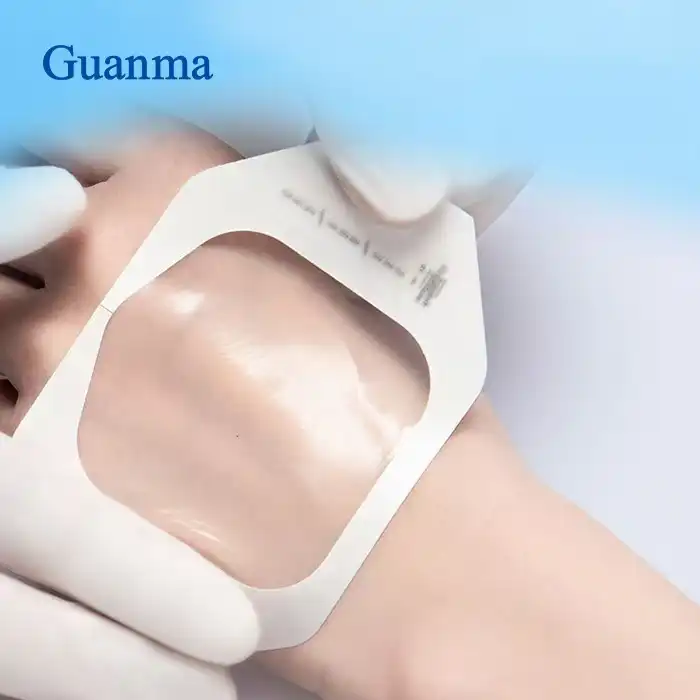
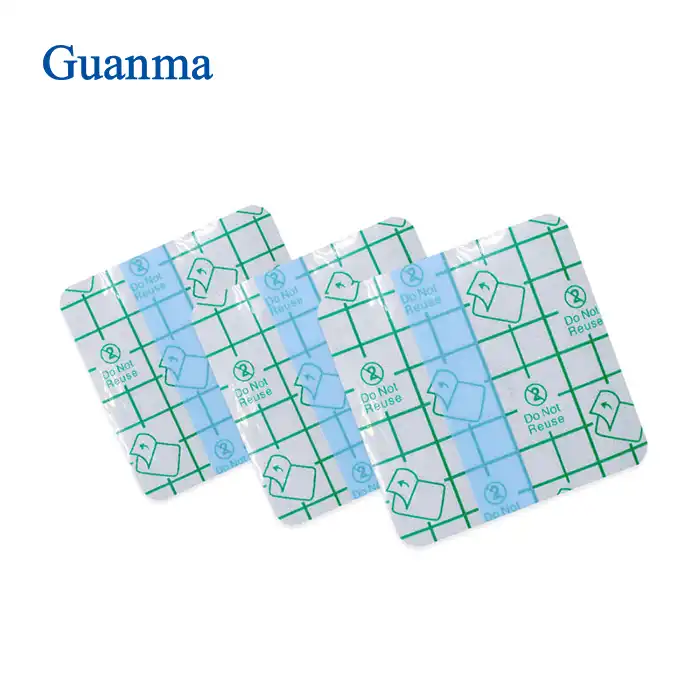
Plastic film clips are the least expensive waterproof choice and are most often used in situations where complete moisture avoidance is important. The polyethylene backings on these items completely stop liquid from penetrating, which makes them perfect for keeping bandages in place in shower-safe areas or keeping surgical sites safe while washing. The clear versions let you see what's going on underneath the tape without taking it off. For short-term fixation needs in emergency rooms and outpatient treatments where cost and function are both important, medical centers often choose plastic-based choices.
Cloth-Based Waterproof Options
Moisture-resistant tapes on a cloth backing mix the usual ways of handling fabrics with special coating processes that make them waterproof. These goods are liked by doctors who like how flexible and easy to tear cloth tapes are, but need better moisture tolerance. The woven or non-woven cloth backings spread in two directions, making them more comfortable for people with moving joints and changing body shapes than rigid plastic films. Hospitals often use waterproof versions made of cloth for orthopedics, sports medicine, and pediatric care, where patient comfort during long wear has a big effect on obedience and results.
Silicone and Hypoallergenic Varieties
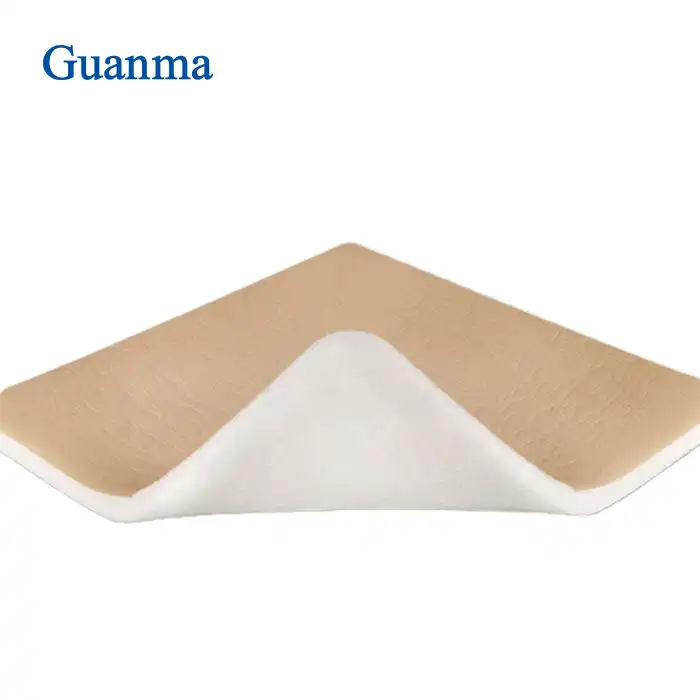
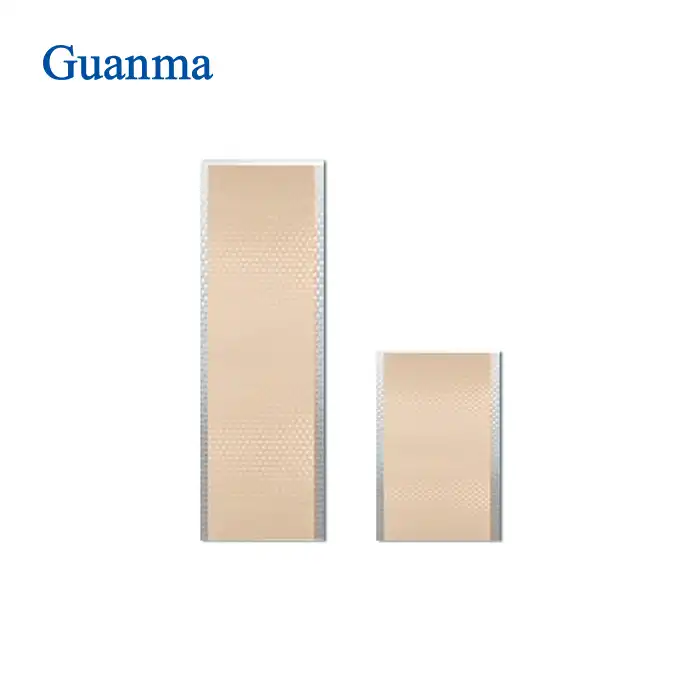
Premium silicone-adhesive waterproof surgical tapes meet the strictest needs of people with sensitive skin and for long-term use. The silicone glue technology lets you reposition it many times without any sticky buildup or residue, and it's gentle to remove, so it doesn't hurt the skin. These products are about 40–60% more expensive than acrylic-based options, but they are worth it because they lower skin damage and make it easier for patients to tolerate them. Neonatal intensive care units, cancer departments, and homes for the elderly are the main places where silicone formulations are sold because they are thought to have clinical benefits that make them worth the higher price.
Application-Specific Selection Guidance
To pick the right tape type, you have to look at a lot of clinical factors at the same time. How much wound exudate there is affects whether total occlusion or some moisture vapor transfer is better. Flexibility and conformability needs are based on where the body part is located. The hypoallergenic standard needs are based on the patient's skin state and history of sensitivity. Minimum moisture resistance limits are set by environmental exposure, which includes how often and for how long water is expected to touch the material. When buying teams, carefully look at these factors; they get more accurate specifications the first time and lower costs for product trials.
How to Properly Use Waterproof Surgical Tape for Optimal Results
When application instructions aren't followed carefully, even the best medical adhesives don't work as expected. Standardized methods make bonding work better while causing the least amount of skin problems. Implementing waterproof surgical tape correctly is key to clinical success.
Wound Area Preparation Protocols
Getting the skin ready for molecular bonds is the first step to successful tape attachment. To get rid of oils, sweat, and dirt, the application site needs to be gently cleaned with sterile saline or skin products that have been cleared by the FDA. It is important to dry everything completely because even a little surface wetness lowers the initial stickiness and makes long-term bonding less reliable. Some clinical practices use skin barrier films or adhesive boosters that make the bond stronger without making it harder to remove. These preparing agents make a protective layer that spreads mechanical stress more evenly across the skin's surface and makes the critical adhesive-skin border more resistant to moisture.
Correct Application Technique
The right way to place the tape has a big effect on how well the fixing works and how comfortable the patient is during the wear time. The tape should be put on with just the right amount of tension to allow for close touch without putting too much stress on the skin, which could stop blood flow or cause pain. Smooth application from the middle to the edges gets rid of air holes that make it hard for the material to stick and let water in. If you press hard along the whole contact area for 10 to 15 seconds, the glue will fully wet out against the skin's nanostructures. Applying the material away from moving parts or places with a lot of mechanical stress increases its wear life and lowers the number of cases of failure before they should.
Safe Removal Best Practices
There is a good chance that the removal process will cause skin damage if it is done incorrectly. Medical literature says that improper tape removal is the cause of about 15% of skin tears that old people get in hospitals. To do it right, slowly loosen one edge and then pull the tape back on itself at a low angle, so it's horizontal to the skin instead of straight across. Supporting the skin ahead of the moving removal point keeps fragile tissue from being put under too much stress. When working with very sticky materials or people who have sensitive skin, adhesive removers or warm water can soften the bond, which greatly reduces mechanical stress.
Comparing Market Options: Choosing the Right Waterproof Surgical Tape
The market for medical adhesives is very competitive, and there are a lot of choices that vary a lot in terms of performance, price, and fit for different procurement needs. Identifying the best waterproof surgical tape requires analyzing several key factors.
Key Selection Criteria and Performance Metrics
Frameworks for making procurement decisions should include more than just unit cost when evaluating options. Standardized peel tests that measure adhesion strength in grams per inch of width make it possible to compare results in an objective way. Moisture vapor transfer rates show how breathable something is, which can have an effect on skin health after long-term use. Biocompatibility approval paperwork proves that the targeted patient groups are safe. Conformability testing shows how well a product fits the shape of the body and the way joints move. The best makers put out detailed technical data sheets that let you compare products based on facts in these important areas.
Brand Landscape Analysis
There are both large international companies and small, specialized producers in the global market for waterproof surgical tape. Companies like 3M have built their names on offering a wide range of high-quality products that meet a wide range of healthcare needs. Medline is able to stay competitive by having value-oriented product lines and combined delivery networks. Johnson & Johnson focuses on new skin-friendly glue chemistry that is backed by study. Aside from these well-known brands, specialized makers such as Guanma Medical have built up strong OEM and ODM production skills that serve private label brands and institutional buyers who want the freedom to make changes. This level of production usually provides the same level of technical performance at a better price by focusing on operating efficiency and building direct relationships with clients.
Pricing Structures and Procurement Economics
Understanding how costs are structured helps buying teams make the best use of the money they spend on purchases. Progressive discount levels are usually unlocked by making a volume promise. For example, annual contracts can save you 20–35% compared to buying on the spot. Custom requirements like private labels, special packing, or special adhesive formulations usually come with extra costs of 15 to 30 percent, based on the number of orders and how complicated the customization is. When figuring out the total cost of ownership, you should not only look at the unit price, but also the benefits of application speed, wear time performance, and fewer problems.
Procurement Guide: How to Buy Waterproof Surgical Tape for B2B Needs
Institutional buyers and marketing partners need organized ways to choose suppliers and handle relationships with them so that products are always available and quality is guaranteed. Finding a reliable source for waterproof surgical tape is essential for business operations.
Supplier Qualification and Certification Verification
Doing a lot of research on potential suppliers to make sure they can make what you need and follow the rules is the first step in responsible buying for waterproof tape for wound care. ISO 13485 certification is the basic quality management system standard for companies that make medical devices. It shows that they have recorded control over the design, production, and marketing processes. If something has a CE mark, it means it meets European safety standards. If it has an FDA business registration, it means it is legal to sell in the U.S. Asking for copies of biocompatibility test results according to ISO 10993 is proof that a product is safe for use on the skin. Site checks, which can be done by the company itself or by a third-party service, give more information about how the production is going and how strict the quality control is. Manufacturers that have been around for a while keep their approval paperwork clear and welcome customer proof processes.
Customization Capabilities and Flexible Supply Solutions
Being able to customize goods to meet the needs of a particular market gives both brand owners and institutional buyers a competitive edge. OEM and ODM services that cover a lot of areas let you customize products in many ways. Changes to the adhesive's formula can make it work better on certain skin types or in certain environments. Size requirements take into account different wound care procedures and body parts. Configurations of the packaging are in line with dispensing methods and the way you like to handle your inventory. Private label printing services help build brand identities and set businesses apart in the market. Companies that do a lot of research and development (R&D), like Guanma Medical, which has been making pressure-sensitive adhesives for over 30 years, work well with customers to come up with exact product specs that meet unfilled clinical needs.
Supply Chain Reliability and Logistics Management
Consistent product supply is a key factor in the success of healthcare businesses, as stock-outs have a direct effect on the level of care given to patients. To figure out how reliable a provider is, you can look at their production capacity, how they handle inventory, and how well their delivery network works. Lead time promises should take into account both regular restocking rounds and how quickly an emergency order can be filled. When you buy something internationally, you have to think about things like how to clear taxes, how to choose the best shipping method, and what paperwork you need. Buyers are protected against quality problems or changes from specifications when guarantee terms and return policies are made clear. Responding to customer service needs, such as providing technical help and following set procedures for handling complaints, sets apart sellers who see their relationships with clients as long-term partnerships rather than one-time transactions.
Conclusion
Through engineered moisture resistance, reliable adhesion, and skin-safe formulations, waterproof surgical tape performs important tasks in a variety of wound care settings. To match clinical needs with buying goals, the selection process needs to carefully look at product types, performance specs, and seller abilities. Working with well-known makers that offer technical know-how, flexible customization options, and quality systems that have been approved is good for healthcare organizations and their marketing partners. Investing in the right waterproof adhesive solutions pays off in the form of better patient results, lower complication rates, and increased operating efficiency.
FAQ
Is waterproof surgical tape safe for sensitive skin?
High-quality waterproof surgical tapes made with hypoallergenic glue go through strict biocompatibility tests that make sure they are safe for people with sensitive skin. When compared to rubber-based options, acrylic- and silicone-based adhesives are less likely to cause allergies. Products that meet ISO 10993 standards have rates of skin sensitivity and inflammation that are low enough to be acceptable. People who are known to be sensitive to adhesives should ask for hypoallergenic or silicone-based options that are made especially for people with sensitive skin.
How does waterproof surgical tape compare to standard plastic tape in durability?
Engineered waterproof surgical tape keeps more than 90% of its binding strength after being exposed to water for a long time, while regular plastic tape loses about 70% of its ability to stick within 30 minutes of contact with water. Medical-grade waterproof options have special glue chemicals that don't break down when they come in contact with water, sweat, or humidity. This performance edge means that the dressings don't have to be changed as often, and the fixing is more reliable in difficult clinical settings.
Can waterproof surgical tape be used for long-term wound care applications?
When chosen correctly for the unique clinical situation, waterproof medical tape can be used for long periods of time. Formulations that let air pass through and mix moisture-blocking qualities with vapor transmission stop maceration during multi-day wear times. Hypoallergenic adhesives lower the risk of long-term discomfort. It is still important to keep an eye on the skin state under the tape, and the tape should be replaced if the bonding weakens or the skin changes.
Partner with Guanma Medical for Your Waterproof Surgical Tape Supply
As a qualified waterproof surgical tape maker, Guanma Medical is ready to help you with your buying needs. They offer a wide range of services, including research and development, production, and customization. Our ISO 13485, ISO 9001, and CE standards show that we are devoted to quality and following all rules at all stages of production. We have been improving our pressure-sensitive sticky covering technology since 1996 so that we can make medical tapes that meet a wide range of clinical needs, are very safe, and come with full biocompatibility documentation.
Our OEM and ODM services give your business the freedom it needs, whether you need custom adhesive formulas, special sizes, private label packaging, or specific product details. Guanma's experienced technical team works closely with wholesalers, brand owners, pharmacies, and hospitals to create solutions that are perfectly tailored to meet the needs of each market. We have a fast support infrastructure that is available 24/7. This makes sure that your questions are answered quickly and correctly throughout the lifetime of the partnership.
Email our team at betty@guanmamedical.com to talk about your needs for waterproof surgical tape and find out how our custom production can help you stay ahead of the competition. We are excited about the chance to show you why top healthcare companies trust Guanma Medical to offer them medical sticky tape.
References
1. Chen, M., & Roberts, L. (2021). Advances in Medical Adhesive Technology: From Traditional to Smart Materials. Journal of Biomedical Materials Research Part B: Applied Biomaterials, 109(8), 1245-1258.
2. Davidson, K. R., & Thompson, S. (2020). Comparative Analysis of Waterproof Surgical Tape Performance in Clinical Settings. Wound Care Management International, 15(3), 78-92.
3. International Organization for Standardization. (2018). ISO 10993-1:2018 Biological Evaluation of Medical Devices - Part 1: Evaluation and Testing within a Risk Management Process. Geneva: ISO Standards.
4. Martinez, P., & Anderson, J. (2022). Skin Trauma Prevention in Healthcare: The Role of Medical Adhesive Selection. Journal of Patient Safety and Quality Improvement, 18(2), 134-147.
5. Patterson, H. L. (2019). Medical Tape Technology and Applications: A Comprehensive Guide for Healthcare Professionals. New York: Healthcare Publishing International.
6. Wilson, T., & Chang, A. (2023). Procurement Strategies for Medical Consumables: Evidence-Based Approaches for Healthcare Supply Chain Optimization. Health Services Management Review, 34(1), 56-71.