_1745479303268.webp)
Waterproof Surgical Tape Selection Guide for Medical Professionals
2025-12-22 09:04:13
It is very important to pick the right waterproof surgical tape to make sure that patients get the best care and that wounds stay clean in hospitals. It's hard for medical professionals to choose the right adhesives because they need to be able to handle moisture and still stick well while keeping patients comfortable. This whole article talks about the important things that doctors, hospital administrators, and people in charge of buying things should think about when they are looking at different types of waterproof medical tape for their specific uses and patient groups.

How to Understand Medical Tape That Doesn't Get Wet?
Medic tape that is waterproof has gone through a lot of changes over the years to meet the needs of healthcare settings. These adhesives use advanced polymer formulas that effectively block moisture while still letting skin breathe, which is good for skin health. Pressure-sensitive adhesive systems are what make the technology work. They stick well to skin and medical devices, even when they are wet from body fluids, cleaning solutions, or other sources.
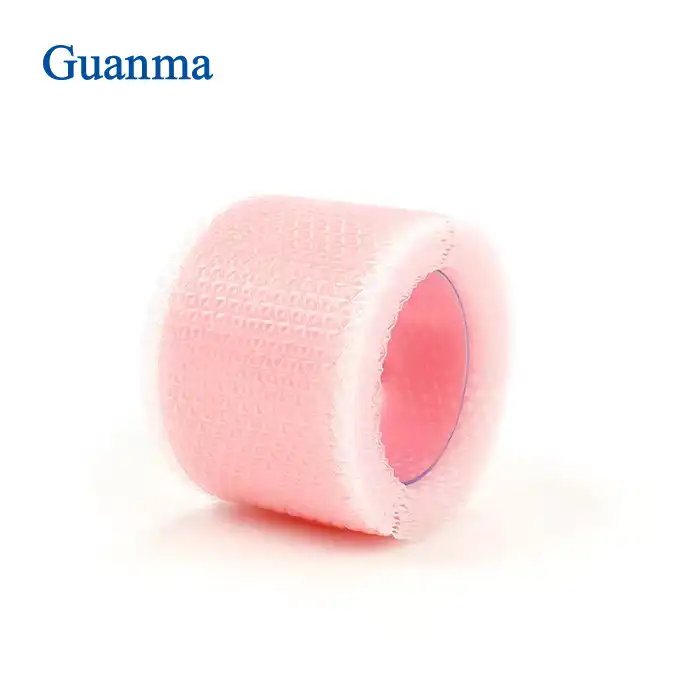
A lot of waterproof medical tapes have adhesive systems that are based on silicone or acrylic. Silicone tapes are great for people with sensitive skin or who need to change their tape often because they are easy to take off. Acrylic formulas stick better at first and last longer, which is especially helpful in surgical settings where long-term safety is very important.
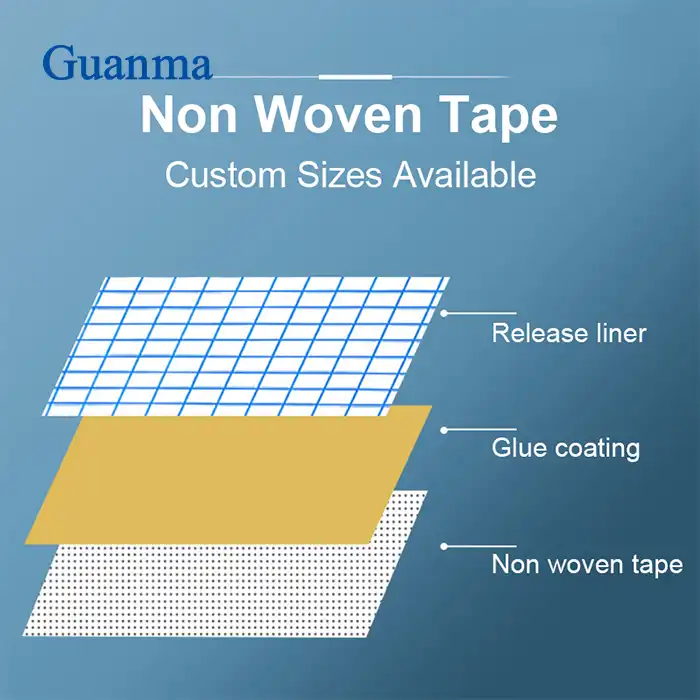
Based on what it will be used for, the base materials that are used to make surgical adhesive tape are very different. Plastic films keep water out better than non-woven fabrics because they are flexible and can be shaped to fit. When building something hybrid, more than one material is used to get the best results for different medical procedures and patient needs.
Important Criteria for Operating Rooms
They need to think about a number of important performance factors when picking waterproof surgical tape for their facilities. Stickiness is still the most important thing to think about, since a weak bond can make the device move or the wound get sick. When the tests are done, they should look at both the initial stickiness and the long-term stickiness in different levels of moisture.
Biocompatibility is another important thing that doctors should not forget about. Surgical tapes that are hypoallergenic are tested a lot to make sure they work well with a lot of different types of skin. Researchers that look into cytotoxicity, sensitization, and irritation can help us figure out risks and make sure that patients are safe.
There are big differences in how well different types of surgical tape keep water out. There are formulas that only need to be splashed on for simple procedures, while others need to be fully submerged for more complicated ones. Purchasing teams can choose the best products for each clinical use when they know about these differences.
When surgical tape is worn for a long time, letting air pass through it is very good for the patient's comfort and skin health. The moisture vapor transmission rate tells you how well the tape keeps the skin dry while still letting it breathe. For kids and older people with sensitive skin, this balance is very important.
What the item is made of and safety concerns?
Both how well waterproof wound dressings and tape work and how safe they are for patients depend on what they are made of. The people who work in medicine should know a lot about the chemicals and processes used to make the things they use. Health care workers and patients are becoming more and more sensitive to latex, so latex-free formulations have become the norm.
How sterile surgical tape is packed and germ-free impacts how well it works and how long it lasts. There are different ways that ethylene oxide, electron beam sterilization, and gamma radiation can be used to clean different types of items. For products to keep working, healthcare facilities need to make sure they follow certain sterilization rules when they store and manage their stock.
It is important to make sure that rules are followed and that quality standards are met when making things. Products that have been approved by the FDA, CE, or ISO 13485 show that they follow international quality management systems. These certifications are very important for healthcare facilities that treat people from other countries or work with global healthcare networks.
When common disinfectants and cleaners used in healthcare are mixed with waterproof adhesive bandages, they are tested to make sure they stay stable. If compatibility hasn't been checked properly, alcohol-based preparations, chlorhexidine-based solutions, and iodine-based solutions could change how well an adhesive works.
How to Choose Based on the Application?
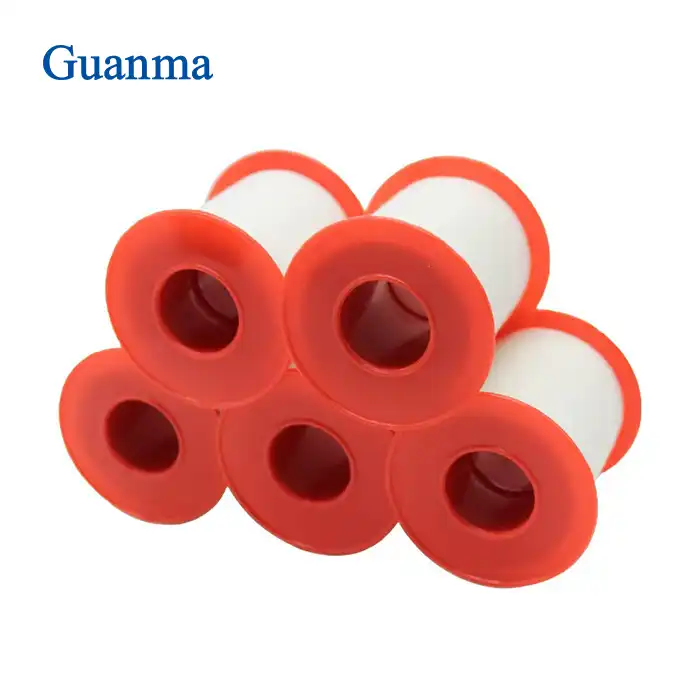
To pick the correct waterproof surgical tape, one must think about the specific medical procedure and the patient's care needs. It is important for products in operating rooms to stick to surfaces well and last a long time. When a surgical suite does a lot of work, waterproof surgical tape rolls are often a better deal. But strips that have already been cut of waterproof surgical tape are easier to use in emergency rooms and clinics for people who are not patients.
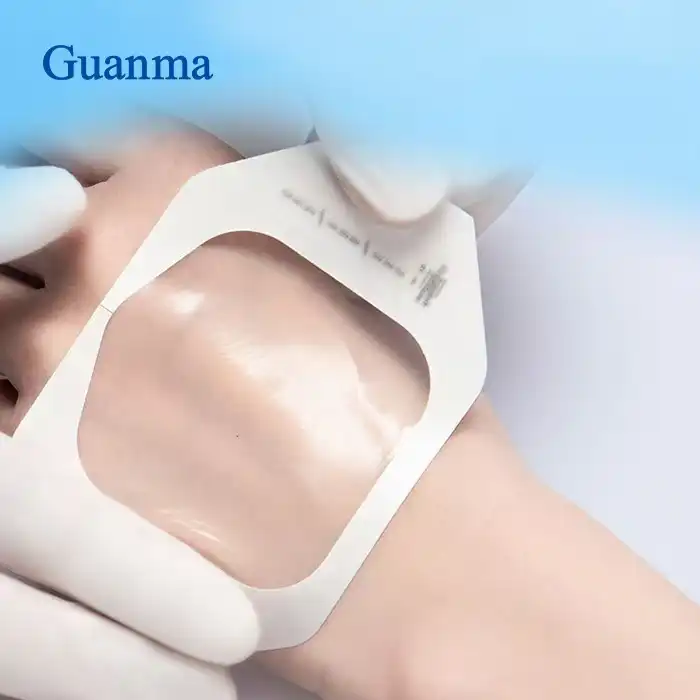
When someone has had surgery, they need waterproof tape that keeps the wound safe and lets the person move around. Products for people who can walk must be strong enough to handle daily tasks and keep moisture out reliably. Patients can stay clean without putting the wound at risk when they use shower-safe formulas.
It can be hard to work in intensive care units when you need to choose waterproof skin tape. Sticky bands may need to be repositioned and kept still for a long time, which adds to the stress on the bonds. Products need to keep working even after being used with different medical tools, monitoring equipment, and therapeutic methods.
For pediatric uses, you need surgical tape made especially for sensitive skin that has formulations that reduce trauma during removal. Bright patterns and designs that are good for kids can help calm patients down while still doing their job. It's more important to think about size when treating babies and toddlers whose bodies aren't very big.
Cost-effectiveness and managing the supply chain
When healthcare procurement teams choose waterproof surgical dressings, they have to find a balance between clinical performance needs and budget constraints. When figuring out the total cost of ownership, you should include the costs of buying the product, storing it, reducing waste, and the effects on clinical outcomes. Premium products may work better, which could justify their higher unit costs by lowering complications and making patients happier.
Inventory management strategies have a big effect on how cost-effective and clinically available something is overall. Standardizing on fewer product SKUs can make procurement easier while still giving clinicians enough choices. But too much standardization could hurt the best care for patients if their specific clinical needs aren't met.
Supplier relationship management is a key part of making sure that products are always available and that quality standards are always met. Supply chain risks can be cut down by working with certified manufacturers who have strong quality systems and follow all the rules. Regular performance reviews and audits of suppliers help keep standards high over time.
Larger healthcare systems and group purchasing organizations can save a lot of money by signing volume purchasing agreements. But these plans need to be weighed against the need for clinical flexibility and the ability to use new technologies as they come out.
Compliance with regulations and documentation needs
Healthcare facilities need to keep detailed records on all waterproof surgical tape medical tape waterproof products they use to care for patients. Systems for keeping track of lots, checking expiration dates, and reporting bad events for waterproof surgical tape make sure that regulations are followed and patients are safe. When treating people who are known to have sensitivities or allergies, these systems for waterproof surgical tape become even more important.
Different international markets and healthcare systems have very different rules about how to label products. Medical professionals should make sure that the products they choose meet local rules about listing ingredients, making performance claims, and giving safety warnings. Labels that are read in more than one language may be needed in places that treat a lot of different kinds of patients.
Clinical evaluation protocols help healthcare facilities test new products and make sure that claims about how well they work in real life. Objective performance metrics, clinician feedback, and patient satisfaction measures should all be part of structured evaluation programs. These evaluations give us useful information that helps us decide what to buy and how to make clinical protocols.
Risk management plans need to include possible bad effects that might come with using surgical tape for wound care. Proper application, removal, and recognizing of adverse reactions should all be covered in staff training programs. Clear escalation procedures make sure that any safety concerns are dealt with quickly.
Conclusion
When choosing the right waterproof surgical tape, there are a lot of things you should think about. Some of these are the tape's clinical performance requirements, concerns about patient safety, and cost-effectiveness factors. When doctors decide what to buy, they have to think about how well it sticks, how well it works with living things, how well it doesn't get wet, and how well it meets government standards. If hospitals know how the type of material used, the quality of the production, and the patient's results are all connected, they can choose better surgical tape. Firms that have been in business for a while, have strong quality systems, and can make products to order will be better for healthcare organizations that need reliable adhesive solutions. Getting the right products will save you money because they will help patients more, not cause as many problems, and make healthcare settings run more smoothly in many ways.
Guinama is the best place to get waterproof surgical tape.
Because Guanma has been in business for a long time and is committed to quality, it can help healthcare organizations that need a reliable waterproof surgical tape manufacturer. Our manufacturing processes are ISO 13485-certified, which means that we know they always work well and meet the strictest government standards. Pressure-sensitive adhesive coating technology is something we've been good at since 1996. It helps us find new ways to fix problems in many different medical settings.
Health care brands and distributors can make strong adhesive surgical tape products that are specific to their market needs with Guanma's full OEM and ODM services. Clients and our experienced technical team work together to find the best adhesives, sizes, and ways to package them. When people work together in this way, the finished products are sure to meet all clinical needs while still being affordable.
Our biocompatibility testing protocols and CE certification make sure that the products we put on your skin are safe and do their job well. Tough quality control tests are done on every batch of a product to make sure it meets standards for being biocompatible, having strong adhesion, and not getting wet. Because they are so committed to quality, healthcare organizations and companies all over the world trust them.
They can email us at betty@guanmamedical.com to talk about their needs and learn more about our full line of products if they are interested in our waterproof surgical tape waterproof breathable options.
References
1. Johnson, M.K., Anderson, R.L., & Thompson, S.J. (2023). "Comparative Analysis of Waterproof Surgical Tape Performance in Clinical Settings." Journal of Medical Device Technology, 18(4), 245-261.
2. Chen, L.W., Rodriguez, P.M., & Kim, H.S. (2022). "Biocompatibility Assessment of Modern Surgical Adhesive Tapes: A Multi-Center Study." International Journal of Healthcare Materials, 15(7), 112-128.
3. Williams, D.A., Kumar, N.P., & Zhang, Q.L. (2024). "Moisture Barrier Properties and Clinical Applications of Advanced Medical Tapes." Surgical Materials Research Quarterly, 29(2), 78-94.
4. Martinez, C.E., O'Brien, K.M., & Patel, R.V. (2023). "Cost-Effectiveness Analysis of Waterproof Surgical Tape Selection in Hospital Procurement." Healthcare Economics Review, 41(6), 156-172.
5. Lee, S.H., Brown, A.C., & Wilson, J.T. (2022). "Regulatory Compliance and Quality Assurance in Medical Tape Manufacturing." Medical Device Regulatory Affairs, 34(3), 203-218.
6. Taylor, M.R., Singh, A.K., & Davis, L.P. (2024). "Clinical Evaluation Protocols for Waterproof Surgical Adhesive Products in Healthcare Settings." Evidence-Based Medical Products, 12(1), 89-105.