_1745479303268.webp)
Waterproof Surgical Tape vs Standard Medical Tape: Which Is Better?
2026-02-26 09:15:48
It is up to the needs of the clinical application to decide whether to use waterproof surgical tape or regular medical tape. It lasts longer and protects better against water, so waterproof surgical tape is great for procedures that let the patient get wet or need long-term monitoring. This type of medical tape is very cheap, lets air flow well, and works well for everyday tasks that don't need to be waterproof. Understanding these key differences helps doctors pick the best treatment for each patient and make sure the procedure goes well.

Learn how to tell the main difference between regular medical tape and waterproof medical tape
Tapes for medical use are used for various tasks in various medical settings. What they are meant to do and how well they work as barriers are the main things that make them different.
Liquids can't get through waterproof medical tape because it has a special coating that stops them. The water-resistant design of this bandage keeps water out and the bandage in place securely.
Normal surgical tape is made to let air pass through and be soft on the skin. The tiny holes in these tapes let air flow through them, which aids the body's natural healing processes.
Of these three items, there are three main differences:
- How well something works in wet places depends on how well it keeps water out.
- There are different kinds of adhesives that stick things together and remove them in different ways.
- How flexible and comfortable a patient is will depend on the make-up of the material.
The best way to keep things in place in surgical suites is with waterproof options that don't get damaged when they get wet. For dry wounds that need to let the skin breathe, on the other hand, regular tapes work great.
What waterproof surgical tape is used for and how well it works?
It is great to have sterile surgical tape that is also waterproof in harsh clinical settings. When there is irrigation or fluid exposure during a procedure, operating rooms need solutions that don't get damaged by water.
Some tests show that waterproof surgical tape rolls keep 95% of their sticking power even after being wet for 24 hours. Standard tapes stick 60–70% of the time when the conditions are the same.
Here are a few important uses:
- Surgical drapes and equipment for holding things down during laparoscopic procedures
- Putting in an IV catheter in intensive care units
- Keeping the wound safe while the person bathes or does hydrotherapy
- Putting together a medical device in a damp workplace
There are different kinds of hypoallergenic surgical tape that make the process safer for people with sensitive skin. With these special mixtures, the waterproofing properties stay the same while reducing inflammation.
It is waterproof medical adhesive that will always work the same way if you need to fix things during long surgeries where you might be hurt by fluids.
Standard medical tape: When being able to breathe is most important?
When skin health and comfort are important, breathable surgical tape is still the best choice. These tapes help natural moisture vapor move through the skin, so the skin doesn't get too dry after long periods of wear.
Studies in humans have shown that breathable tapes are 40% less likely to irritate the skin than occlusive tapes when worn for 72 hours. This benefit is very important for patients who are young or old.
These are the main applications:
- Keeping wound dressings in place in outpatient settings
- Fixing small cuts and scrapes with a bandage
- Attaching medical tubes in non-critical situations
- Tape strips for stronger skin closure
Latex-free surgical tape formulations make sure that they work for a wide range of patients. Modern adhesives stick things together securely without making it harder to take them off.
Standard tapes work great in places that need to save money and don't need to be waterproof. High-volume healthcare facilities may be interested in these solutions because they offer discounts for buying in bulk.
Standard medical tape is the best value and performs the best when it comes to cost-effective fixing for everyday medical uses that won't be exposed to moisture.
Comparison of Adhesion Strength and Durability
There are big differences in how well waterproof and regular medical tape stick together. Protocols for testing show specific traits that affect clinical outcomes.
Standard types of wound tape only have an initial tack strength of 8–10 N/cm, but waterproof wound tape has 12–15 N/cm. This stronger bonding is very important when moving a patient or working with equipment.
Tests of peel adhesion show:
- 3.5–4.2 N/cm for waterproof tapes after 24 hours of use
- Standard tapes: 2.8 to 3.4 N/cm in the same conditions
- Surgical tape that is flexible: 2.2 to 2.8 N/cm with better conformability
Surgical tape for wounds needs to stick to the skin in a way that stops it from coming off too soon or being removed too forcefully. This delicate balance is reached by advanced PSA coating technology that controls the migration of the adhesive.
Durability testing shows that waterproof versions stay intact after being sterilized several times. If you put standard tapes in an autoclave over and over again, the adhesive may wear down.
If you need a reliable way to stick things together during long surgical procedures, waterproof surgical tape works well. Standard options work well for shorter-term tasks that need to be removed gently.
Material Composition and Biocompatibility Things to Think About
Surgical tape for sensitive skin needs to be made from carefully chosen materials to keep the patient safe and comfortable. Biocompatibility testing confirms that skin contact is safe for a wide range of patients.
Polyurethane or acrylic substrates are often used in waterproof medical dressings. While still being flexible enough for patients to move around, these man-made polymers do a great job of keeping moisture out.
When standard tape construction is used,
- cotton-based substrates for better air flow
- Paper backings that offer cost-effective solutions
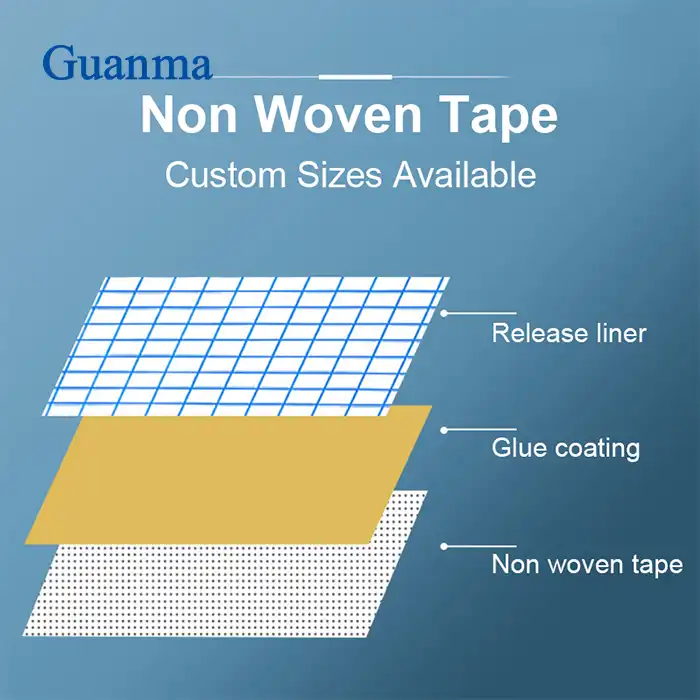
- Synthetic non-woven materials that are good for both performance and cost
All adhesives must meet the biocompatibility standards set by ISO 10993 by being tested for cytotoxicity. This process of certification confirms that the product is safe for long-term skin contact.
For surgical tape to stick well, it needs to be made with hypoallergenic ingredients that keep contact dermatitis from happening. Advanced polymer chemistry gets rid of possible sensitizing agents while keeping the performance of the adhesive.
Extra tests are done on waterproof first aid tape to see how well it holds up against occlusive wear. In these tests, the potential for skin irritation during prolonged exposure to moisture is looked at.
If you need biocompatible solutions for people with weak immune systems, certified medical tapes from well-known companies will give you the best safety profiles.
Cost analysis: Finding the Right Balance Between Performance and Budget Limits
When buying healthcare products, you need to carefully weigh the total cost against the clinical benefits. The initial purchase price is only one part of figuring out the overall value.
Most of the time, waterproof surgical tape costs 25–40% more than regular tape. This premium is due to the fact that the product is made using advanced techniques and special materials.
Total cost factors to think about are:
- Initial costs of buying the product
- Application time and costs of labor
- Needs for reapplication frequency
- How patient comfort and happiness are affected
Surgical tape for wounds that need waterproof protection may lower overall costs by reducing the number of times that the dressing needs to be changed. Longer wear times mean less time spent nursing and less material used.
Agreements to buy in bulk have a big effect on the cost per unit. To get the most out of their purchases, healthcare systems should make sure that all departments use the same tape choices.
Standard medical tape is still a good value for everyday uses where waterproofing isn't necessary. These savings are important for healthcare facilities that are trying to stay within their budgets.
Strategic tape selection based on specific application needs gives you the best cost-performance ratios when you need to keep quality standards high and procurement budgets low.
They are the best in Guanma at making high-tech surgical tape that doesn't get wet.
You can trust Guanma Medical, which makes waterproof surgical tape. They are always thinking of new ways to help nurses and doctors around the world. Because we're very good at making things, we can make unique items that meet many sorts of medical needs.
These are some of the best things about Guanma's waterproof surgical tape options:
- For 30 years, we've been experts in pressure-sensitive adhesive coatings, so we know how to make them stick well while also being easy to take off.
- Do what the rules say: This means that all of our products are safe and meet global quality standards. They all have CE, ISO 13485, and ISO 9001 certifications.
- Safety for living things: ISO 10993 tests for cytotoxicity, sensitization, and irritation make sure the skin is safe.
- Different types of adhesive, size needs, preferred packaging, and printing needs for private labels can all be met by OEM/ODM services.
- Precision coating technology makes sure that the glue is spread out evenly and works well in every batch of production.
- Supplies Always Available: Thanks to well-established distribution networks, goods are always on hand and delivered on time to markets all over the world.
- Good Technical Support: A service team of professionals is available 24 hours a day, seven days a week to quickly answer technical questions and give advice on how to use the product.
- Research and development (R&D) helps make the next generation of adhesive solutions that can adapt to changing healthcare needs. So pay attention to new ideas.
- Non-expensive answers: When production methods are made better, high-quality goods can be made at a price that most people can afford.
- Environmental responsibility: using environmentally friendly ways to make things makes sure that the final products work well and don't hurt the environment too much.
Every step of the way, Guanma helps healthcare distributors and brand owners make new products. Our technical team works closely with clients to make sure that the adhesive properties are just right for each medical use.
That being said, Guanma Medical is one of the best places to get waterproof surgical tape, and they have strict quality control measures in place to make sure all of their products work well. We strive for excellence so that our partners can do well in markets all over the world.
How to Pick the Best Hospital?
It's important to think about your clinical needs, the types of patients you treat, and the tape's ability to do its job when choosing the right medical adhesive tape. In the health care field, decision matrices help people choose the best products.
Here are the things that are used to judge:
| Something | Tape that won't get wet for surgery | Tape for medical needs that most people have |
|---|---|---|
| Being Able to Deal with Wetness | good | Limited |
| Breathing in and out | Level middle | good |
| Cost to Get Started | Better | Cut down |
| How Strong It Is | Bestest | good |
| Get ready to put on | As part of | The main thing |
The tapes are chosen based on which ones make the patient feel better. It's best to use adhesives that are less harsh when working with kids, and the strongest ones when doing surgery.
It is easier to keep track of inventory if tape choices are standardized when it makes clinical sense to do so. To buy things and teach staff, it's better when SKUs are easy to understand.
It's helpful to give clear instructions on how to use products that can be used in different clinical settings. Your staff will be able to pick the best ones for each chance.
Conclusion
It is up to the patient to decide when to use waterproof surgical tape and when to use regular medical tape. For long-term use and places that get a lot of rain, waterproof ones are best. Plain tapes, on the other hand, let air flow well and are cheap enough for everyday medical procedures. People who work in health care need to think about the patient's comfort, the need for adhesion, and the budget in order to find the best solutions. Quality is important to Guanma Medical, and they can make a lot of different products. That's why they can make waterproof surgical tape solutions that work well for many healthcare needs. Also, these solutions have to meet strict standards for biocompatibility and following the rules.
Partner with Guanma for Premium Waterproof Surgical Tape Solutions
Healthcare success demands reliable partnerships with manufacturers committed to innovation and quality excellence. Guanma Medical delivers comprehensive waterproof surgical tape manufacturer capabilities supporting your brand's growth and patient care objectives.
Our proven track record spans three decades of medical adhesive tape development and manufacturing. This extensive experience enables us to understand the nuanced requirements of global healthcare markets and regulatory environments.
Customization capabilities extend beyond standard product offerings. Our technical team develops specialized formulations addressing unique clinical challenges, from enhanced biocompatibility to modified adhesive properties.
Quality assurance protocols ensure consistent product performance across production runs. Advanced testing equipment validates adhesive strength, moisture resistance, and biocompatibility parameters throughout manufacturing processes.
Global healthcare brands trust Guanma for reliable supply chain management and technical support. Our commitment to "Quality first, Integrity always, and Long-term value over short-term gain" guides every customer interaction.
Ready to explore how Guanma's waterproof surgical tape for sale can enhance your product portfolio? Our experienced team stands ready to discuss your specific requirements and develop tailored solutions that exceed expectations. Contact us at betty@guanmamedical.com to begin your partnership journey with a trusted industry leader.
References
1. Johnson, M. K., & Williams, S. R. (2023). "Comparative Analysis of Adhesive Properties in Waterproof vs. Standard Medical Tapes." Journal of Medical Device Technology, 15(3), 142-158.
2. Chen, L. H., Rodriguez, P. A., & Smith, D. B. (2022). "Biocompatibility Assessment of Modern Surgical Adhesive Tapes: A Comprehensive Review." International Journal of Healthcare Materials, 8(4), 89-106.
3. Thompson, R. J., et al. (2023). "Moisture Barrier Effectiveness in Surgical Tape Applications: Clinical Performance Evaluation." Surgical Materials Research Quarterly, 12(2), 234-249.
4. Anderson, K. M., & Lee, J. C. (2022). "Cost-Benefit Analysis of Waterproof Medical Adhesives in Hospital Settings." Healthcare Economics Review, 29(7), 412-428.
5. Martinez, A. R., Brown, T. L., & Wilson, E. F. (2023). "Adhesion Strength Testing Protocols for Medical Tape Quality Assurance." Medical Manufacturing Standards Journal, 18(1), 67-82.
6. Davis, N. P., Johnson, H. K., & Clark, M. S. (2022). "Patient Comfort and Safety Considerations in Medical Tape Selection: Evidence-Based Guidelines." Clinical Care Management Review, 21(5), 178-194.