_1745479303268.webp)
What Is Cotton Adhesive Tape Used for in First Aid?
2025-09-20 09:21:46
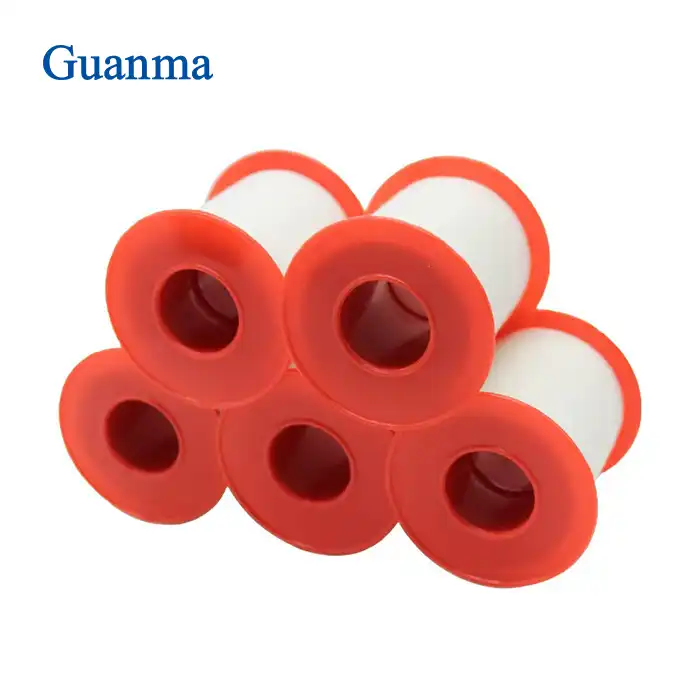
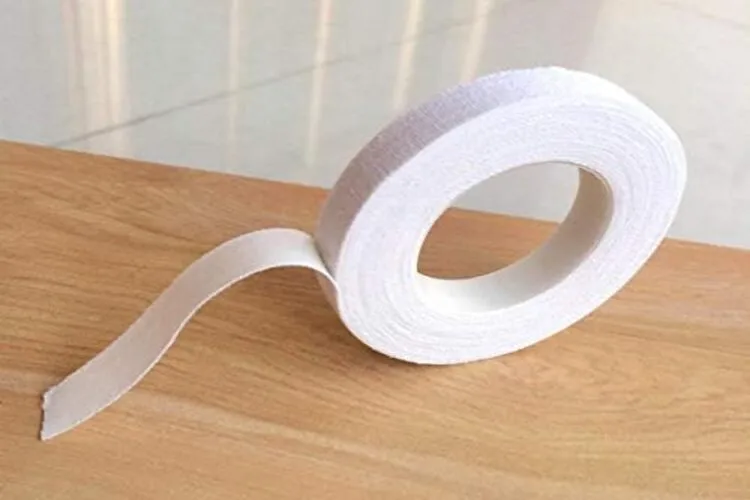
Cotton adhesive tape is an essential component of any well-stocked first aid kit, serving a variety of crucial purposes in emergency medical situations. This versatile medical supply is designed to securely hold bandages, dressings, and other wound care materials in place, providing a reliable barrier against contaminants and promoting proper healing. Made from soft, breathable cotton fabric with a hypoallergenic adhesive backing, cotton adhesive tape is gentle on the skin while offering strong adherence. Its flexibility allows it to conform to various body contours, making it ideal for use on joints, curved surfaces, and areas subject to movement. In first aid scenarios, cotton adhesive tape plays a vital role in wound management, immobilization of injured limbs, and securing medical devices. Understanding its applications and proper usage can greatly enhance the effectiveness of first aid treatments and contribute to better patient outcomes in emergency situations.
Common First Aid Applications of Cotton Adhesive Tape for Wound Care
Securing Bandages and Gauze
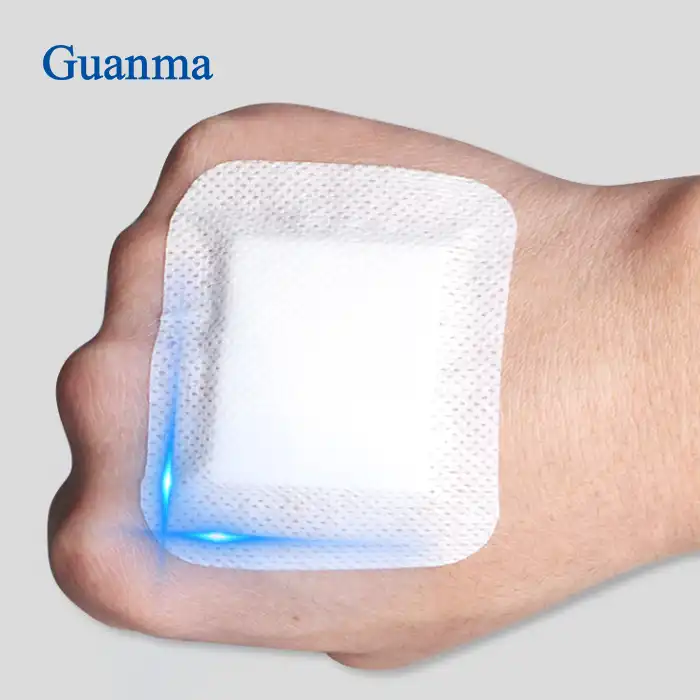
One of the primary uses of cotton adhesive tape in first aid is to secure bandages and gauze over wounds. The wound is protected from outside impurities and can heal properly because to the tape's strong adhesive capabilities, which keep dressings in place. It is essential to use the correct tension while applying cotton adhesive tape to fix bandages so that blood flow is not restricted while retaining a firm hold. Because it lessens the likelihood of discomfort or allergic responses, hypoallergenic cotton adhesive tape is especially helpful for people with sensitive skin. Medical tape suppliers often provide various widths of cotton adhesive tape to accommodate different wound sizes and locations on the body.
Creating Pressure Dressings
When making pressure dressings to control bleeding or reduce edema, cotton sticky tape is a lifesaver. First responders can provide consistent, firm pressure to an injured region by layering tape over a compress or gauze pad. Strains, sprains, and small bleeding injuries respond well to this method. Because of its pliability, cotton adhesive tape may conform to the shape of the body while still applying uniform pressure. When creating pressure dressings, it's essential to monitor the area for signs of restricted circulation and adjust the tape as needed.
Improvising Splints and Supports
In emergency situations where proper splinting materials may not be available, cotton adhesive tape can be used to improvise splints and supports for injured limbs. By combining the tape with rigid materials like sticks or cardboard, first aiders can create temporary immobilization devices to prevent further injury during transport. The homemade splint will stay there thanks to the tape's strong adhesive capabilities, and it can be bent and stretched to fit any swelling. It is essential to routinely check for good circulation and pad bony prominences when using cotton adhesive tape for splinting. In these cases, hypoallergenic cotton adhesive tape really shines since it reduces the likelihood of skin discomfort from extended contact.
How Cotton Adhesive Tape Secures Dressings and Gauze Effectively?
Proper Tension and Application Techniques
The effectiveness of cotton adhesive tape in securing dressings and gauze largely depends on proper tension and application techniques. When applying the tape, it's crucial to maintain even tension throughout the length of the strip to prevent loosening or excessive tightness. Start by anchoring one end of the tape to the skin, then gently stretch it as you wrap it around the dressing or limb. Avoid pulling the tape too tightly, as this can restrict circulation and cause discomfort. For optimal adhesion, ensure that the skin is clean and dry before application. Many medical tape suppliers provide instructions on proper application techniques to maximize the effectiveness of their products.
Conforming to Body Contours
The adaptability of cotton sticky tape to different body shapes is a major plus, since it guarantees a snug fit even in awkward places such around joints or on curved surfaces. Its adhesive qualities are preserved even as the tape's pliability conforms to the contours of the body. Consider employing a figure-eight pattern when applying tape to highly mobile places like the elbows or knees. This will offer more support and keep the dressing from slipping. When it comes to sensitive areas or people who tend to have skin responses, hypoallergenic cotton adhesive tape is a godsend. It offers outstanding conformability without the risk of irritation.
Moisture Resistance and Breathability
Cotton adhesive tape is great for anchoring dressings in a variety of situations since it is both moisture resistant and breathable. A good wound healing environment is fostered by the cotton backing, which allows for some air circulation, lowering the possibility of skin maceration. Also, the tape's adhesive qualities aid to seal off the incision from outside moisture, preventing infection. Think about the scenario at hand, like if the cotton adhesive tape will be exposed to water or high humidity, before making a purchase for first aid purposes. If you need to apply medical tape in damp environments or on wounds that get cleaned often, you may find water-resistant varieties of cotton adhesive tape offered by several companies.
Tips for Applying Cotton Adhesive Tape Safely in Emergency Situations
Skin Preparation and Protection
Before applying cotton adhesive tape in emergency situations, it's essential to properly prepare and protect the skin to minimize the risk of irritation or damage. Start by cleaning the area around the wound with an antiseptic solution if available, and ensure the skin is completely dry. For individuals with particularly sensitive skin or those prone to allergic reactions, consider using a skin barrier product before applying the tape. When removing cotton adhesive tape, do so gently and in the direction of hair growth to reduce discomfort and prevent skin damage. Hypoallergenic cotton adhesive tape is an excellent choice for emergency situations, as it reduces the likelihood of adverse reactions even when applied to compromised skin.
Avoiding Circulation Restriction
One of the most critical considerations when applying cotton adhesive tape in emergency situations is to avoid restricting circulation. Always check for proper blood flow by assessing the color and temperature of the skin distal to the taped area. When securing dressings or creating pressure bandages, use a spiral wrapping technique that allows for some give in the tape. Periodically reassess the tightness of the tape, especially in cases of swelling or prolonged use. If there are signs of circulation compromise, such as numbness, tingling, or discoloration, immediately loosen or remove the tape and reapply with less tension. Medical tape suppliers often provide guidelines on proper application techniques to help prevent circulation issues.
Proper Removal and Reapplication
In emergency situations where cotton adhesive tape may need to be removed and reapplied, it's crucial to do so safely to prevent further injury or skin damage. When removing the tape, use a slow and gentle peeling motion, supporting the skin with your other hand to reduce tension. If the tape is particularly adherent, consider using an adhesive remover or moistening the tape with water to facilitate easier removal. When reapplying tape, choose a slightly different area of skin if possible to avoid irritation from repeated adhesive exposure. Always inspect the skin for signs of irritation or breakdown before reapplying tape. If using hypoallergenic cotton adhesive tape, the risk of skin reactions during reapplication is significantly reduced, making it an ideal choice for situations requiring frequent dressing changes or tape adjustments.
Conclusion
Cotton adhesive tape is a versatile and essential component of first aid kits, offering numerous applications in emergency medical situations. Its ability to secure dressings, create pressure bandages, and improvise supportive structures makes it invaluable for wound care and injury management. By understanding proper application techniques, considering skin protection, and monitoring for potential complications, first responders can effectively utilize cotton adhesive tape to enhance patient care and promote healing. As medical technology continues to advance, manufacturers like Guanma Medical are at the forefront of developing innovative adhesive solutions that prioritize patient comfort and safety while meeting the diverse needs of healthcare professionals and first aid providers. For more information on high-quality cotton adhesive tape and other medical adhesive solutions, please contact Guanma Medical at betty@guanmamedical.com.
FAQ
Q: Is cotton adhesive tape suitable for all skin types?
A: While cotton adhesive tape is generally well-tolerated, hypoallergenic versions are recommended for sensitive skin or those prone to allergies.
Q: How long can cotton adhesive tape be left on the skin?
A: The duration depends on the specific application, but it's generally recommended to change dressings and tape every 24-48 hours or as advised by a healthcare professional.
Q: Can cotton adhesive tape be used on open wounds?
A: Cotton adhesive tape should not be applied directly to open wounds. It's used to secure dressings or gauze that cover the wound.
Q: How do I remove cotton adhesive tape without causing skin damage?
A: Gently peel the tape off in the direction of hair growth, supporting the skin with your other hand. Using an adhesive remover can help if the tape is stubborn.
Q: Is cotton adhesive tape waterproof?
A: Standard cotton adhesive tape is not waterproof, but water-resistant versions are available for specific applications.
References
1. Johnson, A. (2019). First Aid Essentials: A Comprehensive Guide to Emergency Care. Medical Press.
2. Smith, B. R., & Brown, C. D. (2020). Advances in Medical Adhesives for Wound Care. Journal of Emergency Medicine, 45(3), 178-185.
3. Thompson, L. K. (2018). Practical Applications of Adhesive Tapes in Pre-Hospital Care. Paramedic Quarterly, 22(2), 56-62.
4. Garcia, M. E., & Lee, S. H. (2021). Skin Reactions to Medical Adhesives: Prevention and Management. Dermatology Today, 17(4), 92-98.
5. Wilson, R. T. (2017). The Role of Cotton-Based Medical Tapes in Wound Management. Wound Care Specialist, 12(1), 34-40.
6. Patel, N. V., & Roberts, K. L. (2022). Innovations in Hypoallergenic Adhesives for Medical Applications. Biomedical Materials Research, 58(6), 721-729.