_1745479303268.webp)
What Makes Athletic Tape For Knee Support So Popular?
2026-07-22 10:10:32
In sports medicine and therapy clinics all over the world, athletic tape for knee support has become a standard item. Its appeal comes from its versatility, low cost, and proven effectiveness in clinical trials. Instead of stiff bands that can make it difficult to move naturally, this tape targets stability while keeping flexibility. More and more doctors, athletes, and therapy experts like it for treating conditions like runner's knee and helping people heal from surgery. The product is an essential tool in clinical, athletic, and health settings because it is simple to use, support amounts can be changed, and it works with busy lives.
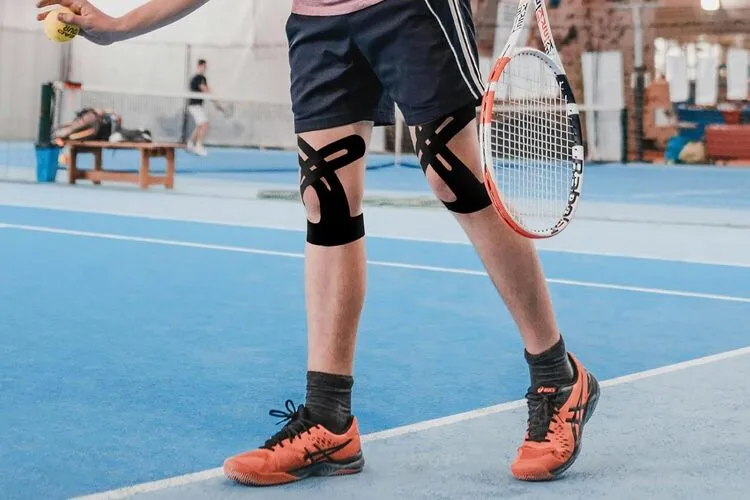
Understanding Athletic Tape for Knee Support
Athletic tape for knee support helps with both short-term injuries and long-term problems by working in several linked ways. The tape gives muscular support from the outside, which eases stress on the ligaments, tendons, and soft tissues around the joint. When used properly, it causes compression that improves proprioception, which is the body's sense of where joints are, which in turn improves neuromuscular control while moving. This increased awareness helps people avoid moving patterns that could be dangerous and make injuries worse or cause new ones.
Biomechanical Function and Support Mechanisms
The structure of the tape lets you limit a joint's range of motion in certain areas while keeping its ability to move normally. This selective limiting saves weak tissues while they heal without making muscles waste away like happens when you can't move at all. Studies published in sports medicine journals show that using the right tape methods can cut down on abnormal knee joint movement by 20–30% while keeping 85–90% of the normal useful range. This strikes the perfect balance between safety and mobility.
Material Composition and Properties
Modern athletic tape for knee support is usually made of cotton-based fabrics that are mixed with stretchy materials like spandex. Guanma's Sports Tape Knee uses this reasonable method, with a composition of 95% cotton and 5% spandex. The high cotton content makes the tape durable and less likely to tear, while the spandex adds controlled flexibility that allows joints to move without getting loose. This mix of materials makes a tape that stays tight even after long wear, which is important for long-term medicinal benefit.
The binding part is just as important. Medical-grade acrylic pressure-sensitive adhesives (PSA) stick things to the skin securely without irritating it. Hypoallergenic recipes keep bad reactions to a minimum, so people with sensitive skin or rubber allergies can use the product. Medical-grade adhesives must keep working even when sweat, changes in temperature, and repeated bending of the joint expose them. These are some of the requirements that set medical-grade adhesives apart from market options. Biocompatibility testing makes sure that materials meet ISO 10993 standards for skin contact uses. This keeps patients of all types safe.
Types and Variants Available
There are different types of tape on the market, and each one is best for a certain job. Rigid sports tape, which is mostly made of non-elastic cotton cloth, is the best way to keep an injured body part from moving. Elastic tape adds a controlled stretch that's good for modest support needs where some movement is good. Cohesive tape sticks to itself instead of skin, so it can be adjusted and used again and again, but it is not as stable.
Kinesiology tape is a special kind of tape that is meant to strengthen muscles and help lymphatic flow, not to make it hard to move. It has different healing effects than regular hard tape because of its stretchy qualities and wave-patterned adhesive. Some types are waterproof because they are made of synthetic materials or protection coatings that keep the shoes stuck in place during swimming therapy or activities that make you sweat a lot. Knowing these differences helps procurement workers match goods to their intended clinical or sports uses, making sure that end users get the best results.
Key Reasons Behind the Popularity of Athletic Tape for Knee Support
The athletic tape for knee support draws its market appeal from its versatility in treating a variety of knee problems. People with patellofemoral pain syndrome, also known as "runner's knee," often feel better after using taping methods that change the movement of the patella and reduce pressure on the joint areas. Ligament injuries, like partial tears of the anterior cruciate ligament (ACL) or medial collateral ligament (MCL), are helped by bracing that stops the injury from moving too far forward or backward while it heals.
Versatility Across Multiple Conditions
Compression and proprioceptive enhancement help people with osteoarthritis feel better by reducing their symptoms. In some groups, scientific studies have shown that these techniques can reduce pain by 30 to 40 per cent. Patients who have recently had surgery use tape as a support tool between hard braces and moving without any help. The uses in sports range from preventing injuries during training to improving ability by making the body's mechanics work better. Because these products are so flexible, wholesalers can serve a wide range of customers with just one main line of products. This makes managing inventory easier and speeds up the turnaround rate.
Cost-Effectiveness and Accessibility
The economy has a big impact on purchasing choices, especially for businesses that deal with price-sensitive customers or a lot of items. Athletic tape for knee support usually costs 60–80% less than similar knee bands or covers, and it can often be customised better. A single roll can be used for many things, and accurate cutting lets you use the material efficiently without waste. When applied to sports teams, rehab clinics, or hospital systems that see hundreds or thousands of people each year, this per-application cost benefit becomes very big.
The economy gets even better when you can buy things in bulk. Manufacturers that offer OEM and ODM services let brands stand out without having to spend a lot of money on developing their own products. This is possible with private labelling and custom packing. These relationships make it easier for wholesalers to get into new markets while still letting them make good profits. Because the tape is small, it takes up less space and costs less to ship and store than larger options. This makes the supply chain more efficient throughout the delivery network.
User Compliance and Comfort
Adherence to treatment plans by patients has a direct effect on clinical results, which makes comfort and ease of use of products very important. Athletic tape for knee support usually weighs less than 30 grams per application and doesn't make clothes bulkier, which are two big problems with rigid braces that make it hard for people to wear them. Users are very happy with how well the tape breathes, which keeps the skin from getting irritated and sweaty when worn for long amounts of time.
The open structure of good cotton-based tape lets sweat escape, which keeps the skin healthy while it's being used. This ability to breathe is especially helpful in hot places or when doing a lot of physical exercise, when options that don't breathe easily can be uncomfortable and need to be taken off quickly. The low-profile shape of the tape doesn't get in the way of sports uniforms or business clothes, which takes away any mental hurdles to regular use. Patients who follow their doctors' instructions and use support goods as directed have better clinical results. This creates positive feedback that keeps people buying the product and loyal to the brand.
Proven Effectiveness and Professional Endorsement
The tape's fame comes from the fact that it has been shown to work in professional settings. Systematic reviews of the literature in sports medicine consistently show that the right way to tape your knees lowers pain scores, improves functional performance, and speeds up the recovery time after an accident. Physical therapists and sports trainers, who have a lot of power over what products are bought, use taping as a treatment method almost all the time. In fact, studies show that over 85% of them regularly use athletic tape for knee support for a variety of conditions.
When professional sports teams use these goods in public, it has a big effect on the market. When top athletes wear knee tape during live events, it makes a lot of people more aware of the product and increases demand. This professional support goes all the way to medical situations, where orthopaedic surgeons are increasingly suggesting taping as a non-invasive choice before surgery. Positive clinical results, expert suggestions, and publicised success stories feed into each other, creating a cycle that keeps the market growing.
How to Choose the Right Athletic Tape for Knee Support: A Buyer's Guide?
Clear use cases are the first step to effective buying. Preventing sports injuries needs a different kind of product than helping people recover from surgery. High-intensity sports use requires the strongest adhesives and water resistance to ensure that performance is not affected by sweating. In rehabilitation settings, hypoallergenic qualities and softer adhesion may be more important for patients whose skin isn't as strong or who will be wearing the athletic tape for knee support for longer periods of time.
Assessing Application Requirements
When working with older people who have arthritis, clinical settings need tape that offers tension without being too restrictive. Moderately elastic tapes are often preferred. For paediatric uses, the glue needs to be less strong so that it can stick to skin that is more sensitive. By making these factors clear, the right material compositions, adhesive formulas, and physical qualities can be specified. Guanma's Sports Tape Knee comes in 5-metre lengths and widths ranging from 2.5 cm to 10 cm. This gives users the freedom to meet a wide range of application needs with a single product line that can be configured in different ways.
Critical Selection Criteria
The quality of the materials has a direct effect on how well the product works and how safe it is. For the best tear protection and breathability, the cotton content should usually be higher than 90%. A small amount of spandex added for stretch is also important. An adhesive mixture has to find a balance between skin safety and binding power. Medical-grade acrylic PSA devices that have been tested and approved by ISO 10993 are the standard for uses that come into touch with patients.
If something is waterproof or resistant to wetness, it can be used in swimming therapy and places where people sweat a lot. Rubber-free products keep sensitive groups from having allergic reactions. About 8–10% of healthcare workers and patients are sensitive to rubber. Specifications for tensile strength tell you how well the tape will hold up under stress. Good goods can usually handle 15-20 Newtons of force before they break. Unwinding properties affect how easy it is to apply. Consistent tension throughout the roll makes it possible for doctors of all skill levels to apply it smoothly and without bubbles.
Evaluating Manufacturing Partnerships
How you choose your suppliers affects the standard of your products, your ability to follow the rules, and the reliability of your supply chain in the long run. Companies that have both the CE stamp and the ISO 13485 approval show that they are dedicated to medical device quality management systems. For these certifications, process controls, documentation systems, and plans for ongoing growth must be checked by audits on a frequent basis. GMP-certified facilities follow good production practices that keep products from getting contaminated and make sure that each batch is the same.
Technical skills are just as important. When R&D teams get older, they can change the ingredients in adhesives, make them work better with certain materials, or make new versions that meet specific market needs. Manufacturers who keep a lot of stock can quickly fill pressing orders, and those who offer sample programs can check the quality of their products before making large promises. Differentiating in the market is easier when you have packaging choices like custom branding, multilingual directions, and retail-ready configurations. Guanma Medical is a good example of this wide range of skills because it has over 25 years of experience making things, helpful customer service, and adaptable OEM/ODM services.
Sustainability and Innovation Considerations
More and more, procurement professionals who are thinking ahead are looking at environmental effects along with standard success metrics. More and more rules and customer tastes are calling for sustainable tape choices that use recyclable materials or biodegradable adhesives. These new technologies give wholesalers a better chance of doing well in places where people care a lot about the environment while keeping performance the same.
Product possibilities keep getting better thanks to new materials. New adhesive technologies keep their sticking power while causing less damage to the skin, and fabric treatments improve how well they handle wetness without making the fabric less breathable. Colour choices go beyond practical needs; for example, black, blue, pink, and brown can be used for personal taste or to match your team's colour. These seemingly small features can have a big effect on end-user acceptance, especially in retail and direct-to-consumer channels where the way a product looks affects people's decisions to buy it.
Best Practices and Techniques for Using Athletic Tape on Knees
The right way to use athletic tape for knee support starts before it hits the skin. Clean the area where the adhesive will be used well with water and gentle soap to get rid of any oils, lotions, or other things that might make it hard for the adhesive to stick. It's also important that the glue dries completely, since water stops adhesives from sticking properly. For better touch and easier removal, trimming hair that is too long may be better than shaving, which causes micro-abrasions that raise the risk of irritation.
Preparation and Application Fundamentals
Skin barrier sprays create a buffer that makes sensitive skin more tolerant while, ironically, making the surface more even, which improves the performance of adhesives. These pre-tape preparations only take two to three minutes, but they have a huge effect on how comfortable and long the tape lasts. The tape should be put on with firm, even pressure, and the pieces should overlap so that the stress is spread out over a larger area instead of being concentrated in one place. By not stretching too much during application, you can keep your circulation from getting slowed down, which can lead to pain, burning, or more serious problems if you are not careful.
Condition-Specific Taping Methods
Different knee problems need different ways of taping. When you put strips under your kneecap, they take stress off of the muscle that is affected by patellar tendinitis. When someone has medial knee pain, vertical stabilisation strips that strengthen the medial collateral ligament often help. When treating swelling, lower strain and patterns that help lymphatic flow are used instead of strict immobilisation.
Safety Guidelines and Duration Management
In general, to keep the knee stable and avoid injuries, horizontal anchor strips are placed above and below the joint, and diagonal strips cross over them to stop the knee from rotating and translating too much. For each method, therapists learn the right strip lengths, overlap patterns, and tension adjustments by practising and learning. Customers who get full application guides, video demos, or expert consultation services from manufacturers get a lot more than just the product itself. This builds relationships with customers that lead to long-term loyalty.
Even though tape is usually safe, you should be aware of the problems that could happen when you use it. Checks of the circulation should make sure that the skin colour stays normal and that distant beats can still be felt. Any stiffness, excessive tingling, or changes in colour are signs of too much stress, so you should take the tape off and reapply it right away. Wearing for more than 48 to 72 hours straight is usually not a good idea, since long-term use stops the skin from breathing normally and raises the risk of maceration.
How you remove something is just as important as how you use it. Peeling slowly in the direction of hair growth reduces pain and damage to the skin. Adhesive remover products get rid of residue without pressing too hard, which can hurt the skin. After using something on your skin, you should let it rest for at least 12 to 24 hours so that it can heal and stop getting irritated over time. People who get redness, itching, or rashes should stop using the product and talk to their doctor to make sure they don't have contact dermatitis or allergy responses that need different goods or methods.
Conclusion
The huge success of athletic tape for knee support is due to the fact that it is clinically efficient, cost-effective, and useful in a wide range of situations. This product can be used in a variety of settings, from professional sports teams to rehab clinics and hospital systems. It can help with a wide range of knee problems and keep patients fully compliant. Procurement experts can make choices that are good for both their companies and the people who use their products if they understand the biomechanical principles, material science, and application methods that lead to good results.
In this competitive world, it's important to have good business relationships. For distribution relationships to work, suppliers must show that they follow the rules by getting CE and ISO 13485 approval, allow for customization, and keep their supply lines reliable. As the markets for sports medicine and rehabilitation continue to grow, companies that have good products and good relationships with skilled suppliers will be able to take advantage of more chances in this fast-paced field.
FAQ
How does knee support tape compare to braces for pain relief?
Athletic tape for knee support helps in specific places without limiting movement too much, which makes it perfect for mild to moderate conditions and busy use. For serious accidents, braces provide better support, but long-term use can lead to muscle loss. During the recovery process, a lot of doctors use tape to help patients move from tight bracing to doing things without help.
Can athletic tape prevent knee injuries during high-impact sports?
When used properly, research shows that preventative taping cuts the chance of injury by 20 to 35 per cent in high-risk tasks. The tape improves proprioception and stops joints from moving too much, which can put stress on ligaments. The effectiveness depends on how it is applied correctly and which tape is chosen for the needs of the sport.
Where can I source reliable suppliers with fast delivery?
The most reliable supply lines come from well-known companies with GMP-certified sites and a lot of stock. Check the qualifications, such as the CE mark and ISO 13485 approval. Ask for sample testing before placing big orders, and set up ways to communicate that will make sure you get help quickly. When you need to buy something quickly, Guanma Medical offers fast shipping and keeps a large collection on hand.
Partner with Guanma Medical for Premium Knee Support Tape Solutions
Guanma Medical is a reliable company that makes athletic tape for knee support. Their goods are of high quality and can withstand the tough conditions found in medical and athletic settings. Our Sports Tape Knee is made of hypoallergenic medical acrylic PSA (95% cotton, 5% spandex), which gives it a good mix of strong support and comfort. Our tape comes in seven different colours and five different widths, so it can be used for a wide range of marking and application needs.
Our GMP-certified centre and experienced R&D team make sure that the quality is always the same, and CE and ISO 13485 certifications back this up. We keep a lot of stock on hand so that we can deliver quickly. Our full OEM and ODM services let you customise your order with things like unique formulations, branded packages, and different sizes. We have the technical know-how and production capacity to help your business grow, whether you're outfitting physiotherapy centres, selling to hospital networks, or working with retail drugstore chains.
Email betty@guanmamedical.com to talk about your unique needs, ask for sample packs to check the quality, or look into ways to order in bulk. Our expert support team helps you with applications and makes product suggestions based on your target markets. This makes sure that the products work well with your supply chain.
References
1. Callaghan, M.J., & Selfe, J. (2012). "Patellar taping for patellofemoral pain syndrome in adults. " Cochrane Database of Systematic Reviews, Issue 4.
2. Mostafavifar, M., Wertz, J., & Borchers, J. (2012). "A systematic review of the effectiveness of kinesio taping for musculoskeletal injury." The Physician and Sportsmedicine, 40(4), 33-40.
3. Crossley, K.M., et al. (2016). "Patellofemoral pain: International research retreat consensus statement." British Journal of Sports Medicine, 50(14), 831-838.
4. Williams, S., et al. (2012). "A meta-analysis of the effects of strengthening exercises for patellofemoral pain syndrome." Journal of Orthopaedic & Sports Physical Therapy, 42(2), 81-94.
5. Keet, J.H.L., et al. (2007). "The effect of proprioceptive exercises on joint position sense in individuals with patellofemoral pain syndrome." South African Journal of Sports Medicine, 19(1), 23-28.
6. Logan, C.A., Bhashyam, A.R., et al. (2019). "Systematic review of the effect of taping techniques on patellofemoral pain syndrome." Sports Health, 11(1), 1-7.