_1745479303268.webp)
What Makes Non Woven Dressing Pad Ideal for Medical Use?
2026-07-16 10:03:36
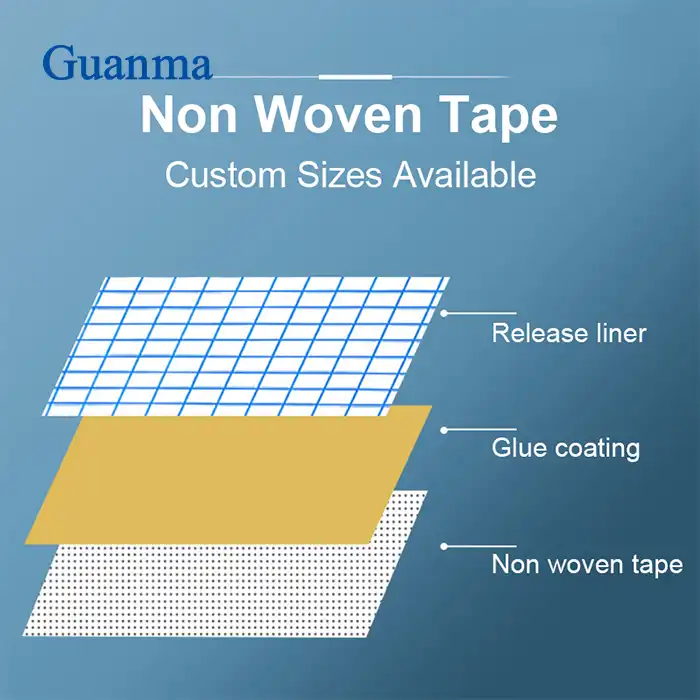
Non-woven dressing pads are unique in medical settings because they are made from modern synthetic fibres and are both very absorbent and breathable. Unlike regular braided gauze, these wound care solutions are made of polypropylene or polyester materials with medical-grade absorbent cores. They effectively remove fluids while keeping the right amount of wetness in the body. Their pressure-sensitive sticky edges keep them in place without hurting the skin when they are taken off. This makes them especially useful in emergency medical situations, after-surgery care, and managing chronic wounds, where patient comfort and preventing infection are critical.
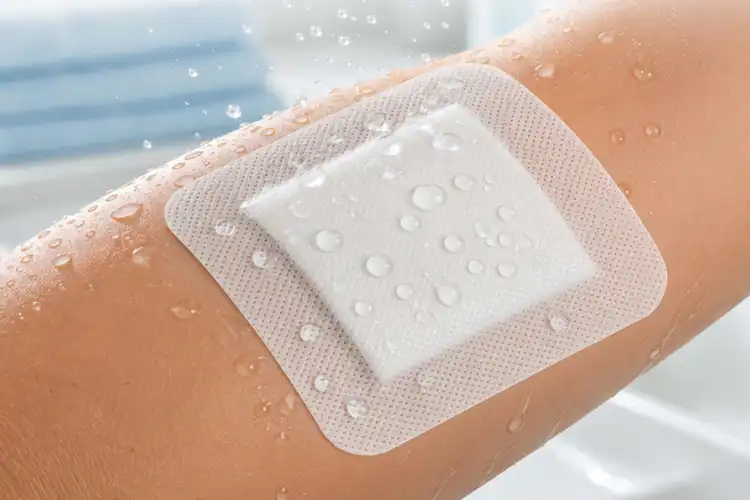
Understanding Non-Woven Dressing Pads: Composition and Features
Today's wound care needs products that are both useful and safe for the patient. The engineering behind these special bandages is a result of decades of progress in medical textile technology. The end result is goods that work better than regular ones in a number of ways.
Synthetic Fibre Engineering
The materials that are used to make wound patches are what make them work. Instead of stitching, polypropylene and polyester threads are bonded together mechanically, thermally, or chemically to make a unique non-woven dressing pad structure. This way of making things makes a surface that is regular, uniform, and has limited porosity. The finished cloth has predictable properties for handling fluids that are needed to handle wound drainage at different levels of intensity. Synthetic fibres don't shed as cotton-based materials do, so there is less chance of foreign bodies getting into the wound bed.
Breathability and Moisture Management
Enough air flow is still very important for wounds to heal properly. The non-woven dressing pad structure allows water vapour to pass through while still providing a good barrier against outside contaminants. This dual purpose backs up the idea that moist wound healing is better than dry healing, which has been proven by clinical study. The open structure makes it easier for air to move across the wound surface, which helps cells burn fuel and heal. In hospital settings, we've seen that the right mix of moisture shortens mending time and makes patients more comfortable while they're recovering.
Sterility and Safety Standards
Before they can get to hospitals, medical-grade wound bandages have to pass strict safety tests. Manufacturers use approved cleaning methods, such as ethylene gas treatment or gamma rays, to get rid of microbes. Biocompatibility testing is done on each production batch according to ISO 10993 standards. This checks for cytotoxicity, sensitivity potential, and skin discomfort profiles. Compliance with foreign quality control systems created just for making medical devices is shown by CE certification and ISO 13485 compliance. These licenses give procurement workers trust in the quality of the products they buy and their ability to follow the rules.
Advantages of Non-Woven Dressing Pads in Medical Applications
Healthcare facilities are always looking for ways to treat wounds that improve patient results and make the facilities run more efficiently. The practical benefits of improved dressing materials go beyond just covering wounds; they also change how quickly wounds heal and how resources are used.
Enhanced Wound Healing Environment
Quality dressings have an absorbent core that handles fluids well without damaging the healthy tissue around it. This feature is especially helpful for taking care of mild to highly draining wounds, where changing the treatment too often would slow down the healing process. Non-woven dressing Pad materials are soft and bendable, so they can fit the shape of the body and follow it as it moves. This keeps the wound in touch without creating pressure points. Compared to treatments that dry out the skin, keeping the right amount of wetness in the skin speeds up epithelialisation and slows down scar formation.
Patient Comfort and Compliance
Patients are much more likely to stick with their treatment when they aren't in too much pain. Non-woven dressing pad fibres have a soft feel, making them less painful to wear because they don't rub against sensitive or damaged skin. Because the surface doesn't stick to the wound, the dressing doesn't stick to the wound bed. This means that the pain and bleeding that come with removing regular bandages are avoided. In paediatric uses and for people with skin conditions that make it easily damaged, this trait becomes very important. Patients are more likely to stick to their treatment plans when the patches are comfortable, which directly affects how well they heal.
Infection Control Advantages
Healthcare facilities often have to deal with hospital-acquired infections, and wound site infections are a major cause of illness and longer hospital stays. Options for sterilised dressings protect right away against bacterial growth and germs in the surroundings. Even though the managed porosity lets moisture vapour escape, it stops bacteria from getting in. This makes it impossible for microbes to grow. Acrylic-based pressure-sensitive adhesives are used in bordered versions to keep the paper in place without trapping moisture at the glue contact, which lowers the risk of infection even more. These anti-infection qualities are used in emergency rooms and surgical units to keep sensitive patients safe.
Real-World Clinical Applications
Protocols for surgical healing gain a lot from wound coverage that works well and doesn't need much attention. Incisions made during surgery heal reliably when they are covered with the right patches, which balance protection with ease of observation. To take care of chronic wounds like diabetic foot ulcers and pressure injuries, you need bandages that can last for a long time without breaking down. Specialised Non-Woven Dressing Pad patches are used in burn treatment centres to protect the wounds from further damage during the first few weeks of healing. As a way to treat athletic injuries where mobility can't be greatly limited, sports medicine pros like the mix of absorbency and flexibility.
How to Choose the Right Nonwoven Dressing Pad for Your Medical Needs?
Healthcare groups' choices about what to buy affect both treatment results and operational costs. In order to choose the right wound care items, you need to carefully compare the technical details with clinical needs and your budget.
Size and Configuration Options
Different types of patients and injuries have wounds that are of very different sizes. To meet this wide range of needs, manufacturers usually offer more than one size option. For small surgical sites, standard sizes include 6cm x 6cm squares, 6cm x 7cm rectangles for minor cuts, and bigger 10cm x 10cm or 10cm x 15cm sizes for large wounds or as extra dressings over main wound contact materials. To find the best product mix, procurement managers should look at how their centre treats wounds. When you buy a lot of sizes that you use a lot, you save money and still have a wide range of options for different uses.
Adhesive Properties and Skin Compatibility
The sticky border design has a big effect on how well the dressing works and how well the patient can tolerate it. Acrylic-based pressure-sensitive glue sticks well to a wide range of skin types and doesn't cause allergic reactions like rubber-based ones do. The strength of the glue must strike a balance between a secure fit and a painless removal, especially for older patients or those whose skin isn't as strong. Hypoallergenic versions lower the chance of sensitisation, which means that more people can be treated. Before making big purchases, testing items on groups of patients who are typical of the whole population can help find any matching problems.
Regulatory Compliance Verification
Depending on where they are sold, different international markets need different government approvals. If a product has a CE mark, it means it meets the requirements of the European Medical Device Regulation. This means it can be sold in all EU member states. Getting ISO 13485 certification shows that you've put in place quality control systems that are meant to help companies that make medical devices. Professionals in charge of buying things should ask for up-to-date certificates and biocompatibility test records that show the results of cytotoxicity, sensitivity, and irritation tests. This paperwork helps the hospital's menu approval process and protects you legally if you have a bad reaction.
OEM Capabilities and Customisation
Manufacturers that offer customisation services are helpful for healthcare groups that have unique operational needs. With private labelling, wholesalers and pharmacy chains can build brand recognition while using existing production know-how. Custom sizing lets you follow special clinical practices that normal product lines don't cover. Specialised coverings with antibacterial silver or hydrogel layers make certain things work better in certain situations. Minimum order amounts depend on the maker and the level of customisation, so it's important to carefully compare the expected usage rates to the costs of keeping inventory.
Optimising Usage and Handling of Non-Woven Dressing Pads
Good wound dressings achieve their practical effects when you apply them correctly. Teaching healthcare workers evidence-based dressing practices improves results and cuts down on waste caused by incorrect use.
Step-by-Step Application Protocol
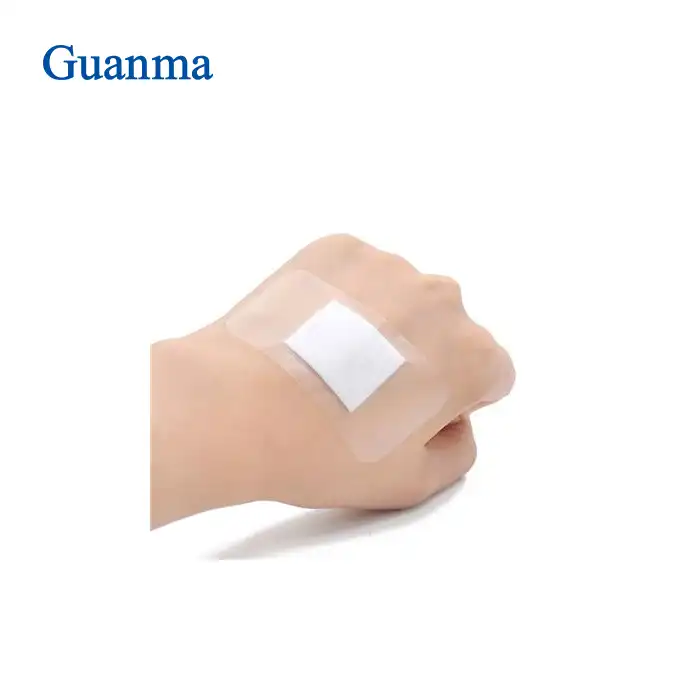
Preparing the wound is the first step in making sure the patch works well. Use the right cleaning solutions to clean the area completely, getting rid of any debris and dead tissue as directed by the facility. Using sterile tissue to gently pat the skin around the area dry, making sure that the adhesive edge will touch clean, dry skin for best adhesion. As directed by the treatment plan, use topical medicines or main wound-contact dressings that were recommended. Place the absorbent pad directly on top of the wound, making sure it covers the whole area and leaves some space around the edges to protect the wound. Put light pressure on the edge of the glue and smooth it out from the middle outward to get rid of any air spaces and make sure there is full contact. If you need to, you can secure it with extra medical tape in places that move a lot or that drain a lot.
Storage Best Practices
Controlled keeping conditions are needed to keep products sterile and materials intact. Keep sauces in their original package until you're ready to use them. This will keep them safe from water, direct sunlight, and changes in temperature. To keep adhesives from breaking down and package seals from being compromised, storage places should keep temperatures between 15°C and 30°C and relative humidity below 80%. Use first-in, first-out inventory movement to make sure that items are used up before the expiration date written on the label. Check storage areas often for signs of pests or water damage that could make them less sterile.
Disposal Considerations
Environmental duty is becoming more and more important in healthcare buying choices. Even though non-woven dressing pad synthetic materials work better in hospital settings, they need to be thrown away carefully because they are made from petroleum. According to local rules, contaminated wound dressings are controlled medical waste that needs to be burnt or autoclaved before they can be thrown away in a dump. Some companies now make biodegradable options that work just as well in the lab and are better for the earth. Facilities that want to be environmentally friendly should compare these choices to standard goods, taking into account both how they affect the environment and their ability to do their job.
Future Trends & Innovations in Nonwoven Dressing Pads
The wound care business is still changing because of new discoveries in materials science and the use of digital health. Learning about new trends helps procurement workers guess what products will be available in the future and plan smart sourcing projects.
Sustainable Material Development
Biodegradable fibres that work like regular synthetics are being studied due to environmental concerns. Polylactic acid (PLA) made from plants that can be grown again and again shows promise as a nonwoven dressing pad medium because it has similar handling qualities but lasts much less time in the environment. Using bamboo or hemp in natural fabric mixes makes them more sustainable while still having good absorbency and barrier qualities. These new ideas are in line with the sustainability goals of businesses and the green purchasing efforts that are becoming more popular in healthcare systems.
Advanced Functional Coatings
Next-generation dressings have active medicine ingredients built right into the structure of the pad. Silver nanoparticle coats keep killing microbes for a long time, which lowers the risk of infection in groups that are more likely to get sick. When hydrocolloid and foam elements are mixed with non-woven dressing pad bases, they make hybrid products that have the flexibility of standard materials and better fluid handling. These technology improvements make it easier to treat wounds that look complicated and need a specific way of managing them.
Smart Dressing Technology
Integrating digital health is the cutting edge of new ideas in wound care. Embedded sensors send information about the temperature, pH, and wetness levels of wounds to platforms that help coordinate care. This real-time tracking feature lets doctors find infections or problems with healing early, so they can take action before the signs show up. At the moment, sensors are only used in study settings and certain situations. But as costs go down and biocompatibility improves, more people may be able to use them within the next ten years.
Conclusion
Choosing the right wound care products has a big effect on how well patients do, how efficiently healthcare organisations run, and how well they handle costs. These bandages are important parts of current wound care routines because they are made of advanced synthetic fibres, absorb fluids well, and are biocompatible. Procurement workers should judge sellers based on how well they follow regulations, how well they can customise products, and how consistently their products have been produced in the past. As the healthcare industry moves toward smarter technology and more eco-friendly materials, staying up-to-date on innovations allows healthcare organisations to adopt useful changes as soon as they can be implemented.
FAQ
How often should dressings be changed?
The amount and type of fluid in the wound determine how often it needs to be changed. Wounds that drain slowly may be able to keep their dressings on for two to three days, but wounds that drain a lot need to be changed every day. To figure out the best time to change a dressing, healthcare professionals should look at how full it is, the state of the skin around it, and how the cut is healing. Do not let dressings get too wet, as this weakens the protective function and raises the risk of infection.
What distinguishes sterilised from non-sterilised options?
Dressings that have been sterilised go through proven processes that kill all living germs. This makes them safe for use on open wounds and in surgery. Versions that aren't cleaned work well for protecting healthy skin or as extra layers on top of sterile ones. When making a purchase choice, you should think about what the product will be used for. Sterile goods cost more but are necessary to keep damaged tissue from getting infections.
Where can I purchase certified products?
Reputable makers keep their legal certifications up to date and provide full product paperwork. Before you agree to a seller, especially if you're buying from another country, make sure they have CE marking, ISO 13485 compliance, and biocompatibility testing.
Partner with a Trusted Nonwoven Dressing Pad Manufacturer
The people at Guanma Medical have been making medical sticky tape and wound care dressings for more than 30 years. Our manufacturing sites are ISO 13485 and CE certified, and they always make high-quality products that have been through a lot of biocompatibility testing. Because we know that procurement workers need creative solutions, we offer full OEM and ODM services, such as custom sizing, private label printing, and unique adhesive formulas. When you ask about specifications, our technical team answers quickly and sends you samples and full product documentation to help you with your evaluation. We offer a reliable supply with clear prices, whether you need standard configurations in 6cm, 7cm, 10cm, or 15cm lengths or custom solutions for special clinical uses. Email our team at betty@guanmamedical.com to discuss your needs and find out how our non-woven dressing pad options can help you offer more wound care products.
References
1. Winter, G.D. "Formation of the Scab and the Rate of Epithelization of Superficial Wounds in the Skin of the Young Domestic Pig." Journal of Wound Care, vol. 34, no. 4, 1962, pp. 647-658.
2. Thomas, S. "A structured approach to the selection of dressings." World Wide Wounds, Medical Communications UK Ltd, 1997.
3. International Organization for Standardisation. "ISO 13485:2016 Medical devices – Quality management systems – Requirements for regulatory purposes. "Geneva, Switzerland, 2016.
4. Vowden, K. and Vowden, P. "Wound dressings: principles and practice." Surgery (Oxford), vol. 35, no. 9, 2017, pp. 489-494.
5. Boateng, J.S., et al. "Wound Healing Dressings and Drug Delivery Systems: A Review." Journal of Pharmaceutical Sciences, vol. 97, no. 8, 2008, pp. 2892-2923.
6. Queen, D., et al. "The preclinical evaluation of the water vapour transmission rate through burn wound dressings." Biomaterials, vol. 8, no. 5, 1987, pp. 367-371.