_1745479303268.webp)
What Materials Are Used in Cohesive Elastic Bandage Fabrication?
2026-01-30 09:57:43
The unique ability of cohesive elastic bandage to stick to itself without using traditional glue is made possible by a complex mix of materials. These are the main materials: cotton or polyester fabric bases for comfort and breathability; spandex or rubber stretchy fibers for stretch recovery; polymer-based adhesive agents for self-adhesion; and different additives like antibacterial treatments and colorants. Because these materials were carefully chosen, they work well together to make medical-grade items that meet strict industry standards for use in wound care and compression treatment.
Introduction to Cohesive Elastic Bandages
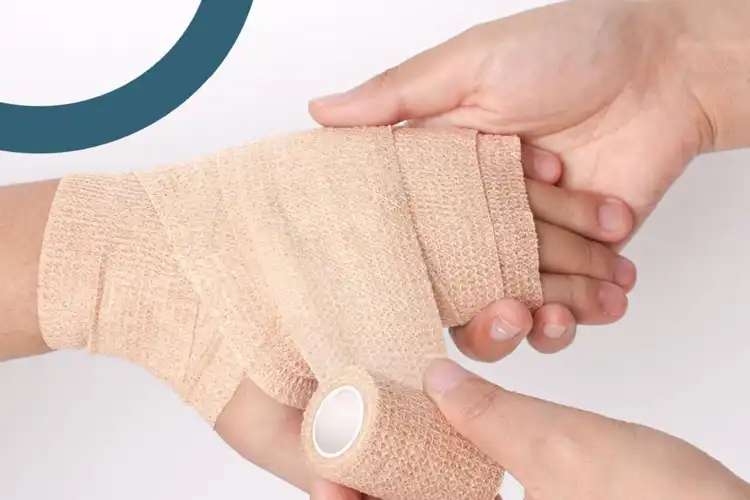
As a big step forward in medical cloth technology, cohesive elastic dressings combine stretchiness with the ability to stick to itself, so you don't need clips, pins, or regular glues. These new items offer managed tightness and support while keeping your skin dry and comfortable even after long periods of use.
Understanding the Core Functions
There are more important things that these specialized bandages do than just cover wounds. For managing injuries, they provide gradual support, stabilize joints while they heal, and cover wounds securely without compromising skin integrity. More and more, doctors are using these products because they can treat a wide range of conditions, from minor sports injuries to long-term venous insufficiency. The composition of the material directly affects the performance characteristics that matter most to both doctors and patients. Durability determines how long a product lasts and how much it costs, while breathability affects how comfortable and compliant a patient is. Biocompatibility makes sure that all types of patients are safe, which is why material choice is such an important part of hospital, clinic, and therapy center buying decisions.
Applications Across Medical and Athletic Contexts
Products like these are used in many areas of modern hospitals, from emergency medicine to hip surgery. Athletic doctors rely on their reliable compression to treat serious injuries and keep players from getting hurt again during return-to-play plans. The properties of the material must be able to work in a range of environments, from clean operating rooms to outdoor sports stadiums. It is important for procurement professionals to understand these basic points because they have to compare products to specific clinical needs, regulatory compliance standards, and cohesive elastic bandage constraints while making sure that patients have the best possible outcomes.
Key Materials Used in Cohesive Elastic Bandage Fabrication
The manufacturing process relies on carefully selected materials that each contribute specific properties to the final product. Material science advances continue to improve performance while maintaining safety standards required for medical applications.
Elastic Fiber Components
Spandex fibers are very good at stretching and recovering; they can usually stretch by 100 to 200% and then return to their original size. Because these manufactured elastomers don't break down when they get wet or when they are stretched over and over, they are perfect for medical uses that need to be used again and again. Latex alternatives have become more popular as people in healthcare settings become more aware of latex sensitivity. Natural rubber latex is still used in some situations where its better flexibility and low cost outweigh allergy worries. With today's processing methods, the amount of rubber protein can be lowered to lower the chance of sensitivity. Synthetic rubber compounds work about the same as natural rubber compounds and don't cause latex allergies, but they usually cost more. The amount of elastic fiber directly impacts how much the rubber compresses and how it bends. Products made for high-compression uses may have 15–25% elastic fibers, while products made for light support use 8–15% amounts. With this level of accuracy, producers can make goods that are specifically designed for medical uses and patient pleasure.
Fabric Base Materials
Cotton substrates naturally breathe and soak up sweat, which helps patients stay comfortable during long wear. The structure of the fibers makes tiny air ducts that let moisture vapor pass through while keeping the structure strong when it's under stress. Medical-grade products usually have between 40 and 70% cotton, which is a good balance between comfort and performance needs. Polyester fibers make the products last longer and stay the same size after being used many times. Antimicrobial chemicals can be used on these manufactured strands to stop germs from growing and help colors last longer. Polyester usually makes up 20–50% of the cloth base, but this can change based on the purpose and performance requirements. Cotton-polyester mixes take the best features of both materials and make the worst flaws less noticeable. These materials are a mix of cotton and polyester. Cotton is naturally soft, and polyester is strong and dries quickly. The exact amount impacts how well the material breathes, how well it handles wetness, and how long it lasts overall, so it needs to be carefully thought through when choosing a material.
Cohesive Agents and Polymer Systems
Polymer-based glue systems allow things to stick to themselves without leaving behind any residue on the skin or the equipment. These special chemicals work when pressure and body heat are applied, but they can be removed without hurting or damaging the skin. Acrylic polymers are used in most modern formulations because they are biocompatible and work well at all temperatures. Silicone-based cohesive systems offer gentle bonding that is good for use on sensitive skin. These materials can be moved around and cause little damage when they are taken off, which makes them perfect for both children and older people. Higher material costs are often justified by better patient cooperation and fewer skin problems. New technologies include smart plastics that react to changes in pH or moisture levels, which could show the state of a wound or the best time to remove it. These new materials are the way unified technology will go in the future, but they are still hard to use right now because they need to be approved by regulators and are expensive.
Comparing Materials: Cohesive Elastic Bandage vs. Regular & Adhesive Bandages
Understanding material differences between product categories helps procurement professionals make informed decisions based on specific clinical needs and operational requirements. Each bandage type serves distinct purposes and offers unique advantages in different healthcare scenarios.
Material Composition Differences
Regular stretchy cohesive elastic bandages only use mechanical fastenings like clips or ties and are made of simpler materials that are designed to stretch and heal. These items usually have more springy fibers, but not the complex polymer systems needed for self-adhesion. Adhesive bandages have pressure-sensitive adhesives stuck to one side, which can make lasting ties that may irritate the skin or leave behind residue. Many adhesives have chemicals in them, like zinc oxide, latex, or acrylic, that can make sensitive people sick. Cohesive goods don't have these problems because they have a special polymer structure that only sticks to itself and not to skin or clothes. This basic difference in materials makes the patient safer and more comfortable while still covering and compressing the area securely.
Performance Characteristics
One big benefit of unified materials over standard adhesives is that they let air pass through them. The unique cloth structures and solid polymer systems make it easier for air to flow, which keeps wetness from building up and causing skin problems. This is especially important when the product will be used for a long time or in places with a lot of moisture. Cohesive products are different from single-use glue options because they can be used more than once. Because of how the material is made, it can be used more than once without losing its effectiveness. However, it must be cleaned properly to keep up with cleanliness standards. Total cost of ownership estimates for healthcare facilities are greatly affected by this property. The material's conformability benefits come from its ability to stretch in different directions while keeping constant compression. The combined agents let small changes happen during wear, which makes them better at adapting to changes in the body and how patients move than hard glue systems.
Choosing the Right Material for Your Procurement Needs
Successful procurement requires balancing multiple factors, including clinical performance, regulatory compliance, cost considerations, and supplier reliability. Material selection directly impacts all these variables and ultimately affects patient outcomes and operational efficiency.
Performance Criteria Evaluation
Different uses have very different needs when it comes to elasticity. For active use in sports medicine, you need high stretch ratios and quick healing, but for post-surgery compression, you need controlled, steady pressure with little flexibility. Knowing these differences helps you choose the right material qualities when you're buying something. For example, the adhesion strength needs to be right for the job without making it hard to remove. Heavy-duty products need stronger polymer systems for secure, long-term bonding, while light-duty products may only need a few adhesive agents to make moving easy. Quantifying these needs helps sellers suggest the best formulas. Biocompatibility testing is very important when looking for goods for a wide range of patients. Materials need to show that they are safe for people of all ages, skin types, and levels of sensitivity. Teams in charge of buying things should make sure that the sellers they work with have up-to-date biocompatibility approvals from reputable testing labs.
Regulatory Compliance Considerations
FDA clearance standards change based on the type of product and how it will be used. Class I medical devices don't have as many rules as Class II goods that need 510(k) clearances. Knowing these differences helps buying teams judge the skills of suppliers and make sure that all parts of the supply chain are following the rules. For example, ISO 13485 approval shows that a supplier is dedicated to quality management systems that are specific to making medical devices. This standard includes things like where to get materials, how to control production, and what paperwork is needed to make sure that products are consistent and can be tracked. For European markets, CE marking rules make foreign buying tactics more difficult. As part of the seller qualification process, buying teams should look over suppliers' conformity assessment methods and technical paperwork.
Customization and Private Labeling Options
Material customization lets groups that buy things choose qualities that meet their specific needs. This could include changing the elastic ratios for certain groups of patients, adding custom colors to help departments find each other, or changing the cohesive strength for certain uses. Private labeling lets brands stand out while keeping the cost benefits of traditional manufacturing methods. Suppliers like Guanma offer full customization services that include designing the packaging, specifying the products, and following quality control methods that are unique to each customer's needs. Making a promise to buy in bulk can often unlock more customization options and price benefits. Long-term supply deals give sellers stability in planning their production, while they also give buying teams a way to plan ahead for prices and make sure supplies are available during times of high demand.
Practical Tips for Applying and Maintaining Cohesive Elastic Bandages
Proper application techniques maximize the benefits of advanced materials while ensuring patient safety and product performance. Material properties influence optimal use protocols that healthcare providers and patients must understand for successful outcomes.
Application Best Practices
Preparing the skin before application changes how well it sticks and how comfortable the patient is. When skin is clean and dry, cohesive agents work best. Moisturizers and oils, on the other hand, can make bonding less effective. Figuring out how these materials interact with each other helps set up rules that make sure the same results every time. The wrapping force has to match the material requirements and the clinical goals. Overstretching can damage the tissue's ability to stretch and stick together, and understretching doesn't help with healing. Tension levels should be listed in training tools for different types of materials and patient situations. Overlap patterns affect how well a product works generally and how long it lasts. For best bonding, cohesive materials usually need 50% overlap, but exact needs depend on the polymer system and the amount of stress that is wanted. For material performance potential to be realized, proper skill training is needed.
Maintenance and Care Protocols
The way things are washed has to protect their qualities while also meeting cleanliness standards. Harsh cleansers and hot water can both hurt stretchy fibers, adhesive agents, and the cohesive elastic bandage, and they may break down too quickly. Setting up the right care instructions for a product extends its life and keeps its performance consistent. The way it is dried has a big effect on its quality. High heat hurts rubber parts and can change how well things stick together within the cohesive elastic bandage, and not drying things enough lets bacteria grow. When you buy a product, it should come with care directions to make sure it works at its best throughout its use cycle. How the material, like the cohesive elastic bandage, is stored affects its security and shelf life. Extreme temperatures, changes in humidity, and light can damage things before they are used. Purchasing teams should set up rules for keeping that protect investments in materials and make sure the quality of products, such as the cohesive elastic bandage, when they're needed.
Guanma Medical: Your Trusted Partner for Advanced Medical Materials
Guanma Medical brings over 25 years of expertise in medical adhesive technology and wound care solutions to the global healthcare market. Our specialized knowledge in pressure-sensitive adhesive coating technology enables us to develop superior cohesive elastic bandages that meet the demanding requirements of modern healthcare applications.
Manufacturing Excellence and Quality Assurance
Through the whole process of production, our state-of-the-art factories follow strict quality control standards. Each batch goes through a lot of tests to make sure the uniformity of the material, the performance of the glue, and biocompatibility. We have international certifications like CE, ISO 13485, and ISO 9001, which show that we are dedicated to quality and following the rules. The precise coating technology we use gives us full control over the adhesive's thickness and distribution, which means that products perform the same way across large production runs. Our quality management system includes finding materials, keeping an eye on production, and checking the finished product. This technological advantage makes sure that purchasing teams always get products that meet specifications. This lowers quality variations that can affect patient care and the efficiency of operations. Biocompatibility tests are done on each continuous stretchy bandage to make sure it is safe for long-term skin contact. This all-around method gives people who work in buying faith in the safety and performance of the products they buy.
Comprehensive OEM and ODM Services
Guanma Medical can make any kind of tight stretchy bandage, with options for changing the glue formula, changing the size, coming up with custom packing solutions, and printing under your own brand. Our experienced technical team works closely with customers to make sure that the goods they buy meet the needs of the market and government regulations. Our OEM services help brand owners and resellers add high-quality unified bandages to their product lines. We offer variable output quantities and lead times to meet the needs of a changing market while keeping quality standards high. Custom packaging choices include clean individual wrapping, bulk packing for institutional use, and retail-ready cases for drugstore delivery. Our ODM skills let customers use our knowledge to create new goods that meet the needs of new markets. Our research and development team is always looking for new ways to use materials and make things in order to make products work better and help patients. This joint method helps customers stay ahead of the competition in healthcare markets that are changing quickly.
Conclusion
A complex mix of fiber science, polymer chemistry, and medical device engineering goes into making the materials used to make cohesive elastic bandages. When procurement workers know about these important parts and how they work together, they can make choices that combine performance needs, legal compliance, cost concerns, and source dependability. The stretchy fibers, cloth bases, adhesive agents, and unique additives that are used have a direct effect on how well the product works, how comfortable the patient is, and how well the clinical results are. As healthcare needs change, new materials will be developed that are better at biocompatibility, sustainability, and functional performance. This will make long-term partnerships with suppliers and their scientific knowledge more important for successful buying strategies.
FAQ
What makes cohesive elastic bandages different from regular elastic bandages?
The primary difference lies in the cohesive polymer system that enables self-adhesion without traditional fasteners. Regular elastic bandages require clips or ties for securing, while cohesive variants bond to themselves through specialized material formulations that include pressure-activated polymers integrated into the fabric structure.
Can cohesive elastic bandages be reused safely?
Yes, when properly cleaned and maintained according to manufacturer guidelines. The materials are designed to withstand multiple use cycles while maintaining their cohesive and elastic properties. However, healthcare facilities must establish appropriate cleaning protocols to ensure hygiene standards and monitor products for signs of material degradation that might compromise performance.
How do material choices affect patient allergies and sensitivities?
Material selection significantly impacts allergy potential. Latex-free formulations eliminate concerns about latex sensitivity, while synthetic polymer systems reduce risks associated with natural rubber proteins. Procurement teams should specify hypoallergenic materials for facilities serving diverse patient populations and verify biocompatibility testing documentation from suppliers.
What quality certifications should I look for when sourcing cohesive elastic bandages?
Essential certifications include ISO 13485 for medical device quality management, biocompatibility testing per ISO 10993 standards, and appropriate regulatory approvals such as FDA clearance or CE marking. These certifications demonstrate that materials and manufacturing processes meet international safety and quality standards required for medical applications.
Contact Guanma Medical for Premium Cohesive Elastic Bandage Solutions
Guanma Medical stands ready to serve as your reliable, cohesive elastic bandage manufacturer, offering comprehensive material expertise and customization capabilities that address your specific procurement requirements. Our decades of experience in pressure-sensitive adhesive technology and medical device manufacturing enable us to deliver superior products that meet the demanding standards of healthcare applications. Contact our technical team at betty@guanmamedical.com to discuss your cohesive elastic bandage needs and discover how our advanced material solutions can enhance your product portfolio while ensuring regulatory compliance and patient safety.
References
1. Smith, J. A., & Johnson, M. K. (2023). Advanced Materials in Medical Textiles: Properties and Applications of Cohesive Elastic Bandages. Journal of Medical Device Materials, 15(3), 245-267.
2. Chen, L., Rodriguez, P., & Williams, D. R. (2022). Polymer Science in Wound Care: Cohesive Agent Development and Performance Analysis. International Review of Medical Polymers, 8(4), 412-435.
3. Thompson, R., & Anderson, S. L. (2023). Biocompatibility Assessment of Self-Adhering Medical Textiles: A Comprehensive Review. Medical Materials Safety Quarterly, 19(2), 89-115.
4. Kumar, V., & Patel, N. S. (2022). Elastic Fiber Technology in Medical Applications: Manufacturing Considerations and Quality Control. Textile Science and Medical Applications, 31(7), 156-178.
5. Martinez, C., & Brown, K. J. (2023). Regulatory Compliance in Medical Adhesive Products: International Standards and Testing Protocols. Healthcare Regulation Review, 12(1), 23-45.
6. Lee, H., & Davis, M. T. (2022). Sustainable Materials in Medical Device Manufacturing: Environmental Impact and Performance Analysis. Green Medical Technology Journal, 6(5), 334-358.