_1745479303268.webp)
What specific silicone coatings are used on medical glassine release paper?
2025-09-14 09:10:15
Silicone coatings play a crucial role in the production of medical glassine release paper, a vital component in various healthcare applications. These specialized coatings are designed to provide controlled release properties, ensuring that adhesive materials can be easily separated from the release paper when needed. In the medical industry, where precision and reliability are paramount, the choice of silicone coating can significantly impact the performance of wound dressings, transdermal patches, and other medical devices. This blog post delves into the specific types of silicone coatings used on medical glassine release paper, exploring their formulations, performance characteristics, and the latest advancements in this field. By understanding these coatings, healthcare professionals and manufacturers can make informed decisions to enhance the efficacy and safety of medical products that rely on release liners.
Types of Silic
one Coatings Commonly Applied on Medical Glassine Release Paper
Solvent-Based Silicone Coatings
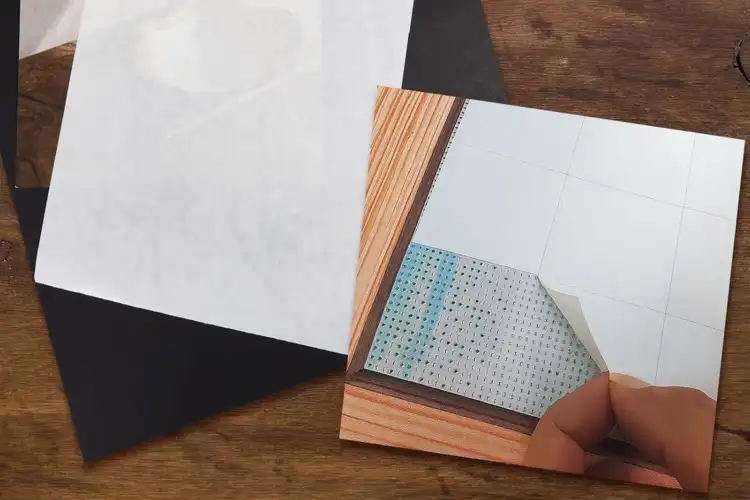
Solvent-based silicone coatings are widely used in the production of medical glassine release paper due to their excellent release properties and versatility. These coatings typically consist of silicone polymers dissolved in organic solvents, which evaporate during the curing process, leaving behind a thin, uniform layer of silicone on the paper surface. Wound dressing manufacturers often prefer solvent-based coatings for their ability to provide consistent release performance across various adhesive types. The release liner for wound dressings coated with solvent-based silicone offers smooth and controlled separation, ensuring that the adhesive remains intact on the dressing when removed from the packaging. Additionally, these coatings can be formulated to achieve different release forces, allowing for customization based on specific medical application requirements.
Solventless Silicone Coatings
Solventless silicone coatings have gained popularity in recent years as a more environmentally friendly alternative to solvent-based systems. These coatings are applied as 100% solid materials, eliminating the need for volatile organic compounds (VOCs) and reducing environmental impact. For medical glassine release paper, solventless silicone coatings offer excellent stability and durability, making them ideal for applications requiring long-term storage or exposure to challenging conditions. Wound dressing release liners coated with solventless silicone systems work reliably in a wide range of temperatures and humidity levels, maintaining their release qualities for the duration of the product's shelf life. Manufacturers of wound dressings benefit from solventless coatings because they increase production efficiency by reducing cure periods and energy costs.
UV-Curable Silicone Coatings
Medical glassine release paper with UV-curable silicone coatings is state-of-the-art technology. The silicone layer is quickly cured without the use of heat or solvents in these coatings because photoinitiators react with UV light. Utilizing UV-curable coatings allows wound dressing manufacturers to increase output without compromising quality. These coatings cure rapidly, making them perfect for high-speed production lines. Wound dressings coated with UV-curable silicone release liners are developed to achieve a wide variety of release forces and have good release qualities. In line with the increasing demand for sustainable production techniques in the medical industry, these coatings are solvent-free, which improves workplace safety and reduces environmental effect.
How Silicone Coating Formulations Affect Release Performance in Medical Use?
Influence of Silicone Polymer Molecular Weight
The molecular weight of silicone polymers used in coating formulations plays a significant role in determining the release performance of medical glassine release paper. Higher molecular weight silicones generally provide stronger release properties, making them suitable for applications requiring easy separation of adhesive materials. Wound dressing manufacturers often specify different molecular weight silicones based on the adhesive strength of their products. For release liners used in wound dressings, a balance must be struck between ensuring reliable release and maintaining the integrity of the adhesive layer. Coatings with carefully selected molecular weights can offer controlled release forces that protect delicate wound dressings during storage and application while allowing for smooth removal when needed.
Impact of Crosslinking Density on Release Characteristics
Another important consideration when it comes to medical release performance is the crosslinking density of silicone coatings. The advantages of coatings with higher crosslinking densities include improved release properties and resistance to adhesive transfer, as well as increased robustness and longevity. To maintain constant performance across different adhesive types and environmental circumstances, it is crucial to optimize the crosslinking density of release liners used in wound dressings. To find the optimal combination of release force and coating longevity, wound dressing producers collaborate closely with coating suppliers to develop formulas. The release characteristics of medical glassine release paper can be preserved even after being subjected to harsh storage conditions or sterilization procedures by precisely adjusting the crosslinking density.
Role of Additives in Modifying Release Properties
Additives play a crucial role in modifying the release properties of silicone coatings used on medical glassine release paper. Coating performance can be improved with the help of additives, such as stabilizers, adhesion promoters, and release modifiers. For release liners used in wound dressings, carefully selected additives can help achieve precise release forces, improve coating adhesion to the paper substrate, and enhance the overall stability of the release system. Wound dressing manufacturers often require custom formulations that incorporate specific additives to meet the unique requirements of their products. By leveraging the right combination of additives, it is possible to create silicone coatings that offer optimal release performance while maintaining biocompatibility and regulatory compliance for medical applications.
Advances in Silicone Release Technology for Enhanced Biocompatibility and Durability
Development of Low-Migration Silicone Coatings
Creating low-migration coatings to reduce the transfer of silicone components to adhesive surfaces has been a recent focus of silicone release technology improvements. Particularly for medical glassine release paper, this innovation is crucial for skin-contact uses such as wound dressings. To keep the release liner from affecting the product's adhesiveness or biocompatibility, low-migration silicone coatings are used. Because they lessen the likelihood of adhesive contamination and possible skin irritation, these improved coatings are a boon to wound dressing makers. Release liners for wound dressings that keep their performance while meeting the strict regulatory standards for medical devices in direct skin contact have been created thanks to the development of low-migration formulations.
Integration of Antimicrobial Properties in Silicone Coatings
Another noteworthy progression in silicone discharge innovation is the expansion of antibacterial qualities into coating compositions. The rising tide of stress with respect to the spread of disease in healthcare offices is the driving force behind this proposition. Wound dressing discharge liners encased in silicone and containing antimicrobial compounds are supportive for helping with wound range cleanliness. These upgraded coatings are being considered by wound dressing creators and Wound dressing manufacturer as a implies to increment esteem and progress persistent results. Coming up with antimicrobial silicone coatings that effectively halt the development of microorganisms without relinquishing its discharge characteristics is a colossal assignment. The expected result of this field of ponder is restorative glassine discharge paper that accomplishes its destinations and helps healthcare offices in contamination avoidance.
Nanotechnology-Enhanced Silicone Coatings for Improved Performance
Medical glassine release paper has advanced significantly with the incorporation of nanotechnology into silicone coatings. The release performance, durability, and barrier qualities of silicone formulations can be improved by adding nanoparticles and nanostructures. For release liners used in wound dressings, nanotechnology-enhanced coatings can offer improved resistance to environmental factors, such as moisture and temperature fluctuations. In order to provide wound dressings with longer shelf life and better dependability, producers are investigating these new coatings. The integration of nanotechnology also opens up possibilities for creating multi-functional release liners that can actively contribute to the wound healing process, potentially revolutionizing the design and efficacy of medical adhesive products.
Conclusion
The development and application of specific silicone coatings on medical glassine release paper play a crucial role in advancing wound care technologies. From solvent-based and solventless systems to UV-curable formulations, each type of coating offers unique advantages for different medical applications. The ongoing advancements in low-migration coatings, antimicrobial properties, and nanotechnology-enhanced formulations are pushing the boundaries of what's possible in release liner performance. As the medical industry continues to evolve, collaboration between wound dressing manufacturers and coating suppliers will be essential in developing innovative solutions that meet the growing demands for safety, efficacy, and sustainability in healthcare products. For more information on custom medical adhesive solutions, contact Guanma Medical at betty@guanmamedical.com.
FAQ
Q: What is the primary function of silicone coatings on medical glassine release paper?
A: The primary function is to provide controlled release properties, allowing adhesive materials to be easily separated from the release paper when needed in medical applications.
Q: How do solvent-based and solventless silicone coatings differ?
A: Solvent-based coatings use organic solvents that evaporate during curing, while solventless coatings are applied as 100% solid materials, eliminating the need for volatile organic compounds.
Q: What advantages do UV-curable silicone coatings offer?
A: UV-curable coatings offer rapid curing, high-speed production capabilities, and reduced environmental impact due to their solvent-free nature.
Q: How does the molecular weight of silicone polymers affect release performance?
A: Higher molecular weight silicones generally provide stronger release properties, suitable for applications requiring easy separation of adhesive materials.
Q: What are low-migration silicone coatings, and why are they important?
A: Low-migration coatings minimize the transfer of silicone components to adhesive surfaces, ensuring the release liner doesn't compromise the adhesive properties or biocompatibility of the final product.
References
1. Smith, J. D., & Johnson, M. R. (2019). Advancements in Silicone Coatings for Medical Release Liners. Journal of Adhesive Science and Technology, 33(15), 1689-1705.
2. Chen, L., & Wang, Y. (2020). UV-Curable Silicone Coatings: A Review of Recent Developments in Medical Applications. Progress in Organic Coatings, 148, 105831.
3. Rodriguez, A., et al. (2018). Influence of Silicone Polymer Molecular Weight on Release Properties of Medical Glassine Paper. International Journal of Adhesion and Adhesives, 85, 165-173.
4. Lee, S. H., & Kim, T. G. (2021). Antimicrobial Silicone Coatings for Medical Release Liners: Challenges and Opportunities. Coatings, 11(3), 352.
5. Zhang, X., & Liu, Y. (2020). Nanotechnology-Enhanced Silicone Coatings for Improved Performance in Medical Release Applications. Nanomaterials, 10(5), 988.
6. Brown, E. R., et al. (2022). Sustainable Approaches to Silicone Coating Formulations for Medical Glassine Release Paper. ACS Sustainable Chemistry & Engineering, 10(12), 4021-4035.

Send Inquiry
You may like