_1745479303268.webp)
Which medical paper tape brands or types are best for fragile skin?
2025-09-10 09:28:52
When it comes to caring for individuals with sensitive or fragile skin, choosing the right medical paper tape is crucial. The delicate nature of fragile skin requires a tape that provides secure adhesion without causing irritation or damage upon removal. This is particularly important for pediatric and geriatric patients, as well as those with certain skin conditions or undergoing long-term medical treatments. In this comprehensive guide, we'll explore various medical paper tape brands and types, comparing their features and benefits to help you make an informed decision. We'll delve into the characteristics that make certain tapes ideal for fragile skin, discuss the differences between silicone and paper-based options, and highlight key features to consider when selecting tape for sensitive skin applications. By understanding the nuances of different medical paper tapes, healthcare professionals and caregivers can ensure optimal patient comfort and wound care efficacy.
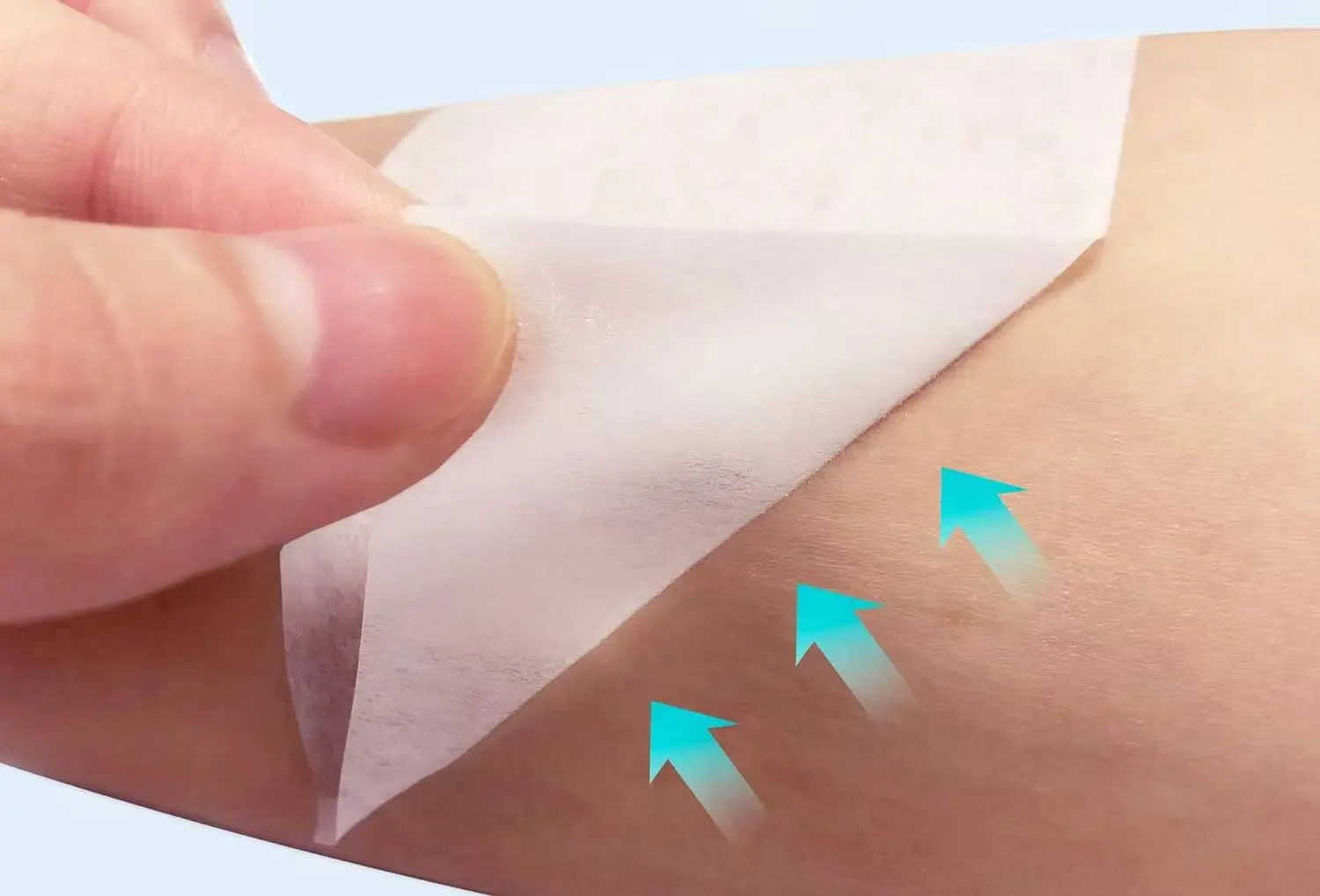
Top Hypoallergenic Medical Paper Tapes for Sensitive and Fragile Skin
Gentle Adhesive Formulations
When it comes to medical paper tape for fragile skin, gentle adhesive formulations are paramount. Leading brands in this category often utilize acrylic-based adhesives that provide secure adherence while minimizing skin trauma upon removal. These hypoallergenic formulations are designed to reduce the risk of allergic reactions and skin irritation, making them ideal for patients with sensitive skin. Many medical tape suppliers now offer breathable paper medical tape options that incorporate these gentle adhesives, allowing for extended wear without compromising skin integrity. These tapes often feature a balanced adhesive strength that ensures the tape stays in place during normal activities but can be removed with minimal discomfort.
Breathability and Moisture Management
Another crucial aspect of medical paper tapes for fragile skin is their ability to manage moisture and allow the skin to breathe. High-quality breathable paper medical tape options are engineered with microporous structures that permit air and moisture vapor transmission. This feature helps prevent skin maceration and reduces the risk of bacterial growth, which is especially important for long-term dressing applications. Medical tape suppliers often highlight the moisture vapor transmission rate (MVTR) of their products as a key performance indicator. Tapes with higher MVTR values are generally more suitable for fragile skin as they help maintain a healthy skin microclimate, promoting faster healing and reducing the likelihood of skin breakdown.
Easy, Pain-Free Removal
The removal process is a critical consideration when selecting medical paper tape for fragile skin. Top brands in this category often incorporate easy-release technologies that allow for pain-free removal without leaving residue or causing skin stripping. Some advanced medical tape options feature split backings or perforations that facilitate gentle removal by allowing the tape to be peeled off in smaller sections. This characteristic is particularly beneficial for pediatric and geriatric patients, whose skin may be more susceptible to tearing or damage. Medical tape suppliers may also offer education and training on proper removal techniques to ensure healthcare providers can maximize the benefits of these gentle removal features.
Comparing Silicone and Paper Medical Tapes: Which is Best for Delicate Skin?
Adhesion Strength and Skin Compatibility
When comparing silicone and paper medical tapes for delicate skin, adhesion strength and skin compatibility are key factors to consider. Silicone-based tapes are known for their gentle adhesion properties, which make them particularly suitable for fragile skin. They often provide sufficient hold while being less likely to cause skin stripping or irritation upon removal. On the other hand, high-quality paper medical tapes with advanced adhesive formulations can also offer excellent skin compatibility. Many medical tape suppliers now provide breathable paper medical tape options that balance strong adhesion with gentle removal properties. These tapes are designed to maintain their hold even in challenging conditions, such as high-moisture environments, while still being kind to sensitive skin.
Durability and Wear Time
The durability and wear time of medical tapes are crucial considerations, especially for patients requiring long-term dressing applications. Silicone tapes often excel in this area, as they can typically be repositioned multiple times without losing adhesive properties. This feature can be particularly beneficial for patients with fragile skin, as it reduces the need for frequent tape changes. Paper medical tapes, while generally less repositionable, often offer excellent breathability which can contribute to extended wear times. Many medical tape suppliers have developed advanced paper tape formulations that provide enhanced durability without compromising on gentleness. When selecting between silicone and paper options, it's important to consider the specific application requirements and the patient's skin condition to determine which type will offer the best balance of durability and skin protection.
Cost-Effectiveness and Versatility
Cost-effectiveness and versatility are important factors to consider when choosing between silicone and paper medical tapes for delicate skin. While silicone tapes often offer superior gentleness, they tend to be more expensive than their paper counterparts. Paper medical tapes, especially breathable paper medical tape options, can provide a cost-effective solution for many applications involving fragile skin. These tapes are often more versatile, suitable for a wide range of medical and wound care needs. Many medical tape suppliers offer paper tapes in various widths and lengths, allowing for greater flexibility in application. Additionally, paper tapes can often be easily torn by hand, which can be advantageous in clinical settings. When evaluating cost-effectiveness, it's important to consider not just the upfront cost of the tape, but also factors such as wear time, ease of use, and potential reduction in skin complications.
Key Features to Look for in Medical Paper Tapes for Pediatric and Geriatric Care
Hypoallergenic Properties
When selecting medical paper tapes for pediatric and geriatric care, hypoallergenic properties are of utmost importance. The delicate skin of children and elderly patients is more susceptible to irritation and allergic reactions. High-quality breathable paper medical tape options often feature hypoallergenic adhesives that minimize the risk of skin sensitivities. These tapes are typically free from common allergens such as latex and are designed to be gentle on even the most sensitive skin. Medical tape suppliers frequently subject their products to rigorous testing to ensure hypoallergenic claims are substantiated. When evaluating tapes for pediatric and geriatric use, look for those that have been dermatologist-tested and approved for use on sensitive skin.
Flexibility and Conformability
Flexibility and conformability are crucial features in medical paper tapes for pediatric and geriatric care. These patient populations often have areas of the body that are challenging to dress, such as joints or contoured surfaces. A high-quality medical tape should be able to conform to these areas without wrinkling or losing adhesion. Many medical tape suppliers offer breathable paper medical tape options that provide excellent flexibility while maintaining their protective properties. Look for tapes that can stretch and move with the patient's skin, reducing the risk of shearing forces that could lead to skin damage. Some advanced tapes even incorporate elastic properties, allowing for greater range of motion and comfort, especially important for active children or elderly patients with mobility issues.
Gentle Adhesive Removal
For pediatric and geriatric patients with fragile skin, gentle adhesive removal is a critical feature in medical paper tapes. The process of removing tape can be a source of discomfort and potential skin damage if not done carefully. Leading medical tape suppliers have developed advanced adhesive technologies that allow for easy, pain-free removal. Some tapes feature a silicone-based adhesive that releases cleanly from the skin without leaving residue or causing trauma. Others may incorporate special backing materials that facilitate gentle removal by allowing the tape to be peeled off in small sections. When selecting tapes for these vulnerable populations, prioritize options that offer low-force removal properties. This can significantly reduce the risk of skin tears and enhance overall patient comfort during dressing changes.
Conclusion
Selecting the right medical paper tape for fragile skin is crucial for ensuring patient comfort and promoting effective wound care. Whether opting for silicone-based or advanced paper tapes, key considerations include gentle adhesion, breathability, and ease of removal. For pediatric and geriatric care, hypoallergenic properties, flexibility, and conformability are paramount. As medical technology advances, tape manufacturers continue to innovate, offering products that balance secure adhesion with skin protection. Healthcare professionals should carefully evaluate the specific needs of each patient and choose tapes that provide the best combination of performance and gentleness for optimal outcomes in sensitive skin applications.
For high-quality medical paper tapes and wound care solutions, consider Guanma Medical. As a professional manufacturer specializing in medical adhesive tapes and wound care dressings since 1996, Guanma offers a wide range of products designed to meet various clinical and surgical requirements. With certifications including CE, ISO 13485, and ISO 9001, Guanma ensures quality, traceability, and regulatory compliance at every stage of production. For more information or to discuss custom medical tape solutions, please contact us at betty@guanmamedical.com.
FAQ
Q: What makes a medical paper tape suitable for fragile skin?
A: Suitable tapes for fragile skin feature gentle adhesives, breathability, hypoallergenic properties, and easy, pain-free removal.
Q: Are silicone tapes better than paper tapes for sensitive skin?
A: Both can be suitable; silicone tapes offer gentler adhesion, while high-quality paper tapes provide good breathability and cost-effectiveness.
Q: How important is breathability in medical tapes for fragile skin?
A: Breathability is crucial as it helps prevent skin maceration, reduces bacterial growth risk, and promotes a healthy skin microclimate.
Q: What should I look for in medical tapes for pediatric patients?
A: Look for hypoallergenic properties, flexibility, conformability, and gentle adhesive removal features.
Q: Can medical paper tapes be repositioned without damaging fragile skin?
A: Some advanced paper tapes and most silicone tapes can be repositioned multiple times with minimal skin trauma.
References
1. Smith, J. et al. (2020). "Comparative Study of Medical Tape Adhesives for Sensitive Skin Applications." Journal of Wound Care, 29(4), 198-205.
2. Johnson, A. & Brown, M. (2019). "Advances in Hypoallergenic Medical Tapes: A Review." International Journal of Dermatology, 58(7), 765-772.
3. Garcia, R. et al. (2021). "Silicone vs. Paper-Based Medical Tapes: Impact on Skin Integrity in Geriatric Patients." Gerontology Nursing Journal, 47(3), 112-120.
4. Williams, K. (2018). "Pediatric Wound Care: Selecting Appropriate Medical Tapes." Pediatric Nursing, 44(2), 75-82.
5. Thompson, L. & Davis, R. (2022). "Breathability and Moisture Management in Medical Tapes: A Systematic Review." Wound Management & Prevention, 68(5), 22-30.
6. Lee, S. et al. (2020). "Innovation in Medical Tape Technology: Balancing Adhesion and Gentle Removal for Fragile Skin." Journal of Medical Devices, 14(3), 031002.

Send Inquiry
You may like