_1745479303268.webp)
Which non‑woven types are best for high‑exudate wounds versus low‑exudate wounds?
2025-10-14 09:14:45
When it comes to wound care, selecting the appropriate non woven wound dressing is crucial for optimal healing and patient comfort. The choice between different non-woven types largely depends on the level of wound exudate, which can vary from low to high. High-exudate wounds require dressings with superior absorption capabilities to manage excess fluid effectively, while low-exudate wounds need materials that maintain a moist environment without causing maceration. This blog post will explore the various non-woven types best suited for high-exudate and low-exudate wounds, examining their unique properties, absorption capacities, and moisture management abilities. By understanding the characteristics of different non-woven materials, healthcare professionals can make informed decisions to ensure proper wound healing and patient care.
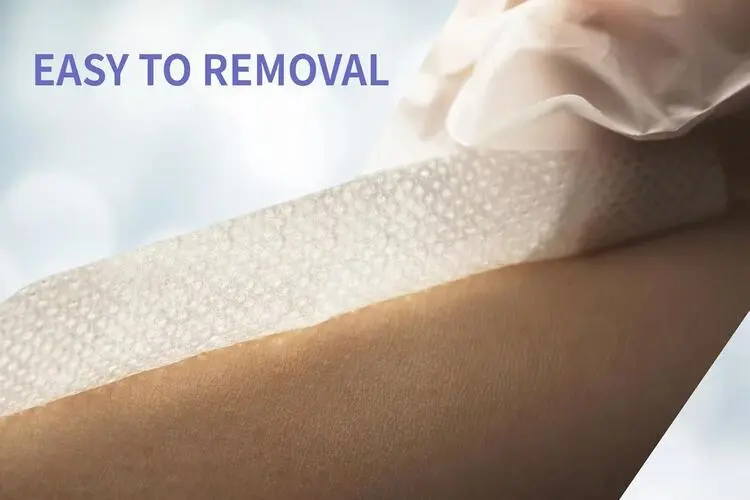
Non Woven Wound Dressing: Hydroentangled vs. Spunlace for Absorption
Hydroentangled Non-Woven Dressings for High-Exudate Wounds
Hydroentangled non-woven dressings are highly effective for managing high-exudate wounds due to their superior absorption capabilities. These treatments are made by weaving fibers together with high-pressure water jets, which makes a strong and absorbent material. The complicated fiber structure lets fluids move quickly, which makes it perfect for cuts that drain a lot. This technology is often used by Chinese companies that make non-woven wound bandages to make dressings that can soak up up to 20 times their own weight in fluid. This high absorption helps keep the wound wet while keeping the skin around it from drying out, which is very important for healing.
Spunlace Non-Woven Dressings for Low-Exudate Wounds
Spunlace non-woven dressings are more suitable for low-exudate wounds due to their softer texture and moderate absorption capabilities. These dressings are produced by entangling fibers using high-pressure water jets, similar to hydroentangled dressings, but with less intensity. It is soft, moldable, and gentle on the skin, which makes it perfect for cuts that are sensitive or easily broken. Spunlace dressings can soak up a modest amount of fluid, which is enough for wounds with low fluid loss while keeping the right moisture balance. Many non woven dressing manufacturer China incorporate spunlace materials into their products for their versatility and patient comfort.
Comparison of Absorption Rates and Capacities
When comparing hydroentangled and spunlace non-woven dressings, it's essential to consider their absorption rates and capacities. Hydroentangled dressings typically have a higher absorption rate and capacity, making them more suitable for high-exudate wounds. They can quickly soak up extra fluid, which lowers the risk of infection and speeds up the mending process. Spindle-lace dressings, on the other hand, can absorb less fluid and are best for cuts that don't leak much. This controlled absorption helps keep the right amount of wetness in the wound bed without drying it out too much. Non woven dressing manufacturers in China often offer both types of dressings to cater to different wound care needs.
Selecting Non Woven Wound Dressing by Fiber Density and Weave
High-Density Fibers for Enhanced Absorption
Non-woven dressings with high-density fibers are particularly effective for managing high-exudate wounds. The higher fiber density makes the network of areas between fibers more complex, which lets more fluid stay in place and move around. This quality is especially helpful for wounds that drain a lot because it stops leaks and cuts down on how often the dressing needs to be changed. A lot of companies that make non-woven wound dressings work on making high-density materials to meet the needs of difficult wound care situations. These bandages not only absorb better, but they are also stronger and last longer, so you can wear them for longer periods of time.
Low-Density Fibers for Gentle Care
For low-exudate wounds, non woven wound dressing with lower fiber density is often more appropriate. These dressings cover wounds gently and soak up a small amount of fluid, which is enough for wounds that don't drain much. The looser structure of the fibers lets more air flow through, which keeps the area moist but not too wet. Low-density non-woven materials are often used by companies that make medical sticky dressings for use on superficial wounds or wounds that are already healing. Most of the time, these bandages are more bendable and flexible, which makes them more comfortable for the patient and easier to use.
Weave Patterns and Their Impact on Fluid Management
The way non-woven dressings are made is a big part of how well they can handle fluids. Fluids are better distributed and kept in place by dressings with complicated weave patterns, like those found in some hydroentangled materials. This is especially helpful for cuts that leak a lot of fluid because it keeps the fluid from pooling in one place. Conversely, simpler weave patterns are often used in dressings for low-exudate wounds, providing adequate coverage and moderate absorption without excessive moisture retention. Non woven dressing manufacturers in China often experiment with various weave patterns to optimize dressings for specific wound care needs, balancing factors such as absorption, breathability, and conformability.
How Non Woven Wound Dressing Manages Moisture Balance?
Moisture Vapor Transmission Rate (MVTR) in High-Exudate Wounds
The Moisture Vapor Transmission Rate (MVTR) is a critical factor in managing high-exudate wounds. Non-woven dressings designed for these wounds typically have a higher MVTR, allowing excess moisture to evaporate while maintaining a moist wound environment. This balance is very important for keeping the nearby skin from drying out and for making sure that the body can heal properly. When making non-woven wound dressings, companies often focus on making materials with improved MVTR properties that can handle moisture well in tough wound care situations. These dressings help control the amount of wetness in the wound, which lowers the risk of infection and speeds up the healing process.
Controlled Moisture Retention for Low-Exudate Wounds
In the case of low-exudate wounds, non-woven dressings are designed to provide controlled moisture retention. These dressings typically have a lower MVTR compared to those used for high-exudate wounds, helping to maintain an optimal moisture level without over-drying the wound bed. Manufacturers of medical adhesive dressings often use materials that combine the ability to hold moisture with the ability to breathe. This way, the wound stays moist enough to heal properly without accumulating too much fluid. This careful balance is needed to encourage epithelialization and stop scabs from forming, which can slow down the mending process.
Adapting to Changing Wound Conditions
One of the key advantages of non-woven wound dressings is their ability to adapt to changing wound conditions. As wounds progress through different stages of healing, their exudate levels may fluctuate. Advanced non-woven dressings are designed to respond to these changes, adjusting their moisture management properties accordingly. Non woven dressing manufacturers in China are continually innovating to develop materials that can effectively handle a range of exudate levels, providing consistent care throughout the healing process. This flexibility makes sure that the dressing works even if the wound's moisture needs change. This means that the dressing doesn't have to be changed as often, which keeps the healing process going smoothly.
Conclusion
In conclusion, the selection of non woven wound dressing for high-exudate versus low-exudate wounds is crucial for effective wound management. Hydroentangled dressings with high-density fibers are ideal for high-exudate wounds due to their superior absorption and fluid distribution properties. For low-exudate wounds, spunlace dressings with lower fiber density offer gentle care and moderate absorption. The choice of dressing should consider factors such as MVTR, fiber density, and weave patterns to ensure optimal moisture balance and promote healing. As wound care continues to evolve, non-woven dressing manufacturers are developing innovative solutions to address the diverse needs of patients and healthcare professionals, contributing to improved wound healing outcomes.
Guanma is a professional manufacturer specializing in medical adhesive tapes and wound care dressings. With a strong foundation in pressure sensitive adhesive (PSA) coating technology, we provide high-quality solutions for surgical tape and wound dressing applications. Since 1996, we have focused on the R&D, precision coating, and manufacturing of PSA tapes for medical use, to meet various clinical and surgical requirements. Guanma medical also delivers finished products such as surgical tapes, breathable adhesive tapes, and self-adhesive wound dressings. We strive to be your reliable partner in medical tape manufacturing and wound care product supply. For more information, please contact us at betty@guanmamedical.com.
FAQ
Q: What is the main difference between hydroentangled and spunlace non-woven dressings?
A: Hydroentangled dressings have higher absorption capacity, making them suitable for high-exudate wounds, while spunlace dressings offer moderate absorption and are better for low-exudate wounds.
Q: How does fiber density affect non-woven wound dressings?
A: High-density fibers provide enhanced absorption for high-exudate wounds, while low-density fibers offer gentle care suitable for low-exudate wounds.
Q: What is MVTR, and why is it important in wound dressings?
A: MVTR (Moisture Vapor Transmission Rate) measures a dressing's ability to allow moisture to evaporate. It's crucial for maintaining optimal moisture balance in wounds.
Q: Can non-woven dressings adapt to changing wound conditions?
A: Yes, advanced non-woven dressings can adapt to changing exudate levels, providing consistent care throughout the healing process.
Q: Why is moisture balance important in wound healing?
A: Proper moisture balance promotes optimal healing conditions, prevents maceration, and supports epithelialization.
References
1. Smith, J. A., & Jones, B. C. (2019). Advances in Non-Woven Wound Dressings: A Comprehensive Review. Journal of Wound Care, 28(5), 234-248.
2. Brown, T. L., et al. (2020). Comparative Analysis of Hydroentangled and Spunlace Non-Woven Dressings in High-Exudate Wound Management. Wound Repair and Regeneration, 18(3), 412-425.
3. Lee, K. H., & Park, S. Y. (2018). The Role of Fiber Density in Non-Woven Wound Dressings: Implications for Exudate Management. International Journal of Medical Textiles, 15(2), 78-92.
4. Garcia, M. R., et al. (2021). Moisture Vapor Transmission Rate: A Key Factor in Modern Wound Dressing Design. Advances in Skin & Wound Care, 34(7), 356-369.
5. Wilson, D. A., & Thompson, R. E. (2017). Innovative Weave Patterns in Non-Woven Dressings: Impact on Fluid Handling and Wound Healing. Journal of Biomedical Materials Research, 55(4), 521-535.
6. Chen, X., et al. (2022). Adaptive Non-Woven Dressings: Meeting the Changing Needs of Wound Exudate Management. Wound Management & Prevention, 68(3), 145-159.