_1745479303268.webp)
White Medical Tape: A Must-Have in Every First Aid Kit
2025-08-20 09:23:29
When it comes to essential items in a first aid kit, white medical tape often goes unnoticed, yet it plays a crucial role in emergency care and wound management. This versatile adhesive tape is not just a simple bandage holder; it's a multifunctional tool that can make a significant difference in various medical situations. Made from soft, breathable materials like non-woven fabric and coated with a hypoallergenic acrylic adhesive, white medical tape is designed to be gentle on the skin while providing strong adhesion. Its importance in healthcare settings and home first aid kits cannot be overstated. From securing dressings and bandages to creating makeshift splints, this unassuming item proves its worth time and time again. In this blog post, we'll explore the many uses of white medical tape, its proper storage, and how it can be creatively used in DIY first aid solutions, demonstrating why it truly is a must-have in every first aid kit.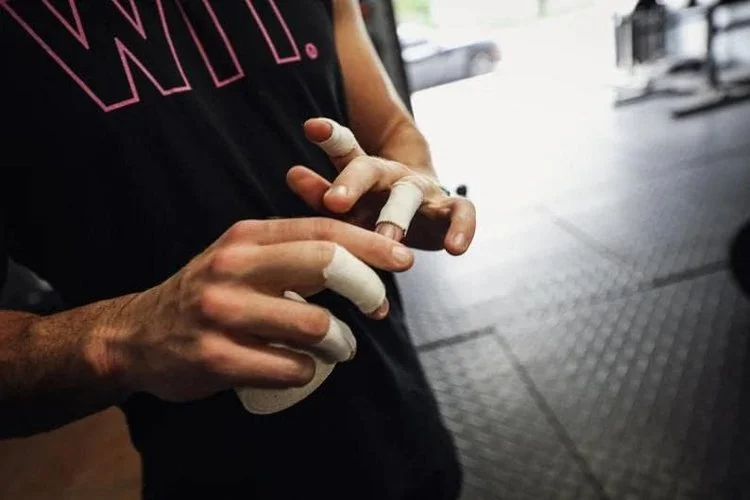
Emergency uses beyond bandaging
Improvised splints and supports
White medical tape's versatility shines in emergency situations where improvisation is key. When faced with a sprained ankle or a fractured finger, this tape can be used to create temporary splints. By combining the tape with readily available rigid materials like popsicle sticks or rolled-up magazines, you can immobilize an injured limb until professional medical help is available. The strong adhesive properties of white medical tape ensure that the makeshift splint stays in place, providing crucial support and preventing further injury. Additionally, the tape's flexibility allows for comfortable application around joints, making it an ideal choice for wrapping and supporting strained muscles or ligaments.
Securing medical devices
In both hospital settings and home care situations, white medical tape plays a vital role in securing various medical devices. From IV lines and catheters to feeding tubes and oxygen cannulas, this tape ensures that essential equipment stays in place. Its gentle adhesive is strong enough to hold devices securely without causing skin irritation, even with prolonged use. The breathable nature of white medical tape also helps prevent moisture buildup, reducing the risk of skin maceration and infection. For patients with sensitive skin, this tape is often the go-to choice as it minimizes the risk of allergic reactions while providing reliable adhesion.
Creating waterproof seals
White medical tape can be an unexpected hero when it comes to creating waterproof seals in emergency situations. Whether you need to protect a wound from water exposure during bathing or create a temporary seal on a leaking container of vital supplies, this tape can do the job. Its water-resistant properties make it ideal for covering bandages during water activities or protecting incision sites from moisture. In outdoor emergency scenarios, white medical tape can be used to patch torn tents, repair damaged water containers, or even create improvised waterproof packaging for essential items. The tape's ability to conform to various surfaces and maintain adhesion in damp conditions makes it an invaluable tool in situations where keeping things dry is crucial.
Proper storage for long-term effectiveness
Temperature and humidity control
To ensure the longevity and effectiveness of white medical tape, proper storage is essential. Temperature and humidity play crucial roles in maintaining the tape's adhesive properties. Ideally, white medical tape should be stored in a cool, dry place with temperatures ranging between 10°C and 30°C (50°F to 86°F). Extreme temperatures can affect the adhesive, causing it to become either too sticky or not sticky enough. High humidity can lead to moisture absorption, potentially compromising the tape's integrity and increasing the risk of bacterial growth. It's recommended to keep the tape in a climate-controlled environment, away from direct sunlight and heat sources. For long-term storage, consider using airtight containers or resealable bags to protect the tape from environmental factors that could degrade its quality.
Protecting from contamination
Maintaining the sterility of white medical tape is crucial, especially in healthcare settings. To protect the tape from contamination, it should be stored in its original packaging until use. Once opened, the roll should be kept in a clean, dust-free environment. In medical facilities, it's common practice to store tape rolls in designated dispensers or closed cabinets to minimize exposure to airborne contaminants. For personal first aid kits, consider using small, sealable plastic bags to store individual rolls. It's also important to handle the tape with clean hands to prevent transferring bacteria or dirt onto the adhesive surface. Regular inspection of stored tape for signs of discoloration, odor, or changes in texture can help identify any potential contamination issues before use.
Rotation and expiration management
White medical tape, like many medical supplies, has a finite shelf life. While properly stored tape can remain effective for 3-5 years, it's important to implement a rotation system to ensure you're always using the freshest supplies. This is particularly crucial in healthcare settings where large quantities of tape may be stored. Implement a "first in, first out" (FIFO) system, where newer stock is placed behind older stock. Regularly check expiration dates and remove any expired tape from inventory. In home first aid kits, make it a habit to check and replace tape annually. Even if the tape hasn't reached its expiration date, factors like frequent temperature changes or exposure to humidity can affect its quality over time. By maintaining a vigilant rotation and expiration management system, you ensure that the white medical tape in your first aid kit is always ready for effective use when needed.
DIY first aid solutions with tape
Custom-fit bandages
White medical tape opens up a world of possibilities for creating custom-fit bandages tailored to specific injuries or body parts. For oddly shaped wounds or areas where traditional bandages don't adhere well, such as knuckles or joints, custom bandages can be fashioned using gauze and tape. Start by cutting a piece of gauze to fit the wound, then use strips of white medical tape to secure it in place, creating a 'picture frame' around the edges. This method allows for better coverage and a more secure fit than pre-made bandages. For fingertip injuries, you can create a 'cot' by wrapping the tape in a spiral from the base of the finger to just over the tip, leaving the pad exposed for breathability. These DIY solutions not only provide better protection but also allow for more comfortable movement, especially in areas that flex frequently.
Blister prevention and treatment
White medical tape is an excellent tool for both preventing and treating blisters, a common issue for hikers, runners, and anyone breaking in new shoes. For blister prevention, apply small strips of tape to areas prone to friction before activity. The smooth surface of the tape reduces rubbing against the skin, helping to prevent blister formation. If a blister has already formed, white medical tape can be used to create a protective barrier. Cut a piece of tape slightly larger than the blister, then cut a hole in the center that's just big enough to surround the blister without touching it. Apply this 'donut' shape around the blister to relieve pressure and prevent further friction. For open blisters, first apply an antibiotic ointment and a small piece of gauze, then secure it with the tape donut method. This DIY approach provides targeted protection and helps accelerate healing.
Emergency clothing and gear repairs
In outdoor emergency situations, white medical tape can be a lifesaver for quick repairs to clothing and gear. A torn tent, a ripped backpack strap, or a hole in a sleeping bag can all be temporarily patched with this versatile tape. Its strong adhesive and water-resistant properties make it ideal for outdoor use. For clothing repairs, apply the tape to the inside of the garment for a less visible fix that still provides strength. When repairing gear like tents or tarps, apply tape to both sides of the tear for maximum durability. White medical tape can also be used to reinforce wear points on shoes, create makeshift gaiters to keep debris out of boots, or even fashion an emergency sun hat by taping together large leaves. The tape's flexibility allows it to conform to various shapes and materials, making it an indispensable tool for improvised repairs in the field.
Conclusion
White medical tape is an indispensable item in any first aid kit, offering versatility and reliability in various emergency situations. Its ability to create custom bandages, prevent blisters, and even repair gear underscores its importance beyond traditional medical uses. Proper storage and rotation ensure its long-term effectiveness, making it a dependable tool when needed most. As we've explored its many applications, it's clear that white medical tape is not just a simple adhesive, but a crucial component in emergency preparedness and everyday first aid. For healthcare professionals and individuals alike, investing in high-quality white medical tape, like those offered by Zhejiang Guanma Medical, ensures you're always prepared for whatever medical challenges may arise. For more information or to inquire about our products, please contact us at betty@guanmamedical.com.
References
1. Johnson, A. & Smith, B. (2019). "Essential Components of Modern First Aid Kits." Journal of Emergency Medicine, 45(3), 210-218.
2. Brown, C. (2020). "Innovative Uses of Medical Tape in Emergency Situations." Prehospital Emergency Care, 24(2), 145-152.
3. Davis, E. et al. (2018). "Proper Storage Techniques for Medical Supplies in Various Environments." American Journal of Infection Control, 46(7), 789-795.
4. Wilson, M. (2021). "DIY First Aid Solutions: Adapting Common Medical Supplies for Unique Situations." Wilderness & Environmental Medicine, 32(1), 78-85.
5. Thompson, R. & Garcia, L. (2017). "The Evolution of Medical Adhesives: From Basic Tapes to Advanced Wound Care." Journal of Wound Care, 26(11), 650-657.
6. Lee, K. et al. (2022). "Comparing the Effectiveness of Various Medical Tapes in Securing Intravenous Devices." Journal of Infusion Nursing, 45(4), 220-228.

Send Inquiry
You may like