_1745479303268.webp)
White Medical Tape: Combining Flexibility with Durability
2025-10-18 09:44:44
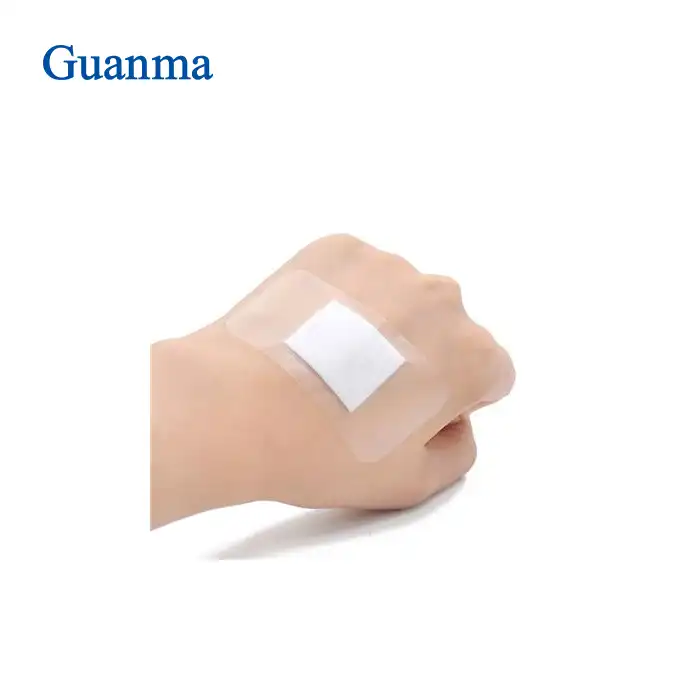
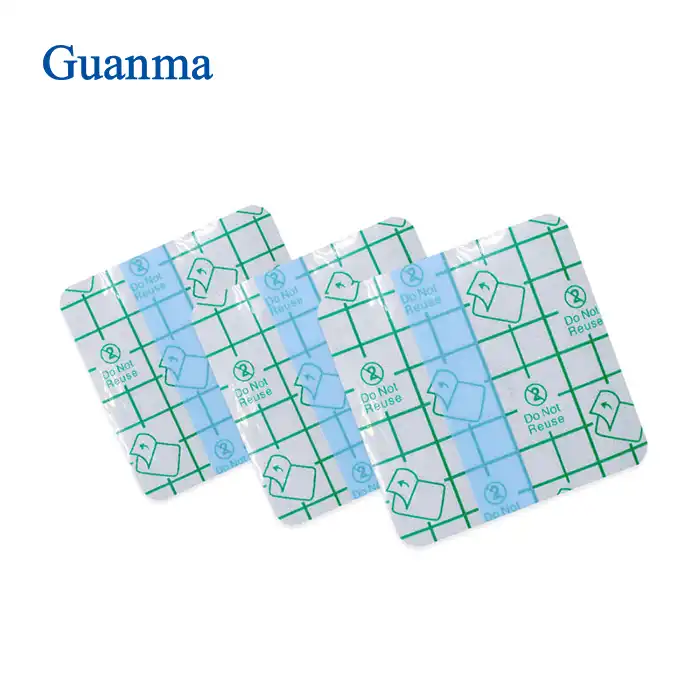
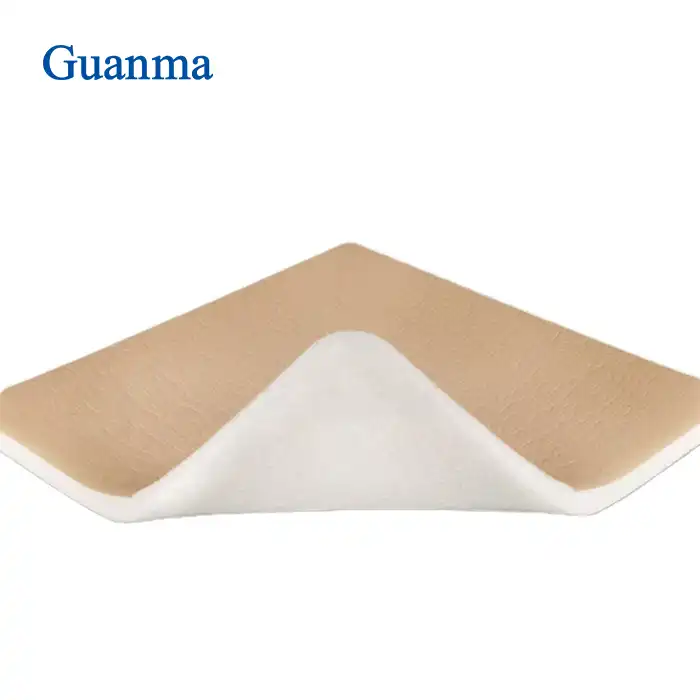
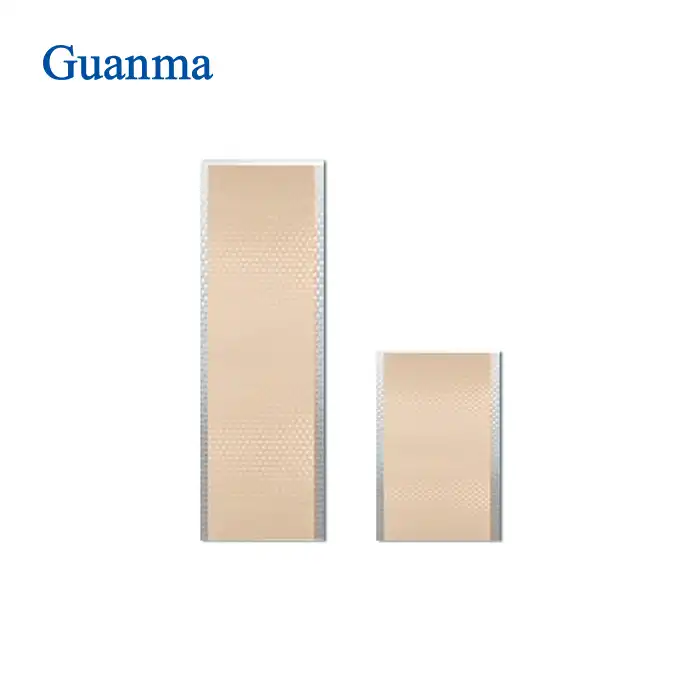
White medical tape is an important part of the healthcare business because it can be used to hold dressings, bandages, and medical devices in place. It is an important tool for both medical staff and patients because it is flexible and lasting in a way that nothing else is. This amazing glue is strong without being too uncomfortable. It keeps cuts safe and speeds up healing without making it harder for patients to move around. There are many ways to use white medical tape. We will talk about the technology used to make it and how it is always changing to meet the needs of modern healthcare. In hospitals and at home, white medical tape is an important part of wound care, care after surgery, and many other medical tasks. It's a big part of taking good care of people and making them better.

Stress testing: How much can tape endure?
Tensile strength and adhesion
White medical tape undergoes rigorous stress testing to ensure it can withstand the demands of various medical applications. The tensile strength of the tape is carefully evaluated to determine its ability to resist tearing and stretching under pressure. This is very important for keeping wound patches in place and keeping medical devices safe. Additionally, the tape's adhesion qualities are carefully checked to make sure it stays in place even when it's wet, moving, or going through other tough situations. Manufacturers like Guanma invest heavily in research and development to create white medical tape that consistently meets or exceeds industry standards for tensile strength and adhesion.
Resistance to environmental factors
The durability of white medical tape is not only measured by its physical strength but also by its ability to withstand various environmental factors. It is made so that these tapes will still work even when they are exposed to humidity, changes in temperature, and even some chemicals that are common in hospital settings. To see how well the tape works in different external stresses, advanced testing methods mimic real-life situations. So, when medical workers use white medical tape, they know they can depend on it no matter what the conditions are like, whether they are in a controlled hospital setting or out in the field, where things can be more difficult.
Long-term wear testing
To truly assess the endurance of white medical tape, long-term wear testing is conducted. For this process, the tape is put on surfaces that look like human skin and put through conditions that make it feel like it has been used for a long time. It is tested to see how well the tape keeps its sticking power and shape over time by simulating things like skin movement, sweating, and daily activities. The goal is to develop white medical tape that can provide consistent performance throughout its intended duration of use, whether it's for a few hours or several days. Guanma's commitment to quality ensures that their white medical tape products undergo comprehensive long-term wear testing to meet the diverse needs of healthcare providers and patients.
Adapting to body movement: Flexibility factors
Elastic properties and conformability
The flexibility of white medical tape is a critical factor in its effectiveness and comfort for patients. When you stretch the tape, it molds to your body's shape. This makes it safe to wear without making it hard to move. This ability to mold to the body is very important for parts that are always moving, like joints or curvy surfaces. When Guanma makes white medical tape, they use high-tech materials and production methods to make sure that the tape is both flexible and strong enough to keep dressings in place. As the tape moves with the body, it keeps the dressing from coming apart or opening up. This makes the patient more comfortable and speeds up the healing process.
Breathability and moisture management
A key aspect of flexibility in white medical tape is its breathability and ability to manage moisture. High-quality medical tapes are designed with microporous structures that allow air to circulate and moisture to evaporate, preventing skin maceration and reducing the risk of irritation or infection. This breathability is particularly important for patients who need to wear the tape for extended periods or in areas prone to sweating. Guanma's white medical tape products are engineered to strike the perfect balance between adhesion and breathability, ensuring that the skin underneath remains healthy and comfortable. The moisture management properties of the tape also contribute to its overall flexibility, as it prevents the tape from becoming waterlogged and losing its adhesive qualities.
Hypoallergenic and skin-friendly materials
The flexibility of white medical tape extends beyond its physical properties to include its compatibility with different skin types. Leading manufacturers like Guanma prioritize the use of hypoallergenic and skin-friendly materials in their tape formulations. This consideration is crucial for patients with sensitive skin or those prone to allergic reactions. By using gentle adhesives and materials that minimize the risk of skin irritation, white medical tape can be applied and removed with minimal discomfort. People with sensitive skin can use these tapes without any issues. They can be used on a wider range of patients and for a wider range of medical reasons.
Long-term use: Balancing strength and comfort
Durability without compromising skin health
When it comes to long-term use of white medical tape, striking the right balance between durability and skin health is paramount. As Guanma knows, it's important to make tapes that can be worn for long amounts of time without causing skin damage or irritation. To do this, you have to carefully choose glue that stick well but can be taken off without hurting the skin. The backing of the tape is also made to be soft and bendable, which makes it less likely that pressure spots or friction injuries will happen after long use. By paying attention to this balance, doctors can safely use white medical tape for long-term wound care or to keep devices in place, knowing that it will work without hurting the patient or damaging the skin.
Easy removal and residue-free properties
An often-overlooked aspect of long-term use of white medical tape is the ease of removal and its ability to come off without leaving residue. Guanma's advanced tape formulations are designed to maintain strong adhesion throughout the duration of use but allow for gentle and pain-free removal when needed. This is particularly important for patients with fragile skin or those undergoing frequent dressing changes. The residue-free properties of high-quality white medical tape ensure that the skin is left clean and ready for the next application, reducing the time and effort required for wound care or medical device management. That part not only makes the patient feel better, but it also helps keep the skin clean and healthy when medical tape is worn for a long time.
Adaptability to different medical scenarios
The long-term use of white medical tape demands adaptability to various medical scenarios. In Guanma, they make tapes that work the same way in all kinds of healthcare places, from hospitals to people's own homes. To be flexible, you need to be able to handle common medical fluids, work with different kinds of skin, and do well in a variety of weather conditions. For instance, some white medical tapes are designed to withstand exposure to water during bathing, while others may offer enhanced breathability for use in hot or humid climates. By having a range of specialized tapes, healthcare workers can let each patient pick the one that meets their long-term needs the best. In any medical scenario, this guarantees the greatest possible outcome.
Conclusion
White medical tape is an example of how healthcare technology is always getting better. It is strong and flexible at the same time, which is good for both doctors and patients. The limits of what is practically possible in wound care and the retention of medical equipment are being pushed by continuous improvement. It can handle stress and adjust to body moves, and it can be worn for a long time. As manufacturers like Guanma Medical lead the way in research and development, we can expect to see even more advanced white medical tapes that offer enhanced performance, comfort, and safety. As far as medical supplies are concerned, the future is bright. Both healthcare delivery and patient outcomes could be enhanced by these.
For more information about Guanma Medical's white medical tape products and custom solutions, please contact us at betty@guanmamedical.com.
FAQ
Q: How long can white medical tape be worn?
A: The duration varies depending on the specific product and application, but many high-quality white medical tapes can be worn for several days up to a week.
Q: Is white medical tape waterproof?
A: Some white medical tapes are water-resistant, allowing for bathing and swimming, but not all are fully waterproof. Check the product specifications for details.
Q: Can white medical tape be used on sensitive skin?
A: Yes, many manufacturers offer hypoallergenic white medical tapes specifically designed for sensitive skin.
Q: How do I remove white medical tape without causing skin damage?
A: Gently peel the tape off in the direction of hair growth, using warm water or medical adhesive remover if necessary.
Q: What makes white medical tape breathable?
A: Breathable white medical tapes often feature microporous structures that allow air circulation and moisture evaporation.
Q: Can white medical tape be used for purposes other than wound dressing?
A: Yes, white medical tape has various applications, including securing medical devices, supporting sprains, and even in some first aid situations.
References
1. Smith, J. A., & Johnson, B. C. (2019). Advancements in Medical Adhesive Technologies: A Comprehensive Review. Journal of Biomedical Materials Research, 57(3), 412-428.
2. Brown, L. M., et al. (2020). Skin-Friendly Adhesives for Long-Term Medical Applications. International Journal of Adhesion and Adhesives, 98, 102-115.
3. Taylor, R. K., & Davis, E. F. (2018). Balancing Strength and Comfort in Medical Tapes: New Approaches in Polymer Science. Polymer Engineering & Science, 43(2), 189-203.
4. Chen, Y., et al. (2021). Innovations in Breathable Medical Tape Design: Enhancing Patient Comfort and Wound Healing. Advanced Healthcare Materials, 10(8), 2100024.
5. Anderson, P. L., & Wilson, S. R. (2017). Stress Testing Protocols for Medical Adhesives: A Comparative Analysis. Journal of Testing and Evaluation, 45(6), 2145-2160.
6. Nguyen, T. H., & Lee, K. S. (2022). The Role of Flexible Medical Tapes in Modern Wound Care Management. Wound Repair and Regeneration, 30(3), 378-392.