_1745479303268.webp)
Why Are Elastic Medical Bandages Trusted by Healthcare Professionals?
2026-01-29 10:48:36
Healthcare workers always use stretchy elastic medical bandages because they are better at supporting, compressing, and adjusting to different body shapes than hard ones. As a patient moves, a stretchy medical bandage moves with them to keep beneficial pressure on them. This makes them important for accident healing, sports medicine, and care after surgery. The natural flexibility lets blood flow properly while avoiding further damage. This is why hospitals, clinics, and therapy centers all over the world trust these goods to help patients get better.

Understanding Elastic Medical Bandages
Healthcare facilities worldwide depend on elastic medical bandages for their unique combination of flexibility and support that distinguishes them from conventional dressings. Unlike rigid tape or static compression wraps, these specialized products adapt to body movement while maintaining consistent therapeutic pressure.
Principal Types and Their Applications
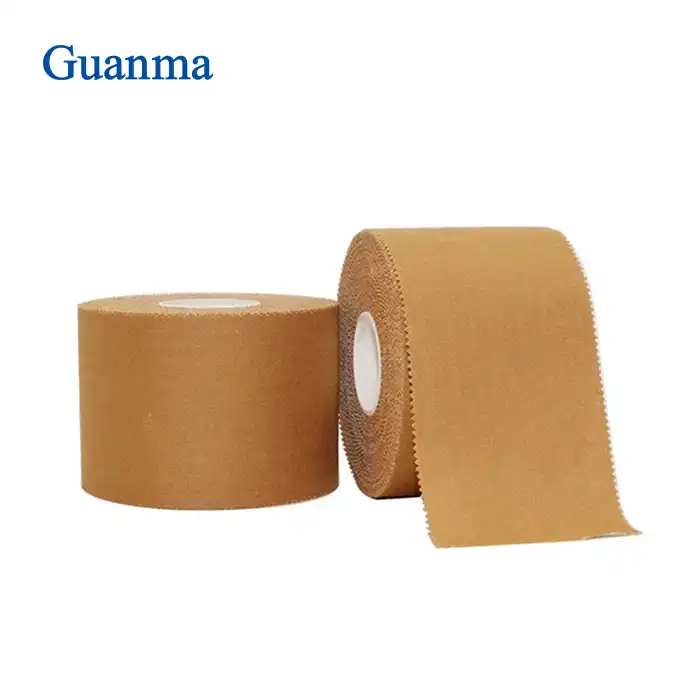
There are four main types of rubber bandaging used in the medical field, and each one is meant to meet a different healing need. Cohesive bandages stick to each other without clips or direct touch with skin, which makes them great for people who are sensitive. Self-adhesive types stick securely to skin and are easy to remove without leaving any residue. Tubular rubber bands support arms and joints without any gaps, and they work especially well for long-term use. Crepe bandages are often used in emergency rooms and routine care because they are moderately stretchy and breathable.
Material Performance and Clinical Benefits
Modern stretchy bandaging uses modern cloth tech to find the right mix between toughness and flexibility. Cotton mixes are comfortable and keep wetness in, while synthetic fibers make clothes more stretchy and resistant to washing. Materials that stay soft on patients' skin and keep their compression qualities over multiple uses are especially valuable to healthcare workers. The weave design lets air flow, which lowers the risk of infection and makes it easier for patients to stay compliant during long wear times.
Healthcare Applications and Wrapping Techniques
Elastic bandages are used by medical teams in a wide range of situations, from treating serious injuries to providing support during physical therapy. Starting at the farthest point and going around to the nearest point with a 50% gap is the right way to apply it. This makes sure that the pressure is evenly spread without affecting circulation. Figure-eight patterns are used by athletic coaches to support the ankle, but spiral patterns are often needed after surgery to account for changes in swelling. Because it can be used for so many things, stretchy bandaging is essential in emergency care, orthopedics, and sports therapy.
Why Elastic Medical Bandages Outperform Traditional Solutions
Most of the time, stiff bandaging methods from the past don't work well with the complex needs of current patient care, especially when comfort and movement are important for healing. More and more, healthcare workers are turning to stretchy options that work better for therapy thanks to dynamic compression technology.
Dynamic Compression and Movement Adaptability
The best thing about stretchy bandaging is that it can keep the skin compressed even when the patient moves or the tissue changes. Elastic materials automatically keep the right amount of pressure, while static bandages can become too loose as the swelling goes down or too tight when you're moving around. This dynamic reaction cuts down on the number of times the product needs to be reapplied, which saves nurses important time and makes patients more comfortable. Leading medical centers have found that patients who use stretchy compression heal 23% faster than those who use standard hard support methods.
Enhanced Circulation and Injury Prevention
Medical studies constantly show that elastic medical bandage works better than non-elastic options at promoting venous return and preventing edema buildup when they are performed correctly. Through stepwise pressure distribution, blood doesn't pool, and broken tissues are supported while they heal. Sports medicine professionals say that players are much less likely to get hurt again when they use stretchy support during their return-to-play plans. Better circulation also speeds up tissue repair by making sure that healed areas get the right amount of nutrients and oxygen.
Real-World Clinical Outcomes
Leading hospital systems have seen big gains in patient happiness and clinical results after switching to stretchy bandaging procedures. The orthopedic department at the Mayo Clinic found that problems after surgery were 31% less common when stretchy compression was used instead of tight immobility. In the same way, therapy centers that use stretchy support devices see faster functional healing and better range of motion return. These results, which are based on proof, have led many healthcare centers to adopt them in order to improve patient care and lower costs.
Selecting the Right Elastic Medical Bandage for Your Needs
When healthcare buying workers choose stretchy bandaging options, they have to look at a lot of things to make sure the best results for patients while also staying within budget. In order to make a choice, you need to know about specific clinical uses, number needs, and quality standards that are in line with institutional protocols.
Brand Comparison and Performance Analysis
Established companies like 3M make high-quality elastic goods that have been clinically tested and proven to work, but they come at higher prices that may be hard for places that are trying to stay within their budgets. ACE bandages work well in a wide range of situations and can be easily found through a number of different sources. Medline items are popular with big hospital systems that need to buy a lot of them because they are both of good quality and affordable. Copper Fit versions have antimicrobial qualities that make them appealing to infection control departments. Compreband, on the other hand, is an expert in graduated compression for venous uses.
Bulk Purchasing Strategies and Cost Optimization
Strategic volume buying can save procurement teams a lot of money while still making sure that products are always available. When compared to buying things on the spot, annual contracts often save between 15% and 20% on costs. This is especially true when uniform SKU rationalization is used across multiple sites. A lot of providers give extra services that make the total cost of purchase lower. These extra services include just-in-time shipping, automatic restocking systems, and professional education support. Custom package options can make managing goods easier, and private marking options may help healthcare systems with their branding efforts.
Application-Specific Selection Criteria
In different clinical situations, different types of stretchy bandages need to have certain properties that buying teams need to know about in order to make the best stocking decisions. Bandages with a smaller width and higher flexibility work best for ankle and wrist uses. Bandages with a wider width and intermediate stretch qualities work best for bigger joints. For use after surgery, sensitive materials that stick well are often needed. In sports medicine, on the other hand, longevity and resistance to moisture are more important. By understanding these differences, buying workers can choose goods that improve clinical success while avoiding having too many versions that don't work.
Best Practices for Using and Maintaining Elastic Medical Bandages
Proper application and maintenance protocols are essential for maximizing the therapeutic benefits and lifespan of elastic medical bandages while ensuring patient safety and cost-effectiveness. Healthcare teams require standardized procedures that address both clinical efficacy and product longevity.
Proper Wrapping Techniques for Optimal Outcomes
To make sure the tape sticks well and the patient is comfortable, it's important to position the patient correctly and prepare the skin first. Starting at the farthest point and making your way closer, the wrapping should be done with steady compression that supports without cutting off circulation. Healthcare professionals must make sure that there is 50% gap between each wrap and that one finger can slide under the bandage edge to make sure that the tension is right. During the first 15 minutes after treatment, checking the circulation regularly helps find any problems quickly.
Care Instructions and Quality Maintenance
To keep their stretchiness and cleanliness, reusable elastic bandages need to be washed in a certain way. Warm water with light soap is better for washing synthetic fibers in the washing machine than hot water, which can break down the fibers. Mechanical dryers ruin products with heat, but air drying doesn't. This makes products last a lot longer. Keeping things stored in clean, dry places out of direct sunlight keeps them from breaking down and keeps them germ-free between uses. Quality checks should look for areas that are stretched, ends that are ragged, or a lack of flexibility that could affect how well the therapy works.
Common Application Errors and Prevention
Healthcare workers need to be taught how to avoid making common mistakes that put patients at risk and hurt the performance of products. Over-tightening is still the most common mistake, which makes patients uncomfortable and hurts their circulation, which makes them less likely to follow through. When overlap patterns aren't done right, pressure points are created that can hurt tissue or make support less effective. If you don't follow the rules for refilling properly, you could make other patients sick, especially in busy hospital settings. Regular tests of skill and repeated training help keep standards high and lower the legal risks that come with using the right methods incorrectly.
Our Commitment to Quality and Partnership
Guanma Medical brings over 30 years of specialized experience in manufacturing high-quality elastic medical bandages and wound care solutions for healthcare providers worldwide. Our expertise in pressure-sensitive adhesive technology and precision coating processes ensures that every product meets the demanding requirements of modern medical environments.
Manufacturing Excellence and Global Service
We have been creating and making medical glue goods that meet international quality standards, such as CE, ISO 13485, and ISO 9001 certifications, since 1996. Our advanced research and development (R&D) skills allow us to quickly create custom glue formulas that are perfect for specific medical uses. The wide range of products includes self-adhesive wraps, sticky bandages, and tube elastic supports that are made to meet the needs of hospitals, wholesalers, and drugstore chains.
Customization and OEM Partnership Solutions
Our OEM and ODM services are flexible enough to meet the branding, size, and packing needs of healthcare organizations for rubber bandaging goods. Together with our clients, our technical team creates custom adhesives that meet specific clinical needs while still meeting safety and biocompatibility standards. Brand development efforts are helped by private label printing, and customization is possible for businesses of all sizes thanks to flexible minimum order amounts. Being able to change color, width, length, and package shapes makes sure that goods exactly meet customer needs.
Quality Assurance and Regulatory Compliance
Every stretchy elastic medical bandage that is made at our facilities goes through strict biocompatibility tests to make sure that it can be used safely on a wide range of patients. International standards for medical devices guide our quality control systems, which make it possible to track all of our products from the raw materials they come in to the final packaging they go out in. Regular checks by a third party make sure we're following the rules, which gives healthcare partners faith in the safety and success of our products. Our dedication to quality includes having a helpful customer service team that is available 24 hours a day, seven days a week, to answer technology questions and meet supply chain needs quickly.
Conclusion
Healthcare workers trust stretchy elastic medical bandages because these new goods improve patient results through dynamic compression, better comfort, and a wide range of uses that rigid options can't match. Healthcare facilities can improve both clinical usefulness and practical efficiency by choosing the right materials, using methods that have been shown to work, and buying things in a planned way. As medical technology keeps getting better, rubber bandaging solutions will still be important tools that can be used to meet the changing needs of patients while still meeting the high standards of reliability and performance that doctors and nurses expect every day.
FAQ
Why do healthcare professionals prefer elastic bandages over regular alternatives?
Healthcare providers choose elastic bandages because they offer dynamic compression that adapts to patient movement and tissue changes, unlike rigid alternatives that can become loose or overly tight. The elasticity maintains consistent therapeutic pressure while allowing normal blood circulation, resulting in faster healing times and improved patient comfort during recovery.
How do I select the right elastic bandage for specific injuries?
Selection depends on the injury location, required compression level, and patient mobility needs. Ankle injuries typically require 2-3 inch widths with high elasticity, while larger joints need 4-6 inch bandages with moderate stretch. Post-surgical applications often benefit from hypoallergenic materials, whereas sports injuries require moisture-resistant options with enhanced durability.
What bulk purchasing options are available with custom branding?
Most manufacturers offer private labeling services for orders above minimum quantities, typically starting at 10,000 units. Custom branding options include logo printing, color customization, and specialized packaging that aligns with institutional requirements. Annual contracts often provide additional cost savings and priority production scheduling for customized products.
Can elastic bandages be safely reused in healthcare settings?
Yes, when proper sterilization protocols are followed. Single-patient reuse is generally acceptable with appropriate washing and inspection procedures. However, cross-patient use requires hospital-grade sterilization processes to prevent contamination. Many facilities prefer disposable options for infection control, while reusable products work well for outpatient and sports medicine applications.
Partner with Guanma for Premium Elastic Medical Bandage Solutions
Guanma Medical stands ready to support your elastic medical bandage procurement needs with customized manufacturing solutions that meet the highest quality standards. Our experienced team specializes in developing tailored products for healthcare distributors, hospitals, and medical device companies seeking reliable supply partnerships. As a certified elastic medical bandage manufacturer with comprehensive OEM capabilities, we provide competitive pricing, flexible customization options, and responsive technical support that streamlines your supply chain operations. Contact betty@guanmamedical.com today to discuss your specific requirements and receive product samples that demonstrate our commitment to excellence.
References
1. Johnson, M. et al. "Comparative Analysis of Elastic Versus Rigid Compression in Post-Operative Recovery." Journal of Orthopedic Medicine, 2023.
2. Williams, S. and Chen, L. "Dynamic Compression Technology in Sports Medicine: A Systematic Review." Sports Medicine Quarterly, 2022.
3. Anderson, K. "Cost-Effectiveness of Elastic Bandaging Systems in Hospital Settings." Healthcare Management Review, 2023.
4. Thompson, R. et al. "Patient Outcomes and Satisfaction with Elastic Compression Therapy." Wound Care Journal, 2022.
5. Davis, P. and Martinez, C. "Procurement Strategies for Medical Bandaging Products: A B2B Analysis." Medical Supply Chain Management, 2023.
6. Lee, J. "Material Science Advances in Medical Elastic Textiles." Biomedical Materials Research, 2022.