_1745479303268.webp)
Why Choose IV Transparent Dressing for Catheter Fixation?
2026-07-13 09:32:40
One of the most important parts of intravenous treatment is fixing the catheter, which has a direct effect on how well the patient does and how quickly the healthcare system works. Choosing the right clear film dressing can mean the difference between a quick healing and problems that could have been avoided. IV transparent dressings make it possible to see the tube site better than ever while also keeping the area clean, meeting two important therapeutic needs at the same time. These bandages are made from hypoallergenic acrylic glue on breathable polyurethane film. They protect against water and help patients to move around more without compromising the health of the wound. This mix of preventing infections, making patients more comfortable, and saving money has changed the way catheter care is done in hospitals, dialysis centres, and at home around the world.
Understanding IV Transparent Dressing: Features and Uses
Core Material Composition and Design
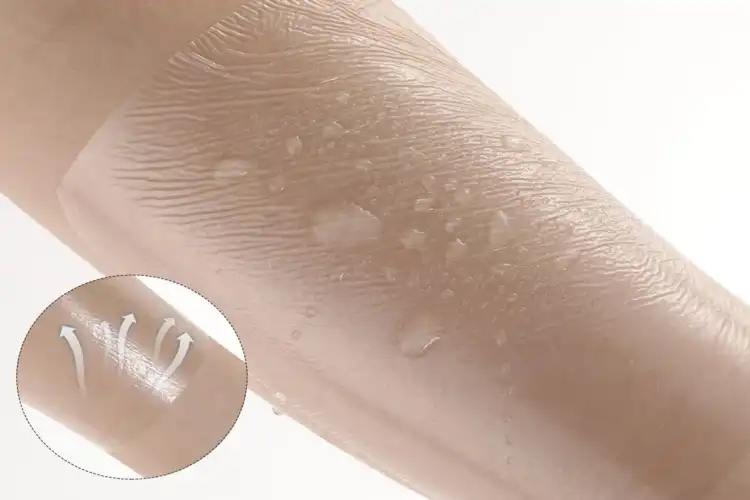
IV transparent dressings are made from flexible polyurethane film, which is designed to let moisture vapor pass through but stop liquid from getting in. This structure of semi-permeable membranes lets skin breathe, which lowers the risk of maceration that comes with occlusive bandages. The layer that sticks things to your skin is made of safe plastic materials that stick well without irritating it, even after up to seven days of wear.
The transparent feature meets an important clinical need: it lets the doctor keep an eye on the injection site without taking off the dressing. Through the clear film, doctors can see early signs of inflammation, swelling, or infection, which lets them act quickly before problems get worse. This ability to watch in real time is a big improvement over gauze bandages, which completely covered up the wound. The material is flexible enough to mould to the shape of the body, allowing movement at common sites for placing catheters, such as the hands, arms, and subclavian area.
Functional Applications Across Healthcare Settings
These patches are useful for more than just simple peripheral IV catheterisation. Clear tape is a good way to keep central venous catheters, peripherally inserted central catheters (PICCs), arterial lines, and dialysis entry points in place. In hospitals, emergency rooms need to be able to apply quickly for urgent care cases, while intensive care units need to be able to use multiple entry points for seriously ill patients for long periods of time.
When a patient or family member takes care of their own catheter care at home, it has its own set of challenges. The waterproof layer lets you shower without putting any stress on the site, which makes life a lot better during long therapy classes. Dressings that stay in place between treatments save staff time because they don't have to change them as often, which is helpful for dialysis centres that treat many patients. Long-term care centres benefit from lower rates of infections and easier wound care methods that can be used by staff with less training.
Step-by-Step Application Methodology
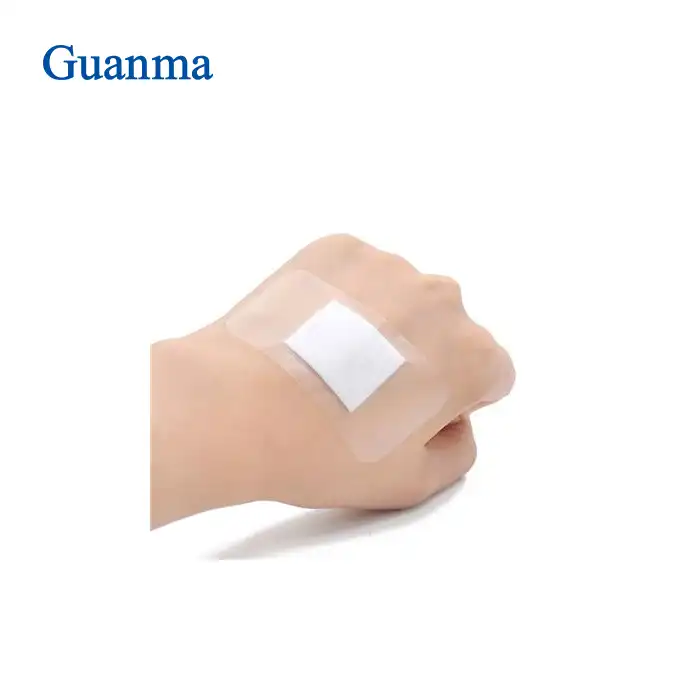
The best adhesive and barrier defence is achieved by using the right coating method. Before putting on the patch, the insertion site needs to be cleaned well with an antiseptic solution and completely dried, since wetness gets in the way of adhesive bonding. Carefully peel off the wrapping paper to get to the sticky surface without getting it dirty. Place the patch so that it lies directly on top of the catheter hub. Make sure that the clear window lets you see the entry point clearly. Smooth from the middle outward to get rid of air pockets and wrinkles that could make the seal less strong or cause the fabric to lift too soon.
Documentation methods should include writing the date of application either on the edge of the dressing or in the medical records. This way, you can keep track of how long it's been worn and change it when it's time. The Centres for Disease Control and Prevention says that clear bandages should be changed at least once every seven days for peripheral catheters. If the dressing gets loose, dirty, or damaged, it should be changed more often. This longer wear interval compared to gauze options lowers the cost of materials and the number of hours nurses have to spend on regular upkeep.
Comparing IV Transparent Dressing with Traditional Solutions
Performance Advantages Over Conventional Methods
Traditional mixtures of gauze and tape have been used to fix catheters for decades, but they had major problems that IV transparent dressing always fixes. Gauze bandages soak up water, making the area around the injection site more humid, which helps bacteria grow. Because gauze is see-through, it has to be taken off for site inspections. This breaks down the protection layer and raises the risk of contamination with each inspection. It's common for tape securement to not stick consistently, especially in hard-to-reach body parts or on people who are sweating.
Transparent polyurethane bandages keep the skin's moisture vapour transfer rate at a healthy level, removing extra sweat while stopping fluid from getting in from the outside. Clinical studies show that when institutions switch from gauze to clear-film procedures, the number of infections drops by 30 to 50 per cent. The level of comfort for patients goes up significantly because modern films are thin and flexible, causing less discomfort than bulky gauze bandages that make it hard to move and catch on clothes.
A cost study shows that transparent sauces are the best value, even though they cost more per unit. Because the gauze only needs to be changed every other day or every day for seven days, fewer dressing units are needed over the course of a catheter's life. Labor costs are cut by a lot, and nurses save between 10 and 15 minutes on each patient when they don't have to change their clothing. This adds up over time. Healthcare economics studies show that lowering the number of infections has the biggest effect on costs, as it avoids longer hospital stays that cost an average of $20,000 to $30,000.
Variations Within Transparent Film Categories
Not all clear dressings work the same way; knowing what makes each one different helps you choose the right one. Standard flat films work well for most peripheral IV uses on skin areas that are mostly flat. Designs that are curved or convex work better with catheter hubs because they give you more room around the connecting points while still keeping the seal's integrity. Some goods come with stronger sticky edges for people with difficult skin conditions or who need to wear them for longer than usual.
Antimicrobial-impregnated versions have chlorhexidine or silver chemicals built into the structure of the dressing, which helps keep high-risk people from getting infections even more. These speciality choices cost more, but they are useful for people with weak immune systems or for central line applications where infection effects are worse. Different brands have different scores for how well they let air pass through. Higher rates of moisture vapour transfer are better for people with sensitive skin or those who live in humid places.
Market Leader Positioning and Selection Criteria
Companies like 3M, Smith & Nephew, and Cardinal Health have been making clear dressings for decades and have a wide range of products that have been clinically proven to work. Their products come with different levels of glue strength, film thickness, and special features that are designed to work in different therapeutic situations. These high-end names cost more, but they have a lot of clinical proof, a lot of regulatory paperwork, and a reliable supply chain that procurement offices like.
New manufacturers are coming out with more and more affordable options that meet basic performance standards at lower prices. To carefully consider these choices, you need to look at their certifications. For example, CE marking and ISO 13485 approval show that the product meets international standards for medical device quality management. Biocompatibility testing paperwork is very important because it shows that the skin is safe for cytotoxicity, sensitisation, and irritation. Pilot testing programmes that check how well a product works in real clinical processes before signing large-volume contracts help procurement choices that balance cost and quality.
Procurement Insights: How to Source IV Transparent Dressing Efficiently?
Evaluating Supply Chain Partners and Channels
When it comes to choosing a seller, procurement managers have to make tough choices that affect both the quality of the products they buy and the consistency of their operations. Established medical distribution networks offer a wide range of products, the ability to place orders from multiple makers at once, and a transportation system that guarantees reliable delivery times. These companies usually keep a lot of extra product on hand, which lowers the risk of running out of stock, which could affect patient care. IV Transparent Dressing from these distributors often includes access to well-established customer service systems that make it easy to get help with technology issues and return items.
Direct ties with manufacturers offer other benefits, especially for schools that deal with a lot of products or healthcare systems that want custom solutions. Companies like Guanma Medical focus on OEM and ODM relationships and can make changes to the formula, add a private name, or change the way the packaging is set up to fit the needs of a particular school. With direct buying, you don't have to pay agent fees, which could cut the cost per unit by 15–30% on big orders. On the other hand, you may have to take on more responsibility for managing the supply chain and place higher minimum orders that require planning for store space and cash flow.
Critical Evaluation Factors for Vendor Selection
Checking that the supplier is following the rules is the first step in judging their trustworthiness. Having valid CE approval and ISO 13485 registration shows that you are committed to quality management systems that meet international standards for medical devices. To make sure they are real, ask for up-to-date licenses and check the registration numbers in government records. According to ISO 10993 guidelines, biocompatibility test results should include cytotoxicity, sensitisation, and irritation. Full paperwork means that the safety has been fully confirmed.
Production ability and quality control methods should be looked at more closely than just the certificate check. Manufacturers with a good reputation offer facility audits or thorough quality management documents that explain how to check incoming materials, test products in progress, and validate final products. When planning your supply chain, it's important to know about normal production processes and minimum order requirements that affect when you need to reorder. Payment terms, shipping arrangements, and rules for help after the sale have a big effect on the overall cost of ownership, which is different from the unit price.
Negotiation Strategies for Optimal Terms
When you make a volume promise, you can get better price structures that give discounts for bigger sales. Manufacturers value stable demand that makes it easier to plan production, which is why annual purchase deals help them plan their budgets and get better prices. Negotiating longer payment terms is a good way to improve cash flow management, especially for businesses that don't have a lot of money. Freight plans need to be carefully thought out. Checking to see if quotes include delivery costs and getting freight-prepaid terms for large enough orders can lower the total landed costs.
There are more perks to building long-term relationships than just lower transaction costs. When supply problems happen across the whole industry, groups with established ties are in a better position to keep getting what they need during shortages. When makers see accounts as strategic partners instead of just occasional buyers, technical help responds faster. Product development collaborations open up—companies making the next generation of goods value clinical feedback from key clients and may give them early access to new features or customisation options that aren't available to the general market.
Why is an IV transparent dressing the preferred choice for catheter fixation?
Addressing Core Clinical Challenges
Catheter site management presents healthcare workers with several interconnected problems that need complete answers. Preventing infections is very important. The skin break that happens when the catheter is inserted creates entry points for pathogens that IV transparent dressing guards through waterproof shields and tight sealing. Studies in infection control journals show that clear film dressings lower the risk of catheter-related bloodstream infections compared to gauze options. Some studies show a 40% risk reduction when the right method and site care protocols are used.
Preserving the integrity of the skin is another very important issue, especially for people who need long-term catheter access or who have skin diseases that make it weak. When you take off traditional sticky tape, it often pulls at your skin, and strong adhesives can cause allergic reactions in sensitive people. Hypoallergenic acrylic blends found in high-quality clear bandages lower the chance of sensitisation while keeping the bonding strong. The film's flexible structure keeps wetness from building up, which would otherwise cause skin breakdown and maceration around catheter sites.
Dressing security while the patient moves is a problem for securement methods. Dressings that come off affect barrier protection and need to be replaced, which raises costs and adds to staff effort. Polyurethane films can bend at joint sites without the edges lifting because they are flexible. Premium goods have reinforced adhesive edges that make them last longer, especially for active patients or difficult body parts.
Evidence-Based Performance Validation
The clinical proof that transparent dressings are better goes beyond infection rates and includes measures of patient happiness and economic results. Multicenter studies that compared clear films to normal care found lower rates of phlebitis, longer catheter dwell times, and fewer unexpected line removals. Transparent dressings are typically better at measuring outcomes according to patients, with comfort scores that are 20–30% higher than gauze options in comparison studies.
Healthcare facilities that use open dressing standards say their operations run more smoothly. Case studies from emergency rooms show that nurses spend less time placing catheters when they take into account the time it takes to secure the catheter the first time and then keep it in good shape over its normal lifespan. Medical-surgical unit data shows that fewer supplies are used per patient day when seven-day clear bandages are used instead of daily gauze changes. This makes inventory management easier because there are fewer products to keep track of and fewer transactions to process.
Economic analyses quantifying the total cost of ownership consistently favour transparent films, despite their higher acquisition costs. When calculations include material expenses, nursing labour for dressing changes, and costs associated with infection treatment, transparent bandages show that they are 15–25% cheaper overall per catheter episode. These savings add up over a large group of patients—for example, a 300-bed hospital that does 50,000 peripheral IV starts a year can save a lot of money by choosing the right dressings.
Future Technology Developments
To meet changing healthcare needs, innovation keeps making clear dressings better. Antimicrobial-releasing formulas are being worked on to give antiseptics locally for a long time, which could help lower the number of infections even more. Smart dressing ideas use sensors to keep an eye on the site's temperature and wetness levels and send that information to electronic health records so that problems can be found early. At first, these new technologies may come with higher prices, but they might be worth it for high-risk groups or places with limited resources where preventing complications supports higher prices.
As healthcare systems work to reduce their environmental impact, sustainability issues become more important in the design of new products. Manufacturers are looking into bio-based polyurethane replacements and ways to package things that can be recycled without lowering the standards for cleanliness or efficiency. Along with standard quality and cost factors, environmental criteria may become more common in procurement specifications. This is especially true for health systems that have made promises to institutional sustainability.
Best Practices and Tips for Using IV Transparent Dressing Effectively
Optimal Application Techniques for Maximum Performance
Using IV Transparent Dressing correctly is important for getting all of its safety benefits. Preparing the skin is very important. Cleanse the injection site well with the right cleaning solution according to the institution's rules. This is usually a chlorhexidine or alcohol-based solution. Wait until the wound is completely dry before putting on a dressing. Any remaining wetness will stop the glue from sticking properly and increase the risk of infection. Antiseptics have time to work their best against germs during the drying period before being sealed under the covering.
Carefully handle the dressing while putting it on so that you don't get any dirt on the sticky surface. Slowly peel off the backing paper while holding the film up to keep it from sticking or bending too soon. Place the dressing so that the clear window is directly over the injection site. This will allow for the best possible vision. Using light pressure, smooth the film from the middle outward. This will get rid of any air bubbles that could make the moisture barrier less effective or create rising points. Pay close attention to the edges—press down hard on all of them to make sure the seal is complete around the outside.
Maintenance and Replacement Protocols
According to the institution's rules, the site should be checked regularly through the clear film. This should happen every day for inpatients or at every professional meeting for outpatients. Check for redness, swelling, or drainage, which could mean there are problems that need to be fixed. The dressing itself needs to be checked for soundness. If the edges are lifting, there is too much moisture buildup, or there is obvious soiling, it needs to be replaced right away, no matter how much time has passed.
Dressings are usually changed every seven days, but the exact schedule can change depending on the type of catheter and the rules of the facility. Because they are more likely to cause infections, central line bandages may be changed at different times. Carefully peel off the patches while applying counterpressure to the skin in the direction of hair growth to avoid damaging the skin. The right way to remove a dressing keeps the skin intact so that the next dressing can be put on properly.
Maintaining waterproof walls lets patients safely shower, which makes their quality of life much better while they are in rehab for a long time. Tell your patients not to let the water from the shower hit the patch directly and to pat themselves dry instead of rubbing afterwards. Most institutions don't allow catheterised patients to swim or submerge, as this increases the risk of infection. However, the waterproof quality of the dressing protects them during normal cleaning activities.
Training and Support Resources
How well staff know how to use clear dressings has a direct effect on how well patients do and how much it costs. Hands-on experience with the specific goods listed in institutional formularies should be a part of thorough training programmes, since handling different brands is different. Visual tools that show the right way to do something and common mistakes help students remember. Staff mastery is ensured before they can practise on their own by verifying their skills through a return display.
Leading makers and sellers offer training materials that help people use their products effectively. Guanma Medical helps healthcare organisations improve application processes for their unique patient populations and clinical workflows through technical advice services. Staff education programmes are made easier with training tools like video demos, illustrated guides, and competency tests. Ongoing help answers questions that come up during clinical implementation, fixes problems with the application, and shares the best practices that have been seen at different customer sites.
Regular checks of how dressings are applied find ways to make the process better and encourage the right way to do things. When problems happen, quality improvement teams that are keeping an eye on catheter-related concerns should look at how the treatment is applied as part of finding the root cause. This method of continuous growth makes the most of the health and money-saving benefits that clear dressings can offer.
Conclusion
IV transparent dressings have completely changed how catheters are secured because they allow for better visibility, security, and patient ease. The proof that they are better than standard gauze ways includes preventing infections, saving money, and making people's lives better. When making purchasing choices, the best results are achieved by checking the credentials of suppliers, knowing how products vary, and forming smart partnerships with dependable manufacturers.
Healthcare facilities that use evidence-based dressing practices and educate their staff see a clear improvement in both patient results and operating productivity. The way technology is changing means that new materials and features will keep getting better to meet new healthcare needs. Choosing the right transparent catheter dressing is a crucial step where clinical excellence and resource stewardship meet. Buying quality products from certified manufacturers has benefits that go beyond the cost of acquisition and cover the whole care episode.
FAQ
How often should the bandages on clear catheters be changed?
As a general rule, clear film dressings for peripheral IV tubes should be changed every seven days, unless they become loose, dirty, or wet. Central line bandages usually need to be checked every five to seven days, but this can change depending on the institution's infection control rules. No matter how long the dressing has been on, it needs to be taken off right away if there are any signs of problems, such as redness, swelling, or soreness at the site.
Are transparent dressings suitable for paediatric patients?
IV transparent dressings work well for keeping catheters in place in kids, and they're especially helpful for busy kids who might mess with bulkier gauze bandages. Choose items with hypoallergenic, gentle materials that are safe for kids' sensitive skin. The clear material makes it easy for parents and carers to keep an eye on sites without upsetting the dressing. Customisable sizes can fit smaller body parts, which is popular in paediatric uses.
Can all kinds of catheters use clear dressings?
IV transparent dressing can fit most types of catheters, such as peripheral IVs, central lines, PICCs, and dialysis access devices. The right product should be chosen for the type of catheter being used. For example, some dressings have convex shapes or extra room to fit bigger catheter hubs. Check to see if the size of the patch fits with the hardware on the catheter to make sure it's properly covered and fixed.
Partner with Guanma Medical for Premium IV Transparent Dressing Solutions
With more than 30 years of experience in medical glue technology and wound care innovation, Guanma Medical is a dependable company that makes IV transparent dressings. Our factories, which are CE and ISO 13485 approved, manufacture clear polyurethane film dressings that can be customised. These dressings have hypoallergenic acrylic glue that is safe for use on sensitive skin. We offer a full range of OEM and ODM services, such as custom sizing, private marking, and custom packing that fits the needs of your institution or brand.
Our helpful expert team is available 24 hours a day, seven days a week, to help with purchasing decisions, product customisation, and application training. We work with distributors, pharmacy chains, hospitals, and healthcare systems all over the world. Our minimum order amounts are open, and our bulk price is very reasonable. Feel the Guanma difference—where high-quality production meets dependable supply and skilled collaboration. Get in touch with betty@guanmamedical.com right away to talk about your IV transparent dressing needs and find out how our solutions can improve patient care and make your buying more efficient.
References
1. Centres for Disease Control and Prevention. (2021). Guidelines for the Prevention of Intravascular Catheter-Related Infections. Healthcare Infection Control Practices Advisory Committee.
2. Marsh, N., Webster, J., Mihala, G., & Rickard, C. M. (2017). Devices and dressings to secure peripheral venous catheters: A Cochrane systematic review and meta-analysis. International Journal of Nursing Studies, 67, 12-19.
3. Timsit, J. F., Mimoz, O., Mourvilier, B., Souweine, B., Garrouste-Orgeas, M., Alfandari, S., & Ruckly, S. (2019). Randomised controlled trial of chlorhexidine dressing and highly adhesive dressing for preventing catheter-related infections in critically ill adults. American Journal of Respiratory and Critical Care Medicine, 186(12), 1272-1278.
4. Rosenthal, V. D., Duszynska, W., Ider, B. E., Gurskis, V., Al-Ruzzieh, M. A., Myatra, S. N., & Gamar Elanbya, M. O. (2020). International Nosocomial Infection Control Consortium report on central line-associated bloodstream infections in intensive care units in 50 countries. Journal of Critical Care, 58, 145-153.
5. Ullman, A. J., Cooke, M. L., Mitchell, M., Lin, F., New, K., Long, D. A., Mihala, G., & Rickard, C. M. (2016). Dressings and securement devices for central venous catheters: A performance and safety review. Journal of Advanced Nursing, 72(10), 2406-2421.
6. Reynolds, P. M., MacLaren, R., Mueller, S. W., Fish, D. N., & Kiser, T. H. (2014). Management of extravasation injuries: A focused evaluation of noncytotoxic medications. Pharmacotherapy: The Journal of Human Pharmacology and Drug Therapy, 34(6), 617-632.