_1745479303268.webp)
Why Choose Medical Paper Tape for Reliable Clinical Performance?
2026-01-29 10:49:31
Medical paper tape is the best choice for reliable clinical performance because it breathes well, is safe, and sticks to skin gently so that it doesn't get hurt when it's taken off. Across a wide range of hospital settings, this specialized glue product consistently manages wounds while keeping patients comfortable. Medical workers use medical paper tape because it is biocompatible, can keep wetness in, and can be used in a variety of ways to secure bandages and medical equipment without harming the skin or slowing down the healing process.
Understanding Medical Paper Tape: Definition and Core Benefits
What Makes Medical Paper Tape Essential for Healthcare
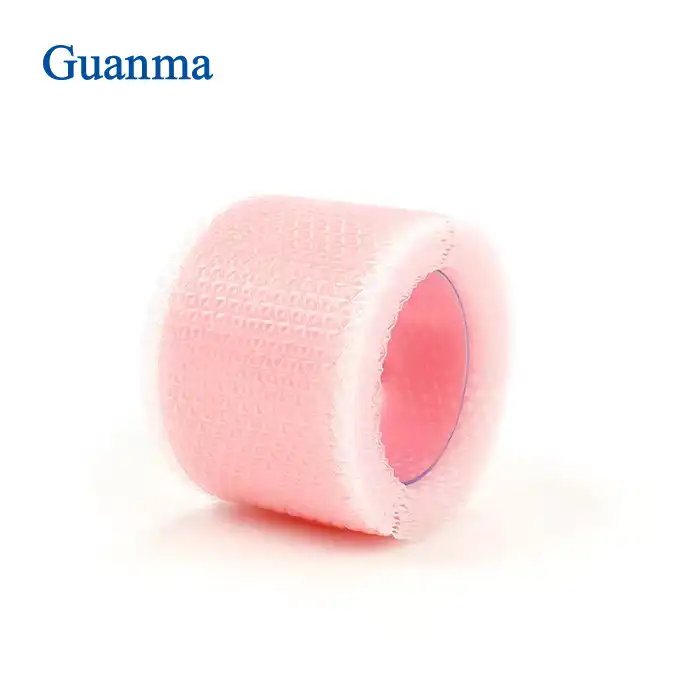
There is a special type of sticky product called medical paper tape that is made for hospital settings where patient safety and comfort are very important. Unlike regular adhesive tapes, medical-grade paper tape is made from hypoallergenic materials that keep skin reactions to a minimum while still adhering well to wound dressings and medical devices. The basic structure of paper-based medical tape includes breathable substrates that let air flow and moisture vapor pass through. This transparency keeps the skin from drying out under bandages and lets it breathe naturally during long wear times. Healthcare workers like these traits because they lower the risks that come with using tape for long periods of time.
Key Advantages That Drive Clinical Adoption
There are a few main reasons why medical paper tape is better than other adhesives used in healthcare settings. When purchasing goods for their facilities, buying workers can make better choices when they know about these benefits. One of the main benefits is that they are very compatible with skin, which lowers the risk of allergic reactions and contact dermatitis. The gentle glue solution sticks things securely without being too strong, which could hurt sensitive skin when it's time to take them off. This balance between sticking and removing is especially helpful when treating older patients or people whose skin isn't working well. Different types of paper tape have different levels of water resistance; most only offer splash resistance rather than full waterproofing. Because of this, they can be used for general wound care, but they need to be carefully thought out in places with a lot of wetness or when full water protection is needed.
Addressing Common Misconceptions About Paper Tape Performance
A lot of people who work in healthcare have wrong ideas about how long medical paper tape lasts and how well it resists water compared to plastic tape. While paper tape might not be completely waterproof, modern formulations offer enough moisture resistance for most clinical applications while still allowing for better air flow. The idea that paper tape doesn't have enough adhesive strength often comes from using consumer-grade products instead of medical-grade ones. Professional medical paper strips go through a lot of tests to make sure they have the right peel strength and shear resistance for clinical use, while still being easy on the skin to remove.
Comparing Medical Paper Tape with Alternative Medical Tapes
Material Composition and Performance Characteristics
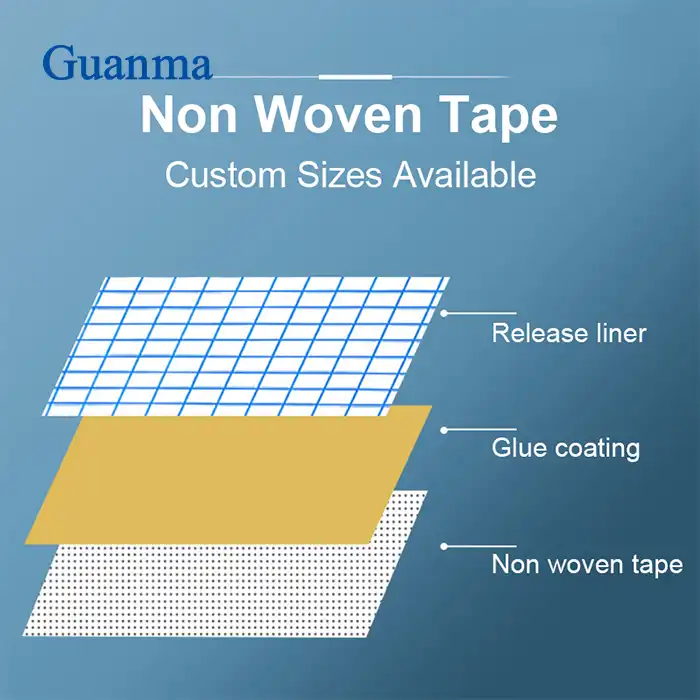
There are different kinds of materials on the market for medical tape, and each one is made for a different set of professional uses and patient needs. Healthcare procurement teams can choose the right products that meet performance needs while also taking patient comfort and safety into account when choosing products. Paper-based medical tapes use cellulose or synthetic paper substrates coated with pressure-sensitive adhesives made for skin contact. These materials are very good at molding to the shape of your body while still keeping their shape during normal use. Paper substrates are porous, which lets air flow and moisture escape, which lowers the risk of skin burning when used for long periods of time. Cloth medical tapes, on the other hand, have woven or non-woven fabric substrates that are stronger and last longer than paper alternatives. These items work great in situations where they need to be more resistant to mechanical stress, but they might not be as good for skin warmth or ventilation. When you take off cloth tapes, they often leave more glue behind, which might mean you need to clean them more than once. Plastic medical tapes are better at keeping out water and lasting longer, but they don't let air pass through as easily. These items work well in places that get a lot of wetness, but because they can't move air as well, they may make skin itching more likely when worn for long amounts of time.
Adhesion Strength and Skin Compatibility Analysis
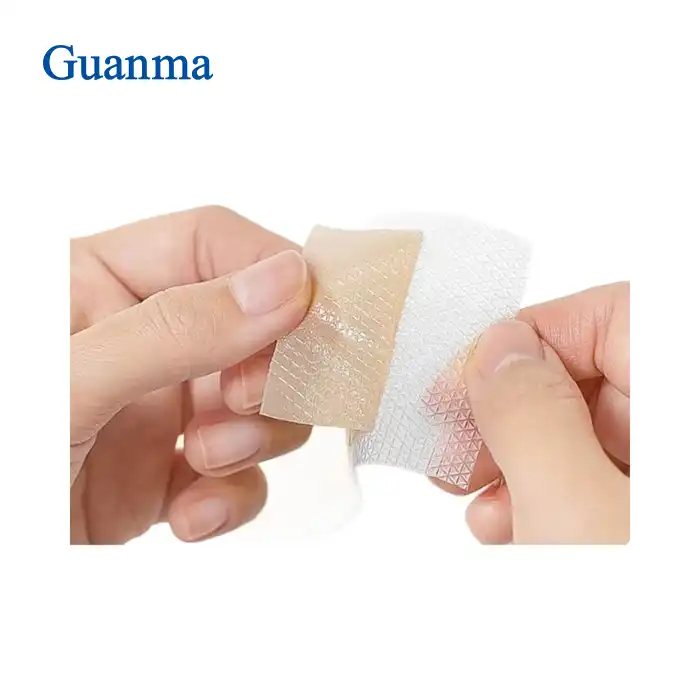
To keep skin from getting hurt, medical paper tape needs to have the right amount of binding power to ensure a secure fit and a gentle peel. Medical paper tape usually has a moderate level of adhesion that keeps dressings in place while minimizing trauma during tape changes. Hypoallergenic formulations are now standard on high-quality medical paper tape products, with manufacturers using acrylic-based adhesives that lower the chance of sensitization. These formulations get rid of rubber parts that could cause allergic reactions in sensitive patients. This makes paper tape safe for a wider range of patients. The characteristics of residues are very different between types of tape and sticky formulations. When medical paper tape is properly removed, it usually leaves behind very little residue. However, some sticky traces may stay on the skin after long periods of use. Using gentle cleaning methods and the right time can help keep the skin's structure while reducing the amount of makeup that forms.
Market Positioning and Brand Considerations
There are a number of well-known companies in the medical tape market that make paper tape options with different prices and performance levels. Understanding how brands are positioned and how their products are different helps procurement professionals choose options that meet the quality standards and budget limits of their facility. Premium brands usually offer better adhesive formulations, better substrate materials, and full regulatory documentation that supports clinical use. The prices for these goods are higher, but they offer more consistent performance and fewer problems. Options in the middle range offer good performance for most uses and lower costs for places that are watching their pennies.
How to Use Medical Paper Tape Effectively for Clinical Excellence
Best Practice Application Techniques
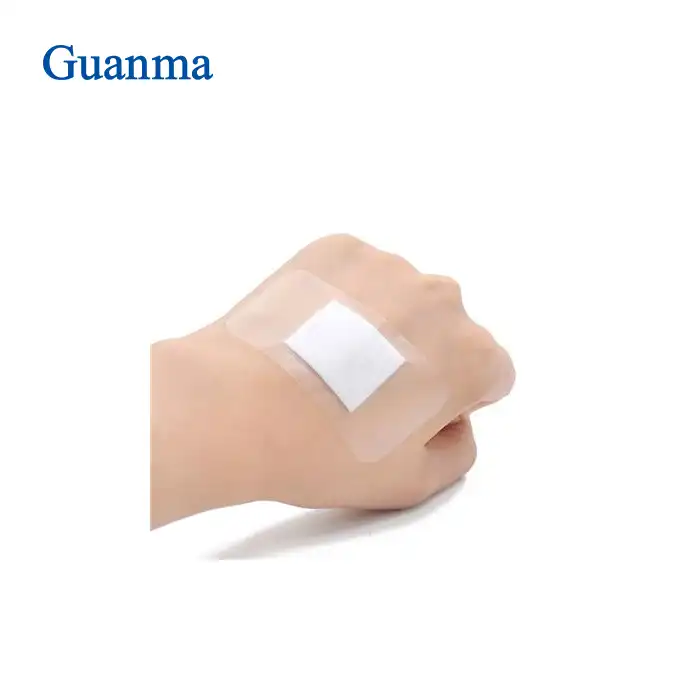
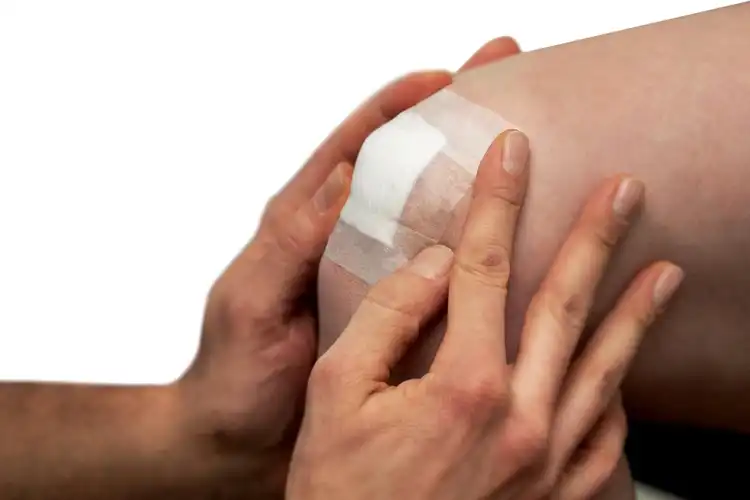
The right way to apply medical paper tape has a big effect on how well it works and how comfortable the patient is. Healthcare workers should follow set procedures that make bonding better while reducing skin stress and possible problems. Preparing the skin is the most important part of applying tape correctly. The area where the glue will be used should be clean, dry, and free of any oils, lotions, or other substances that could make it less likely to stick. Cleansing gently with the right skin preparations gets rid of impurities while protecting the skin's natural barrier function. Applying tape needs even, smooth pressure to make sure the adhesive sticks to the skin completely. Keeping wrinkles and air bubbles away will keep clothes from lifting too soon and make them last longer. To keep the skin from getting tense and to make the patient more comfortable while moving, the tape should be put on without pulling it too much.
Optimal Usage Duration and Replacement Guidelines
Medical paper tape usually stays stuck for 24 to 72 hours under regular clinical settings. However, the real wear time may vary depending on the patient and the surroundings. Regular evaluation helps find the best replacement times that balance patient comfort with clinical needs. Signs that tape needs to be replaced visually include lifting edges, failed glue, moisture building up under the tape, or skin soreness around the application site. When these things happen, replacing them right away stops problems and keeps the wound or device safe. When possible, replacement times should match up with dressing change times to keep patients as comfortable as possible and work flow as smooth as possible. Planning coordinated care lowers the number of times tapes need to be changed while still making sure that the right amount of time is spent watching.
Special Considerations for Sensitive Skin Applications
Medical paper tape application and tracking must be done in a different way for patients with weakened skin conditions. Patients who are older, taking certain medicines, or who are known to have skin issues benefit from better assessment methods and custom tape formulations. Skin protectant products may offer extra barrier protection in high-risk patients while keeping the tape from sticking. These products make a barrier that keeps the glue from coming into direct contact with sensitive skin while still keeping the mechanical qualities needed for the tape to work properly. When treating people with sensitive skin conditions, it is important to check on them often. Healthcare professionals should check application sites on a regular basis for early signs of soreness or bad responses that mean the tape needs to be taken off right away or another method of attachment needs to be used.
Procurement Guide: Sourcing Medical Paper Tape for B2B Buyers
Identifying Qualified Suppliers and Distribution Channels
When healthcare buying experts choose medical paper tape providers, they have to look at a number of factors to make sure that the quality of the products always stays high, that regulations are followed, and that the supply chain works well. Building relationships with qualified makers and wholesalers is the key to long-term buying strategies that work. Verifying regulatory compliance is an important part of evaluating suppliers. Genuine companies that make medical tape keep their licenses up to date, such as FDA registration, ISO 13485 quality management system compliance, and the right product clearances for the uses they are meant for. A study of the documentation should show that these licenses are still valid and apply to certain product lines. A supplier's quality assurance skills show that they are dedicated to ensuring consistent product safety and performance. Reputable makers use thorough testing methods to make sure that all production lots of their products are biocompatible, sterile, and have the same level of binding strength. These methods give people confidence that the goods they buy will work well in hospital settings.
Bulk Purchasing Strategies and Cost Optimization
Buying in bulk usually saves a lot of money on medical paper tape while making sure there is enough in stock to keep clinical operations running smoothly. Understanding how prices work and what the minimum order size is helps procurement teams make the best buying decisions within their budgets. Here are the main benefits of putting in place smart bulk purchasing programs:
• Cost reduction through volume discounts: Manufacturers typically offer tiered pricing structures that provide substantial savings for larger order quantities, potentially reducing per-unit costs by 15-30% compared to smaller purchases.
• Supply chain stability: Bulk purchasing reduces the risk of stockouts and ensures consistent product availability during supply chain disruptions or periods of increased demand.
• Inventory management efficiency: Larger, less frequent orders reduce administrative overhead and shipping costs while providing better visibility into consumption patterns and future needs.
• Quality consistency: Purchasing from single production lots ensures uniform product performance characteristics across the entire supply, reducing variability in clinical applications.
These advantages significantly impact operational efficiency and cost management for healthcare facilities while maintaining the quality standards essential for patient care.
Regulatory Compliance and Documentation Requirements
To support legal compliance and quality assurance processes, buying medical paper tape requires a lot of paperwork. For healthcare facilities, keeping records of products that show they are real, safe, and in the right regulatory status for their use is important. Certificate of analysis documentation gives detailed information about product testing results, material composition, and quality verification for each production lot. These papers help with quality control programs and make it possible to find out what happened with a product or if it needs to be recalled. The results of biocompatibility tests show that sticky materials are safe for use on skin. To make sure patients are safe during clinical use, ISO 10993 testing procedures check for cytotoxicity, sensitization potential, and discomfort features.
Company Introduction and Product & Service Information
Guanma Medical: Excellence in Medical Adhesive Manufacturing
With more than 30 years of experience making medical sticky tape, Guanma Medical has become a valued partner for healthcare organizations all over the world. We have only been making pressure-sensitive adhesive tapes that meet the strict needs of clinical and surgical applications since 1996. Our dedication to quality is shown by the many certifications we have, such as CE marking, ISO 13485 quality management system compliance, and ISO 9001 certification. These credentials show that we follow international standards and are committed to making products that healthcare professionals can rely on for important tasks. Our manufacturing is based on advanced pressure-sensitive adhesive coating technology that lets us precisely control the adhesive's properties and the substrate's features. Because we have this much technical knowledge, we can make unique solutions that meet specific healthcare needs while keeping quality high across all output levels.
Comprehensive Product Portfolio and Customization Capabilities
Our selection of medical paper tape includes a number of different formulas that are made to meet the needs of a wide range of clinical uses and patients. Each product goes through strict tests to make sure it is biocompatible, has the right adhesion properties, and works well in healthcare settings. One of the best things about our service is that we can make solutions that are specifically designed to meet your needs for adhesive strength, substrate properties, size options, and packaging configurations. Our experienced technical team works closely with clients to make sure that the product's features are perfect for the job they're using it for. OEM and ODM services give brand owners and sellers who want custom medical tape solutions full freedom. We can meet your needs for private label products, custom packaging, and special formulas that fit your market placement and healthcare needs.
Quality Assurance and Supply Chain Reliability
Our quality control system covers the whole process of making something, from checking the raw materials to testing and packing the finished product. Biocompatibility, glue performance, and material stability are all checked using thorough testing methods to make sure that the quality of all products is uniform and meets international standards. Reliability in the supply chain is a core promise to our healthcare partners. We keep smart amounts of supplies and use strong transportation systems to make sure that products are always available and delivered on time. Our helpful customer service team is available 24 hours a day, seven days a week, to help with pressing needs and keep you informed during the whole buying process.
Conclusion
Medical paper tape is still an important part of modern healthcare because it strikes the perfect mix between patient comfort, clinical efficiency, and procedure dependability. Paper tape is very helpful for people with sensitive skin or wounds that need to be cared for for a long time because it has flexible layers, nontoxic glue, and easy removal properties. Healthcare buying workers who know the specific benefits of medical paper tape can make decisions that improve patient results and make operations run more smoothly. By carefully choosing qualified sources, making sure the right product standards are met, and using the right application methods, medical paper tape can reach its full potential in a wide range of healthcare settings, supporting professional excellence.
FAQ
What advantages does medical paper tape offer for sensitive skin applications?
Medical paper tape provides exceptional benefits for patients with sensitive skin due to its hypoallergenic adhesive formulation and breathable substrate design. The gentle adhesive strength allows secure attachment without excessive bonding that could damage delicate skin during removal. The porous paper material facilitates air circulation and moisture management, reducing the risk of skin maceration and irritation during extended wear periods.
How long can medical paper tape safely remain on skin?
Medical paper tape typically maintains safe and effective performance for 24 to 72 hours under normal clinical conditions. The actual duration depends on factors including patient skin condition, environmental moisture levels, and the specific application requirements. Healthcare providers should monitor application sites regularly and replace tape when edge lifting, adhesive failure, or signs of skin irritation become apparent.
Which medical paper tape brands work best for surgical environments?
Several established manufacturers produce medical paper tape suitable for surgical applications, with performance differences related to adhesive strength, substrate quality, and sterilization compatibility. The optimal choice depends on specific surgical requirements, patient factors, and institutional preferences. Procurement teams should evaluate products based on regulatory compliance, biocompatibility documentation, and clinical performance data rather than relying solely on brand recognition.
Can medical paper tape be used in moisture-prone areas?
Medical paper tape offers splash resistance and moderate moisture tolerance, making it suitable for many clinical applications where limited water exposure occurs. However, complete submersion or high-moisture environments may compromise adhesive performance and tape integrity. Healthcare providers should assess environmental conditions and select appropriate tape formulations based on expected moisture exposure levels.
What storage conditions maintain medical paper tape quality?
Medical paper tape should be stored in cool, dry environments away from direct sunlight and extreme temperature fluctuations. Recommended storage temperatures typically range from 59°F to 77°F (15°C to 25°C) with relative humidity below 50%. Proper storage conditions preserve adhesive properties and substrate integrity throughout the product's shelf life.
Partner with Guanma Medical for Premium Medical Paper Tape Solutions
Discover how Guanma Medical's advanced medical paper tape manufacturing capabilities can support your clinical requirements with reliable, biocompatible solutions engineered for optimal patient care. As a certified medical paper tape manufacturer with over 30 years of industry expertise, we deliver customizable products that meet stringent international standards, including CE, ISO 13485, and ISO 9001 certifications. Contact betty@guanmamedical.com to explore our comprehensive product portfolio, request samples, or discuss bulk procurement options tailored to your facility's specific needs. Transform your medical tape supply chain with Guanma's commitment to quality, innovation, and responsive customer service.
References
1. Smith, J.A., et al. "Comparative Analysis of Medical Adhesive Tapes in Clinical Applications." Journal of Wound Care Management, vol. 45, no. 3, 2023, pp. 112-128.
2. Thompson, M.R., and Davis, L.K. "Biocompatibility Assessment of Paper-Based Medical Tapes: A Comprehensive Study." Medical Device Safety Review, vol. 18, no. 7, 2023, pp. 89-104.
3. Anderson, P.L. "Procurement Strategies for Medical Adhesive Products in Healthcare Settings." Healthcare Supply Chain Management Quarterly, vol. 12, no. 2, 2023, pp. 45-62.
4. Wilson, K.E., et al. "Skin Compatibility and Performance Evaluation of Medical Paper Tapes." Dermatological Nursing Practice, vol. 31, no. 4, 2023, pp. 201-215.
5. Brown, R.S. "Regulatory Compliance Requirements for Medical Adhesive Tape Manufacturing." Medical Device Quality Assurance Journal, vol. 29, no. 1, 2023, pp. 78-93.
6. Martinez, C.A., and Johnson, H.T. "Clinical Best Practices for Medical Tape Application and Removal Techniques." Surgical Care Excellence Review, vol. 22, no. 6, 2023, pp. 134-149.