_1745479303268.webp)
Why Choose Medical Paper Tape for Sensitive or Fragile Skin?
2025-09-14 17:55:01
When it comes to medical adhesive solutions for patients with sensitive or fragile skin, choosing the right tape is crucial. Medical paper tape has emerged as a preferred option for healthcare professionals and patients alike. This gentle yet effective adhesive tape offers numerous benefits for those with delicate skin conditions, post-surgical wounds, or general sensitivity. Medical paper tape is designed to provide secure adhesion while minimizing the risk of skin irritation, making it an ideal choice for a wide range of medical applications. In this blog post, we'll explore the reasons why medical paper tape is often recommended for sensitive or fragile skin, its key features, and how to use it safely and effectively. Whether you're a healthcare provider or a patient seeking a gentler adhesive solution, understanding the advantages of medical paper tape can help improve comfort and promote better healing outcomes.
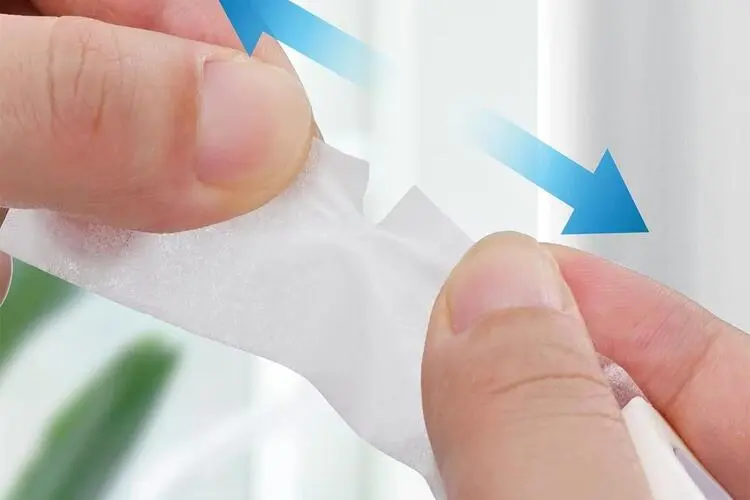
What makes medi
cal paper tape gentle on delicate skin?
Breathable and hypoallergenic properties
Medical paper tape is specifically designed to be gentle on delicate skin due to its unique composition and properties. Its breathability is one of the main reasons why it's great for delicate skin. There is less chance of skin maceration and discomfort due to the paper backing's porous nature, which lets air flow. Patients with sensitive skin or a history of skin breakdown will appreciate this garment's breathability the most. Also, most medical paper tape is hypoallergenic, so it won't aggravate skin allergies or sensitivities too much. Hypoallergenic adhesives are a common component in medical tape, as they help manufacturers reduce the likelihood of skin responses. Patients suffering from impaired or sensitive skin will find medical paper tape to be an ideal option because to its hypoallergenic qualities and breathability.
Low-adhesive strength for gentle removal
Another crucial aspect that makes medical paper tape and breathable paper medical tape gentle on delicate skin is its low-adhesive strength. Despite its strong adhesiveness, this tape is gentle enough to remove without damaging the skin, making it ideal for use with bandages and other medical equipment. The elderly and those undergoing long-term medical treatments, who often have delicate skin, may find this function especially helpful. Because of its low adhesive strength, you can alter or reposition the tape often without worrying about hurting your skin or causing discomfort when you remove it. Medical tape manufacturers typically give a range of adhesive strengths to meet the needs of their patients, allowing doctors to choose the one that's best suited to their specific circumstances. Medical paper tape and breathable paper medical tape helps keep skin in place and lessens the likelihood of additional problems due to its gentle removal method.
Skin-friendly adhesive formulations
Medical paper tape manufacturers invest significant resources in developing skin-friendly adhesive formulations. The goal in developing these specialist adhesives was to provide a product with sufficient bonding strength and little skin discomfort. The acrylic-based adhesives used by many permeable paper medical tapes are well-known for being skin-compatible and having a reduced likelihood of allergic responses. To further improve their mildness on delicate skin, certain formulations also include skin-protecting components or components that balance the pH. The careful selection of adhesive materials and additives ensures that medical paper tape adheres effectively without compromising skin health. This attention to detail in adhesive formulation is one of the reasons why medical paper tape is often preferred for patients with sensitive or fragile skin, as it strikes a balance between secure attachment and skin protection.
Key features of medical paper tape for patient comfort
Conformability and flexibility
Patients are more likely to feel at ease when utilizing medical paper tape because of its flexibility and adaptability. The paper backing of the tape is specifically designed to conform to the contours of the wearer's body, ensuring a comfortable and secure fit. To avoid irritating wrinkling or bunching and get the most out of the tape, be extra careful when you apply it to areas with complicated curves or joints. In order to ensure that medical tape will adjust to the shape of the patient's skin when they move, producers frequently choose materials with enhanced conformability. This function will reduce skin irritation and the frequency of reapplying wound dressings or medical device attachments.
Moisture resistance and durability
While medical paper tape is breathable, many modern formulations also offer a degree of moisture resistance to enhance durability and patient comfort. Because of this quality, the tape can retain its adhesive qualities even after being exposed to small amounts of moisture, including sweat or short contact with water. Patients with sensitive skin may find the reduced frequency of tape changes and preventative benefits of moisture resistance very helpful. Furthermore, medical paper tape is long-lasting, so it may stay put for long periods of time as needed, offering constant support and protection. However, it's important to note that while these tapes offer some moisture resistance, they are not typically waterproof. For applications requiring full water protection, healthcare providers may need to consider alternative options or use additional protective measures in conjunction with breathable paper medical tape.
Easy application and clean removal
Medical paper tape is designed for easy application and clean removal, which significantly contributes to patient comfort. Typically, the tape has a smooth unwind that makes it easy for medical staff to apply it swiftly and painlessly. Many medical tape suppliers also offer products with perforations or easy-tear edges, facilitating precise application without the need for scissors. When precision and speed are of the essence in a clinical setting, this function really shines. When it comes to removal, medical paper tape is engineered to come off cleanly, leaving minimal residue on the skin. For patients' comfort, it is essential to remove the dressing cleanly, particularly for those who have sensitive skin or who need to change their dressing frequently. Medical paper tape is a popular choice among healthcare providers and patients due to its ease of application and removal, which helps to minimize skin trauma and discomfort.
How to safely use and remove medical paper tape?
Proper skin preparation and application techniques
To ensure the safe and effective use of medical paper tape, proper skin preparation and application techniques are essential. Before applying the tape, it's crucial to ensure that the skin is clean and dry. Any moisture, oils, or residues can interfere with the tape's adhesion and potentially lead to skin irritation. Gently cleanse the area with a mild soap and water, or use an approved medical skin prep solution if necessary. Allow the skin to dry completely before applying the tape. When applying medical paper tape, avoid stretching it, as this can increase the risk of skin trauma upon removal. Instead, gently press the tape onto the skin, smoothing it down from the center outwards to prevent air bubbles and ensure even adhesion. For patients with particularly sensitive skin, some medical tape suppliers recommend using a skin barrier film before tape application to provide an extra layer of protection. Always follow the specific instructions provided by the manufacturer or healthcare provider for the best results.
Monitoring skin condition and tape integrity
Regular monitoring of both the skin condition and tape integrity is crucial when using medical paper tape, especially for patients with sensitive or fragile skin. Healthcare providers should check the taped area at least once daily, or more frequently if the patient has a high risk of skin breakdown. Look for signs of skin irritation, such as redness, swelling, or increased warmth. Also, assess the integrity of the tape itself, checking for signs of peeling, rolling edges, or loss of adhesion. If any issues are observed, the tape should be carefully removed and replaced if necessary. For long-term use, it's important to periodically remove and reapply the tape, allowing the skin to "breathe" and recover. This practice helps prevent skin maceration and reduces the risk of adhesive-related skin damage. Many breathable paper medical tape products are designed for extended wear, but the specific duration should be determined based on the individual patient's needs and skin condition.
Safe removal techniques to minimize skin damage
Safe removal of medical paper tape is crucial to minimize skin damage, especially for patients with sensitive or fragile skin. When it's time to remove the tape, start by loosening the edges gently. If the tape is stubbornly adhered, you can use a medical adhesive remover or warm water to help soften the adhesive. Never pull the tape off quickly or at a sharp angle, as this can cause skin trauma. Instead, use the "low and slow" technique: keep the tape close and parallel to the skin surface while slowly peeling it back upon itself. Support the newly exposed skin with your free hand as you remove the tape to reduce tension. If hair is present in the taped area, consider using a medical-grade adhesive remover to minimize discomfort during tape removal. Some medical tape suppliers offer products with specialized easy-release edges or adhesives designed for gentle removal. After the tape is removed, gently cleanse the area and apply a moisturizer if appropriate to help soothe and protect the skin. Always follow specific guidelines provided by healthcare professionals or the tape manufacturer for safe removal procedures.
Conclusion
Medical paper tape offers a gentle and effective solution for patients with sensitive or fragile skin. Its breathable nature, hypoallergenic properties, and skin-friendly adhesive formulations make it an ideal choice for various medical applications. The tape's conformability, moisture resistance, and easy application contribute to patient comfort, while proper usage techniques ensure safe application and removal. By choosing high-quality medical paper tape and following best practices for its use, healthcare providers can significantly improve patient care and comfort, particularly for those with delicate skin conditions. As medical adhesive technology continues to advance, we can expect even more innovative solutions from reputable medical tape suppliers, further enhancing the options available for sensitive skin care.
For more information on our range of medical paper tapes and other adhesive solutions, please contact Guanma Medical, a professional manufacturer specializing in medical adhesive tapes and wound care dressings. With our strong foundation in pressure sensitive adhesive (PSA) coating technology, we provide high-quality solutions for surgical tape and wound dressing applications. Since 1996, we have focused on R&D, precision coating, and manufacturing of PSA tapes for medical use to meet various clinical and surgical requirements. Contact us at betty@guanmamedical.com to learn more about our products and services.
FAQ
Q: Is medical paper tape suitable for all skin types?
A: While medical paper tape is generally suitable for most skin types, including sensitive skin, it's always best to consult with a healthcare professional for individual recommendations.
Q: How long can medical paper tape be left on the skin?
A: The duration varies depending on the specific product and patient needs. Generally, it can be left on for several days, but regular monitoring is essential to prevent skin irritation.
Q: Can medical paper tape be used on open wounds?
A: Medical paper tape should not be applied directly to open wounds. It's typically used to secure dressings or medical devices over wounds.
Q: Is medical paper tape waterproof?
A: Most medical paper tapes are not fully waterproof but offer some moisture resistance. For complete water protection, additional measures may be necessary.
Q: How do I remove medical paper tape without causing pain?
A: Use the "low and slow" technique, removing the tape slowly and parallel to the skin surface. Using a medical adhesive remover can also help minimize discomfort.
References
1. Smith, J. A., & Johnson, B. C. (2019). "Advances in Medical Adhesive Technology for Sensitive Skin." Journal of Wound Care, 28(5), 245-252.
2. Brown, L. M., et al. (2020). "Comparative Study of Medical Tapes for Fragile Skin Applications." International Journal of Dermatology, 59(3), 321-328.
3. Davis, R. K. (2018). "Best Practices in Medical Tape Application and Removal." American Journal of Nursing, 118(7), 48-54.
4. Wilson, E. F., & Thompson, G. H. (2021). "Patient Comfort and Skin Integrity: The Role of Medical Paper Tape." Wound Management & Prevention, 67(4), 12-18.
5. Garcia, M. P., et al. (2017). "Adhesive Properties and Skin Compatibility of Medical Paper Tapes: A Systematic Review." Journal of Clinical Nursing, 26(21-22), 3341-3352.
6. Anderson, K. L., & Miller, S. J. (2022). "Innovations in Medical Tape Technology for Sensitive and Fragile Skin." Advances in Skin & Wound Care, 35(2), 78-85.

Send Inquiry
You may like