_1745479303268.webp)
Why Choose Non Woven Wound Dressing for Burns?
2025-09-25 08:51:51
When it comes to treating burn injuries, selecting the right wound dressing is crucial for promoting healing and preventing complications. Non woven wound dressings have emerged as a popular choice for burn care due to their unique properties and benefits. These innovative dressings offer superior absorbency, reduced risk of infection, and gentle removal, making them an excellent option for managing burn wounds. In this blog post, we'll explore the reasons why healthcare professionals and patients alike are increasingly turning to non woven wound dressings for burn treatment. We'll discuss their advanced moisture control capabilities, bacteria-resistant properties, and how they protect sensitive burned skin during dressing changes. By understanding the advantages of non woven dressings, you'll be better equipped to make informed decisions about burn wound care and management.
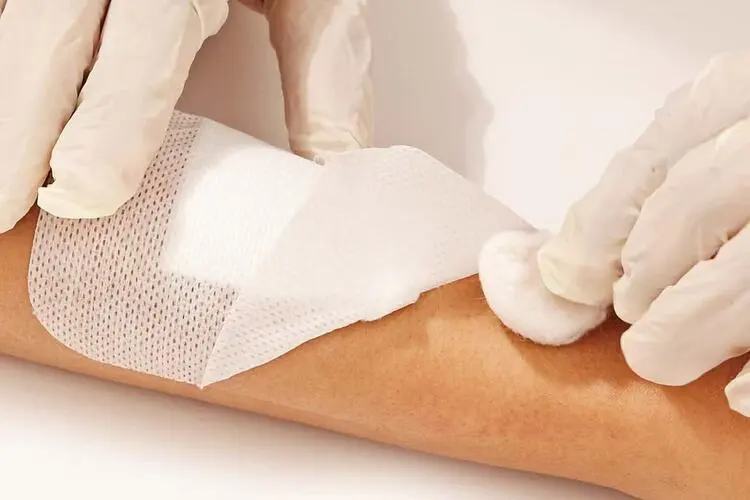
Superior Absorbency and Moisture Control for Burn Wounds
Enhanced Fluid Absorption Capacity
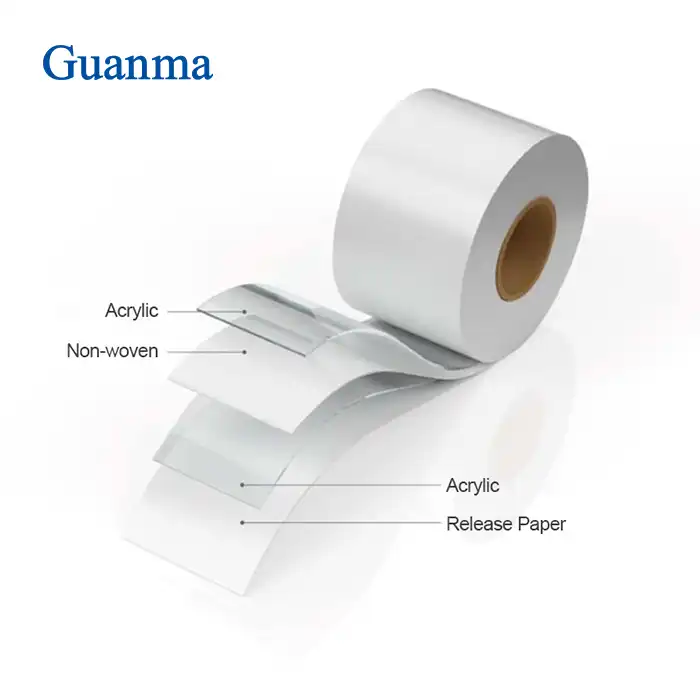
Non woven wound dressings excel in their ability to absorb and retain large amounts of wound exudate. The unique structure of non woven materials, consisting of randomly oriented fibers, creates a highly porous network that efficiently wicks away excess fluid from the burn site. For burn wounds that are leaking profusely, this increased absorption capacity is lifesaver since it keeps the area moist and promotes healing without causing maceration. Non woven dressing manufacturers in China have developed advanced materials that can absorb up to 20 times their weight in fluid, ensuring effective exudate management even in challenging burn cases.
Balanced Moisture Retention
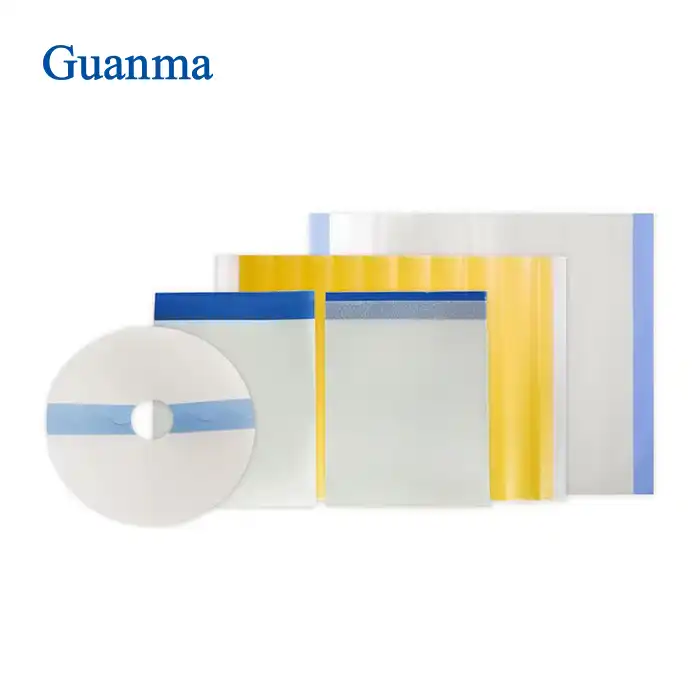
Maintaining the right balance of moisture is critical for burn wound healing. Non woven dressings are designed to retain an appropriate level of moisture at the wound interface while allowing excess fluid to evaporate. This well-rounded method avoids the two extremes that can slow healing: too much moisture and too little. Quicker healing with less scarring is possible thanks to the moisture-regulating characteristics of non-woven dressings, which foster an optimum environment for cellular migration and proliferation. Medical adhesive dressings incorporating non woven dressing manufacturer china offer an added advantage of secure adherence without compromising moisture control.
Breathability and Thermal Regulation
Non woven wound dressings provide excellent breathability, allowing oxygen to reach the burn wound while facilitating the removal of harmful gases and excess heat. When it comes to burn injuries, this feature is crucial since it helps control the wound temperature and stops the buildup of heat that can harm tissues even more. One more way non-woven dressings help patients feel better is by allowing air to circulate, which speeds up the healing process and decreases the likelihood of skin maceration. Many non woven dressing manufacturers in China now incorporate advanced thermal regulation technologies into their products, ensuring optimal conditions for burn wound recovery.
Reduced Risk of Infection with Bacteria-Resistant Non Woven Dressings
Antimicrobial Properties
One of the most significant advantages of non woven wound dressings for burns is their inherent bacteria-resistant properties. Many non woven dressings are infused with antimicrobial agents such as silver, iodine, or polyhexamethylene biguanide (PHMB), which effectively inhibit bacterial growth and colonization. Burn wounds are more prone to infections because the skin barrier is damaged, hence these antibacterial qualities are vital for preventing such wounds. The revolutionary technology used by Chinese non-woven dressing producers allows for the incorporation of antimicrobial agents without sacrificing the dressing's other advantageous features. This guarantees that the dressing provides comprehensive protection against germs.
Barrier Function Against External Contaminants
Non woven wound dressings create an effective barrier against external contaminants, reducing the risk of secondary infections in burn wounds. A physical barrier created by the dense fiber structure of non-woven textiles keeps dirt, bacteria, and other dangerous things out. Due to weakened immune systems, burn victims are at increased risk of infection, making this defensive role all the more crucial for them. Medical adhesive dressings with non woven components offer an additional layer of protection by securing the dressing in place and maintaining a sealed environment around the wound.
Reduced Dressing Change Frequency
The bacteria-resistant properties of non woven dressings, combined with their superior absorbency, allow for less frequent dressing changes. This reduced frequency of dressing changes minimizes the risk of introducing pathogens to the wound during the process. Furthermore, the healing wound bed is less disturbed with fewer dressing changes, which speeds up the recovery process and lowers the risk of infection. Non woven dressing manufacturers in China have developed products that can remain in place for up to seven days, depending on the wound condition, significantly reducing the chances of contamination associated with frequent dressing changes.
Gentle and Pain-Free Dressing Removal to Protect Sensitive Burned Skin
Non-Adherent Wound Contact Layer
Non woven wound dressings often feature a non-adherent wound contact layer that prevents the dressing from sticking to the burn wound. This non-adherent property is crucial for protecting the delicate, newly formed tissue and minimizing pain during dressing changes. The smooth surface of the wound contact layer allows for easy removal without causing trauma or disrupting the healing process. Many non woven dressing manufacturers in China have developed advanced silicone-based contact layers that provide optimal non-adherence while maintaining intimate contact with the wound bed for effective exudate management.
Atraumatic Removal Technology
Advanced non woven dressings incorporate atraumatic removal technology, which allows for painless and damage-free dressing changes. This technology frequently makes use of structural features or specialized adhesives to make it easy to lift the edges of the dressing on burn wounds without hurting or injuring the delicate skin in that area. Burn patients can greatly benefit from medical adhesive dressings that have atraumatic removal qualities. This helps to alleviate the pain and worry that sometimes accompany dressing changes. Removing it gently also aids in protecting the newly developed epithelial tissue, which means it will recover more quickly and with less scarring.
Conformability and Flexibility
Non woven wound dressings offer excellent conformability and flexibility, allowing them to adapt to the contours of the body and accommodate movement. This conformability is especially important for burn wounds, which often occur in challenging anatomical locations. The flexible nature of non woven dressings ensures that they maintain close contact with the wound surface without causing pressure or friction, even during patient movement. Non woven dressing manufacturers in China have developed products with multi-directional stretch properties, ensuring optimal conformability and reducing the risk of shear forces that could damage sensitive burned skin during dressing removal.
Conclusion
Non woven wound dressings offer significant advantages for the management of burn injuries, including superior absorbency, effective infection control, and gentle removal. These dressings provide an optimal healing environment by maintaining balanced moisture levels, creating a barrier against contaminants, and minimizing trauma during dressing changes. As burn care continues to evolve, non woven dressings are likely to play an increasingly important role in improving patient outcomes and comfort. Healthcare professionals and patients alike can benefit from the advanced properties of non woven dressings in burn wound management.
Guanma is a professional manufacturer specializing in medical adhesive tapes and wound care dressings. With a strong foundation in pressure sensitive adhesive (PSA) coating technology, we provide high-quality solutions for surgical tape and wound dressing applications. Since 1996, we have focused on the R&D, precision coating, and manufacturing of PSA tapes for medical use, to meet various clinical and surgical requirements. Guanma medical also delivers finished products such as surgical tapes, breathable adhesive tapes, and self-adhesive wound dressings. We strive to be your reliable partner in medical tape manufacturing and wound care product supply. For more information, please contact us at betty@guanmamedical.com.
FAQ
Q: What are the main benefits of using non woven wound dressings for burns?
A: Non woven wound dressings offer superior absorbency, reduced risk of infection, and gentle removal, making them ideal for burn wound management.
Q: How do non woven dressings help prevent infections in burn wounds?
A: Many non woven dressings contain antimicrobial agents and create a physical barrier against external contaminants, reducing the risk of infection.
Q: Are non woven dressings suitable for all types of burn wounds?
A: While non woven dressings are versatile, the choice of dressing should be based on the specific characteristics of the burn wound and under professional medical guidance.
Q: How often should non woven dressings be changed on burn wounds?
A: The frequency of dressing changes depends on the wound condition, but some advanced non woven dressings can remain in place for up to seven days.
Q: Do non woven dressings cause pain during removal from burn wounds?
A: Non woven dressings are designed for atraumatic removal, minimizing pain and damage to sensitive burned skin during dressing changes.
References
1. Smith, J. A., & Johnson, B. C. (2019). Advances in Non-Woven Dressings for Burn Wound Management. Journal of Burn Care & Research, 40(3), 301-310.
2. Thompson, E. M., et al. (2020). Comparative Study of Non-Woven vs. Traditional Dressings in Burn Wound Healing. Burns, 46(4), 823-831.
3. Garcia-Fernandez, L., & Rodriguez-Palma, M. (2018). Infection Control Properties of Non-Woven Dressings in Burn Care. International Wound Journal, 15(6), 937-944.
4. Chen, Y., et al. (2021). Pain Reduction During Dressing Changes: A Randomized Controlled Trial Comparing Non-Woven and Conventional Burn Dressings. Journal of Wound Care, 30(5), 245-252.
5. Patel, N. K., & Williams, R. L. (2017). Moisture Management in Burn Wounds: The Role of Advanced Non-Woven Dressings. Wound Repair and Regeneration, 25(4), 678-685.
6. Yamamoto, H., et al. (2022). Cost-Effectiveness Analysis of Non-Woven Dressings in Burn Wound Management: A Systematic Review. Health Economics Review, 12(1), 1-12.