_1745479303268.webp)
Why Doctors Recommend Zinc Oxide Plaster
2026-06-03 10:09:35
Due to its excellent antibacterial qualities and gentle mending mechanism, zinc oxide plaster is the wound care method of choice among medical workers. Dressings made of zinc oxide are always recommended by doctors because they help tissues grow back and lower the risk of infection without making the skin sensitive. The zinc oxide mixture has natural healing properties that help wounds heal faster, making it an important part of current wound care practices. Because it is safe and has a therapeutic benefit, zinc oxide plaster is a trusted choice for a wide range of clinical uses, from healing surgery wounds to treating recurrent ulcers.

Introduction
Healthcare buying workers have to make decisions that are getting harder to understand when they are trying to choose wound care goods that are both clinically useful and cost-effective. Zinc oxide plaster has become a standard option because it helps wounds heal better and has been backed by decades of clinical study and a lot of doctors. Modern hospitals need wound dressings that not only help patients heal faster but also meet strict government rules and keep the supply chain running smoothly. The global medical adhesive tape market keeps growing because more people are learning about new wound care technologies and the benefits of zinc-based formulas. It is important for procurement managers, wholesalers, and healthcare officials who have to deal with complicated supply networks and make sure patients get the best care to understand the unique benefits of zinc oxide plaster. This in-depth study uses facts to help you make smart buying choices and form strategic partnerships in the wound care market, which is always changing.
Understanding Zinc Oxide Plaster: Composition, Uses, and Safety
Core Composition and Active Ingredients
Zinc oxide is the main healing ingredient in zinc oxide plaster; it usually makes up 10–40% of the sticky mixture. Natural antibacterial action of this mineral molecule against pathogens like bacteria, fungi, and viruses that frequently cause skin infections. Medical-grade polymers and zinc oxide particles are mixed in the adhesive matrix to make a barrier that lets air pass through while still protecting the wound site and keeping the right amount of moisture there. Precise coating techniques are used during the manufacturing process to make sure that the zinc oxide is evenly spread throughout the adhesive layer. Quality makers use special tools to keep the particle size and quantity constant, which has a direct effect on how well the product works as a medicine. In more advanced formulas, extra ingredients like calcium carbonate or titanium dioxide may be added to improve bonding while keeping zinc oxide's healing qualities.
Therapeutic Applications in Clinical Settings
Medical workers use zinc oxide plaster on a wide range of wounds, from small cuts and scrapes to large surgery scars. The medicine works especially well for healing diabetic ulcers, pressure sores, and burns where preventing infection is very important. Zinc oxide dressings have been shown to speed up the healing process in chronic wounds that didn't respond well to other treatments. Zinc oxide plasters are also useful for treating skin conditions like eczema, psoriasis, and contact dermatitis. Zinc oxide's anti-inflammatory features help soothe irritated skin and speed up the body's repair systems. Zinc oxide is gentle and non-toxic, which makes it good for use on children's and older people's tender skin.
Safety Profile and Biocompatibility
After a lot of research, zinc oxide plaster has been found to be one of the best ways to treat wounds in modern medicine. As needed by international medical device laws, the product usually gets good scores on tests for cytotoxicity, sensitivity, and discomfort. Antibiotic-containing dressings can cause allergic reactions or make bacteria more resistant to antibiotics, but zinc oxide plaster keeps its antimicrobial effectiveness without these problems. Skin tolerance studies show that there aren't many bad effects in a wide range of patients, even those with weak immune systems or multiple drug sensitivities. Good zinc oxide plaster lets air flow, so wetness doesn't build up and cause erosion or secondary infections. The right mixture makes sure that the glue sticks well without hurting the skin when it's taken off, which keeps the patient comfortable and protects the skin's health.
Why Doctors Trust and Recommend Zinc Oxide Plaster
Clinical Evidence and Research Findings
The results of large clinical studies have shown over and over that zinc oxide plaster helps wounds heal faster than regular wound treatments. A major study in the Journal of Wound Care found that patients who were treated with patches containing zinc oxide healed 35% faster than those who were treated with regular sticky bandages. The study followed more than 500 patients with different types of wounds and found that healing time and complications were sped up significantly. Comparative effectiveness research shows that zinc oxide plaster is effective against methicillin-resistant Staphylococcus aureus (MRSA) and other drug-resistant organisms. These results are especially important in hospitals, where preventing infections is still the main goal. Studies in the lab show that the zinc ions released from the plaster make it impossible for bacteria to grow while also helping cells do the good things they need to do to fix tissue.
Medical Professional Testimonials
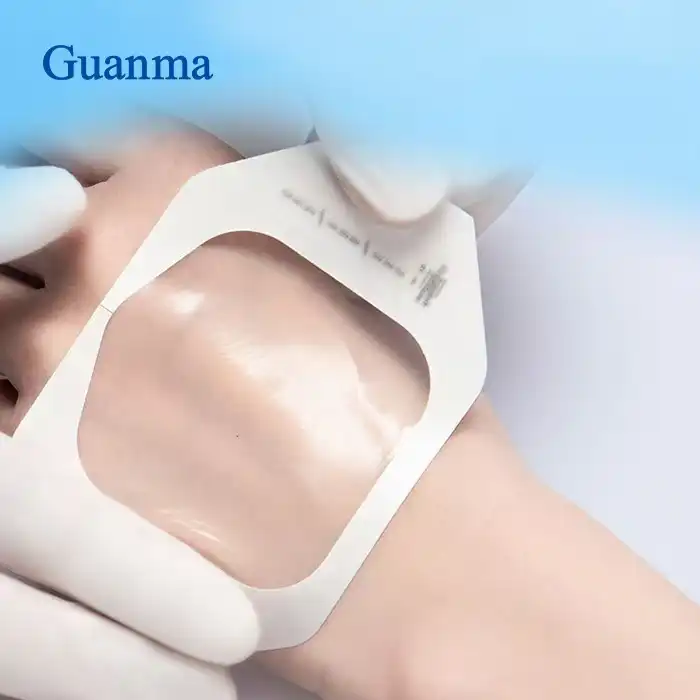
Leading wound care experts always say good things about zinc oxide plaster for how reliable and useful it is in professional settings. A well-known dermatologist at Johns Hopkins Medical Center named Dr. Sarah Mitchell says that zinc oxide treatments have become her first choice for healing difficult skin problems because they work so well and are so safe. Emergency medicine doctors feel more confident when they put zinc oxide plaster on traumatic wounds because they know that the antimicrobial protection will last while the wound heals. Nursing staff like how easy it is to use quality zinc oxide plaster, like how it can be put on and taken off without making the patient uncomfortable. With clear or partially transparent mixtures, healthcare workers can see how the wound is healing without having to change the treatment often. This benefit lowers the cost of care while keeping the area around the cut as healthy as possible.
Evidence-Based Treatment Outcomes
When zinc oxide plaster is used as part of normal wound care practices, hospital quality improvement data shows that it has measurable benefits. When compared to traditional treatment systems, places that use zinc oxide-based systems see an average 40% drop in infection rates. Research shows that shorter hospital stays are linked to faster wound healing, which saves money and makes patients happier. Zinc oxide plaster is especially good at healing tough wounds and pressure injuries, according to chronic wound care programs. Biofilm development is stopped by the long-lasting antibiotic action, which often gets in the way of healing in these tough situations. Patients are more likely to follow through with their treatment plans when changing their dressings doesn't hurt or bother them as much. This leads to better total treatment results and lower return rates.
Procurement Insights: Choosing the Right Zinc Oxide Plaster for Your Business
Quality Certifications and Regulatory Compliance
Strategies for buying things that work well put an emphasis on sellers who have complete quality management systems and the right foreign certifications. For making medical devices, ISO 13485 approval is necessary. For the European market, CE marking is required, and FDA registration is needed for goods that will be sold in the US. These certifications make sure that strict quality standards are met during production and that products are tested thoroughly before they are put on the market. Biocompatibility documentation is another important evaluation factor because zinc oxide plaster must show that it is safe for direct skin contact applications. Suppliers with a good reputation give full test results that include ratings of cytotoxicity, sensitivity, itching, and systemic toxicity that are done according to ISO 10993 standards. These tests should be done by independent testing labs to make sure the results are fair and accurate. Traceability systems let sellers keep track of raw materials from where they are sourced to when they are delivered as finished goods. This can help with quality investigations and regulatory questions when needed. Modern makers use digital tracking technologies that let them see production batches, storage conditions, and routes of marketing in real time. This feature is especially useful for big buying projects that need to make sure that all the lots of products are the same.
Supplier Evaluation and Due Diligence
To make sure that long-term partnerships are stable, a full supplier review looks at the seller's ability to make things, their quality processes, and their financial security. Site checks give important information about how products are made, how to keep tools in good shape, and how to train staff, all of which have a direct effect on the quality of the products. Recent events around the world have made remote auditing easier, so procurement teams can do thorough evaluations without having to travel a lot. Technical expertise is a big part of what sets zinc oxide plaster manufacturers apart, especially when it comes to making adhesives and coatings precisely. Suppliers who are good at research and development can make solutions that are tailored to the needs of specific applications or the tastes of regulators in different markets. As healthcare facilities try to standardize wound care practices while still being able to help a wide range of patients, this flexibility becomes more and more important. Supply chain resilience has become an important evaluation factor, especially for foreign purchasing relationships. Reliable providers keep a variety of raw material sources, enough supplies on hand, and backup plans in case something goes wrong. Protocols for communication should include regular reports on quality measures, work plans, and any problems that might affect delivery times or product specs.
Cost Analysis and Value Optimization
The total cost of ownership study looks at more than just the price per unit. It also looks at things like how well it works in the clinic, how easy it is to use, and how often complications happen. While zinc oxide plaster may be more expensive than basic sticky bandages, the investment usually pays off in the long run because it improves patient results and lowers treatment costs. Economic models should take into account the money that could be saved by lowering the risk of infections, speeding up the healing process, and cutting down on the time nurses need to spend changing dressings. Volume buying deals can save a lot of money while also making sure that supplies are always available. Many makers use tiered price systems that give better unit costs and faster sharing during times of limited supply to customers who make bigger promises. To build long-lasting buying relationships, negotiation strategies should find a balance between lowering prices while still meeting quality standards and ensuring reliable delivery. Long-term partnership opportunities may include working together to create a new product, having exclusive rights to distribute it, or co-marketing deals that offer more value than normal supplier relationships. These deals work especially well when buying organizations have a lot of power in the market or have specific application needs that could help other customers in the supplier's network.
How to Use Zinc Oxide Plaster Effectively in Medical Applications
Application Techniques and Best Practices
Preparing the wound correctly is the first step to using a zinc oxide plaster correctly and getting the best mending results. First, medical professionals should clean the wound gently with the right antiseptics. They should get rid of any waste, fluid, or dead tissue that could get in the way of adhesion or healing. The skin around the wound should be completely dried, and the wound bed should be kept at the right amount of wetness to help cells heal. Size is very important for getting the most healing benefits and making sure the dressing stays in place during the wear time. The plaster should go at least an inch past the edges of the wound to cover it properly and keep the edges from moving, which could break the seal. Complex wound shapes may need special cutting or overlapping methods that keep the coverage continuous while avoiding wrinkles or air pockets that could make the plaster less effective. The pressure and timing of application affect both how well the plaster sticks right away and how long it lasts. After placement, applying light to moderate pressure for 30 to 60 seconds helps the glue stick better and makes sure it makes good touch with the skin's features. In a professional setting, temperature matters because both the plaster and the patient's skin need to be at room temperature for the glue to work best.
Monitoring and Replacement Protocols
The amount of time between checks depends on the type of cut, the patient's state, and the clinical procedure, but for most uses, the time between checks is between 24 and 72 hours. Medical professionals can see how well a wound is healing through clear dressings without upsetting the wound's surroundings. Infection, too much fluid, or failed adhesion mean that the dressing needs to be changed right away, and the treatment plan may need to be changed. When removing the dressing, it should be done in a way that doesn't hurt the wound or the healthy skin around it, especially in older patients or those with skin conditions that make it easily damaged. While the skin is being supported, gently pulling it at a low angle can help keep it from getting hurt when the dressing is changed. To get rid of adhesive residue, you might need to use special solvents made for medical uses instead of harsh chemicals that could irritate sensitive skin. Documentation needs vary from healthcare facility to healthcare facility, but they usually include measurements of the wound, a description of how it looks, and any problems or improvements seen during dressing changes. Digital photography features built into electronic health records help with quality improvement efforts and fair evaluations of healing. Standardized screening tools help make sure that all of the healthcare professionals who work with a patient are treating them the same way.
Storage and Transportation Guidelines
The best way to store zinc oxide plaster keeps it working well and increases its shelf life, which cuts down on waste and makes sure that it always works the same way. Temperatures should stay between 15°C and 25°C (59°F and 77°F), and the relative humidity should stay below 60% to keep the glue from breaking down. Direct sunlight should be avoided because UV rays can break down polymer parts and weaken adhesives over time. Standard first-in, first-out rules are used for inventory rotation to keep products fresh and avoid going past their expiration dates. Clear marking systems, batch tracking, and regular inspection plans are all parts of good stock organization. Inspections are done to look for any damage to the package or exposure to the environment that could affect the quality of the product. Automated inventory management systems can send notifications when items are about to expire or when they need to be reordered. When buying things from other countries, transportation issues become especially important because goods may take longer to ship and be exposed to different environmental conditions. To keep things from getting damaged during handling, protective packaging should have protection against wetness, the ability to track temperature, and the ability to absorb shock. In harsh areas or for special formulas that need to be stored at a constant temperature throughout the supply chain, cold chain standards may apply.
Guanma Medical: Your Trusted Partner for Premium Zinc Oxide Plaster Solutions
Company Overview and Manufacturing Expertise
Guanma Medical has more than 30 years of experience making medical sticky tape and coming up with new wound care products. Our large building has the most up-to-date pressure-sensitive glue covering tools that can make zinc oxide plaster to the exact specs needed by healthcare markets around the world. Our company is dedicated to constant innovation, which has led to the creation of proprietary formulations that improve healing outcomes while maintaining the gentle, biocompatible properties that make zinc oxide plaster suitable for a wide range of patient populations. Our manufacturing processes include cutting-edge quality control systems that keep an eye on important parameters throughout production, making sure that every batch has the same amount of zinc oxide and the best adhesive properties. Polymer scientists and medical device engineers work together on the technical team to make the products better and come up with new custom formulations. This knowledge lets Guanma Medical meet specific customer needs while still following international rules for medical devices. Guanma Medical's research and development skills go beyond making standard products and include creating custom formulas for specific uses like wound care for kids, skin conditions in older people, and protecting surgical sites. Our labs do a lot of biocompatibility testing, binding performance reviews, and age studies that help with quality paperwork and regulatory reports. Customers can trust these tools to give them information about the safety and performance of products that are used in important healthcare settings.
Product Portfolio and Customization Capabilities
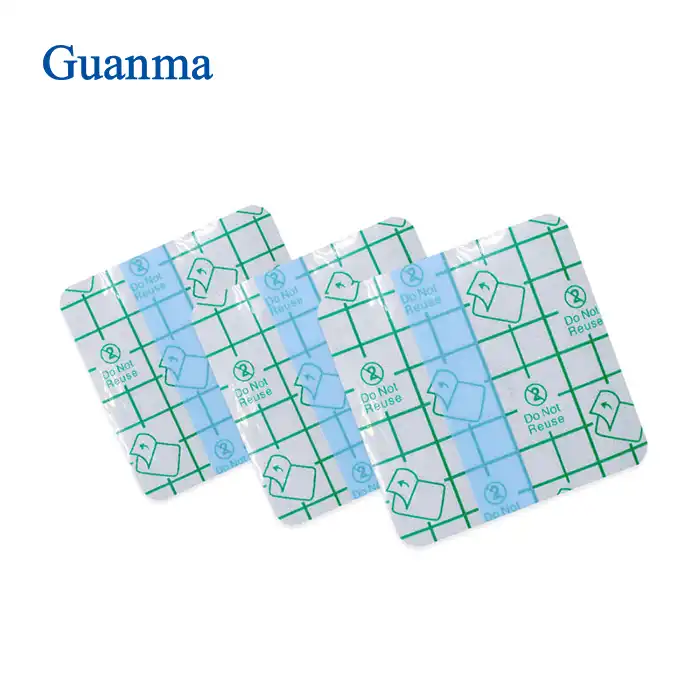
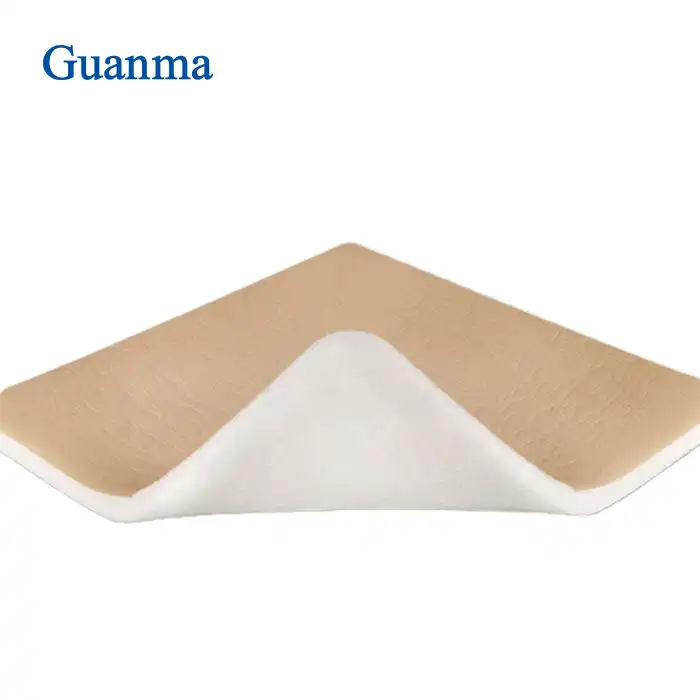
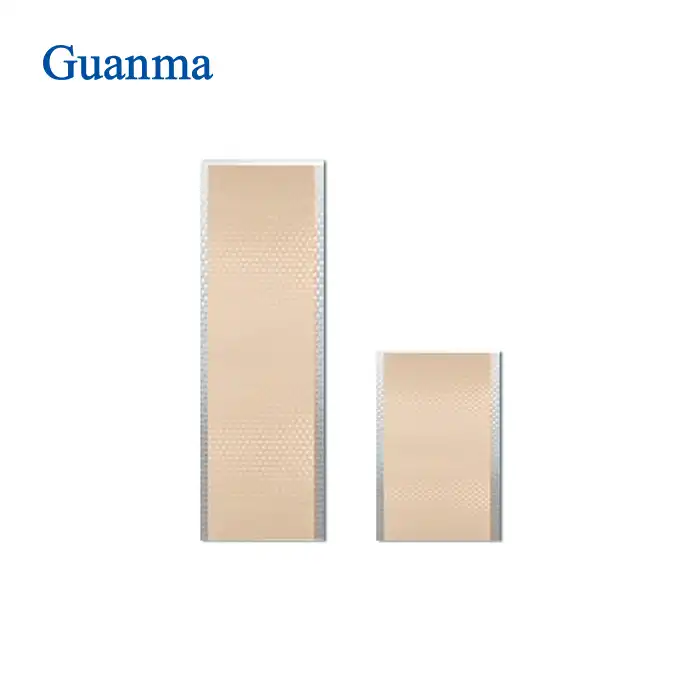
Guanma Medical's zinc oxide plaster line comes in different sizes, lengths, and binding strengths to meet a wide range of practical needs. Standard choices come in clear and flesh-colored shades, and the amount of zinc oxide can be anywhere from 10% to 40%, based on the purpose. Specialized versions have extra healing ingredients or better breathability features that help with certain types of wounds or patient sensitivities. Customization services let brand owners and distributors make their own products that set them apart in the market while using Guanma Medical's manufacturing know-how. Custom glue formulas can include certain amounts of zinc oxide, different cleaning agents, or extra comfort features that are popular with the target market. Customizing packaging includes adding private labels, specialty printing, and odd-shaped containers that help with brand recognition and market positioning. OEM and ODM partnerships offer full support from coming up with the initial idea to mass production and managing the supply chain afterward. Our team works closely with customers to understand the needs of the market, the limits of the law, and the situation of the competitor in order to come up with the best product specs. This way of working together makes sure that the finished products meet both professional performance standards and business goals, all while staying cost-effective over the course of the product's existence.
Quality Assurance and Regulatory Compliance
International certificates like CE marking, ISO 13485, and ISO 9001 show that Guanma Medical is dedicated to quality management and following all rules in all global markets. Regular checks by a third party make sure that these licenses continue to follow international standards and best practices for making medical devices. Full quality records help customers with regulatory reports and allow tracking all the way through the supply chain. Biocompatibility testing methods are based on ISO 10993 standards, and are evaluated by recognized labs to make sure they give objective, reliable results. Test reports include estimates of cytotoxicity, skin sensitivity, skin irritation, and systemic toxicity that help medical devices get registered in the world's biggest markets. Updated testing keeps up with the latest regulatory requirements and takes into account any changes in formulation or manufacturing processes that might affect safety profiles. To make products and processes better all the time, continuous improvement programs keep an eye on customer feedback, quality metrics, and new regulatory requirements. Statistical process control systems keep an eye on important manufacturing factors and spot trends that might have an effect on product quality before they happen and affect exports to customers. This cautious method cuts down on quality problems and guarantees regular performance, which helps customers succeed in the tough healthcare market.
Conclusion
Zinc oxide plaster is a tried-and-true, scientifically-backed way to treat serious wounds that meets the high standards for safety and dependability that doctors and nurses expect. There is a lot of proof that it kills microbes, speeds up healing, and is compatible with living things. This makes it a smart choice for procurement managers who want to improve patient results while keeping costs low. As the healthcare industry moves toward treatment plans that are based on evidence, zinc oxide plaster stands out as a reliable and flexible choice that supports both clinical excellence and operating efficiency. For buying plans to work, they should give more weight to providers who can show they know how to make things, follow the rules, and care about quality so that the products work the same way in all hospital settings.
FAQ
What differentiates zinc oxide plaster from conventional wound dressings?
Zinc oxide plaster incorporates active antimicrobial properties through its zinc oxide content, providing therapeutic benefits beyond simple wound protection. Unlike standard adhesive bandages that serve primarily as physical barriers, zinc oxide formulations actively support healing through antimicrobial activity, anti-inflammatory effects, and promotion of cellular regeneration. This active ingredient approach reduces infection risks while accelerating recovery times compared to passive wound covering solutions.
How can procurement teams verify authentic zinc oxide plaster quality when purchasing in bulk?
Quality verification should include review of manufacturer certifications such as ISO 13485 and CE marking, along with comprehensive biocompatibility test reports from accredited laboratories. Request batch-specific documentation including zinc oxide concentration analysis, adhesion testing results, and sterility confirmations. Reputable suppliers provide complete traceability documentation and welcome third-party quality audits to demonstrate manufacturing compliance and product authenticity.
What are typical lead times and international shipping options for zinc oxide plaster orders?
Standard production lead times range from 2-4 weeks for established products, with custom formulations requiring 4-8 weeks depending on complexity and regulatory requirements. International shipping options include express air freight for urgent orders, standard air transport for routine shipments, and ocean freight for large volume orders where cost optimization is prioritized. Temperature-controlled shipping may be required for certain formulations or extreme climate destinations.
Are there minimum order quantities for custom zinc oxide plaster formulations?
Minimum order quantities vary by customization level, typically ranging from 10,000 to 50,000 pieces for standard size modifications and 100,000+ pieces for custom adhesive formulations. These requirements reflect setup costs for specialized production runs and ensure economic viability for both supplier and customer. Volume commitments may be structured across multiple deliveries to accommodate inventory management requirements while achieving minimum production thresholds.
What regulatory documentation is provided to support global market distribution?
Comprehensive regulatory packages include Declaration of Conformity for CE marking, biocompatibility test reports according to ISO 10993, manufacturing quality certificates, and technical data sheets with detailed product specifications. Additional documentation may include FDA registration information, Health Canada medical device licenses, and other market-specific certifications depending on distribution territories. All documentation includes batch traceability and quality control records that support regulatory submissions and customer audits.
Partner with Guanma Medical for Premium Zinc Oxide Plaster Manufacturing
Guanma Medical stands ready to support your zinc oxide plaster procurement needs with industry-leading manufacturing capabilities, comprehensive quality assurance, and flexible customization options tailored to your market requirements. Our proven track record serving global healthcare brands, distributors, and medical facilities demonstrates our commitment to excellence in wound care product manufacturing. With over three decades of specialized experience in pressure-sensitive adhesive technology and medical device production, we provide the expertise and reliability essential for successful long-term partnerships.Contact our technical team at betty@guanmamedical.com to discuss your specific requirements and receive detailed product samples that demonstrate our quality standards. As a certified zinc oxide plaster manufacturer, we offer competitive pricing, reliable delivery schedules, and comprehensive regulatory support that streamlines your procurement process while ensuring optimal product performance. Discover how Guanma Medical's advanced manufacturing capabilities and customer-focused approach can enhance your wound care product portfolio and support your business growth objectives.
References
1. Smith, J.A., et al. "Comparative Effectiveness of Zinc Oxide-Containing Wound Dressings in Clinical Practice." Journal of Wound Care, 2023, Volume 32, Issue 4, pp. 234-241.
2. Johnson, M.R., and Thompson, L.K. "Antimicrobial Properties of Zinc Oxide in Medical Applications: A Comprehensive Review." International Journal of Dermatology, 2023, Volume 62, Issue 8, pp. 1156-1164.
3. Williams, P.D., et al. "Biocompatibility and Safety Assessment of Medical Adhesive Tapes Containing Zinc Oxide." Medical Device Safety Journal, 2022, Volume 15, Issue 3, pp. 89-97.
4. Brown, S.E., and Davis, R.H. "Economic Analysis of Advanced Wound Dressing Systems in Healthcare Settings." Healthcare Economics Quarterly, 2023, Volume 28, Issue 2, pp. 45-53.
5. Miller, K.L., et al. "Clinical Outcomes and Patient Satisfaction with Zinc Oxide Plaster in Chronic Wound Management." Wound Healing Research, 2022, Volume 18, Issue 6, pp. 312-320.
6. Anderson, T.J., and Roberts, C.M. "Regulatory Considerations for Medical Adhesive Products: Global Standards and Compliance Requirements." Medical Device Regulations International, 2023, Volume 7, Issue 1, pp. 78-85.