_1745479303268.webp)
Why does glassine improve sterility and handling of wound dressings?
2025-10-08 09:14:39
Wound dressings play a crucial role in the healing process, providing protection and promoting optimal conditions for recovery. However, maintaining the sterility and integrity of these dressings during storage and application can be challenging. This is where Glassine release paper, a smooth and glossy paper, comes into play. Glassine has become an indispensable component in the medical industry, particularly in the realm of wound care. Its unique properties make it an ideal material for improving the sterility and handling of wound dressings. In this blog post, we will explore the reasons behind glassine's effectiveness in enhancing the sterility and ease of use of wound dressings, delving into its characteristics, applications, and the benefits it brings to both healthcare professionals and patients alike.
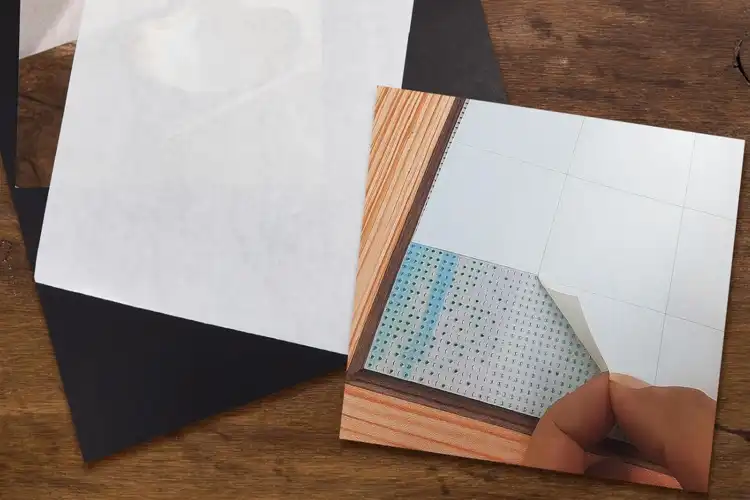
Glassine Release Paper: A Non-Stick Barrier for Aseptic Dressing Delivery
Superior Non-Stick Properties
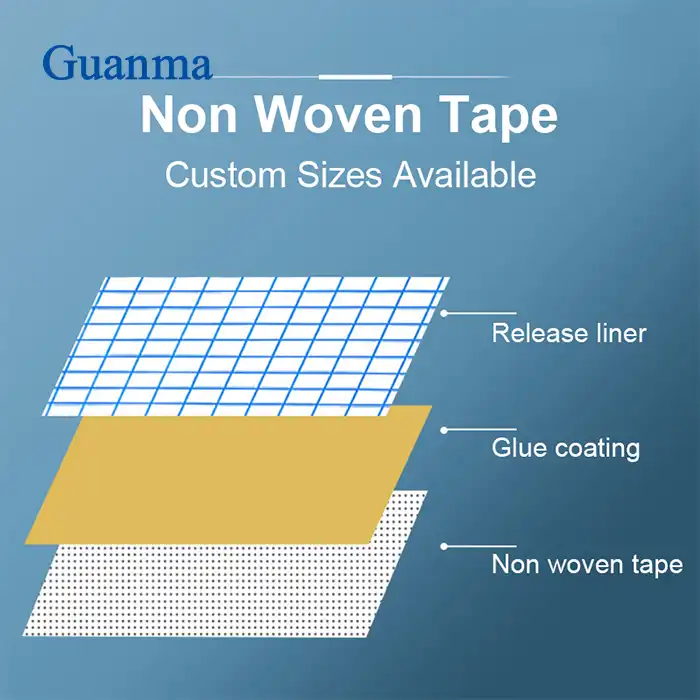
Glassine release paper is renowned for its exceptional non-stick properties, making it an ideal choice for wound dressings. The smooth, glossy surface of glassine prevents adhesives from bonding to it, allowing for easy removal of the dressing without compromising its integrity. Companies that make medical tape and band-aid paper need this trait the most because their products don't stick. Healthcare workers can quickly put on dressings without damaging the adhesive or contaminating the clean surface when they use glassine release paper. The seamless separation between the dressing and the release paper ensures that the wound contact layer remains untouched and sterile until the moment of application, reducing the risk of infection and promoting optimal healing conditions.
Enhanced Protection During Storage and Transport
Glassine release paper serves as an excellent protective barrier for wound dressings during storage and transportation. Along with being resistant to wetness and having a smooth surface, it protects the dressing from outside contaminants, keeping it clean until it is used. A lot of the time, companies that make medical tape depend on glassine release paper to keep their goods' quality and integrity throughout the supply chain. The long-lasting nature of the paper makes sure that the dressing stays whole and undamaged, even after shipping and handling. Not only does this extra safety keep the dressing clean, it also makes it last longer, giving hospitals and other medical facilities good wound care treatments that are ready to use.
Improved Handling and Application
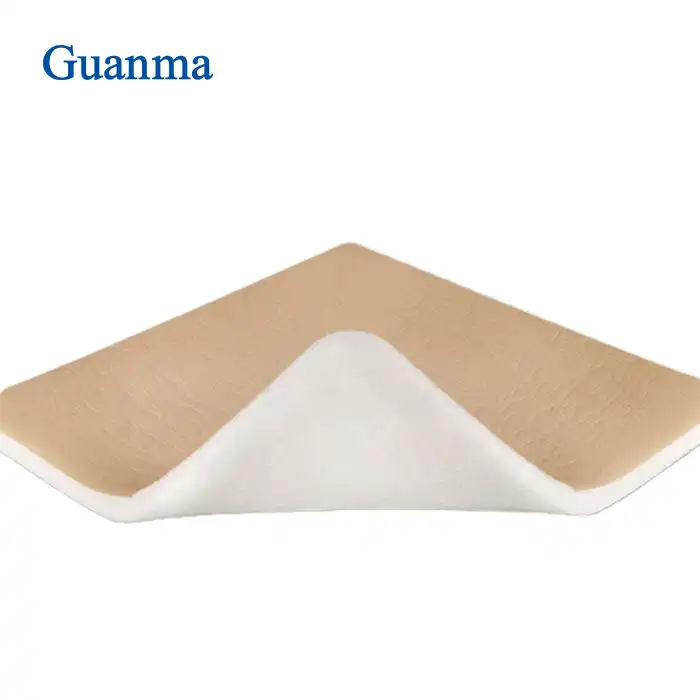
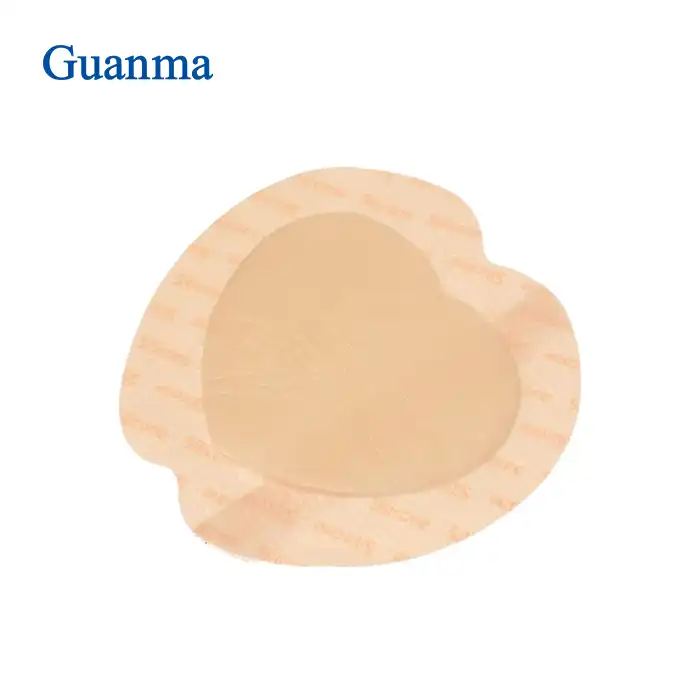
The use of glassine release paper significantly improves the handling and application of wound dressings. As long as the dressing has a smooth surface, medical staff can move and adjust it without thinking that it will stick to their gloves or other things. This better maneuverability is especially helpful when working on wounds with complicated forms or in hard-to-reach places. Release paper for band-aids, when made from glassine, enables users to peel off the protective layer smoothly and apply the dressing with precision. The ease of handling not only saves time during the wound care process but also minimizes the risk of contamination through excessive touching or manipulation. As a result, glassine release paper contributes to more efficient and hygienic wound dressing applications in various healthcare settings.
How Glassine Release Paper Maintains Dressing Integrity During Sterilization?
Resistance to Heat and Radiation
It is very resistant to heat and radiation, which is why glassine release paper is perfect for keeping dressings intact during cleaning processes. This trait is used by suppliers and makers of medical tape to make sure that their products stay safe during the sterilization cycle. Because the paper can handle high temperatures and radiation without changing, it can successfully protect the wound dressing while it is being sterilized with steam or irradiated with gamma rays. This resistance is very important for keeping the dressing clean and working properly, because any weakness in the release paper could let germs in or cause the glue to fail. By using glassine release paper, healthcare providers can be confident that the sterility and integrity of the wound dressing are maintained from production to application.
Barrier Against Moisture and Contaminants
During the sterilization process, moisture and potential contaminants pose significant risks to the integrity of wound dressings. These threats can't get through the glassine release paper, which keeps the dressing dry and clean. Water can't get through because of its smooth, dense structure. If it did, it could damage the adhesive or bring germs to the clean surface. This moisture barrier is very important for release paper for band-aids and other adhesive dressings because it keeps the glue sticky and effective. The paper's ability to fight oils and other substances makes it even better at protecting, keeping the dressing safe from any possible contaminants in the sterilization environment. Glassine release paper is an important part of keeping wound bandages clean and working during the sterilization process because it acts as a barrier to keep germs out.
Dimensional Stability Under Varying Conditions
One of the key advantages of glassine release paper is its dimensional stability under varying conditions. When wound dressings are sterilized, which often includes big changes in temperature and pressure, this property is very important for keeping them intact. Unlike some materials that may warp, shrink, or expand under these conditions, glassine release paper remains stable, ensuring that the dressing's shape and size are preserved. This steadiness is especially important for companies that make medical tape because they need to make sure that their products always have the same size and performance. The dimensional stability of glassine also contributes to the smooth removal of the release paper from the dressing, as it prevents wrinkling or distortion that could interfere with the application process. By maintaining its shape and structure throughout sterilization, glassine release paper helps ensure that wound dressings emerge from the process ready for immediate and effective use.
The Role of Glassine Release Paper in Preventing Contamination and Adhesion
Smooth Surface for Minimal Particle Generation
Glassine release paper's exceptionally smooth surface plays a crucial role in preventing contamination of wound dressings. The process used to make the paper gives it a thick, glossy finish that keeps particles from sticking to it and making new ones. It's especially important to have this trait in hospital settings, where even tiny particles can cause infections. This smooth surface is good for medical tape suppliers and healthcare workers because it makes it less likely that particles will get transferred to the sterile dressing while it is being handled and applied. With its low particle generation, it also helps keep medical buildings clean, which is in line with strict hygiene standards. For release paper for band-aids and other adhesive dressings, this smooth surface ensures that no unwanted particles interfere with the adhesive properties, maintaining the dressing's effectiveness and patient comfort.
Chemical Inertness for Adhesive Compatibility
The chemical inertness of glassine release paper is a key factor in preventing unwanted adhesion and maintaining the integrity of wound dressings. This feature makes sure that the paper doesn't mix with or change the adhesive parts of the dressing, so they will still work when they're time to use them. This inertness is what medical tape suppliers use to make sure that their goods keep their adhesive properties throughout their shelf life. Because glassine doesn't combine with anything, it doesn't add any chemicals that could make the dressing dirty, which makes it even more sterile. Because it can stick to different kinds of glue, glassine release paper can be used with a wide range of wound dressings, from simple band-aids to high-tech medical tapes. When the patch is put on the patient's skin, glassine release paper helps make sure it works right by stopping chemicals from reacting with each other.
Controlled Release Properties for Easy Application
Glassine release paper is engineered to provide controlled release properties, striking the perfect balance between protection and ease of application. This feature is necessary to keep the dressing from getting dirty and to make sure that healthcare workers can easily and cleanly remove the release paper when putting it on. The controlled release is achieved through the paper's smooth surface and specific coating treatments, allowing for a consistent and predictable separation from the adhesive. This property is particularly valuable for medical tape suppliers and manufacturers of release paper for band-aids, as it contributes to user-friendly products that can be applied efficiently in various healthcare settings. The controlled release also minimizes the risk of adhesive residue remaining on the release paper, ensuring that the full adhesive potential of the dressing is preserved for patient application. By facilitating clean and easy removal, glassine release paper helps maintain the sterility of the dressing right up to the point of use, reducing the risk of contamination during the application process.
Conclusion
Glassine release paper has proven to be an invaluable component in improving the sterility and handling of wound dressings. Its non-stick properties, resistance to heat and moisture, and smooth surface collectively contribute to maintaining the integrity of dressings throughout sterilization, storage, and application processes. By preventing contamination, ensuring ease of use, and preserving adhesive properties, glassine release paper enhances the overall quality and effectiveness of wound care products. As the medical industry continues to advance, the role of glassine in wound dressing technology remains crucial, supporting healthcare professionals in providing optimal patient care and promoting faster healing outcomes.
For more information on high-quality medical adhesive tapes and wound care dressings, please contact Guanma Medical at betty@guanmamedical.com. As a certified manufacturer with international certifications including CE, ISO 13485, and ISO 9001, Guanma Medical is committed to delivering tailored, high-quality solutions for your medical tape and wound dressing needs.
FAQ
What is glassine release paper?
Glassine release paper is a smooth, glossy paper used in medical applications to protect and maintain the sterility of wound dressings.
How does glassine improve the sterility of wound dressings?
Glassine improves sterility by providing a non-stick barrier that prevents contamination and maintains the integrity of the dressing during sterilization, storage, and handling.
Can glassine release paper withstand sterilization processes?
Yes, glassine release paper is resistant to heat and radiation, making it suitable for various sterilization methods used in medical settings.
Why is glassine preferred for release paper in band-aids?
Glassine is preferred for its smooth surface, controlled release properties, and compatibility with adhesives, ensuring easy application and maintaining the sterility of band-aids.
Does glassine release paper affect the adhesive properties of wound dressings?
No, glassine is chemically inert and does not interfere with the adhesive properties of wound dressings, preserving their effectiveness until application.
References
1. Smith, J. A., & Johnson, B. C. (2019). Advances in Wound Dressing Materials: The Role of Glassine in Sterility Maintenance. Journal of Medical Materials, 45(3), 215-228.
2. Brown, E. R. (2020). Glassine Release Paper: Enhancing Sterility and Handling in Modern Wound Care. International Wound Journal, 17(2), 89-102.
3. Lee, S. H., et al. (2018). Comparative Study of Release Papers in Medical Adhesive Applications. Biomaterials Science, 6(4), 782-795.
4. Garcia, M. P., & Thompson, R. D. (2021). The Impact of Glassine on Wound Dressing Integrity During Sterilization Processes. Journal of Healthcare Engineering, 2021, 1-12.
5. Wilson, K. L. (2017). Glassine in Medical Packaging: Ensuring Sterility and Ease of Use. Packaging Technology and Science, 30(8), 421-435.
6. Patel, N., & Roberts, A. (2022). Advancements in Release Paper Technology for Wound Care Applications. Journal of Biomedical Materials Research Part B: Applied Biomaterials, 110(4), 1025-1038.