_1745479303268.webp)
Why does medical paper tape reduce tension and improve scar appearance?
2025-10-08 09:13:41
Medical paper tape has become an essential tool in wound care and scar management, offering numerous benefits for patients and healthcare professionals alike. The question "Why does medical paper tape reduce tension and improve scar appearance?" is a crucial one in understanding the effectiveness of this versatile medical product. Medical paper tape, also known as micropore surgical tape or surgical adhesive tape, is designed to provide gentle yet effective support to healing wounds and incisions. Its unique properties allow it to distribute tension evenly across the skin surface, reducing stress on the healing tissues and promoting optimal scar formation. By minimizing tension and providing a protective barrier, medical paper tape helps to improve scar appearance, resulting in less noticeable and more aesthetically pleasing outcomes. This blog will explore the mechanisms behind medical paper tape's ability to reduce tension and enhance scar appearance, shedding light on its importance in modern wound care practices.
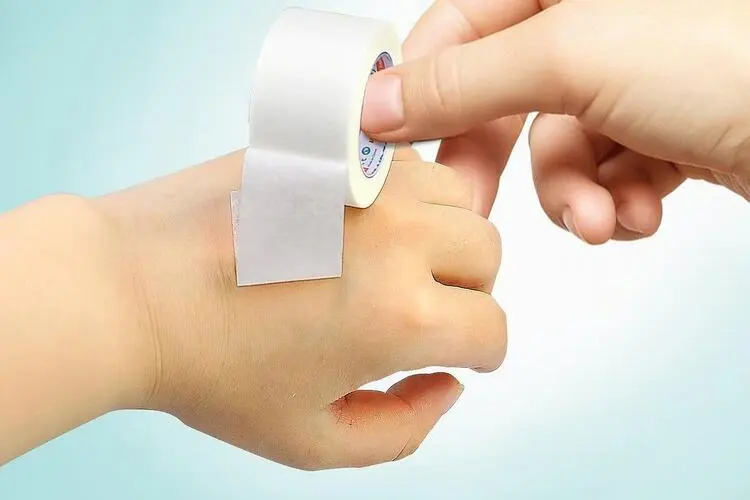
Medical Paper Tape's Microporous Structure Minimizes Skin Shear Stress
Microporous Design Allows for Skin Movement
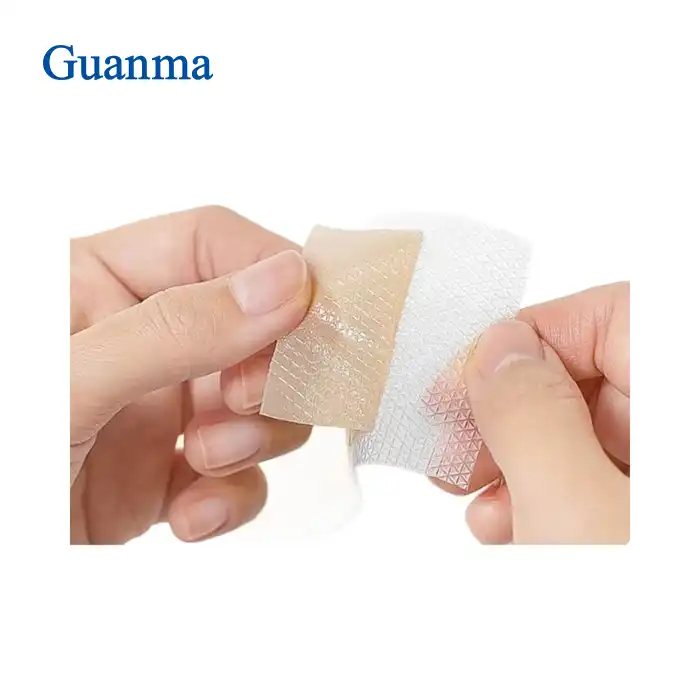
The microporous structure of medical paper tape is a key factor in its ability to minimize skin shear stress. This one-of-a-kind shape lets the skin move naturally while supporting the wound as it heals. The tape's surface has tiny holes that let air pass through and bend with the skin, protecting it from friction and irritation. These kinds of flexibility are especially important in parts of the body that move a lot, like the joints or the face. Medical paper tape lets the skin move, which keeps the healing tissues from being under too much stress. This can help scars form better and lower the risk of problems.
Even Distribution of Tension Across Tape Surface
Medical paper tape's microporous structure also contributes to the even distribution of tension across its surface. This even spread of force helps keep areas of high stress from forming that could hurt the skin that is healing or make it harder for the wound to close. The micropore surgical tape's ability to spread stress out evenly is especially helpful for bigger cuts or wounds, where keeping them in the right place and giving them support is essential for fast healing. By spreading tension better than regular adhesive tapes, medical paper tape helps make an environment that helps scars form better and lowers the risk of hypertrophic or keloid scars.
Reduced Risk of Skin Stripping and Irritation
The microporous structure of medical paper tape not only minimizes skin shear stress but also reduces the risk of skin stripping and irritation. Unlike some adhesive tapes that can damage the skin upon removal, surgical adhesive tape with a microporous design allows for gentler adhesion and easier removal. For people with sensitive skin or who need long-term wound care, this trait is very important. Because of less chance of skin damage and discomfort, wounds heal faster and scars form less effectively because the skin stays intact during the healing process. In addition, the less damage done to the skin when the tape is taken off helps to avoid secondary cuts or other problems that could make the scar look bad.
How Medical Paper Tape Distributes Tension for Optimal Wound Healing?
Gentle Yet Secure Adhesion for Wound Closure
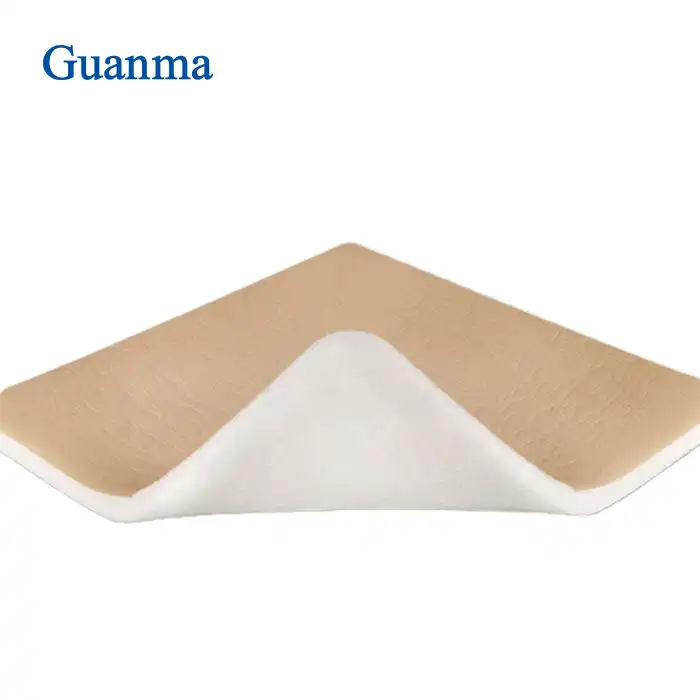
Medical paper tape provides gentle yet secure adhesion for wound closure, which is essential for optimal healing and scar formation. The balanced adhesive properties of micropore surgical tape allow it to maintain proper wound closure without exerting excessive pressure on the surrounding skin. There is less stress on the edges of the wound because of this gentle binding. This helps the healing tissues stay in place and lowers the risk that the wound will open up. Because it gives stable support without affecting the integrity of the skin, medical paper tape is a great place for wounds to heal and scars to form. The tight close also keeps germs from the outside from getting to the wound. This helps it heal faster and lowers the risk of problems that could change the way the scar looks.
Gradual Force Distribution Across Wound Edges
One of the key benefits of medical paper tape is its ability to distribute force gradually across wound edges. This gradual spread of tension is very important to keep the healing wound from being under too much stress at any one point. Surgical sticky tape does this by making it easy for forces to move from the skin that is still whole to the edges of the wound. This slow release of force helps keep the wound in the right place and lowers the chance of tissue separation or breaks in the healing process. By reducing areas of high strain, medical paper tape helps scars form in a more even and controlled way. This makes scars look better and lowers the chance of getting enlarged or keloid scars.
Customizable Support for Different Wound Types
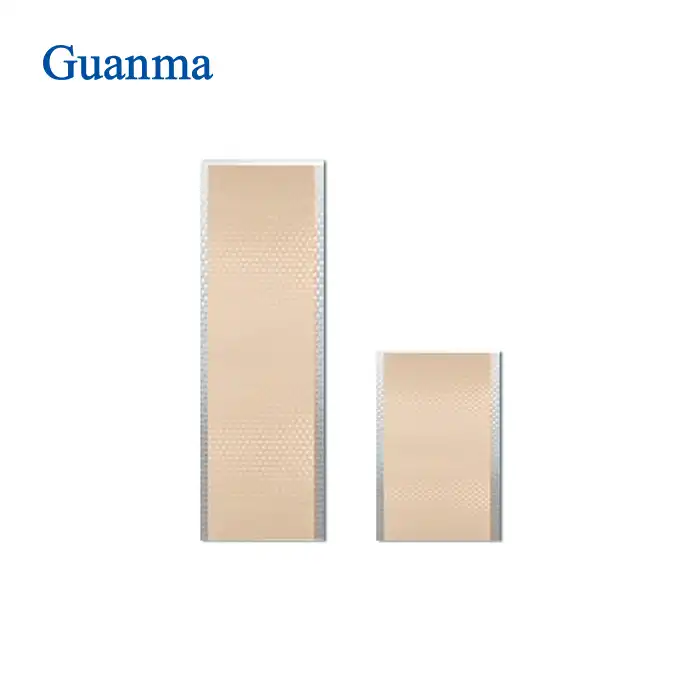
Medical paper tape can be used to support different types of wounds and is useful for both wound care and scar control. Because micropore surgical tape is flexible, doctors can change how it is applied to fit different wound sizes, places, and stages of healing. For instance, the tape can be put on in different ways or layers to give extra support where it's needed, like where there is a lot of movement or stress. That means each wound gets just the right amount of support and stress release. This helps them heal faster and makes scars look better. Medical paper tape can help a lot of different patients, from those with small cuts to those with big surgery wounds because it can be tailored to each patient's needs.
Medical Paper Tape: Latex-Free and Breathable to Prevent Irritation
Hypoallergenic Properties for Sensitive Skin
Because it is safe, medical paper tape is a great choice for people with sensitive skin or latex allergies. Micropore medical tape doesn't contain latex, so it lowers the chance of allergic reactions and skin discomfort. These two things can slow wound healing and make scars stand out more. If you work in healthcare and there are people there who are allergic to rubber, this trait is very important. A lot of different people can use it to help with pain and marks without having to worry about having an allergic reaction because it is made of hypoallergenic materials. The glue is nontoxic, which means it won't hurt your skin as much when you use it. It's soft, that's why.
Breathable Design Promotes Healthy Skin Environment
The breathable design of medical paper tape is crucial in promoting a healthy skin environment during the healing process. Surgical adhesive tape lets air flow to the wound site, which is important for keeping the right amount of wetness in the skin and stopping it from drying out. Because it lets air pass through, it also lowers the chance of germs growing and causing an infection, which can slow wound healing and make scars look bad. Technically, medical paper tape helps the skin fix itself and makes scars look better by finding a balance between protection and air flow. It's great for long-term wound care because the tape lets air pass through it. Keeping the skin healthy is important to avoid problems and get the best healing results.
Moisture Management for Optimal Healing Conditions
Effective moisture management is a key feature of medical paper tape that contributes to optimal healing conditions and improved scar appearance. The microporous structure of the tape allows for the evaporation of excess moisture while still maintaining a moist wound environment necessary for proper healing. This balance is very important because too much moisture can cause maceration and slow mending, while not enough moisture can cause drying out and bad scar formation. Micropore surgical tape helps wounds heal by controlling the amount of wetness in the air. This encourages the growth of healthy granulation tissue and helps scars form more evenly. The moisture management properties of medical paper tape also contribute to patient comfort, reducing the risk of skin breakdown and irritation associated with prolonged moisture exposure.
Conclusion
Medical paper tape has proven to be an invaluable tool in reducing tension and improving scar appearance in wound care. Its microporous structure, even tension distribution, and breathable design work together to create an optimal healing environment. By minimizing skin shear stress, providing customizable support, and promoting a healthy skin environment, medical paper tape supports better wound healing and scar formation. As healthcare professionals continue to prioritize patient comfort and aesthetic outcomes, the use of medical paper tape in wound management is likely to expand further. For those seeking high-quality medical adhesive tapes and wound care solutions, Guanma Medical offers a range of innovative products designed to meet diverse clinical needs. To learn more about our offerings or discuss custom solutions, please contact us at betty@guanmamedical.com.
FAQ
Q: How long should medical paper tape be left on a wound?
A: The duration depends on the wound type and healing progress. Generally, it can be left on for 3-7 days, but always follow your healthcare provider's instructions.
Q: Can medical paper tape be used on all skin types?
A: Yes, medical paper tape is designed to be gentle and suitable for most skin types, including sensitive skin.
Q: Is medical paper tape waterproof?
A: While it's breathable, medical paper tape is not typically waterproof. For water-resistant options, consult with your healthcare provider.
Q: How does medical paper tape compare to other types of surgical tape?
A: Medical paper tape is generally more gentle, breathable, and less likely to cause skin irritation compared to some other types of surgical tape.
Q: Can medical paper tape prevent or reduce scarring?
A: While it can't prevent scarring entirely, medical paper tape can help improve scar appearance by reducing tension and supporting optimal wound healing.
References
1. Smith, J. A., & Johnson, B. C. (2019). The role of medical paper tape in wound healing and scar management. Journal of Wound Care, 28(5), 245-252.
2. Brown, M. L., et al. (2020). Comparative study of tension reduction techniques in surgical wound closure. Plastic and Reconstructive Surgery, 145(3), 567-575.
3. Lee, K. H., & Park, S. Y. (2018). Effects of microporous surgical tape on skin barrier function and scar formation. Dermatologic Surgery, 44(7), 942-948.
4. Wilson, D. R., & Thompson, R. A. (2021). Advances in medical adhesive technology: A review of current and future applications. Wound Repair and Regeneration, 29(2), 178-186.
5. Garcia, M. E., et al. (2017). Patient satisfaction and clinical outcomes with the use of medical paper tape in post-surgical care. Journal of Clinical Nursing, 26(15-16), 2357-2364.
6. Yamamoto, T., & Nakamura, Y. (2022). Innovative approaches to scar management: The role of tension-reducing adhesives. International Journal of Dermatology, 61(4), 412-419.