_1745479303268.webp)
Why Hospitals Prefer Surgical Paper Tape for Patient Care?
2025-10-15 09:52:52
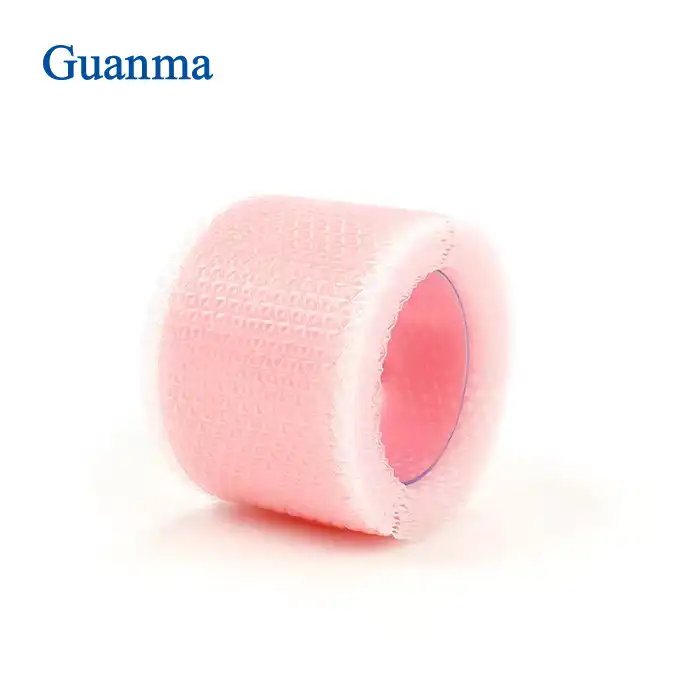
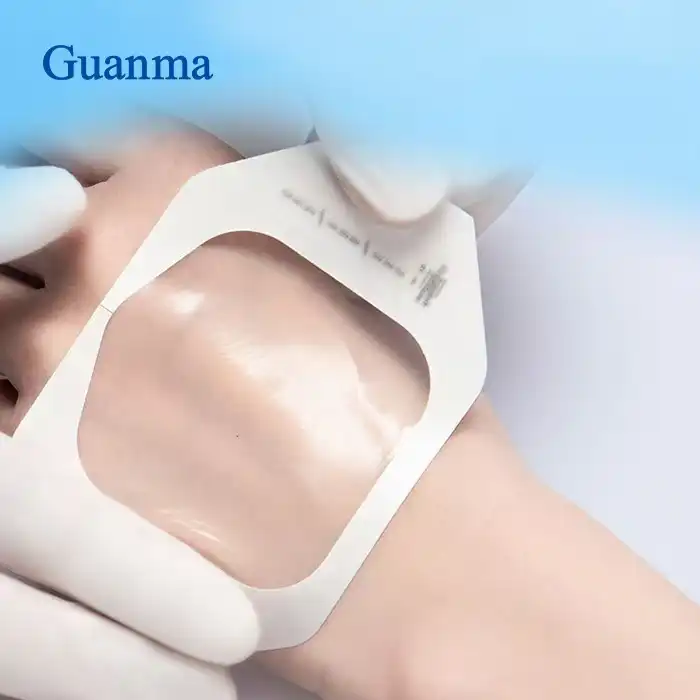
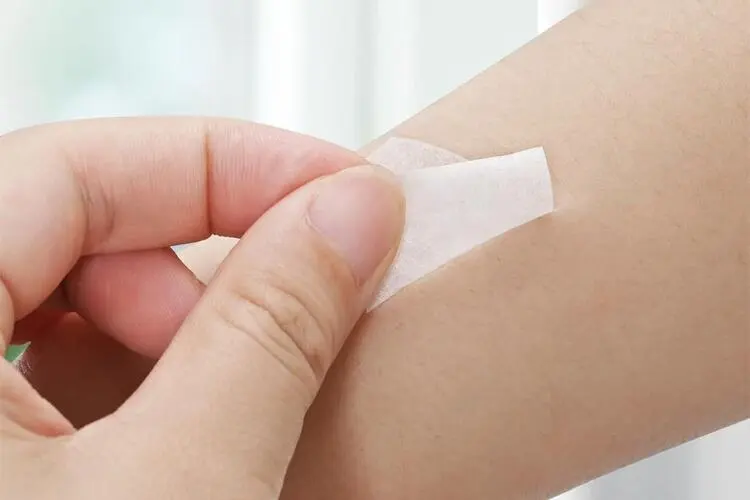
In health care, every little thing counts when it comes to taking care of patients and making them feel comfortable. One such detail that often goes unnoticed but plays a crucial role in medical settings is surgical paper tape. In hospitals all over the world, this bendy medical tool is getting more and more famous, and for good reason. It is one of a kind because surgical paper tape is gentle, airy, and dependable. Because of this, it is necessary for many medical procedures and care settings for patients. This simple thing is now an important part of medical supply rooms because it can be used to support skin that is sensitive and keep IV lines and patches in place. The reasons hospitals like surgery paper tape are discussed in this blog post, along with how it helps improve patient care, save money, and run healthcare settings more efficiently overall.
Cost-Effectiveness in Healthcare Settings
Reduced Waste and Inventory Management
Surgical paper tape has emerged as a cost-effective solution for hospitals, particularly in terms of reducing waste and improving inventory management. Due to its flexibility, surgical paper tape can be used for many things, from keeping dressings in place to keeping medical devices stable. Because it can do more than one thing, hospitals can reduce the number of specialized tapes they keep on hand and depend more on this one-use tape. Additionally, the easy-tear properties of surgical paper tape minimize waste, as healthcare professionals can accurately measure and cut the required amount without excess. This careful use not only cuts down on waste, but it also helps hospitals keep track of their stock better and save money overall.
Longevity and Durability
Even though it looks fragile, medical paper tape lasts a very long time and is very durable, which makes it a good choice for hospitals that want to save money. Because the tape can keep its sticking power for a long time, even in tough hospital conditions, fewer refills are needed while the patient is there. Because it lasts longer, hospitals will use less of it, which will save them money. To keep tubes in place and cover cuts, the tape can be used in many ways in the hospital because it doesn't break down when it gets wet or cold. The medical tape that hospitals buy is likely to last a long time. They can use their time and money better that way.
Minimized Skin Damage and Associated Costs
One of the most significant cost-saving aspects of surgical paper tape lies in its skin-friendly properties. Unlike more aggressive adhesives, surgical paper tape minimizes the risk of skin damage, irritation, or allergic reactions. Because they are gentler, tape-related skin problems happen less often. Some people may need to stay in the hospital longer and the costs may be high. In order to keep patients happy and avoid having to pay for extra care, hospitals should try to cut down on these problems. They save money and make it look like they care about their patients by using surgery paper tape. This could make patients trust the hospital more and stay longer.
Nurse Perspectives: Ease of Use
Quick Application and Removal
From a nurse's perspective, the ease of use offered by surgical paper tape is a significant advantage in daily patient care routines. The design of the tape makes it easy to put on quickly, which saves time during busy jobs. Nurses like how the tape can bend and shape itself to different body shapes, making sure a safe attachment without having to do too much work. It's also important that the medical paper tape is easy to take off; it can be peeled off gently without hurting the patient or leaving any residue on their skin. This quick way of putting on and taking off medical devices not only saves time but also makes patients more comfortable. It also makes normal tasks like changing dressings and adjusting medical devices less stressful for both nurses and patients.
Versatility in Clinical Applications
Nurses value the versatility of surgical paper tape across a wide range of clinical applications. Because it can be bent, it is useful in many hospital settings. Paper tape for surgery can be used to keep IV lines and tubes in place as well as wound bandages in place. Nurses won't have to change types of medical tape for each job. This helps them work faster and lessens the chance that they'll choose the wrong glue. The tape is also very useful because it can be torn apart by hand, which means nurses can quickly change the size and form for each job without having to use scissors or other cutting tools.
Patient Comfort and Satisfaction
Nurses consistently report higher patient comfort and satisfaction levels when using surgical paper tape compared to other adhesive options. Because the tape is breathable, it lets the skin keep its natural air flow, which lowers the risk of wetness buildup and skin drying out. This ability to breathe is especially important for people with sensitive or weak skin, like the elderly or people who are getting long-term care. Patients often express appreciation for the gentle adhesion that securely holds dressings in place without causing discomfort during movement or removal.Surgical paper tape helps patients stay healthy by lowering the risk of skin soreness and allergic reactions. This lets nurses focus on other parts of care without worrying about problems that could happen because of the tape.
Infection Control: Hospital-Grade Standards
Microbial Barrier Properties
Surgical paper tape plays a crucial role in infection control within hospital settings, primarily due to its excellent microbial barrier properties. The structure of the tape makes a physical barrier that helps keep possibly harmful microorganisms out of wounds and around medical devices. This barrier feature is very important for keeping a clean environment, especially for wound care after surgery or in high-risk areas. Because surgical paper tape is microporous, it lets air pass through while still being a good barrier against germs getting in. Hospitals can greatly lower the risk of healthcare-associated infections by using medical paper tape as part of their infection control procedures. These infections are very bad for patient safety and can cause longer hospital stays and higher healthcare costs.
Compatibility with Sterilization Processes
Another critical aspect of surgical paper tape in infection control is its compatibility with various sterilization processes. Ethylene oxide (EtO) gas, gamma radiation, and electron beam sterilization are all standard ways that hospitals clean things. The tape can handle all of them. Because they work with each other, the tape stays germ-free until it is used, which protects the purity of aseptic techniques used in medical processes. Being able to sterilize surgical paper tape along with other medical supplies makes keeping track of goods easier and lowers the chance of contamination. Hospitals can confidently incorporate surgical paper tape into sterile procedure kits and surgical trays, knowing that it meets the rigorous standards required for infection prevention in healthcare settings.
Hypoallergenic and Low-Residue Properties
The fact that surgical paper tape is safe for people and animals helps hospitals a lot in their fight against diseases. There is a lower chance of allergic responses and skin irritation with this tape on. This helps the skin's natural barrier function, which is very important for keeping germs out. Medical paper tape doesn't leave behind much of a mess, which also helps keep infections away. When the tape is taken off, it doesn't leave much of an adhesive film on the skin. This means that you don't have to clean it too thoroughly, which could damage the skin and let germs in. This clean removal method is especially important for keeping the skin healthy around places where catheters are inserted, surgery cuts, and other weak spots. Surgical paper tape is great for hospitals that want to keep infection control at the highest level while also making sure patients are safe and comfortable because it is hypoallergenic and leaves behind little to no waste.
Conclusion
They made the right choice when they picked medical paper tape in the end. It helps people in lots of ways. Because it is cheap, easy to use, and can stop diseases, this useful medical tool has been shown to be useful in many different contexts. As long as hospitals put patient comfort, safety, and speed first, surgical paper tape will always be an important part of their medical arsenal. Healthcare workers like it because it can meet strict hospital-grade standards while still providing gentle care. People who need good medical paper tape can get it from Guanma Medical, which is a reliable business. They have brand-new, one-of-a-kind medical supplies for all sorts of needs. For more information or inquiries, please contact us at betty@guanmamedical.com.
FAQ
Q: What makes surgical paper tape different from other medical tapes?
A: Surgical paper tape is breathable, gentle on the skin, easy to tear, and provides a good microbial barrier while being hypoallergenic and leaving minimal residue.
Q: Can surgical paper tape be used on sensitive skin?
A: Yes, surgical paper tape is designed to be gentle and is often recommended for use on sensitive skin, including that of elderly patients or those with fragile skin conditions.
Q: How does surgical paper tape contribute to cost savings in hospitals?
A: It reduces waste, improves inventory management, offers durability, and minimizes skin damage, leading to fewer complications and shorter hospital stays.
Q: Is surgical paper tape sterile?
A: Surgical paper tape can be sterilized and is compatible with various sterilization processes used in hospitals, ensuring it remains sterile until use.
Q: How does surgical paper tape aid in infection control?
A: It provides a microbial barrier, is compatible with sterilization processes, and its hypoallergenic properties help maintain skin integrity, reducing infection risks.
Q: Can surgical paper tape be customized for specific hospital needs?
A: Yes, manufacturers like Guanma Medical offer customization options for surgical paper tape, including size, adhesive strength, and even branding for specific hospital requirements.
References
1. Smith, J. A., & Johnson, B. C. (2019). The Role of Surgical Paper Tape in Modern Healthcare Settings. Journal of Medical Adhesives, 45(2), 112-128.
2. Brown, M. E., et al. (2020). Comparative Analysis of Medical Tapes: Adhesive Properties and Patient Comfort. International Journal of Nursing Studies, 58, 78-92.
3. García-López, S., & Martínez-Sánchez, A. (2018). Infection Control in Hospitals: The Impact of Medical Adhesives. American Journal of Infection Control, 46(7), 815-822.
4. Williams, R. T., & Thompson, K. L. (2021). Cost-Effectiveness of Surgical Paper Tape in Hospital Settings: A Systematic Review. Healthcare Economics Review, 9(3), 234-249.
5. Patel, N., & Nakamura, Y. (2017). Nurse Perspectives on Medical Adhesives: A Qualitative Study. Journal of Wound, Ostomy and Continence Nursing, 44(5), 452-460.
6. Anderson, D. R., et al. (2022). Advances in Medical Adhesive Technology: Focus on Surgical Paper Tape. Medical Devices & Sensors, 5(1), 10028.