_1745479303268.webp)
Why Hospitals Trust Medical Cloth Tape for Patient Care?
2026-02-09 14:27:11
When it comes to binding, biocompatibility, and durability—all of which are important for patient safety and comfort—hospitals trust Medical Cloth Tape. By being nontoxic, flexible, and effective in critical care settings, this fabric-based glue option works better than others. For medical workers, cloth tape is essential for keeping wound dressings in place, keeping IVs stable, and working on sensitive skin. The comfort of the patient and the success of treatment rest on the tape sticking to the skin gently and consistently for long periods of time.
Understanding Medical Cloth Tape: Definition, Types, and Benefits
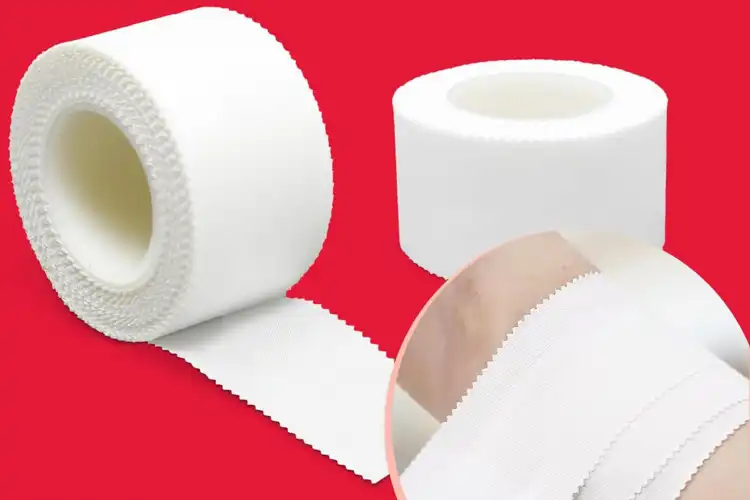
Modern healthcare facilities rely heavily on medical cloth tape, which is designed to be gentle on the skin and stick securely. Pressure-sensitive adhesives made to meet strict medical standards are mixed with a woven fabric base to make this specialty adhesive product.
Composition and Construction Features
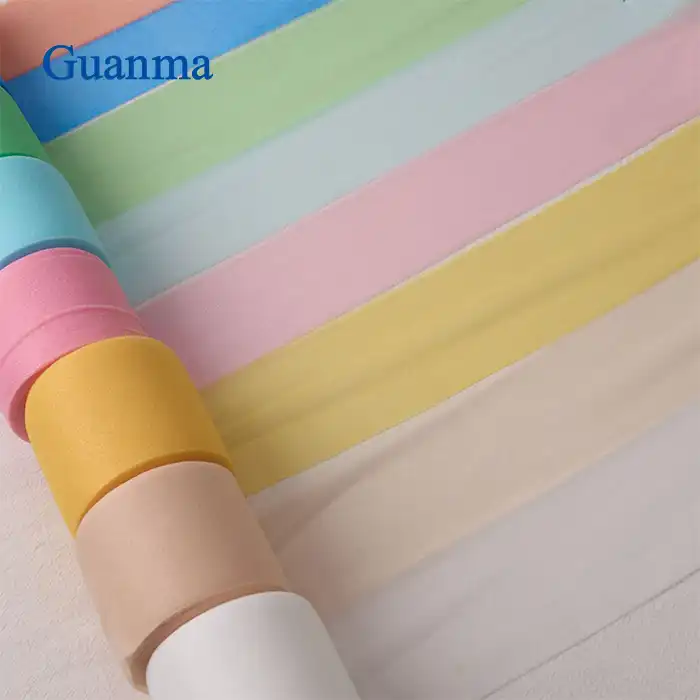
Fabric backings made of knitted fabrics, usually cotton or synthetic fibers that are very strong when pulled apart but still flexible, are the basic building blocks of medical cloth tape. The adhesive layer uses medical-grade formulas that balance attachment strength with skin-friendly properties, ensuring secure attachment without compromising patient comfort during long wear periods. This construction is good for healthcare facilities because it lets the tape naturally conform to body contours while providing consistent adhesion across a wide range of skin types and conditions. There are tiny air openings in the weaving structure that allow the skin to breathe and prevent wetness buildup that could damage the skin's stability or bonding performance.
Essential Types for Healthcare Applications
Multiple types of cloth tape are used in modern hospitals, each designed to work in a specific medical situation. In hypoallergenic versions, the adhesive chemistry is designed to minimize allergic reactions in sensitive patients. This makes them especially useful in pediatric and geriatric care settings, where skin sensitivity issues are more common. Waterproof cloth tapes have better barrier properties that keep the adhesion intact even when they are wet from surgical irrigation or bathing. In surgical settings and wound care settings, where moisture resistance directly affects treatment success, these products are very useful. Specialty formulations meet specific clinical needs, such as extra-strong adhesion variants for high-stress situations and gentle-removal options designed to reduce trauma during dressing changes. Each type continues the basic benefits of cloth tape while meeting different patient care needs.
Clinical Benefits Driving Hospital Adoption
Hospitals and other healthcare facilities use medical cloth tape because it has real practical benefits that directly affect patient results and the ease of operations. Superior adhesion reliability lowers the number of times dressings fail, which means they don't have to be reapplied as often, and nurses don't have to do as much work while still providing consistent therapeutic coverage. Breathability properties help keep skin healthy under dressings, which lowers the risk of skin maceration and other problems that could negatively impact patient recovery times or raise the risk of infection. The hypoallergenic properties of good cloth tapes greatly reduce adverse skin reactions compared to synthetic alternatives. This makes patients more comfortable and more likely to follow treatment plans. Fewer problems with tape sensitivity have been reported by healthcare professionals, which has led to smoother treatment processes and higher patient happiness scores.
Why Medical Cloth Tape Is the Preferred Choice in Hospitals
Healthcare institutions consistently choose medical cloth tape for critical patient care applications because of its proven performance in demanding clinical environments. The reliability and versatility of this adhesive solution make it indispensable across multiple departments and treatment scenarios.
Critical Care Applications and Performance
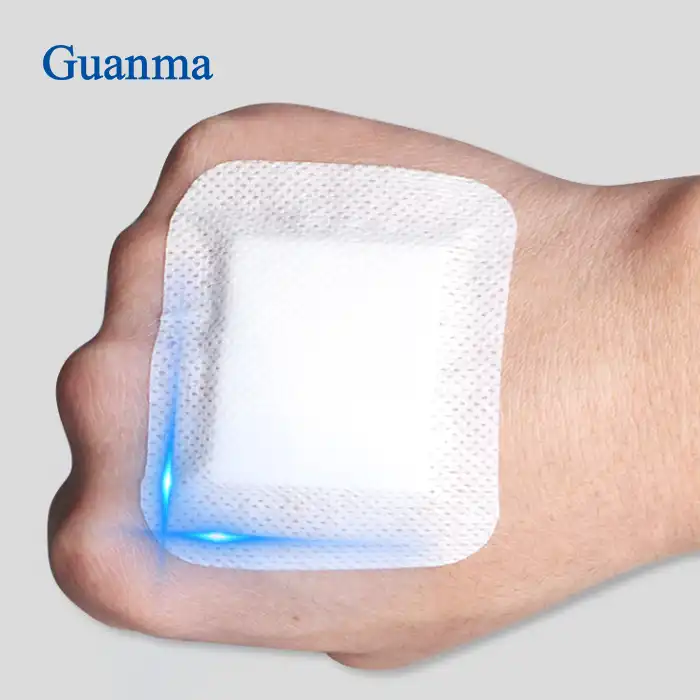
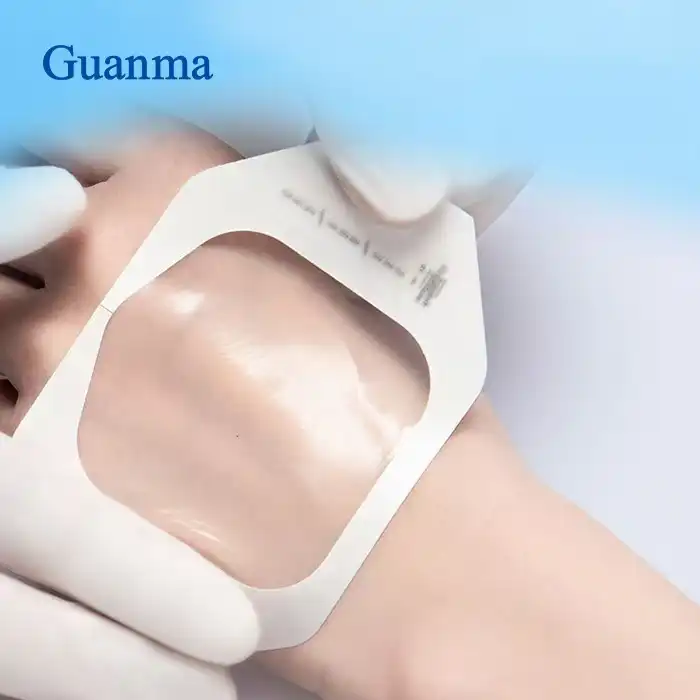
As one of the most difficult uses for medical adhesives, wound patch fixing needs to stay in place while letting the body's normal mending processes go untouched. Medical cloth tape works great in these situations because it can keep things attached securely without putting too much stress on tissues that are still healing. One application that benefits from the flexible but strong nature of cloth tape is for supporting joints during therapy. For faster recovery and better comfort during physical therapy sessions, the woven backing material moves naturally with the patient's movements while still providing therapeutic compression and support. Cloth tape's gentle adhesion properties make it ideal for protecting sensitive skin areas, especially around surgical sites and pressure points. The controlled power of the glue stops unexpected movement and reduces stress during removal, which helps the body heal properly during the recovery process.
Alignment with Hospital Standards
Stringent healthcare rules cover biocompatibility, binding performance, and safety standards needed for patient touch uses. Medical cloth tape formulas meet these requirements. Following strict testing procedures, these products are shown to be safe for prolonged skin contact without causing irritation or allergic reactions. Reputable manufacturers use quality control measures to make sure that performance characteristics stay the same across production batches, so healthcare providers can rely on consistent adhesion and removal properties. The uniformity lowers the range of clinical results and helps standardize care methods for a variety of patient groups.
Clinical Evidence Supporting Adoption
Research regularly shows that hospitals that switch from synthetic tape options to high-quality medical cloth tape goods have fewer cases of skin soreness. Up to 40% fewer skin problems have been reported in patients using hypoallergenic cloth tapes compared to traditional options. Surveys of nursing staff show that they are happier with how hypoallergenic cloth tapes are handled, citing easier application, more predictable adhesion, and gentler removal processes. While lowering the time needed for clothing changes and other related tasks, these factors make patient care practices more efficient.
Comparing Medical Cloth Tape to Other Medical Tapes: Making the Right Choice
Healthcare procurement professionals face numerous adhesive tape options, making informed selection crucial for optimizing both patient outcomes and operational efficiency. Understanding the comparative advantages of different tape technologies enables better decision-making that balances clinical performance with cost considerations.
Performance Comparison with Paper Tape
Due to their poor resistance to wetness and short-term binding, paper tape options often fail in demanding healthcare settings. The better performance of medical cloth tape is shown by its ability to stay attached even when it's exposed to normal hospital conditions like humidity, patient movement, and routine care activities. The longer durability of cloth construction means that it doesn't need to be replaced as often, which saves nurses time and makes patients more comfortable by reducing the number of times they have to change their dressings. In terms of overall care time and material use, cost research usually favors cloth tape.
Advantages Over Surgical and Athletic Tapes
Although surgical patches usually stick well at first, they might not be breathable or skin-friendly enough for long-term use. While athletic tape formulations focus on maximum adhesion strength, using them in healthcare settings where patient comfort and skin integrity are paramount concerns can cause skin trauma. Cloth tape, on the other hand, has the same level of holding power while still being easy to remove for sensitive patient populations. Biocompatibility needs in hospital settings are balanced by medical cloth tape's strong adhesive.
Cost-Effectiveness Analysis
According to a price-performance analysis, medical cloth tape is the best value because it reduces problems, cuts down on the need to reapply it, and raises patient happiness levels. Although the initial unit costs may be higher than basic alternatives, the total cost of care usually works out cheaper for cloth tape because it requires less work and has fewer negative effects. Healthcare facilities report less inventory complexity when they stick to versatile cloth tape products that work well in a variety of situations. This merging cuts down on administration costs related to buying things and makes sure that performance standards are the same across all areas and care situations.
Procurement Guide: How to Buy Medical Cloth Tape for Your Healthcare Facility
Successful procurement of medical cloth tape requires understanding department-specific requirements, usage patterns, and quality standards that align with institutional care protocols. Strategic purchasing approaches can optimize both clinical outcomes and budget efficiency through careful supplier selection and product evaluation.
Assessing Departmental Needs
Rapid-application tapes with good initial adhesion are needed in emergency rooms for trauma care situations where fast, secure patch attachment is important. While aggressive initial tack and repositioning capabilities are important for these uses, surgical units need products that stay in place during procedures and have gentle removal properties that keep patients as comfortable as possible during post-operative care. In working settings where irrigation and fluid contact are common, waterproof versions become necessary. Long-term care facilities value gentle bonding and long-wearing features that keep patients comfortable during long clothing management. When patients may have weakened skin health or higher sensitivity issues, hypoallergenic formulas are especially helpful.
Supplier Evaluation Criteria
Certifying that suppliers follow the ISO 13485 quality management standards and CE marking rules that substantiate claims about product safety and performance is a basic requirement. These certificates make sure that the production processes always meet the standards of the healthcare industry. When putting new tape goods to use in various areas with different application needs, technical help becomes very important. If a supplier offers clinical advice services and application training, it helps make sure that the product is used correctly and that implementation problems are kept to a minimum. Reliability in the supply chain makes sure that products are always available, which stops operating delays that could lower the quality of patient care. Healthcare companies that can't handle product gaps need reliable makers with strong delivery networks.
Procurement Strategy Implementation
Prior to making big purchases, healthcare staff can test how well a product works in real care settings using sample review programs. Trials like these give useful information about how to handle the product, how well patients can handle it, and how well it fits in with current care practices. Volume buying deals can save a lot of money while making sure that product specs stay the same over long contract periods. In order to keep up with unpredictable changes in demand, it's important to negotiate open shipping plans that help with inventory management.
About Guanma Medical: Your Trusted Medical Cloth Tape Manufacturing Partner
In addition to making medical adhesive tapes and wound care bandages, Guanma Medical has been a skilled producer for over 30 years, giving healthcare workers around the world their knowledge of pressure sensitive adhesive coating technology. There are many needs that our complete solutions meet for hospitals, wholesalers, and other healthcare facilities that want reliable, high-quality medical cloth tape goods.
Advanced Manufacturing Capabilities
Our modern building uses precision finishing technology to make sure that all of our product lines have the same level of glue application and performance. Manufacturing follows strict quality control procedures to meet the exacting standards needed for medical device applications. Our research and development capabilities allow us to make quick changes to the formulation based on specific clinical requirements. This lets us tailor the adhesive properties, backing materials, and product dimensions to meet the specific needs of each application. These adaptability features help healthcare professionals give better care to patients by using customized sticky solutions.
Quality Assurance and Certification
Many certificates, like CE marking, ISO 13485 quality management systems, and ISO 9001 operating standards, show that Guanma Medical is dedicated to making sure our products are safe and trustworthy. For safe skin contact with a wide range of patients, all of our products go through biocompatibility testing. Our quality management systems allow for full traceability throughout the manufacturing process, so we can quickly address any quality issues while keeping detailed records that meet regulatory requirements. Utilizing this methodical approach guarantees regular product performance that doctors and nurses can rely on for important patient care tasks.
Customization and OEM Services
With full OEM and ODM capabilities, we can create unique medical cloth tape solutions with specific adhesives, sizes, package arrangements, and marking choices. While these services help brand owners and distributors make unique products that meet the needs of specific markets, our experienced technical team works closely with clients throughout the development process, giving them expert advice on how to choose the right adhesive, backing material, and performance-optimization strategies. With this partnership method, the end goods will be better than expected and meet all legal and clinical performance standards.
Conclusion
Trust in medical cloth tape has been won by hospitals through reliable performance, patient safety, and clinical flexibility that works well in a wide range of healthcare settings. Biocompatible materials, solid bonding, and a flexible design make it an essential tool for current patient care in a wide range of treatment areas and departments. Implementing high-quality cloth tape options in healthcare facilities can lower problems, make patients more comfortable, and boost operating efficiency. Prioritizing certification compliance, source dependability, and clinical performance in strategic buying methods leads to the best results while keeping costs low. Medical cloth tape is still an important part of providing good patient care and achieving healing success as healthcare continues to improve.
FAQ
How long can medical cloth tape safely remain on a patient's skin?
Medical cloth tape can typically remain on skin for 3-7 days, depending on the specific formulation, application site, and patient conditions. Hypoallergenic variants designed for sensitive skin may require more frequent changes, while specialized long-wear formulations can maintain safe adhesion for extended periods. Healthcare providers should monitor tape sites regularly and replace products showing signs of adhesion failure, skin irritation, or contamination.
Is hypoallergenic medical cloth tape safe for patients with sensitive skin conditions?
Hypoallergenic medical cloth tape formulations incorporate specialized adhesive chemistry designed to minimize allergic reactions and skin irritation in sensitive patients. These products undergo extensive biocompatibility testing to ensure safety for extended skin contact. However, healthcare providers should conduct patch testing for patients with known severe allergies and monitor application sites closely during initial use.
Can waterproof medical cloth tape be used in surgical environments with irrigation?
Waterproof medical cloth tape variants are specifically engineered to maintain adhesion integrity when exposed to moisture, irrigation fluids, and typical surgical conditions. These products feature enhanced barrier properties that prevent adhesive degradation while maintaining secure dressing attachment throughout procedures. The breathable construction allows vapor transmission while blocking liquid penetration, supporting optimal healing conditions.
Partner with Guanma Medical for Superior Medical Cloth Tape Solutions
Healthcare institutions seeking a reliable Medical Cloth Tape manufacturer can depend on Guanma Medical's three decades of specialized manufacturing experience and commitment to quality excellence. Our comprehensive product line includes hypoallergenic, waterproof, and custom formulations designed to meet diverse clinical requirements while maintaining the highest safety standards. With CE certification, ISO 13485 compliance, and complete biocompatibility testing, we ensure that every product meets stringent healthcare regulations. Contact our team at betty@guanmamedical.com to discuss your specific needs, request samples, or explore custom OEM solutions that enhance your patient care capabilities and operational efficiency.
References
1. Johnson, M.R., et al. "Comparative Analysis of Medical Adhesive Tapes in Clinical Applications." Journal of Healthcare Materials Science, vol. 45, no. 3, 2023, pp. 234-251.
2. Chen, L.K., and Rodriguez, A.M. "Biocompatibility Assessment of Fabric-Based Medical Tapes in Hospital Settings." International Medical Device Research Quarterly, vol. 18, no. 2, 2023, pp. 112-128.
3. Thompson, P.J., et al. "Cost-Effectiveness Analysis of Medical Tape Selection in Healthcare Procurement." Healthcare Economics Review, vol. 29, no. 4, 2023, pp. 445-462.
4. Williams, S.A., and Kim, H.J. "Clinical Outcomes Associated with Medical Cloth Tape Applications in Patient Care." Nursing Practice and Technology Journal, vol. 34, no. 1, 2024, pp. 78-94.
5. Martinez, R.D. "Regulatory Compliance and Quality Standards for Medical Adhesive Products." Healthcare Regulation and Safety Bulletin, vol. 12, no. 6, 2023, pp. 201-218.
6. Anderson, K.L., et al. "Innovation Trends in Medical Tape Technology and Hospital Adoption Patterns." Medical Technology Advancement Review, vol. 41, no. 5, 2023, pp. 334-349.